
Achieving a calm, clutter-free living room in the Philippines requires a thoughtful balance between style and practical utility. The Japandi aesthetic—a harmonious blend of Japanese minimalism and Scandinavian functionality—offers an ideal blueprint for modern homes, especially in warm, humid climates. When sourcing pieces from the kaisa villa official store, the key is to identify furniture that prioritizes low-profile designs, natural textures, and clean lines. By focusing on these specific design markers, you can transform your living space into a serene sanctuary that feels both open and grounded.
Understanding the Japandi Aesthetic for Your Living Room
Japandi design is the intentional fusion of two distinct yet deeply compatible philosophies: Japanese wabi-sabi and Scandinavian hygge. Japanese design brings a focus on simplicity, natural textures, and a deep appreciation for the beauty found in imperfection and quiet spaces. Scandinavian design contributes a sense of warmth, comfort, and practical ergonomics, ensuring that a home remains cozy and highly livable. When these two concepts merge, they create an environment that feels curated, functional, and incredibly peaceful.
To capture this aesthetic, your living room must rely on key visual markers that promote a sense of order and tranquility. The color palette is strictly grounded in neutral, earthy tones. Instead of cold, stark whites or heavy, dark woods, Japandi spaces utilize warm creams, soft beiges, sand, oatmeal, and muted greys, with occasional deep accents like charcoal or terracotta. Natural textures—such as visible wood grains, woven rattan, and textured fabrics—are essential to prevent the minimalist design from feeling flat or sterile.
Products mentioned in this guide
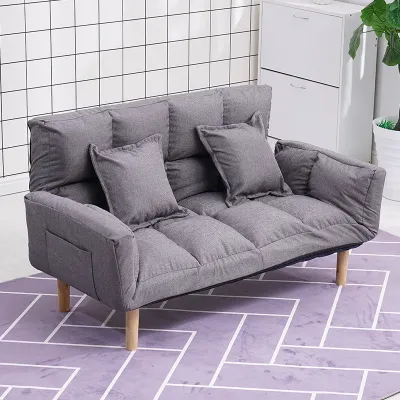
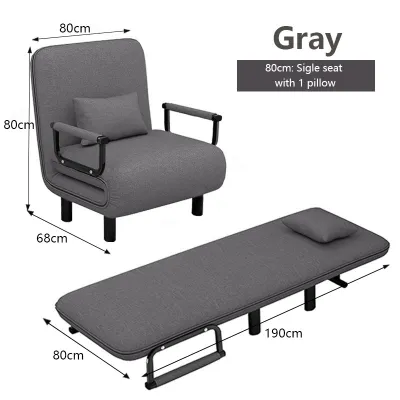
Prices are valid at publication and may change. Please refer to the product page for the latest price.
Another critical element of Japandi design is the deliberate use of negative space. In many local homes, there is a natural tendency to fill every corner with storage or decorative items. Japandi teaches us that empty space has its own functional value, allowing natural light to circulate freely and providing a visual rest point for the eyes. When selecting furniture, the goal is to choose pieces that avoid visual clutter, prioritize multi-functional comfort, and bring a quiet, grounded peace to the entire room.
Core Furniture Categories to Seek at the Kaisa Villa Official Store
When browsing the extensive catalog of the kaisa villa official store, it helps to narrow your focus to specific furniture categories that serve as the foundation of your living room. By understanding what design features to look for in each category, you can easily filter out mismatched styles and build a cohesive layout.

Sofas and Accent Seating
The sofa is the undisputed visual anchor of any living room, dictating both the layout and the overall energy of the space. For a genuine Japandi look, seek out low-profile silhouettes. Sofas that sit closer to the floor lower the room’s center of gravity, which immediately makes ceilings feel higher and the entire space feel more expansive—a highly effective trick for typical urban condominiums and townhomes.
Look for sofas that feature exposed, tapered wooden legs in a natural or light finish. This design element lifts the main body of the sofa slightly off the ground, allowing light and air to pass underneath, which prevents the furniture from looking like a heavy, solid block. For the upholstery, prioritize highly breathable woven fabrics. In the tropical climate of the Philippines, heavy velvet or thick synthetic leather can trap heat and moisture, leading to discomfort during warm afternoons. Instead, opt for linen-look polyester blends, which offer the textured, organic appearance of natural flax while providing the durability, stain resistance, and easy maintenance required for daily use.
Always check the product specifications for seat depth and cushion density. A seat depth of 55 to 60 centimeters is generally ideal for comfortable lounging without requiring excessive floor space, while high-density foam ensures the cushions retain their crisp, minimalist shape over time rather than sagging. Complete your seating arrangement with a carefully selected accent chair. Rather than matching the sofa exactly, choose a chair that introduces a new texture, such as a light wooden frame with a woven rattan seat or backrest. Rattan is a classic local material that fits seamlessly into the Japandi aesthetic, offering excellent breathability and a natural, organic touch that softens the clean lines of the main sofa.
Coffee Tables and Media Consoles
The central area of your living room should facilitate easy movement while maintaining visual simplicity. When selecting a coffee table, look for designs that celebrate raw or lightly treated wood finishes. Circular, oval, or soft triangular tabletops are highly effective in Japandi spaces because they break up the rigid, rectangular lines of the room and prevent accidental bumps in tight walkways. If you choose a nested coffee table set, ensure the pieces can be easily tucked away when extra floor space is needed for daily activities.
Media consoles are equally critical, serving as the primary storage hub to keep electronics, cables, and media accessories out of sight. To maintain a clutter-free environment, look for consoles that offer a mix of open shelving and closed compartments. Sliding doors featuring cane or rattan webbing are particularly suitable; they provide a textured, retro-modern look while allowing ventilation for warm electronic devices and keeping messy cables hidden.
Pay close attention to the hardware on these storage pieces. Authentic Japandi design eschews shiny, ornate, or highly polished metal handles. Instead, seek out consoles with integrated j-pull handles, push-to-open magnetic latches, or simple, low-profile matte black knobs. Finally, verify the height of your chosen coffee table relative to your sofa seat. To ensure comfortable use and balanced proportions, the tabletop should sit within 5 centimeters of your sofa cushion height, creating a continuous, low-slung horizontal plane across your living space.
Evaluating Materials and Finishes for Authentic Japandi Style
While product images on digital storefronts can look incredibly appealing, brand names and beautiful styling alone do not guarantee Japandi authenticity or long-term durability. To build a lasting living room, you must evaluate the materials and construction details of each piece before making a purchase.
- Wood Types and Treatments: Many budget-friendly furniture pieces utilize engineered wood bases, such as MDF or particle board, wrapped in a protective veneer. When browsing the official store, look for finishes described as "natural oak," "light ash," or "matte wood grain texture." These finishes should have a matte or satin appearance that mimics the tactile feel of real wood. Avoid high-gloss lacquers or thick, opaque white paints, which look clinical and lack the organic warmth essential to Japandi design. If a piece features solid wood, it is often rubberwood or pine. Rubberwood is highly stable and dense, making it an excellent choice for the humid conditions of the Philippines, as it is less prone to warping or cracking than softer woods when exposed to seasonal moisture shifts.
- Textiles and Weaves: Check the care labels and product descriptions for upholstery maintenance. In humid environments, dust and moisture can accumulate quickly, so look for upholstered items with removable, machine-washable cushion covers. If the covers are fixed, ensure the fabric is durable and easy to spot-clean with mild soap and water. For tropical regions, tightly woven synthetic-natural blends offer the best balance of breathability and durability, resisting mold and wear while remaining soft to the touch.
- Hardware and Joints: Inspect the assembly diagrams and customer reviews. High-quality flat-pack furniture should utilize robust steel cam-locks, wooden dowels for alignment, and metal-to-metal threads where possible. Avoid pieces that rely on thin screws driven directly into raw particle board without pre-drilled plastic inserts, as these joints are fragile and can easily fail if the furniture is moved or subjected to daily stress.
Before applying any wood oils, fabric protectors, or specialized cleaning agents to your new furniture, always check the manufacturer’s care instructions. If the instructions are unclear or conflict with general advice, test the cleaner on a small, hidden area first, or consult a professional to avoid damaging the finish.
Space Planning and Proportions for a Balanced Japandi Layout
A beautiful piece of furniture will fail to deliver a Japandi feel if it crowds your living room. Space planning is about finding the right scale and ensuring that your room remains breezy, open, and easy to navigate.
Begin by calculating your room’s negative space. As a general rule, 30% to 40% of your living room’s total floor area should remain completely free of furniture and decor. This open space allows air to circulate freely and prevents the room from feeling cramped. Next, establish clear walkways. Maintain a minimum of 60 to 90 centimeters of clearance along major traffic paths, such as the route from your entryway to your balcony or dining area. Around the coffee table, leave a gap of 35 to 45 centimeters from the edge of the sofa seat. This distance is wide enough for comfortable legroom and easy passage, yet close enough that you can easily reach down to place a drink or book on the table.
When planning your media wall, ensure your TV console is wider than the television itself. Ideally, the console should extend at least 10% to 20% beyond the width of the TV screen on both sides. A console that is narrower than the television creates an awkward, top-heavy visual balance that disrupts the grounded, stable feel of Japandi design.
Finally, perform an access check. Before finalizing any purchase from the kaisa villa official store, measure the narrowest points of entry in your home. This includes the height and width of your front door, the clearance of tight hallway corners, and the dimensions of your building’s elevator or stairwell. A large three-seater sofa or a long, pre-assembled sideboard can easily become trapped during delivery if these measurements are not verified in advance.
Navigating Your Purchase at the Kaisa Villa Official Store
Navigating the digital storefront requires a systematic approach to filter out irrelevant styles and secure the best pieces for your home. Start by using targeted search terms within the store’s search bar. Keywords such as “Nordic,” “minimalist,” “rattan,” “wood,” “beige,” and “natural” will quickly isolate the items that align with the Japandi aesthetic, saving you from scrolling through heavy industrial or highly ornate traditional designs.
Once you find a promising piece, do not rely solely on the styled lifestyle photos. Scroll down to the product description section to find the technical line drawings. These diagrams provide the exact dimensions of the furniture in millimeters or centimeters. Use a tape measure to physically map out these dimensions on your living room floor, using painter’s tape or newspapers to visualize how much space the piece will occupy. Additionally, check the maximum load capacity, typically listed in kilograms, to ensure the furniture can safely support your household’s daily use.
Finally, review the shipping, assembly, and warranty details. Many items are delivered flat-packed to minimize shipping costs, so check if the package includes all necessary assembly tools or if you will need to prepare your own screwdriver, hammer, or rubber mallet. Kaisa Villa offers highly budget-friendly options, with many stylish coffee tables and small consoles priced under ₱5,000, making it highly accessible to build a curated look without overspending. Always verify the store’s policy regarding transit damage and structural warranties, and make it a habit to film a continuous video while unboxing your delivery. This simple step provides clear evidence in the rare event of transit damage, ensuring a smooth and hassle-free return or replacement process.
Community discussion
Share your experience or ask a question. Comments are reviewed before publication.