
Finding a comfortable, durable mesh chair under ₱5,000 in the Philippines is entirely possible, but it requires a strategic approach. In a tropical climate where high humidity and warm temperatures are the norm, a breathable mesh chair is often the most practical choice for a home office or study space. However, the budget market is flooded with low-quality options that may look appealing online but fail to provide adequate support or break down within a few months. To make a smart purchase, you must look past flashy marketing terms and focus on core structural safety, material durability, and essential ergonomic support.
Setting Realistic Expectations for a Sub-₱5,000 Budget
When shopping with a budget of under ₱5,000, managing expectations is key to avoiding disappointment. At this price point, manufacturers must make trade-offs to keep production costs down. Understanding these compromises helps you identify which features are worth paying for and which ones you can do without.
Typically, a sub-₱5,000 mesh chair will feature a basic mesh backrest combined with a fabric-covered, high-density foam seat cushion. The frame and armrests are almost exclusively made of molded plastic, such as nylon or polypropylene. The armrests are usually fixed or offer simple flip-up functionality rather than multi-directional adjustments. The tilt mechanism is generally basic, allowing you to rock back slightly and lock the chair in an upright position, but lacking the advanced multi-angle locking found in premium models.
Products mentioned in this guide
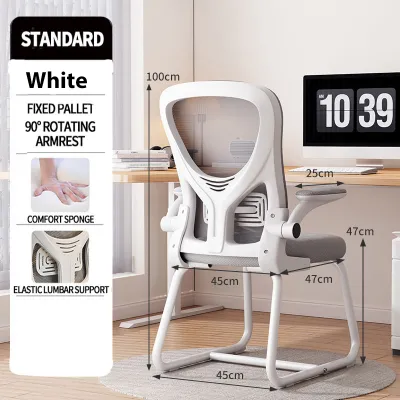
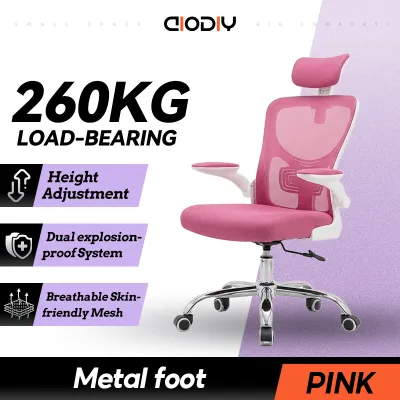
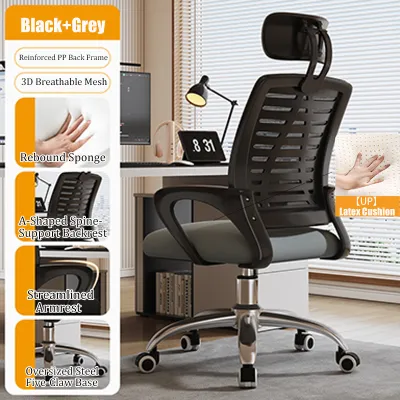
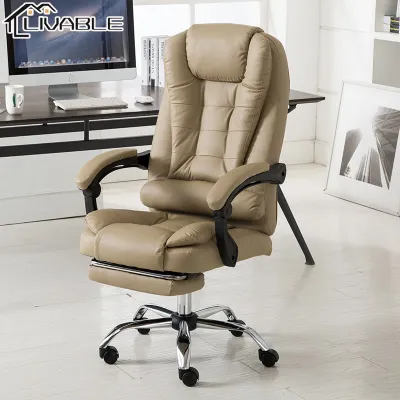
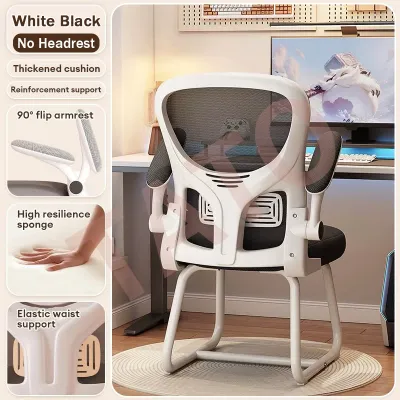
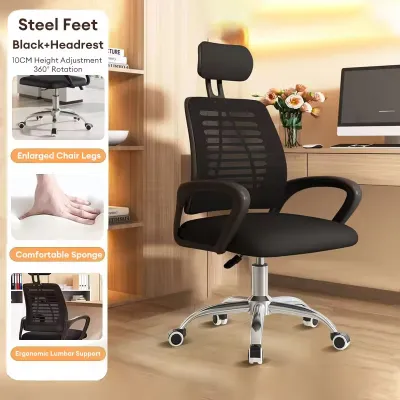
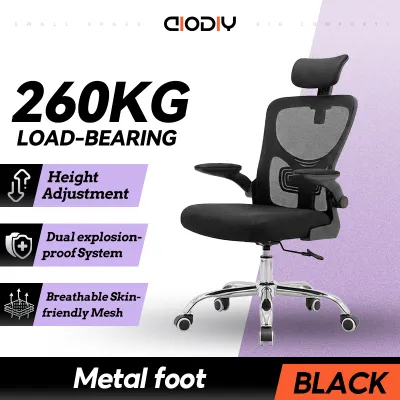
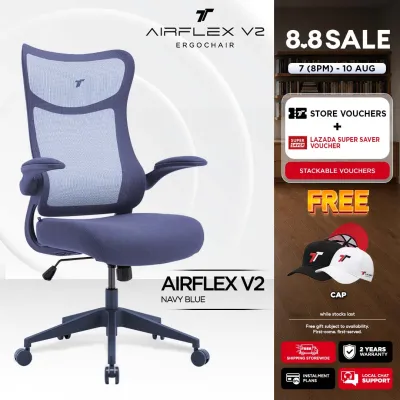
Prices are valid at publication and may change. Please refer to the product page for the latest price.
Advanced ergonomic features are generally absent in this price tier. You will not find highly adjustable, independent lumbar support systems that dynamically adapt to your movements. Seat depth sliders, which allow you to adjust the distance between the backrest and the front of the seat, are also non-existent under ₱5,000. Additionally, premium elastomeric mesh—the kind that suspends your entire body weight on both the back and the seat without any foam padding—is outside this budget. Budget mesh chairs almost always rely on a foam seat cushion, which is highly comfortable if made with quality, high-density foam.
Therefore, your core decision logic should prioritize structural safety, weight capacity, and reliable basic postural support over advanced adjustability or premium aesthetics. A simple, well-built chair with a sturdy frame and a certified gas lift is a far better investment than a cheap model attempting to offer complex, poorly executed features that are prone to breaking.
Critical Specifications to Verify Before Checkout
To ensure your budget mesh chair is safe and built to last, you must carefully scrutinize the technical specifications before making a purchase. Relying solely on product images can be misleading, as low-quality components often look identical to premium ones online.

Gas Lift Cylinder Safety
The gas lift cylinder is the most critical safety component of any office chair. It is responsible for height adjustment and bears your full weight. Inexpensive, uncertified gas lifts can fail catastrophically. Always verify that the chair uses a Class 3 or Class 4 gas lift cylinder that has been tested and certified by independent organizations such as SGS, BIFMA, or TÜV. These certifications ensure the cylinder has undergone rigorous pressure and durability testing. Look for these safety marks stamped directly on the cylinder or explicitly stated in the manufacturer’s specifications.
Mesh Quality and Frame Tension
The quality of the mesh backrest determines both comfort and longevity. In cheap chairs, low-grade mesh can quickly lose its tension, leading to sagging that forces your back against the hard plastic frame. Look for descriptions specifying high-density, double-woven, or tear-resistant mesh. If possible, check customer-uploaded photos in reviews to see if the mesh appears taut and free of wrinkles. The frame supporting the mesh should be thick and rigid; thin, flexible plastic frames can warp under pressure, compromising your spinal alignment.
Base and Casters
The chair’s base provides stability and prevents tipping. At this price point, you will encounter either reinforced nylon (heavy-duty plastic) bases or chrome-plated steel bases. While metal might sound superior, cheap steel bases are prone to rusting in the humid Philippine climate, especially if you live near coastal areas or use the chair in a non-airconditioned room. A high-quality, reinforced nylon base is often a more durable and rust-free alternative. For the casters, ensure they are suitable for your flooring. Standard nylon casters work well on thin carpets but can scratch hardwood or laminate floors. If you have hard floors, look for polyurethane (PU) coated casters, which offer smoother, quieter rolling and protect your floor’s finish.
Weight Capacity and Dimensions
Always verify the manufacturer’s stated weight capacity and compare it to your body weight. Most budget chairs are rated for 90 kg to 120 kg. It is wise to choose a chair with a weight capacity that provides a comfortable margin above your actual weight to handle dynamic loads, such as when you sit down quickly. Additionally, check the finished dimensions of the chair. Ensure the seat width and depth are compatible with your body type. A seat that is too deep will press against the back of your knees, restricting blood circulation, while a seat that is too narrow will restrict your movement and cause discomfort during long working sessions. Also, measure your desk height and doorway or lift access to ensure the chair can easily fit into your workspace.
Where to Shop and How to Manage Hidden Costs
Navigating the purchasing process for a budget mesh chair requires balancing convenience against the risk of buying sight unseen. Understanding where to shop and how to account for extra expenses is essential to keeping your total expenditure under ₱5,000.
Online Marketplaces vs. Local Showrooms
Buying from large online marketplaces offers convenience and a wide variety of choices, but you cannot test the chair’s comfort before buying. If you prefer to touch and feel the materials, visiting a local furniture showroom or a brand’s official brick-and-mortar store in major urban centers is highly recommended. This allows you to sit in the chair, test the firmness of the seat cushion, and check the stability of the frame. If you decide to buy online, stick to official brand stores or authorized local distributors to minimize the risk of receiving counterfeit or low-quality products.
Evaluating Verified Reviews
When shopping on e-commerce platforms, do not rely solely on the overall star rating, which can be inflated by incentivized reviews. Instead, filter the reviews to show those with photos, videos, and detailed text. Look for feedback from buyers who have used the chair for several weeks or months. These reviews are invaluable for identifying long-term issues such as squeaking joints, flattening seat foam, or mesh that loses tension. Pay attention to comments regarding assembly difficulty, as some budget chairs come with poorly written instructions or misaligned screw holes.
Accounting for Hidden Costs
A chair priced at ₱4,500 can easily push you over your ₱5,000 budget once hidden costs are factored in. Shipping fees for bulky furniture items can be substantial, particularly if you live outside Metro Manila or in provincial areas. Always check the shipping rate before checking out. Additionally, some logistics providers charge extra for floor-level delivery if you live in a multi-story building without elevator access. Finally, verify if the chair comes flat-packed and whether all necessary assembly tools and hardware are included. If you are not comfortable assembling the chair yourself, you may need to factor in the cost of hiring a local handyman or paying for the seller’s assembly service.
Red Flags and Quality Traps to Avoid
The budget office chair market is filled with misleading marketing and poorly constructed products. Being aware of common quality traps will help you avoid spending your hard-earned money on a chair that fails prematurely or causes physical discomfort.
Fake Ergonomic Claims
The word “ergonomic” is frequently used as a generic buzzword by online sellers. A truly ergonomic chair must have a backrest that supports the natural S-curve of your spine. Beware of chairs that feature completely flat backrests with a cheap, non-adjustable plastic lumbar strap strapped across the back. These designs do not provide proper lumbar support and can actually worsen back pain over time. Look for chairs with a contoured backrest frame that naturally curves inward at the lower back.
Suspiciously Low Prices and Vague Listings
If you encounter a mesh chair priced significantly below the market average—such as under ₱1,500—exercise extreme caution. To achieve such low prices, manufacturers must cut corners on critical components. This often means using uncertified, low-grade gas cylinders that pose safety risks, or thin, recycled foam cushions that flatten permanently after just a few weeks of use. Avoid listings that lack detailed specifications, hide exact dimensions, or use generic, computer-generated product images instead of real photos.
Warranty and Return Limitations
A key indicator of a manufacturer’s confidence in their product is the warranty they offer. Even for a budget chair, you should look for a warranty of at least 6 months to 1 year covering essential components like the gas lift mechanism, the base, and the tilt mechanism. Avoid sellers who offer no warranty or limit returns to immediate shipping damage. Read the return policy carefully; returning a heavy, bulky item like an office chair can be incredibly difficult and expensive if the seller requires you to cover the return shipping fees yourself.
Practical Maintenance to Extend Chair Lifespan
Once you have purchased a quality budget mesh chair, performing regular, low-risk maintenance will help maximize its lifespan and keep it comfortable for years to come. Because budget materials are more susceptible to wear and tear, a little preventive care goes a long way.
Routine Cleaning
In the humid climate of the Philippines, dust, sweat, and dead skin cells can easily accumulate in the mesh weave, leading to fabric degradation and unpleasant odors. To prevent this, use a vacuum cleaner with a soft brush attachment to gently remove dust from the backrest once a week. For minor spills or stains on the fabric seat, blot the area immediately with a clean, slightly damp microfiber cloth. Avoid using harsh chemical detergents or abrasive brushes, as these can weaken the synthetic fibers of the mesh and cause premature tearing.
Tightening Screws and Bolts
The physical movements of sitting, reclining, and rolling will naturally cause the chair’s screws and bolts to loosen over time. This leads to annoying squeaks and structural instability, which puts uneven stress on the plastic frame. Keep the assembly hex key that came with your chair in a safe place, and take five minutes every three to six months to check and tighten all the bolts, particularly those securing the seat plate, armrests, and backrest frame.
Proper Usage Habits
To prevent premature sagging of the mesh and seat foam, practice good sitting habits. Avoid sitting on the armrests or dropping your full weight heavily into the chair, as this sudden impact can damage the gas lift cylinder and stress the frame joints. Distribute your weight evenly across the seat cushion rather than sitting on the very edge, which can warp the front of the seat frame and cause uneven wear on the foam.
Frequently Asked Questions (FAQ)
Is a mesh chair better than a leather chair for a tropical climate?
Yes, mesh chairs are highly superior to leather or synthetic PU leather chairs in tropical climates like the Philippines. The open weave of a mesh backrest allows air to circulate freely, keeping your back cool and preventing the buildup of sweat and body heat during long working hours. Leather and PU leather chairs tend to trap heat and moisture, which not only causes discomfort but also accelerates the peeling and cracking of the material due to humidity and perspiration.
Can I upgrade the armrests or casters on a budget mesh chair later?
You can easily upgrade the casters on most budget mesh chairs, as they typically use standard 11mm x 22mm grip stem casters. Swapping standard nylon wheels for soft polyurethane (PU) or rollerblade-style wheels is a simple, cost-effective upgrade that protects your floors and ensures quieter rolling. However, upgrading the armrests is usually not possible. On budget chairs, the armrests are typically proprietary and designed to bolt directly into specific slots on the seat pan or backrest frame, meaning aftermarket armrests will not fit.
What should I do if the mesh starts to sag after a few months?
If your mesh backrest begins to sag, your first step should be to check if the issue is covered under the manufacturer’s or seller’s warranty. If the chair is out of warranty, attempting to repair or tighten the mesh yourself—such as by using a heat gun—is not recommended, as heat can easily melt or weaken the synthetic fibers, creating a safety hazard. Because professional mesh reupholstery is rarely cost-effective for budget chairs, the most practical and safest solution is to replace the chair once the sagging begins to compromise your spinal support.
Community discussion
Share your experience or ask a question. Comments are reviewed before publication.