
Finding a reliable AB metal repair putty under ₱200 is entirely possible for routine home maintenance, but a strict budget requires careful evaluation of package sizes, curing properties, and material compatibility. Rather than chasing the largest volume, the key to a successful Ber Months Home Refresh is matching the putty’s specific specifications to your exact repair task and verifying product freshness before checkout. This guide outlines how to assess your options, avoid common quality traps, and apply the product correctly to ensure your fixes last.
When minor household emergencies strike—such as a dripping non-pressurized pipe, a loose metal gate latch, or a stripped screw hole in a steel shelf—having a dependable adhesive on hand is invaluable. In the Philippines, where tropical humidity and salt air can accelerate the rusting of metal fixtures, keeping a budget-friendly repair solution in your toolbox is a practical necessity. Fortunately, you do not need to spend a fortune to achieve professional-grade results. By understanding the technical limits of budget-friendly epoxies and focusing on proper application techniques, you can execute durable repairs that keep your home looking polished and functioning safely throughout the festive season.
Understanding What AB Metal Repair Putty Can and Cannot Fix
AB metal repair putty is a two-part epoxy system consisting of a resin (Component A) and a hardener (Component B). When mixed in equal proportions, a chemical reaction occurs that transforms the pliable putty into a dense, rock-hard compound that can be sanded, drilled, and painted. However, while this material is incredibly versatile, it is not a universal cure-all. Understanding its physical boundaries is the first step to ensuring your repair does not fail prematurely, saving you both time and your ₱200 budget.
Products mentioned in this guide
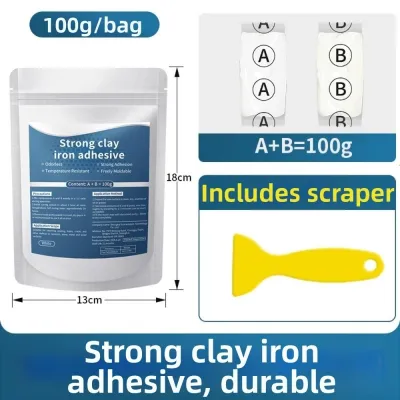
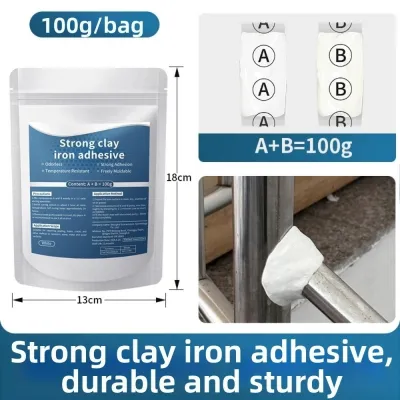
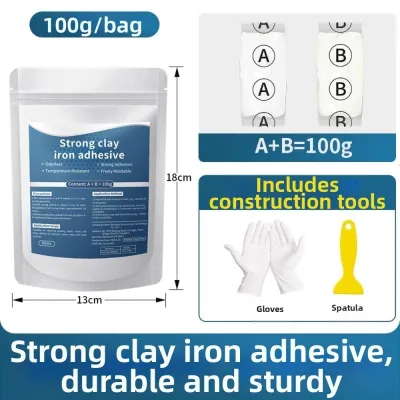
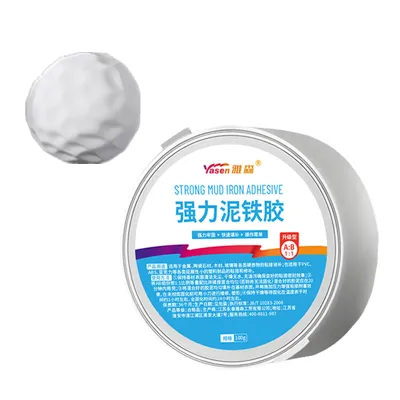
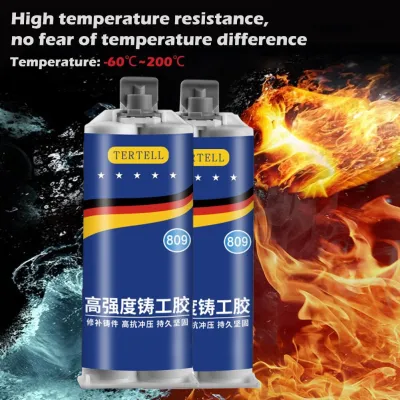
Prices are valid at publication and may change. Please refer to the product page for the latest price.
Ideal use cases for budget-friendly AB putty include filling small pits or holes in metal surfaces, sealing minor leaks in low-pressure or non-pressurized pipes, and reinforcing loose, non-load-bearing hardware. For instance, if a metal cabinet hinge has stripped its screw hole, filling the cavity with putty and re-drilling it is an excellent, cost-effective fix. It is also highly effective for cosmetic repairs, such as smoothing out dents or deep scratches on metal gates, window grills, and patio furniture before applying a fresh coat of paint for the holidays.
Conversely, there are strict limitations where AB metal repair putty should never be applied. You must avoid using it on load-bearing structural joints, such as structural beams, vehicle suspension components, or heavy-duty gate hinges that bear the full weight of a swinging door. The cured putty, while hard, lacks the tensile strength of welded metal and can snap under heavy shear stress. Additionally, standard budget putties are not formulated for high-heat environments like engine exhaust manifolds or stove burners, nor should they be used on highly flexible materials that bend constantly, as the rigid epoxy will simply crack and delaminate.
Integrating these repairs into your Ber Months Home Refresh allows you to prioritize quick, visible cosmetic fixes and minor hardware tightening before holiday gatherings arrive. Focus your efforts on securing loose metal railings, patching decorative ironwork, and sealing minor non-potable water line leaks. By deferring major structural or high-pressure plumbing repairs to professional services, you protect your home and ensure your DIY budget is spent where it can deliver the safest, most reliable results.
Key Specifications to Check Within a ₱200 Budget
When shopping with a strict ₱200 limit, you will find a surprising variety of options on hardware shelves and online marketplaces. However, making a smart purchase requires looking past flashy packaging and examining the technical specifications printed on the back. The first factor to evaluate is the package size versus the net weight. Budget-friendly options typically range from 15-gram twin tubes to 50-gram clay-like sticks. Before buying, estimate the volume of your repair area; purchasing a high-quality, smaller tube that perfectly fits a single small job is far better than buying a massive, low-quality tub that may dry out before you can use it again.

Curing time is another critical specification that involves practical trade-offs. Fast-setting variants, often labeled as “rapid” or “5-minute” epoxies, begin to harden almost immediately after mixing. While this is incredibly convenient for quick fixes where you cannot hold a part in place for hours, it leaves a very narrow working window. If you are new to DIY repairs, a standard or slow-setting variant—which remains workable for 30 to 60 minutes and cures fully over 12 to 24 hours—is often a safer choice. This slower window gives you ample time to mix, apply, and meticulously shape the putty without the stress of the material hardening mid-process. Keep in mind that the tropical heat and high humidity of the Philippines can accelerate these curing times, making fast-setting options cure even quicker than stated on the label.
Finally, consider the value of included accessories within the kit. Some manufacturers package their AB putty with small plastic spatulas, mixing sticks, sandpaper, or even disposable protective gloves. When you are working within a tight ₱200 budget, these small additions add significant practical value, as they spare you from having to purchase mixing tools or safety gear separately. Always compare the total package contents of competing products in the same price bracket to maximize your purchasing power.
Evaluating Quality and Safety Before Checkout
Whether you are browsing the aisles of a local neighborhood hardware store or scrolling through an online marketplace, verifying product quality before checkout is essential to avoid buying a useless, dried-out product. The most critical detail to check is the shelf life and expiration date. Epoxy resins and hardeners degrade over time, especially when stored in warm, humid environments. If the packaging lacks a clear manufacturing or expiration date, or if the product has been sitting on a shelf for several years, the components may fail to react chemically, leaving you with a sticky, uncured mess that will not harden.
Packaging integrity is equally vital. For twin-tube liquid or paste formulations, inspect the caps and seals to ensure there has been no leakage or exposure to air. For clay-like putty sticks, where the two components are co-extruded in a single roll, feel the package gently if possible; the putty should feel pliable, not rock-hard or crumbly. If you are purchasing from an online vendor, read customer reviews specifically looking for complaints about dried-out stock, damaged packaging, or items that arrived with broken seals.
Additionally, always read the manufacturer’s instructions on the label to confirm compatibility with your specific metal alloy. While many putties are marketed as “universal metal” repair compounds, some formulations are optimized specifically for steel, iron, or copper, and may require specific surface conditions to bond effectively. Lastly, protect your purchase by checking the seller’s return and refund policies. Ensure that if the product arrives defective, dried out, or incorrectly described, you can easily secure a replacement or refund without incurring extra costs that push you over your ₱200 budget.
Step-by-Step Application for Successful Home Repairs
To ensure your budget-friendly repair lasts for years, you must follow a disciplined application process. The most common cause of epoxy failure is poor surface preparation, not the quality of the adhesive itself. Begin by thoroughly cleaning the target area to remove all traces of rust, loose paint, dirt, grease, and oil. Use a wire brush or medium-grit sandpaper to scuff the metal surface; this creates microscopic scratches that provide mechanical adhesion, allowing the putty to grip the metal securely. Wipe the area clean with a dry cloth or a fast-evaporating solvent to ensure no dust remains.
Next, pay close attention to your mixing technique. For twin-tube systems, squeeze out strictly equal parts of Component A and Component B onto a clean, disposable surface. For putty sticks, cut a clean slice across the roll to ensure you get a perfectly proportional cross-section of both the inner and outer layers. Knead the mixture thoroughly using gloved hands or a mixing tool. You must continue blending until the two distinct colors merge into a single, completely uniform shade with no visible streaks or marbling. Incomplete mixing will result in soft spots that never fully cure.
Once mixed, apply the putty firmly into the defect, pressing it hard into cracks or holes to eliminate air pockets. Smooth the surface and edges using a spatula or a gloved finger dampened with a tiny amount of water to prevent sticking. If gravity or vertical angles threaten to sag the wet putty before it sets, use temporary painter’s tape or a simple clamp to secure the repair in place during the initial curing phase.
Finally, respect the post-cure finishing guidelines provided by the manufacturer. Do not attempt to sand, drill, tap, or paint the repaired area until the full cure time has elapsed. Even if the putty feels hard to the touch within an hour, the chemical cross-linking process continues internally for up to 24 hours. Allowing the product to cure completely ensures it achieves its maximum rated strength, providing a seamless, durable finish that is ready to be sanded smooth and painted to match your home’s decor.
Frequently Asked Questions (FAQ)
Can I use AB metal repair putty on plastic or wood surfaces?
While many AB metal repair putties are formulated with versatile epoxy resins that can bond to non-metal substrates, their performance on plastic or wood varies significantly. Smooth plastics, particularly polyethylene and polypropylene, are notoriously difficult for epoxies to grip without specialized primers. Wood, being porous and prone to expanding and contracting with humidity, can cause rigid metal putties to crack or detach over time. Always read the manufacturer’s compatibility list on the packaging to verify if the product is rated for multi-material use before applying it to non-metal surfaces.
How long should I wait before painting over the cured putty?
You should always consult the specific product’s technical instructions for the exact full-cure time, which is distinct from the initial setting time. While a fast-setting putty may feel solid within minutes, it typically requires a full 24 hours to cure completely and reach its maximum chemical resistance. Attempting to paint over partially cured putty can trap escaping gasses, leading to paint blistering, peeling, or failing to adhere. Ensure the surface is completely hard, sanded smooth, and wiped free of all sanding dust before applying a compatible primer and paint.
What should I do if the putty feels too hard or too sticky during mixing?
If a clay-like putty stick feels slightly stiff or hard to knead, you can gently warm it by holding the sealed package in your hands or placing it in a bowl of warm water for a few minutes before mixing; this softens the resin and makes blending easier. If the putty is excessively sticky and clings to your gloves or tools, lightly dampening your tools with water can act as a temporary release agent. However, if the putty remains dry, crumbly, or refuses to blend into a uniform color after several minutes of kneading, the product is likely expired or has suffered heat damage during storage and should be discarded.
Community discussion
Share your experience or ask a question. Comments are reviewed before publication.