
Finding a green ergonomic chair in the Philippines that balances comfort, aesthetics, and budget requires a clear understanding of what your money actually buys. Between ₱3,000 and ₱15,000, the market ranges from basic entry-level office seating to highly adjustable mid-tier chairs. A green ergonomic chair can serve as a refreshing focal point in a home office, but its primary job is to support your body through long hours of sitting in a tropical climate. To make a smart investment, you must prioritize mechanical adjustability and structural stability over purely aesthetic appeal.
Selecting the right chair involves evaluating physical dimensions, material breathability, and mechanical certifications. Because a chair directly impacts your spinal health, understanding how to verify these specifications online or in-store is crucial. By focusing on essential ergonomic features rather than marketing buzzwords, you can secure a chair that keeps you comfortable and productive for years to come.
Setting Your Budget Priorities for an Ergonomic Chair
The ₱3,000 to ₱15,000 price range represents a broad spectrum of build quality and adjustability in the Philippine market. In the lower half of this budget (₱3,000 to ₱7,000), chairs typically feature entry-level plastics, basic mesh backrests, fixed or simple height-adjustable armrests, and single-point tilt mechanisms. These models are suitable for light daily use but may lack the durability and fine-tuning required for full-time remote work or long study sessions.
Products mentioned in this guide
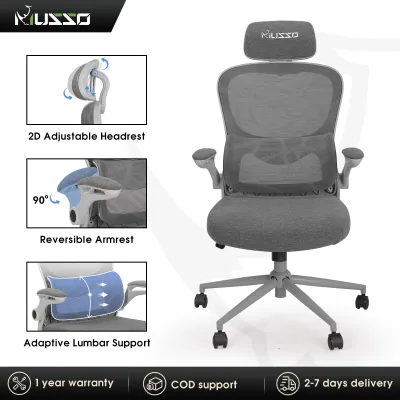
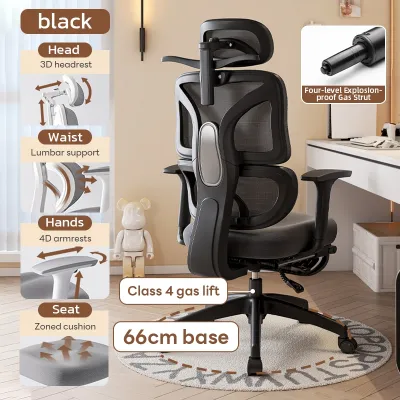
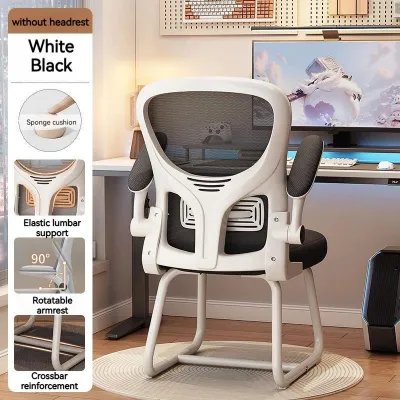
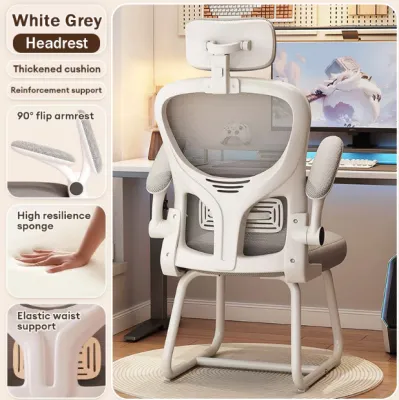
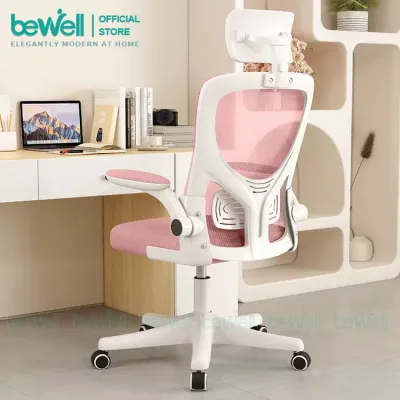
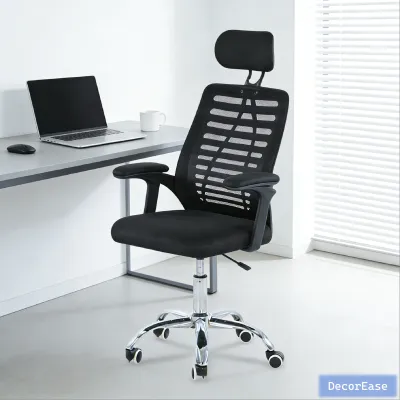
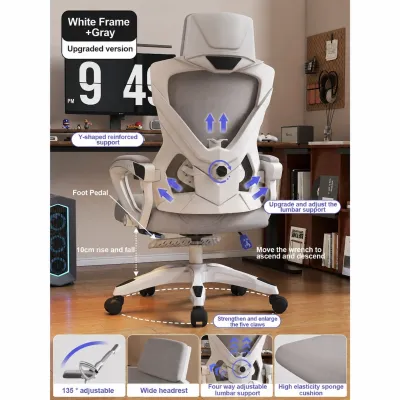
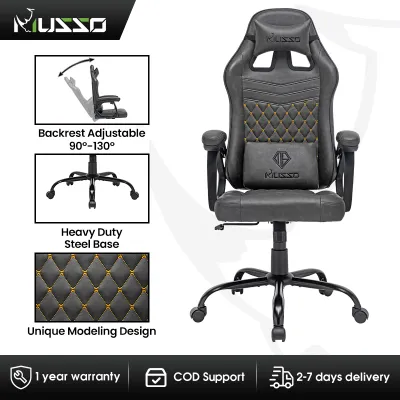
Prices are valid at publication and may change. Please refer to the product page for the latest price.
Moving into the ₱7,000 to ₱15,000 range introduces mid-tier options with significantly better materials and mechanical components. In this tier, you can expect reinforced nylon or aluminum bases, molded foam seats that retain their shape over time, and advanced adjustment mechanisms like synchro-tilt. The overall structural integrity is noticeably higher, offering better stability and a longer lifespan under daily use.
When allocating your budget, you must establish a strict priority framework that favors physical support over cosmetic features. A green ergonomic chair should first and foremost fit your body. If a chair offers a vibrant green aesthetic but lacks lumbar adjustment or seat depth customization, it will likely cause discomfort over time. Prioritize a robust gas lift, adjustable lumbar support, and high-density seat padding before paying extra for premium green upholstery fabrics or specialized color finishes on the frame.
Choosing a model with a neutral frame (such as black or grey) paired with a green mesh backrest is often the most cost-effective approach. Fully customized green frames or specialized pastel plastics tend to carry a price premium that eats into the budget for mechanical components. By focusing your funds on the adjustment mechanisms, you ensure that your investment actively protects your posture and physical well-being.
Key Ergonomic Features to Verify Before Buying
To avoid falling for generic “ergonomic” labels, you must inspect the specific mechanical adjustments a chair offers. The most critical component for long-term spinal health is the lumbar support system. Before buying, verify whether the lumbar pad is fixed, height-adjustable, or depth-adjustable, as a fixed pad that sits too high or too low can worsen back strain.

Lumbar Support Alignment
- Adjustable Lumbar Pads: Look for systems that allow at least 5 to 8 centimeters of vertical travel to target your lower back accurately.
- Dynamic Lumbar Support: Some mid-tier chairs feature split-back designs that automatically flex and adapt to your movements, which is highly beneficial if you shift positions frequently.
- Fixed Lumbar Curves: If the lumbar support is integrated into the frame without adjustments, compare the curve's height against your torso length to ensure a proper physical fit.
Mechanical Adjustability and Tilt
- Seat Height Range: Ensure the gas lift allows your feet to rest flat on the floor with your knees at a 90-degree angle; a standard 10-centimeter travel range is usually sufficient for most users.
- Tilt and Recline: Basic chairs offer a simple tilt lock that keeps the back upright, while mid-tier models feature synchro-tilt, where the backrest reclines at a 2:1 ratio to the seat pan, keeping your feet flat while you stretch.
- Armrest Adjustments: Fixed armrests can prevent you from pulling your chair close to your desk. Look for at least 2D (height and depth) or 3D (height, depth, and angle) armrests to support your forearms comfortably during typing.
Seat Pan Dimensions
- Seat Width: Measure your hip width while seated and compare it to the chair's specifications, ensuring there is comfortable clearance on either side without pressing against the armrest mounts.
- Seat Depth: A proper seat pan should support your thighs without pressing against the back of your knees. Look for a seat depth that leaves a two-to-three-finger gap between the seat edge and your calves to maintain healthy circulation.
Evaluating Materials and Upholstery for Green Chairs
The materials used in your chair directly affect its durability, ease of maintenance, and comfort in the warm, humid climate of the Philippines. Green fabrics and meshes come in various shades—ranging from bright lime to subtle sage or deep forest green—and each requires specific care to maintain its appearance.
Lighter green shades, such as mint or olive, are highly susceptible to visible sweat stains, dust, and discoloration over time. Before purchasing, check the manufacturer’s care instructions to see if the fabric is treated with stain-resistant coatings or if the seat cover is removable for washing. For darker forest green shades, verify colorfastness ratings if available, as friction and sunlight from nearby windows can cause uneven fading.
In tropical environments, the choice between a full-mesh chair and a cushioned fabric seat is a major comfort factor. A full-mesh backrest allows continuous airflow, preventing heat buildup against your back during long afternoons. However, you must evaluate the mesh’s weave density and tension; low-quality mesh can sag within a few months, causing your back to press directly against the hard plastic frame support.
For the seat pan, high-density molded foam covered in breathable fabric often provides better long-term support than cheap mesh. Molded foam distributes body weight evenly and retains its shape for years, whereas cut foam or low-grade sponge seats flatten quickly, leading to tailbone pain. If you opt for a mesh seat, ensure the front edge features a waterfall design with a soft foam insert to relieve pressure on your thighs.
Finally, examine the structural materials of the frame and base. At the ₱3,000 to ₱15,000 price point, bases are typically made of reinforced nylon or steel. A heavy-duty nylon base is highly durable and resistant to the humidity that can cause rust on cheap metal bases. Ensure the casters are appropriate for your flooring: soft polyurethane (PU) or rubber casters are ideal for protecting hardwood or tile floors, while hard nylon casters are better suited for carpets.
Hidden Costs and Pre-Purchase Checks
When buying a green ergonomic chair online or from local retailers, the sticker price is rarely the final cost of ownership. Shipping bulky furniture within the Philippines can add a significant premium, especially if you live outside major metropolitan areas. Always input your delivery address to check shipping fees and verify if the seller offers professional assembly services or if you will need to assemble the chair yourself using supplied tools.
Warranty coverage is a reliable indicator of a manufacturer’s confidence in their product’s durability. In the ₱3,000 to ₱15,000 range, look for a warranty that covers the gas lift cylinder, tilt mechanism, and caster wheels for at least one to three years. Be sure to read the return policy carefully; returning a bulky chair because the green shade does not match your room’s lighting or because the seat is too narrow can incur high return shipping fees.
Safety should never be compromised for style. The gas lift cylinder is the most critical safety component of any office chair. Ensure the chair uses a Class 3 or Class 4 gas lift certified by internationally recognized testing bodies such as SGS or BIFMA. Additionally, cross-reference the manufacturer’s stated maximum weight capacity with your own requirements, keeping in mind that operating near the absolute limit can accelerate mechanical wear and potentially void the warranty.
When to Compromise and When to Wait
If your budget is closer to the ₱3,000 limit, you will need to make strategic compromises to ensure you still get a safe and supportive chair. You can safely compromise on highly adjustable armrests, choosing fixed or simple flip-up arms instead. You can also opt for a basic upright tilt lock rather than a multi-angle synchro-tilt mechanism, as these compromises do not directly degrade the primary lumbar support.
However, there are several red flags that should prompt you to walk away from a purchase immediately. Avoid chairs that do not clearly state their maximum weight capacity or fail to provide physical dimensions for the seat and backrest. Extremely thin seat padding, vague or non-existent warranty terms, and uncertified gas lifts are clear indicators of low-quality manufacturing that could lead to premature failure or safety hazards.
If the only chairs within your current budget lack essential ergonomic adjustments—such as basic seat height range or a functional lumbar support system—it is highly recommended to wait and save. Spending ₱3,000 on a poorly designed chair that causes back pain or breaks within six months is far more costly than waiting until you can invest ₱8,000 in a certified, adjustable model. Taking the time to save ensures you secure a green ergonomic chair that truly supports your health and enhances your workspace for years to come.
Community discussion
Share your experience or ask a question. Comments are reviewed before publication.