
Finding efficient storage solutions is a constant challenge in many Philippine households, where urban living spaces and condominiums often feature compact wardrobe closets. Footwear collections can quickly clutter the bedroom floor, creating visual chaos and making it difficult to find the right pair during busy mornings. A hanging shoe space saver offers an elegant, vertical solution that utilizes underused hanging rod space, keeping your shoes organized, visible, and off the floor.
Implementing a vertical organizer not only streamlines your daily routine but also helps preserve the condition of your shoes. In a tropical climate characterized by high humidity, leaving shoes piled on top of one another can trap moisture, leading to premature wear, scuffs, and unpleasant odors. By elevating your footwear into dedicated compartments, you encourage better airflow and maintain the structural integrity of each pair.
Before purchasing any hanging organizer from an online marketplace, it is essential to understand how these systems integrate with your existing wardrobe setup. Selecting the right model requires balancing material durability, physical dimensions, and weight capacities against your specific collection. This guide provides a practical framework to evaluate your options and choose a reliable hanging shoe organizer that fits your lifestyle and home environment.
Products mentioned in this guide
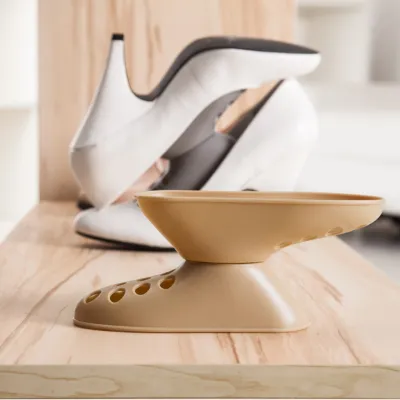
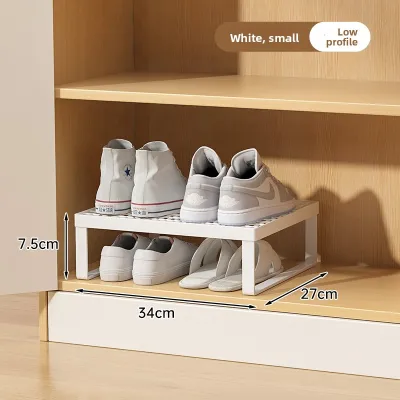
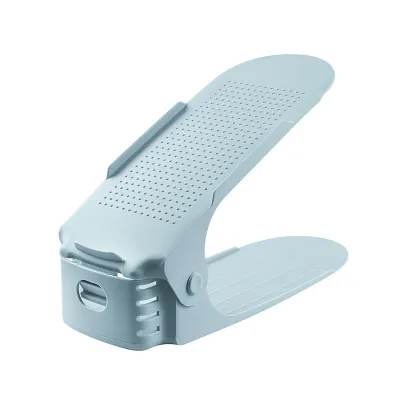
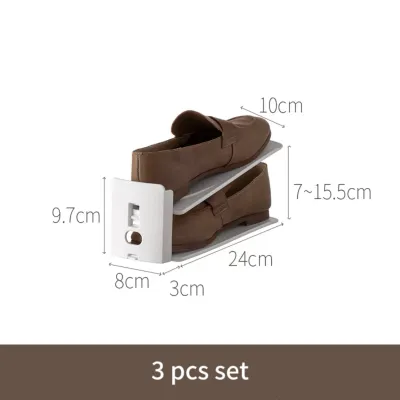
Prices are valid at publication and may change. Please refer to the product page for the latest price.
Key Criteria for Choosing a Hanging Shoe Organizer
Selecting a hanging shoe space saver involves more than simply picking a model with the right number of slots. The first step is to measure the vertical clearance of your wardrobe closet. You must determine the distance from the top of your closet rod to the floor or the top of any low-lying drawers or storage bins. A hanging organizer that is too long will drag on the floor, causing the bottom compartments to sag, collect dust, and become difficult to access.
If your closet features built-in lower drawers, a hanging organizer that hangs too low can obstruct their opening mechanism. This creates a daily inconvenience, forcing you to push the organizer aside whenever you need to reach your clothes. To avoid this, look for organizers with adjustable hanging straps or select a shorter model with fewer tiers that leaves ample clearance underneath.
Next, evaluate the dimensions of the individual pockets or shelves against the specific types of footwear you plan to store. Standard flat sandals, slippers, and thin canvas shoes require very little vertical space and can often share a single compartment. Conversely, bulky athletic sneakers, high heels, and ankle boots demand taller, wider pockets to prevent them from being crushed or deformed.
Structural reinforcement is another critical factor that determines the lifespan of your organizer. Look for models that feature rigid inserts, such as thick cardboard, plastic panels, or fiberboard, sewn into the base of each shelf. Without these reinforcements, the weight of your shoes will cause the shelves to bow downward in the center, pulling the side walls inward and reducing the usable space of the compartments below.
Finally, examine the hanging mechanism at the top of the unit. The weight of multiple pairs of shoes puts significant stress on the connection point between the organizer and the closet rod. Heavy-duty metal hooks or wide, reinforced hook-and-loop wraps are preferable to thin plastic hangers, as they distribute the weight more evenly and are less likely to bend or snap under a full load.
Fabric vs. Mesh: Comparing Material Options
The choice of material for your hanging shoe space saver directly impacts its durability, maintenance, and suitability for the local climate. In the Philippines, high relative humidity levels can create a breeding ground for mold and mildew, particularly in dark, enclosed closets. Consequently, ventilation should be a primary consideration when comparing fabric and mesh options.

Mesh hanging organizers offer excellent breathability, allowing air to circulate freely around your footwear. This constant airflow helps dry out any residual moisture from sweat or rain, reducing the risk of mold growth and keeping your shoes smelling fresher. Additionally, the transparent nature of mesh makes it incredibly easy to identify your shoes at a glance, saving you time when searching for a specific pair.
However, mesh is generally more delicate than solid fabrics and may be prone to snagging or tearing if you frequently store shoes with sharp buckles, studs, or rough soles. If you choose a mesh organizer, look for models constructed from heavy-duty nylon or polyester mesh with reinforced seams to ensure long-term durability.
Non-woven fabric and canvas organizers provide excellent dust protection, shielding your shoes from settling debris and light exposure. Canvas, in particular, is highly durable and offers a clean, structured aesthetic that complements modern closet interiors. The opaque walls of fabric organizers also create a tidier appearance by concealing mismatched or worn-out shoes from direct view.
The trade-off with solid fabric is reduced ventilation, which can trap humid air inside the compartments if shoes are put away damp. To mitigate this, ensure your shoes are completely dry before storing them in a fabric organizer, or look for hybrid models that feature fabric shelves with mesh side panels. Cleaning fabric organizers typically involves spot cleaning with a damp cloth, as machine washing can damage the internal structural boards.
Sizing, Pocket Count, and Weight Limits
Before finalizing your purchase, you must reconcile the physical limits of your wardrobe closet with the storage capacity of the organizer. Begin by measuring the horizontal width of your closet rod. A wide hanging organizer will consume valuable rod space that could otherwise be used for hanging garments like shirts, dresses, and jackets.
If you have a compact closet, a narrow organizer with a single column of pockets is often the most efficient choice, as it minimizes the horizontal footprint while maximizing vertical storage. For larger walk-in closets or dedicated wardrobe armoires, wider multi-column units can accommodate a larger collection without cluttering the space.
Depth is another crucial dimension to verify. Standard wardrobe closets typically have a depth of 50 to 60 centimeters. Ensure the depth of the hanging shoe organizer is slightly less than your closet’s interior depth so that sliding doors or hinged panels can close completely without pressing against the unit or crushing your shoes.
While it may be tempting to choose an organizer with the maximum number of pockets, you must consider the weight limits specified by the manufacturer. Overloading a hanging organizer can strain your closet rod, potentially causing the rod itself to bend or pull away from the wall brackets. This is especially important if your closet utilizes tension rods or lightweight wire shelving systems.
To ensure safe operation, calculate the approximate weight of your shoe collection. Lightweight sandals and slippers weigh very little, whereas heavy leather dress shoes and thick-soled sneakers can add up quickly. Look for organizers that clearly state their maximum weight capacity and feature reinforced stitching at the top seams where the hanging hooks attach to the fabric body.
Building Your Shortlist: Features to Evaluate
When browsing online marketplaces for a shoe space saver, comparing product specifications and user feedback can help you identify high-quality options. Pay close attention to the type of hanging attachment provided. Swivel metal hooks offer the greatest flexibility, allowing you to rotate the organizer easily to access side pockets or adjust its position on the rod.
Fixed fabric loops with hook-and-loop fasteners are also common and provide a secure, non-slip grip on the closet rod. However, they can be more difficult to slide along the rod compared to smooth metal hooks. If you frequently need to move your organizer to access hanging clothes behind it, metal hooks are generally the more convenient option.
Secondary features can significantly enhance the utility of your hanging organizer. Some models include external side pockets, which are perfect for storing small accessories like socks, shoe laces, brushes, or polish. Foldable designs are also highly practical, allowing you to collapse the organizer flat for easy storage or travel when it is not in use.
A top dust cover or zippered front flap is another valuable feature to look for, especially if you plan to store seasonal footwear or shoes that you only wear on special occasions. This extra layer of protection keeps dust, lint, and pests away from your shoes, ensuring they remain clean and ready to wear at a moment’s notice.
When evaluating user reviews, look past simple star ratings and search for specific comments regarding long-term durability. Pay attention to feedback mentioning seam tearing, sagging shelves, or hooks that bend under weight. Photos uploaded by other buyers can provide a realistic view of how the organizer holds up under actual use and whether the fabric retains its shape over time.
Installation and Wardrobe Compatibility
Proper installation is key to ensuring your hanging shoe organizer functions safely and does not damage your closet infrastructure. Before hanging the unit, measure the diameter of your closet rod to confirm that the organizer’s hooks or fabric loops will fit securely around it. If the hooks are too small, they may pinch the rod or fail to sit level, causing the organizer to hang at an angle.
Once hung, test the movement of the organizer along the rod. It should slide smoothly without snagging or scraping the rod’s surface. If you have a wooden closet rod, rough metal hooks can scratch the finish over time; using protective felt tape or choosing plastic-coated hooks can help prevent this cosmetic damage.
Ensure there is sufficient clearance between the hanging organizer and adjacent delicate garments, such as silk blouses or lace dresses. The rough soles of your shoes or the edges of the organizer itself can snag delicate fabrics if they are packed too tightly together. Leaving a small gap on either side of the organizer promotes better air circulation and protects your clothing.
Finally, if your wardrobe features sliding doors or bi-fold panels, verify that the organizer does not obstruct their tracks. A protruding shoe or a slightly tilted organizer can prevent sliding doors from closing fully, compromising the clean look of your bedroom and allowing dust to enter. Adjust the placement of the organizer along the rod until the doors operate smoothly and without interference.
Frequently Asked Questions (FAQ)
Can hanging shoe organizers support heavy winter boots?
Hanging shoe organizers are generally designed for lightweight to medium-weight footwear, such as sandals, sneakers, and heels. Heavy boots can exceed the weight capacity of individual fabric shelves, causing them to sag severely or tear at the seams. If you need to store heavier footwear, look for specialized organizers with reinforced wooden or plastic base boards, or consider storing heavy boots on the closet floor or lower shelves instead.
How do I clean a fabric hanging shoe space saver?
To clean a fabric hanging organizer, start by removing all shoes and shaking out any loose dirt or debris. Spot clean the fabric using a soft cloth dampened with warm water and a mild detergent. Avoid submerging the organizer in water or putting it in a washing machine, as this can dissolve the glue or warp the internal cardboard supports. Allow the unit to air dry completely in a well-ventilated area before rehanging it.
Will the hooks scratch my wooden or metal closet rod?
Metal hooks can scratch wooden or painted metal closet rods over time due to friction from sliding. To prevent scratches, you can apply a small strip of felt tape or clear adhesive tape to the underside of the hooks where they contact the rod. Alternatively, look for organizers that feature fabric loop fasteners with hook-and-loop closures, which are soft and will not damage the rod’s surface.
Community discussion
Share your experience or ask a question. Comments are reviewed before publication.