
Finding heavy-duty steel kitchen cabinets in the Philippines requires looking beyond aesthetic appeal to evaluate structural specifications, material grades, and protective coatings. In a tropical climate characterized by high humidity and salt air, standard metal storage can quickly degrade if not properly treated. To secure a cabinet that can reliably support heavy cookware, bulk pantry items, and small appliances, you must verify the steel gauge, inspect the joint construction, and confirm the load-bearing capacity of both the shelves and the hardware. This guide outlines the essential steps to evaluate these factors, ensuring your investment provides long-term utility and safety in your kitchen.
Why Choose Heavy-Duty Steel for Kitchen Cabinets
Filipino kitchens often store heavy items like cast iron cookware, large rice cookers, stand mixers, and bulk ingredients such as heavy sacks of rice. Traditional wooden or particleboard cabinets can sag, warp, or split under this concentrated weight over time. Heavy-duty steel cabinets provide the rigid structural foundation necessary to distribute these heavy loads evenly without bending or compromising the unit’s stability.
In many regions of the Philippines, wood-boring insects, termites, and rodents present a constant threat to wooden kitchen furniture. Steel is completely impervious to these pests, eliminating the risk of structural failure caused by insect damage. Additionally, steel does not warp or swell when exposed to the high ambient humidity common in tropical climates, ensuring doors and drawers continue to open and close smoothly year-round.
Products mentioned in this guide
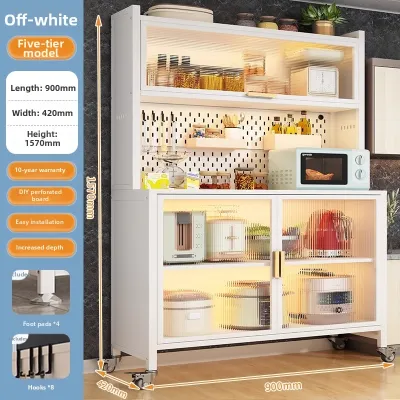
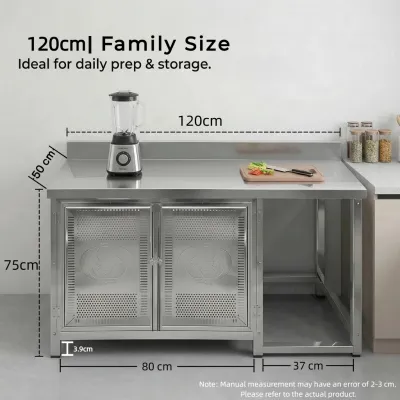
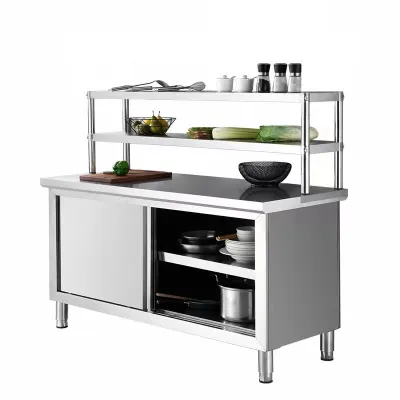
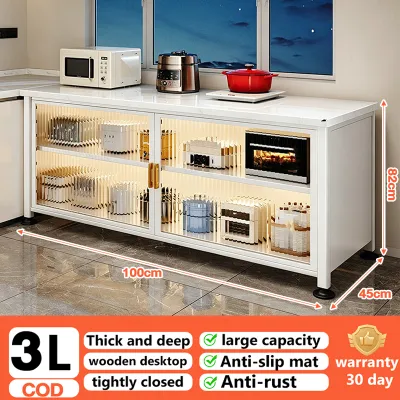
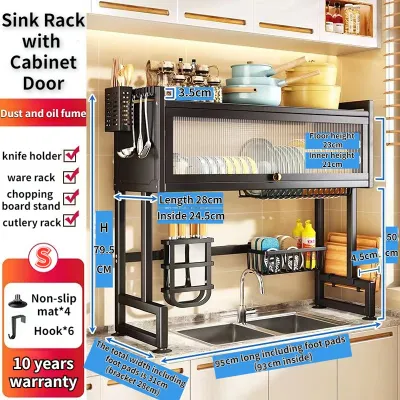
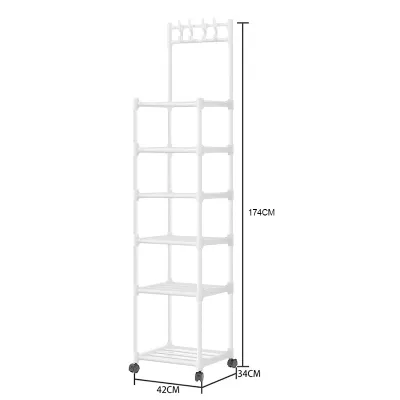
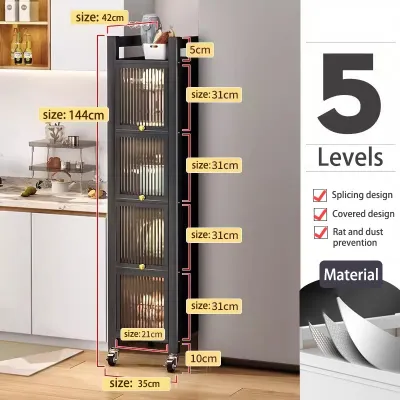
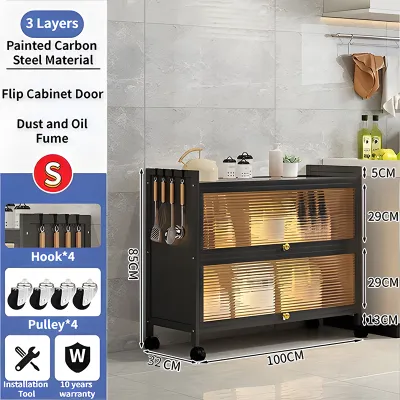
Prices are valid at publication and may change. Please refer to the product page for the latest price.
While steel offers superior strength, its resistance to moisture and rust is not automatic. Raw or poorly treated steel will corrode rapidly when exposed to kitchen moisture, spills, and humid air. The longevity of a steel cabinet depends entirely on its surface treatment, such as high-grade powder coating, galvanization, or the use of specific stainless steel alloys like Grade 304. Understanding these material treatments is crucial when selecting a cabinet that will remain rust-free in a humid environment.
Key Features to Evaluate for Heavy-Duty Performance
The thickness of the steel sheet used in construction is the primary indicator of a cabinet’s durability. In metal fabrication, steel thickness is measured by gauge; a lower gauge number indicates thicker, stronger steel. For heavy-duty kitchen applications, look for cabinets constructed from 16-gauge to 18-gauge steel, as these thicknesses provide excellent resistance to denting and structural deflection. Thinner metals, such as 22-gauge or 24-gauge steel, are more suitable for light office storage and may buckle under the weight of heavy kitchen equipment.

The protective finish applied to the steel determines how well the cabinet resists scratches, moisture, and chemical cleaners. Powder coating is a highly durable option where dry powder is electrostatically applied and cured under heat to create a hard, continuous barrier. Alternatively, galvanized steel features a protective zinc coating that prevents rust even if the surface is scratched. For the most demanding wet areas near sinks or prep stations, food-grade stainless steel (such as Grade 304) offers natural corrosion resistance without the need for a painted finish.
A cabinet is only as strong as its moving parts and connection points. Heavy-duty performance requires industrial-grade hardware, including ball-bearing drawer slides that allow fully loaded drawers to glide smoothly without sticking. Look for hinges that are rated for high-cycle use and heavy door panels, preferably with soft-close mechanisms to prevent slamming. Shelf support brackets should be made of thick-gauge steel and lock securely into the cabinet frame to prevent accidental dislodgement.
Beyond the outer panels, high-quality steel cabinets utilize internal reinforcements to handle heavy loads. Look for models that feature welded crossbars beneath each shelf or double-layered base panels that distribute weight across the entire footprint of the unit. Reinforced corner gussets and double-wall door construction also add significant torsional rigidity, preventing the cabinet frame from twisting or racking when loaded unevenly.
How to Verify Load Capacity and Structural Stability
When shopping for heavy-duty cabinets, avoid relying on vague marketing terms like “ultra-strong” or “industrial strength.” Instead, request the manufacturer’s official technical specifications sheet, which should clearly state the maximum load capacity per shelf and for the overall unit. Reliable manufacturers test their products under static and dynamic load conditions and publish these weight limits to guide safe usage.
Inspect the physical construction of the cabinet joints to assess its structural integrity. Fully welded joints offer superior strength and rigidity compared to spot-welded or bolt-together designs, as they create a continuous metal bond that resists loosening under vibration or shifting loads. If you are purchasing a flat-pack cabinet that requires assembly, examine the quality of the fastening hardware and ensure the connection points utilize heavy-duty steel bolts and lock nuts rather than thin self-tapping screws.
The point of contact with the floor is critical for maintaining stability, especially when the cabinet is fully loaded. Stationary cabinets should feature adjustable leveling feet with non-slip rubber pads to compensate for uneven kitchen floors and prevent tipping. If you select a mobile cabinet or utility cart, verify that the casters are industrial-grade, rated for the maximum gross weight of the cabinet, and equipped with robust locking brakes on at least two wheels to secure the unit during food preparation.
Be cautious of product listings that omit crucial technical details. A lack of information regarding steel gauge, weight limits, or the specific type of rust-resistant coating is a major red flag. Additionally, avoid products that do not offer a clear structural warranty, as reputable manufacturers of heavy-duty equipment typically guarantee their welds and frames against defects for a specified period.
Space Planning and Installation Requirements
Before finalizing your purchase, carefully measure the designated space in your kitchen, taking into account not just the width and depth of the cabinet, but also the clearance required for doors and drawers to open fully. Ensure there is adequate clearance for walking pathways and that the cabinet does not obstruct access to light switches, electrical outlets, plumbing lines, or other appliances.
Heavy-duty steel cabinets are often delivered fully assembled or in large, heavy packages. You must verify that the dimensions of the packaged or assembled unit can safely pass through all entry points, including main building entrances, narrow hallways, stairwells, and interior doorways. Measure the height and width of these pathways beforehand to avoid delivery complications or damage to your walls and the cabinet itself.
Installing heavy-duty steel wall cabinets requires careful assessment of your kitchen’s wall structure. In the Philippines, kitchen walls are commonly constructed from concrete hollow blocks or, in newer developments, drywall. Concrete and solid masonry walls provide excellent support but require heavy-duty masonry anchors or expansion bolts to secure the cabinet safely. If you are mounting to drywall, you must never rely on the drywall panels alone; the cabinet must be anchored directly into the internal wall studs, or the wall must be structurally reinforced with wood or metal backing before installation.
Due to the weight and precision required to align heavy steel panels, professional installation is highly recommended. Properly aligning doors, adjusting heavy-duty hinges, and ensuring the unit is perfectly level requires specialized tools and experience. If you choose to assemble the unit yourself, ensure you have a helper, follow the manufacturer’s step-by-step instructions precisely, and use the specified torque when tightening fasteners to avoid stripping the threads or warping the metal panels.
Where to Source and What to Check Before Buying
When looking for genuine heavy-duty steel cabinets, specialized commercial kitchen equipment suppliers and industrial storage providers often offer higher-quality options than general home furniture retailers. Commercial suppliers design their products to meet strict sanitation and durability standards required in professional kitchens. However, if you choose to buy from a general online marketplace, focus on verified merchants who specialize in metal fabrication or industrial storage solutions rather than generic home decor importers.
Before placing an online order, contact the seller to confirm the exact specifications of the item. Verify the steel gauge, the type of finish, the inclusion of all necessary assembly hardware, and whether the shelves are adjustable. Requesting actual photos of the welded joints or the underside of the shelves can help you verify the quality of the construction before the item is shipped.
A comprehensive warranty is a strong indicator of a manufacturer’s confidence in their product’s durability. Review the warranty terms carefully to understand what is covered, focusing on structural weld failures, hardware malfunctions, and premature degradation of the rust-resistant coating. Ensure you understand the process for filing a claim, including whether you must transport the heavy unit back to the service center or if on-site inspection is available.
Because heavy-duty steel cabinets are exceptionally heavy and bulky, shipping fees can add a significant amount to your total investment. Always clarify the delivery costs to your specific location in the Philippines before checking out, as some areas may incur surcharges for high-rise buildings without service elevators or remote provincial deliveries. Additionally, factor in any assembly fees or the cost of purchasing specialized mounting hardware, ensuring you have a complete understanding of the total cost in ₱ before making your final decision.
Frequently Asked Questions (FAQ)
Are steel kitchen cabinets prone to rust in humid climates?
Bare steel will rust quickly when exposed to high humidity, but properly treated steel cabinets are highly resistant to corrosion. To prevent rust in the humid Philippine climate, choose cabinets with a high-quality powder-coated finish, galvanized steel, or Grade 304 stainless steel. It is also essential to follow the manufacturer’s care instructions, avoiding harsh chemical cleaners or abrasive pads that can scratch and compromise the protective outer layer.
Can I install heavy-duty steel wall cabinets on drywall?
No, standard drywall panels cannot support the heavy static and dynamic loads of a steel cabinet filled with kitchenware. Attempting to mount a heavy-duty cabinet directly to drywall using standard anchors will likely result in structural failure and severe damage. You must locate the internal wall studs and secure the mounting brackets directly to them, or consult a qualified contractor to install structural backing and reinforcement behind the drywall.
How do I maintain and clean steel cabinet surfaces?
To preserve the protective coating and appearance of your steel cabinets, clean them regularly using a soft microfiber cloth dampened with warm water and a mild, non-abrasive dish soap. Always wipe the surfaces dry with a clean towel to prevent water spots and mineral buildup. Avoid using bleach, ammonia, acid-based cleaners, or abrasive tools like steel wool, as these can degrade the rust-resistant finish and expose the underlying metal to moisture.
Community discussion
Share your experience or ask a question. Comments are reviewed before publication.