
Finding the ideal kitchen island table with a cabinet for your home requires balancing spatial limitations, storage demands, and the challenges of a tropical climate. The perfect choice is not a generic luxury centerpiece, but a highly functional unit that fits your specific layout, withstands high humidity, and matches your cooking habits. Whether you are outfitting a compact high-rise condominium in Metro Manila or upgrading a spacious suburban kitchen, selecting the right island involves careful planning and practical verification.
By focusing on precise physical measurements, material resilience, and storage configurations, you can transform your kitchen into a highly efficient workspace. This guide provides a structured framework to help you evaluate your space, assess material durability, and choose an island style that enhances your daily culinary routine.
Assessing Your Kitchen Space and Clearance Requirements
Before browsing online marketplaces or visiting local furniture showrooms, you must determine the exact physical limits of your kitchen. A kitchen island that is too large will restrict movement, block cabinet doors, and turn meal preparation into a frustrating experience. To prevent this, you must measure your available floor space and calculate the necessary clearance zones around all sides of the proposed island.
Products mentioned in this guide
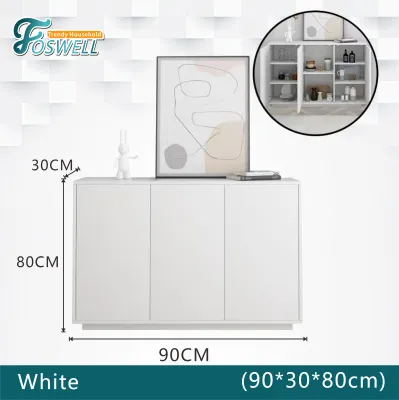
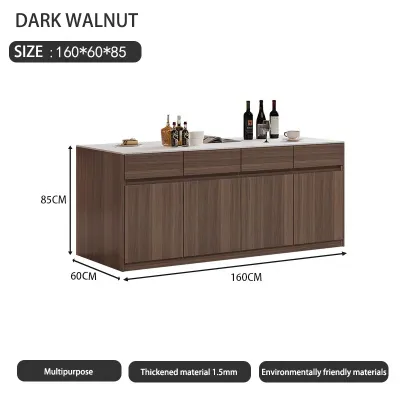
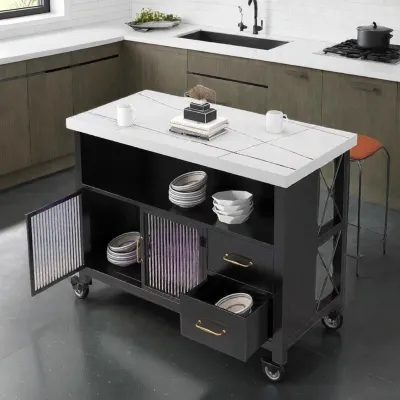
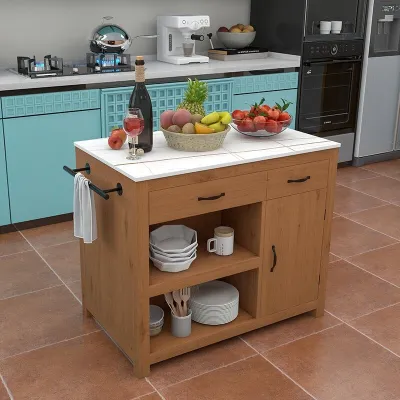
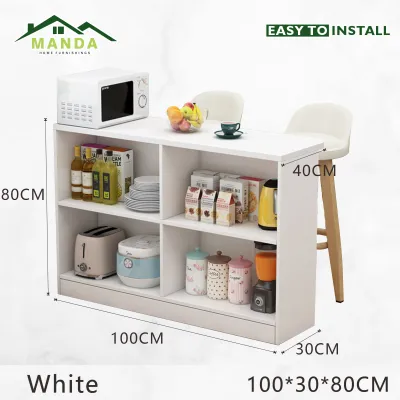
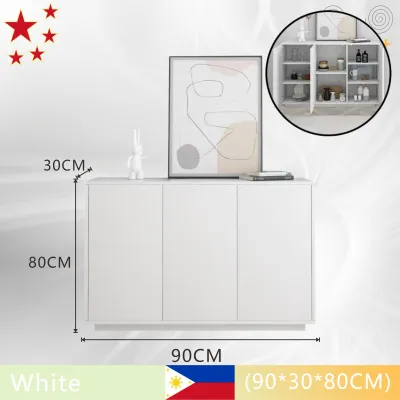
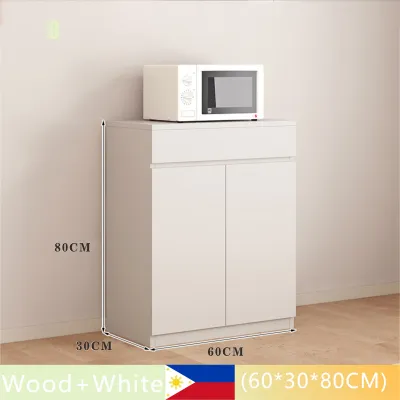
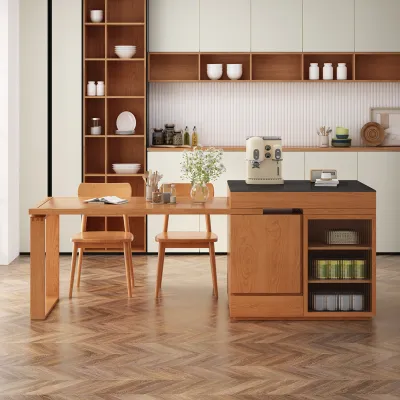
Prices are valid at publication and may change. Please refer to the product page for the latest price.
As a general rule, a functional kitchen requires a clearance path of at least 90 to 120 centimeters (36 to 48 inches) between the island and surrounding countertops, walls, or appliances. This spacing ensures that two people can pass each other comfortably and allows you to open oven doors, dishwashers, and low cabinets without obstruction. If your kitchen has a refrigerator with a wide door swing, measure the door’s maximum projection to ensure it does not collide with the island when fully opened.
To visualize how the island will affect your daily movement, map out its footprint on your kitchen floor. You can use masking tape, newspaper, or flattened cardboard boxes cut to the exact dimensions of the island you are considering. Leave this temporary template on the floor for a few days while you cook, clean, and navigate the space. This simple exercise will quickly reveal if the island will block your natural walking paths or make the kitchen feel cramped.
In addition to physical clearance, you must evaluate how the island interacts with your kitchen work triangle—the path between your sink, stove, and refrigerator. An ideal island acts as a helpful bridge within this triangle, providing a convenient surface to place ingredients or prep food. However, if the island is placed directly in the path between the sink and the stove, it becomes an obstacle that forces you to walk around it constantly, disrupting your cooking flow.
Finally, do not overlook the logistics of delivery and installation. Many Filipino homes, particularly urban condominiums and multi-story townhouses, feature narrow doorways, tight corridors, sharp stairwell turns, or compact passenger elevators. Measure the width and height of every entry point from the delivery truck to your kitchen. If you are purchasing a fully assembled or heavy solid wood island, verify that the unit can physically clear these passages before finalizing your order.
Evaluating Storage and Functional Features
Once you have established the maximum dimensions your kitchen can accommodate, you can focus on the storage configuration of the island. The balance between open shelving and closed cabinets is one of the most important decisions you will make. Each option offers distinct advantages depending on your lifestyle, cleaning habits, and the items you plan to store.

Closed cabinets are highly recommended for keeping your kitchen looking neat and organized. They allow you to conceal cluttered stacks of pots, pans, small appliances, and dry pantry goods behind closed doors. In tropical environments, closed storage also provides an extra layer of protection against dust, grease, and common household pests. However, closed cabinets require adequate clearance for their doors to swing open, which must be factored into your overall space calculations.
Open shelving, on the other hand, offers immediate visual and physical access to your most frequently used cookware, such as mixing bowls, cast-iron skillets, or daily dinnerware. This setup can make a small kitchen feel more open and airy. The primary trade-off is maintenance; items stored on open shelves are exposed to airborne cooking grease and dust, requiring more frequent washing and dusting to keep them clean and presentable.
If you plan to use your kitchen island as a casual dining spot, a breakfast bar, or a place for family members to chat while you cook, you must consider the countertop overhang. A standard prep-only island has little to no overhang, but an island designed for seating requires an overhang of at least 25 to 30 centimeters (10 to 12 inches). This clearance provides sufficient legroom and allows bar stools to be tucked neatly underneath the counter when not in use, keeping your walkways clear.
Additionally, look for built-in functional features that align with your daily cooking workflow. Features like integrated towel racks, spice drawers, side shelving, and heavy-duty drawer glides can significantly increase the utility of a compact island. If you frequently host gatherings or need temporary extra workspace, look for islands equipped with drop-leaf extensions. These hinged countertop sections can be raised to expand your prep or dining surface and folded down flat when you need to reclaim floor space.
Matching Island Styles to Your Cooking Routine
Different cooking habits and kitchen layouts require different styles of kitchen islands. To find the best match for your home, consider how you cook, how often you use your kitchen, and whether your living space is permanent or rented. Kitchen islands generally fall into three main categories, each serving a specific set of needs.
Compact and Mobile Carts
Mobile kitchen carts equipped with heavy-duty caster wheels are highly suitable for studio apartments, small condominiums, and rental properties. These versatile units provide valuable extra prep space and cabinet storage without permanently committing your floor plan. You can easily roll the cart to the center of the kitchen for meal prep, use it as a serving trolley during family gatherings, and tuck it against a wall or into a corner when you need open floor space.
When evaluating mobile carts, look for models with high-quality, locking caster wheels. At least two of the wheels should have reliable locking mechanisms to prevent the cart from shifting or sliding while you are chopping vegetables or using hand mixers. Mobile carts often feature lightweight frames, so it is essential to check their overall stability and avoid overloading the top surface with excessively heavy appliances.
Fixed Center Islands with Deep Storage
For spacious, single-family homes with large, open-concept kitchens, a fixed center island with deep cabinet storage is often the most practical choice. These substantial pieces of furniture act as a permanent anchor in the room, offering expansive countertop space and heavy-duty storage capacity. They are ideal for households that engage in heavy daily cooking, baking, or bulk meal preparation.
Fixed islands can accommodate larger, heavier kitchen appliances such as stand mixers, food processors, and rice cookers, keeping them off your main countertops but easily accessible. Because these units are stationary and heavy, they offer excellent stability. Some homeowners choose to have these islands professionally anchored to the floor or integrated with electrical outlets, though this requires professional installation and electrical planning.
Drop-Leaf or Expandable Tables
Drop-leaf kitchen islands are the ultimate hybrid solution for multi-purpose spaces. These tables feature a hinged countertop section supported by folding brackets or pull-out wooden supports. When the leaf is extended, the island transforms into a spacious dining table or an extended prep station; when folded down, it reverts to a slim, space-saving cabinet unit.
This style is particularly beneficial for homes where the kitchen and dining areas are combined into a single room. It eliminates the need for a separate dining table, saving valuable square footage. When choosing a drop-leaf model, pay close attention to the support mechanism of the leaf. Metal folding brackets or sturdy wooden slide-out gates provide the best stability, ensuring the extended surface can safely support the weight of plates, serving dishes, and laptops.
Verifying Materials and Durability for Humid Climates
The tropical climate of the Philippines, characterized by high humidity and seasonal temperature shifts, can take a heavy toll on furniture. Selecting materials that can withstand these environmental conditions is crucial for ensuring your kitchen island remains durable, stable, and free from structural damage over time.
When evaluating wood and engineered wood options, inspect the surface treatments and protective seals. Solid hardwoods like acacia, rubberwood, and mahogany are naturally durable, but they must be properly sealed with polyurethane or food-safe varnish to prevent moisture absorption, warping, and cracking. If you choose engineered wood, such as medium-density fiberboard (MDF) or plywood, ensure that all edges are completely sealed with high-quality PVC edge banding. Unsealed edges allow humid air or spilled liquids to penetrate the core, causing the material to swell, bubble, and degrade.
For the countertop surface, consider how you plan to use the island. Solid wood tops offer a warm, classic aesthetic but require regular maintenance, such as oiling or resealing, to prevent water damage and staining. Stainless steel countertops are highly durable, hygienic, and completely resistant to moisture and heat, making them excellent for heavy-duty food preparation. Engineered quartz and high-pressure laminates (HPL) are also excellent low-maintenance options that resist moisture and scratches well.
Structural stability and weight capacity are equally important, especially if you plan to store heavy items inside the cabinets or place large appliances on the counter. Check the manufacturer’s specifications for the maximum weight limit of both the countertop and the individual shelves. A sturdy frame made of solid wood, thick plywood, or metal will prevent the island from sagging or wobbling under a heavy load.
Finally, examine the quality of the hardware. In humid climates, low-grade metal hinges, drawer slides, and handles are highly susceptible to rust and corrosion, which can cause drawers to stick and cabinet doors to sag. Look for islands equipped with rust-resistant hardware, such as stainless steel or powder-coated metal components. Soft-close drawer glides and hinges are also highly desirable, as they reduce wear and tear on the cabinet joints by preventing forceful slamming.
Sourcing Options and Pre-Purchase Verification
Before making your final purchase, whether from a local furniture boutique, a major home improvement store, or an online marketplace, you must perform a series of quality and logistical checks. Taking the time to verify these details beforehand will save you from the hassle of dealing with returns, assembly issues, or structural failures.
Start by cross-referencing the manufacturer’s listed product dimensions with your physical measurements. Double-check the height, width, and depth of the island, including any extended drop-leaves or protruding handles. If you are purchasing a heavy, solid-stone or solid-wood island, verify that your kitchen floor can support the concentrated weight, particularly if you live in an older building or a multi-story wooden structure.
Carefully review the assembly requirements of the unit. Many kitchen islands sold online are delivered flat-packed and require complete self-assembly. Assess whether you have the necessary tools, time, and physical ability to assemble the unit safely. For large, complex, or exceptionally heavy islands, it is often worth paying an additional fee for professional assembly and installation services to ensure the unit is structurally sound and level.
Lastly, confirm the retailer’s return policy, warranty coverage, and delivery logistics. Ensure the warranty covers structural defects, warping, or hardware failures for at least six months to a year. Because kitchen islands are bulky and heavy, delivery fees can vary significantly depending on your location. Confirm whether the delivery service includes bringing the item inside your home or if they only offer curbside drop-off, and prepare your space and entryways accordingly.
Frequently Asked Questions (FAQ)
Can I install a kitchen island in a small condo kitchen?
Yes, you can install a kitchen island in a small condo kitchen, provided you maintain safe clearance zones. If your kitchen layout is tight, avoid large, fixed islands and opt instead for a slim mobile cart or a narrow console-style island with a depth of 40 to 50 centimeters. These compact options provide valuable extra prep space and cabinet storage without permanently blocking your walkways. Choosing a model with locking caster wheels allows you to roll the island out of the way when cleaning, hosting guests, or accessing nearby appliances.
How do I maintain wooden countertops in a humid climate?
Maintaining wooden countertops in a humid climate requires consistent, simple care to prevent moisture damage and warping. Always wipe up liquid spills, condensation from cold drinks, and wet spots immediately using a dry microfiber cloth. Avoid leaving wet sponges, damp dish towels, or hot pots directly on the wooden surface. To protect the wood from drying out or absorbing excess humidity, apply a food-safe mineral oil or beeswax treatment every few months, following the manufacturer’s specific care and resealing instructions.
Community discussion
Share your experience or ask a question. Comments are reviewed before publication.