
Finding the ideal size for a white foldable table on a small condo balcony is not about choosing a single standard dimension. Instead, it requires matching the table’s expanded footprint to your specific usable floor area, seating arrangements, and daily movement paths. In compact high-rise living spaces, every centimeter counts, and a table that is even slightly too large can turn a relaxing outdoor escape into a cramped, frustrating obstacle course. By taking a systematic approach to measuring your space, planning clearances, and evaluating folding mechanisms, you can create a highly functional and visually appealing balcony lounge.
A white foldable table is an excellent choice for a small balcony because the bright color reflects natural light, making the outdoor area feel larger and more open. However, because balconies are exposed to the elements and have strict structural boundaries, you must balance aesthetic appeal with practical spatial planning. Selecting the right size ensures that you can comfortably enjoy your morning coffee, work on your laptop, or share an evening drink without sacrificing the ease of movement that makes an outdoor space enjoyable.
Measure Your Balcony's Usable Space
Before browsing online marketplaces or visiting local home improvement stores, you must determine the exact physical boundaries of your balcony. Begin by measuring the total length and width of the balcony floor using a metal measuring tape. Measure from the exterior wall of your condo unit to the innermost edge of the balcony railing. This gives you the gross floor area, but it does not represent the actual space available for your furniture.
Products mentioned in this guide
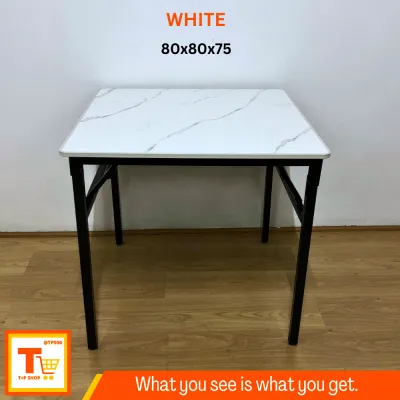
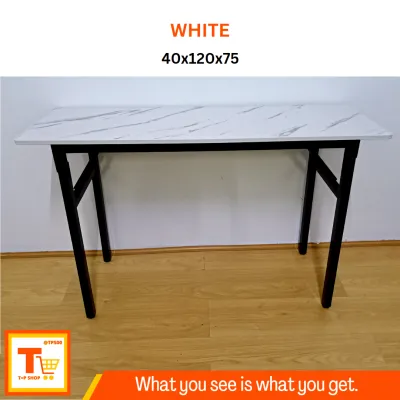
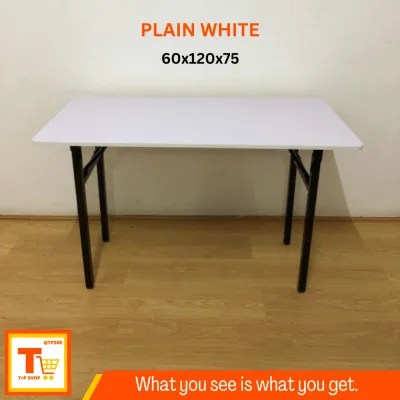
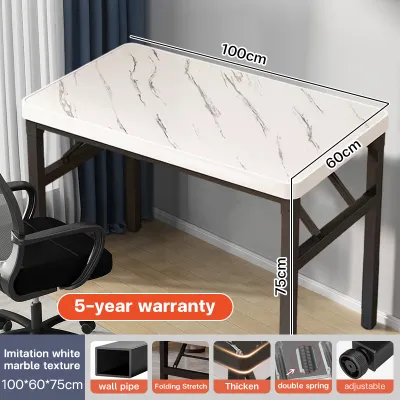
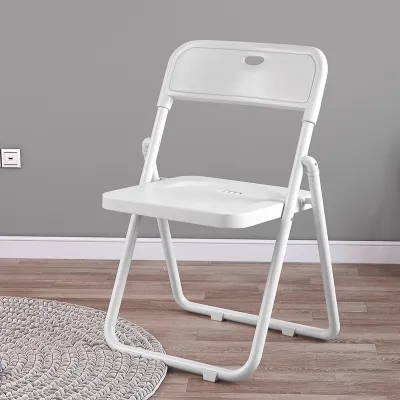
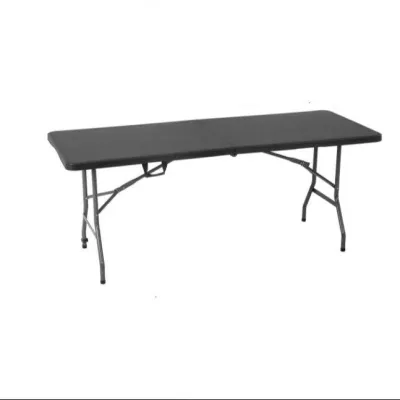
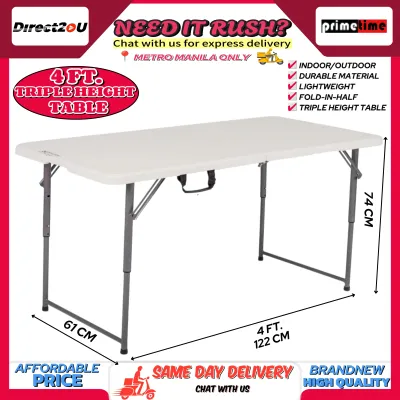
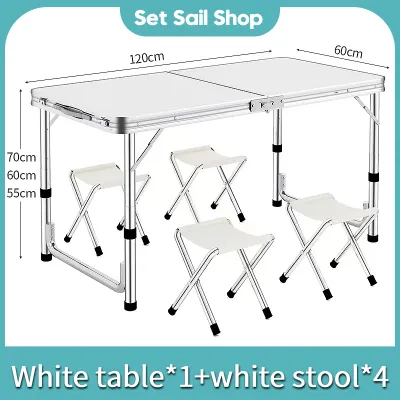
Prices are valid at publication and may change. Please refer to the product page for the latest price.
To find the true usable footprint, you must identify and subtract the space occupied by fixed architectural features and utilities. In many Philippine condominiums, the balcony floor space is shared with air conditioning condenser units, thick concrete pillars, drainage pipes, or built-in planters. Measure the footprint of these obstructions and mark them on a simple sketch of your balcony layout. The remaining open area is your net usable footprint, which establishes the absolute maximum boundary for any table and chair combination.
Additionally, pay close attention to the swing path of your balcony door. If you have a traditional hinged door that opens outward onto the balcony, you must measure its swing radius and keep this zone completely clear of furniture. For sliding glass doors, note which side slides open so you can keep the primary entry point clear of obstructions. This step prevents you from purchasing a table that blocks your access to the outdoors.
Determine Clearance and Movement Paths
A common mistake when furnishing a small balcony is choosing a table that fits the physical space but leaves no room for human movement. To avoid this, you must plan your primary walkway and seating clearances before deciding on table dimensions. A comfortable walkway from the balcony door to the railing should ideally be wide enough for a person to walk through sideways or straight without brushing against walls or furniture.

Next, calculate the pull-back space required for your seating. When a person sits down or stands up, they need physical space to slide their chair or stool away from the table. For standard balcony chairs, you should allow sufficient clearance behind the seat so the legs do not strike the balcony railing or the condo wall. If you are using bar stools, which often have a smaller footprint, you still need to ensure that a seated guest’s back does not press uncomfortably against the glass door or railing.
Finally, consider the space required to operate the table’s folding mechanism. You need enough physical room to stand comfortably, reach the hinges or release levers, and fold or unfold the table safely. If the space is too tight, you may find yourself scraping your knuckles against the wall or struggling to secure the locking pins. Ensure there is a clear standing zone next to the table’s mounting or support area to make daily setup and storage effortless.
Match Table Dimensions to Your Lounge Setup
The shape and proportions of your white foldable table should align with your primary activities and the layout of your balcony. If your balcony is narrow and long, a rectangular table placed parallel to the railing is often the most space-efficient option. This setup allows for side-by-side seating, keeping the central walkway clear. For square or corner balcony spaces, a small round table can soften the sharp lines of the building and create a cozy, conversational nook for two people.
If you want to maximize floor space, a half-moon or semi-circular table that mounts directly to the wall or hangs over the railing is an exceptional alternative. These designs eliminate the need for table legs, freeing up valuable footroom and making the balcony feel significantly more spacious. When choosing a table size, balance your seating capacity with your actual needs. A small tabletop surface is perfect for holding a couple of mugs and a book, while a slightly larger surface is necessary if you plan to work on a laptop or enjoy full meals outdoors.
Height compatibility is another critical factor for ergonomic comfort. Standard dining tables usually stand around 75 centimeters high and pair well with regular outdoor chairs. If you prefer a bar-style lounge setup, look for a high-top table that matches the height of your balcony railing, typically around 100 to 105 centimeters. This elevated height allows you to look over the railing rather than through it, enhancing your view of the surrounding skyline. Always verify that your existing chairs or stools leave comfortable legroom beneath the tabletop.
Evaluate Foldable Mechanisms and Storage
The way a table folds determines how easily you can reclaim your balcony space when the furniture is not in use. Bi-fold tables fold in half like a book, which makes them highly portable but often results in a thicker folded profile that requires dedicated storage space. Drop-leaf tables allow you to fold down one or both sides of the tabletop while the central frame remains standing, offering excellent flexibility for transitioning from a solo workspace to a shared dining area.
Wall-mounted or railing-hung foldable tables are incredibly popular for small condo balconies because they fold completely flat against the wall or railing when closed. This design virtually eliminates the storage problem, as the table remains in its permanent position without occupying any floor space. If you choose a free-standing foldable table, measure its folded thickness and dimensions carefully. Ensure you have a designated, dry, and secure spot—such as a narrow gap behind a sofa inside or a protected corner of the balcony—where the table can be stored safely.
Before making a purchase, inspect the quality of the hinges, joints, and locking mechanisms. In a tropical climate characterized by high humidity and heavy rainfall, moving parts are highly susceptible to wear and stiffness. Look for tables with smooth, heavy-duty hinges that operate without catching. The locking mechanism must be robust and easy to engage, ensuring the table remains stable and secure when fully expanded, preventing accidental collapses during use.
Material and Finish Checks for Outdoor Use
Because your white foldable table will reside on a balcony, it must be constructed from materials capable of withstanding outdoor conditions. White surfaces are particularly vulnerable to showing dirt, dust, and environmental stains. Check the manufacturer’s specifications to ensure the table material is rated for outdoor use. High-density polyethylene (HDPE), powder-coated steel, aluminum, and treated weather-resistant wood are common materials that offer durability when properly maintained.
To keep your white table looking pristine, review the manufacturer’s care instructions regarding UV protection and moisture resistance. Without proper UV stabilizers, white plastics and painted finishes can yellow, crack, or become brittle under intense afternoon sun. Look for labels that explicitly state the surface has been treated with a UV-resistant coating. Additionally, ensure that metal frames are powder-coated or treated to resist rust, especially if your condo is located in a humid coastal area or experiences heavy seasonal rains.
The stability of the table’s base is also vital, particularly on high-rise balconies where wind speeds can be surprisingly high. A lightweight table can easily tip over during a sudden gust of wind, risking damage to your property or creating a safety hazard. Look for a table with a sturdy, weighted base or legs equipped with non-slip, non-scratch rubber feet. These feet protect your balcony tiles from scratches while providing essential grip to keep the table firmly in place.
Common Sizing Mistakes to Avoid
One of the most frequent oversights when buying balcony furniture is forgetting to measure the delivery path. Even if a table fits perfectly on your balcony when unfolded, it must first travel through your condo building. Measure the height and width of your building’s elevator, the stairwells, and your apartment’s front door and balcony door frames. Ensure that the packaged or folded table can easily pass through these tight spaces without causing damage to the walls or the product itself.
Another common error is confusing the table’s folded dimensions with its fully expanded footprint. When browsing online product listings, double-check the specifications to confirm whether the advertised measurements refer to the open table or the closed package. It is easy to accidentally purchase a table that is far too large for your balcony because you relied on the compact folded dimensions shown in the primary product image.
Finally, avoid the temptation to sacrifice safety and movement clearance for a larger tabletop. While a larger table might seem appealing for hosting guests, a cramped balcony that forces people to squeeze past furniture is uncomfortable and potentially dangerous. Always prioritize a clear, unobstructed path to your balcony door and ensure that you can move freely around your outdoor lounge. A smaller, well-proportioned table will always provide a more enjoyable and relaxing experience than a large, oversized one.
Frequently Asked Questions (FAQ)
Can I use a wall-mounted foldable table on a condo balcony?
Yes, you can use a wall-mounted foldable table, but you must first verify your condominium corporation’s rules and lease agreements. Many condo associations have strict guidelines regarding drilling into exterior walls, as this can compromise the building’s waterproofing, structural integrity, or uniform aesthetic. If drilling is permitted, inspect the wall material—such as solid concrete or brick—and consult the table’s installation manual to select the correct heavy-duty masonry anchors and screws. Ensure the mounting height aligns comfortably with your seating to guarantee an ergonomic setup.
How do I keep a white outdoor table from yellowing in the sun?
To prevent a white outdoor table from yellowing, check the product specifications for built-in UV-resistant coatings before purchasing. Regular maintenance is also essential; clean the surface weekly using a soft cloth and a mild, non-abrasive soap solution recommended by the manufacturer to remove dirt, pollen, and pollutants that can bake into the finish under the sun. When the table is not in use, protect it from prolonged exposure to direct sunlight by folding it down, placing it in a shaded area of the balcony, or using a high-quality, UV-resistant outdoor furniture cover.
Community discussion
Share your experience or ask a question. Comments are reviewed before publication.