
Finding the right balance between comfort and floor space is the ultimate challenge when furnishing a compact home. In a 20 square meter condo living room, every centimeter counts, and your choice of seating will dictate how the entire room functions. A cozy sofa should serve as a relaxing retreat without overwhelming the limited floor plan or blocking natural light.
To achieve this balance, you must look beyond aesthetic appeal and focus on physical dimensions, shape, and visual weight. The ideal setup typically involves a streamlined two-seater, a compact loveseat, or a highly tailored small sectional. Selecting the right piece requires a systematic approach to measuring your space, understanding layout constraints, and choosing a design that keeps the room feeling open and airy.
In tropical climates where humidity is a constant consideration, the physical design of your furniture also affects indoor comfort. A sofa that sits flat on the floor can trap heat and moisture, while a well-elevated design promotes better airflow. By focusing on smart proportions and strategic placement, you can create a welcoming living area that feels spacious and highly functional.
Products mentioned in this guide
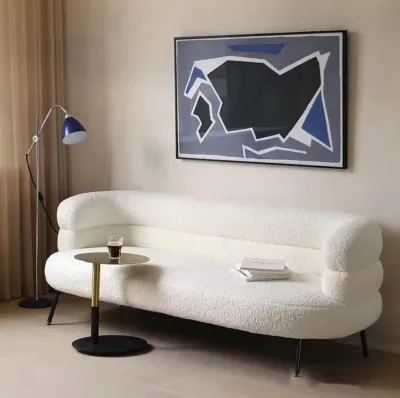
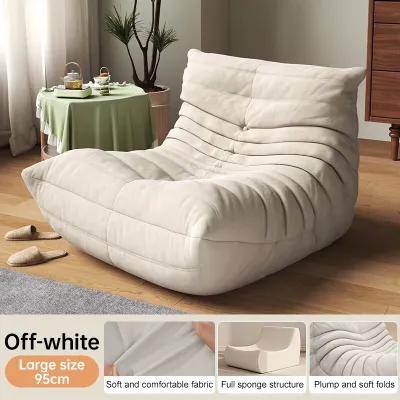
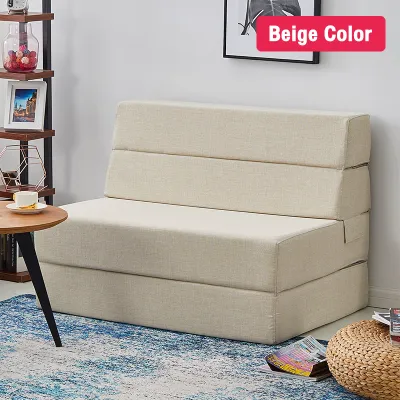
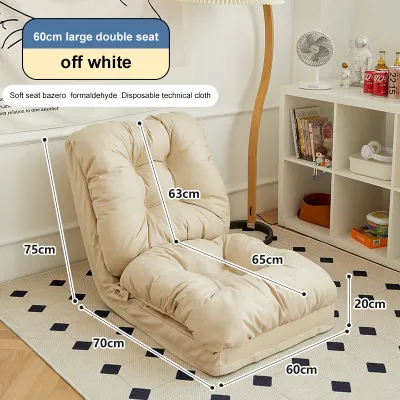
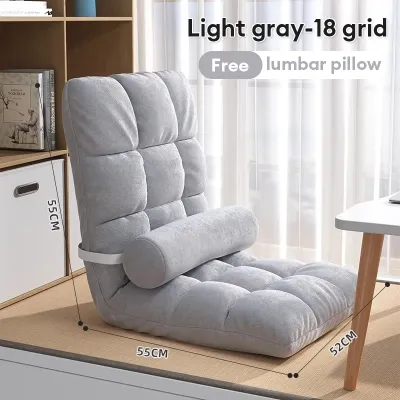
Prices are valid at publication and may change. Please refer to the product page for the latest price.
Assessing Your Space and Layout Constraints
Before browsing online catalogs or visiting local showrooms, you must establish the absolute maximum footprint your living room can accommodate. Begin by measuring the primary wall where you plan to position the sofa. Use a metal measuring tape for accuracy, and record the distance from corner to corner, taking care to subtract the width of any baseboards, columns, or architectural protrusions.
Do not overlook the placement of electrical outlets, light switches, and wall-mounted air conditioning units. A sofa that blocks an outlet or sits directly beneath a low-hanging unit can restrict access. Additionally, note the swing radius of nearby doors, including the main entrance and balcony access points, to ensure the furniture will not obstruct these pathways.
Equally important is the delivery journey. High-rise condo living requires navigating tight building corridors, service elevators, stairwells, and narrow unit doorways. Measure the height and width of your building’s elevator door and interior cabin, as well as your own front door frame, to verify that your chosen sofa can actually be delivered without damage.
Finally, plan for comfortable traffic flow within the room itself. Maintain a clear walkway of at least 60 to 75 centimeters between the edge of the sofa and adjacent items like coffee tables or TV consoles. This ensures that you and your guests can move freely through the space without having to squeeze past furniture or bump into sharp corners.
Evaluating Sofa Shapes for Small Condos
The shape of your sofa determines how efficiently it utilizes the available square footage. A classic straight two-seater or a compact loveseat is often the safest choice for a 20 square meter room, offering a clean profile that aligns neatly against a single wall. This configuration leaves ample floor space for accent chairs, side tables, or indoor plants, allowing you to customize the layout as your needs change.

If you prefer more lounging space, a compact L-shaped sectional can work well if positioned correctly. Look for sectionals with a reversible chaise or a clean, low-profile corner design that fits snugly into an underutilized corner. This setup maximizes seating capacity without requiring multiple individual chairs that can quickly clutter a small room.
Visual weight is another critical factor when evaluating different shapes. A sofa with bulky, rolled arms and a solid, skirted base can make a small room feel incredibly cramped, even if its physical dimensions are technically correct. Instead, look for armless designs or sofas with slim, track arms that maximize the actual seating surface while keeping the overall footprint minimal.
Modular sofas offer excellent flexibility for condo dwellers who value adaptability. These pieces allow you to rearrange individual seating units to suit different occasions, such as hosting guests. Choosing a modular design with a lightweight frame makes it easier to reposition the furniture whenever you want to refresh your layout or deep-clean the floors.
Determining Ideal Dimensions for a Cozy Sofa
To maintain visual harmony in a compact living area, your sofa should scale proportionally with the wall it rests against. A helpful guideline is to choose a sofa length that occupies roughly two-thirds of the total wall length. This ratio prevents the seating from looking swallowed by a massive wall or, conversely, making the wall look suffocatingly small.
Seat depth and backrest height also play a major role in how spacious the room feels. Deep-seated sofas are comfortable for lounging, but they can extend too far into the room, eating up valuable floor space. Aim for a moderate seat depth that allows you to sit comfortably with back support while leaving plenty of clearance in front of the media console.
Keep the backrest height relatively low to preserve natural sightlines and allow light from windows to filter through the room. High-back sofas can act as visual barriers, dividing the room awkwardly and making the ceiling feel lower than it actually is. A low-to-medium backrest maintains an open, continuous view across the entire living space.
Always read the manufacturer’s specification labels carefully before making a purchase. Verify the exact external dimensions, including the depth at the widest point and the height of the armrests. Do not rely on generic terms like “apartment-sized,” as these classifications vary widely between brands and may not align with your specific room measurements.
Placement and Styling for a Spacious Feel
How you position and style your cozy sofa can dramatically alter the perception of space in your condo. While pushing the sofa flush against the wall is the most common way to maximize floor area, pulling it forward by just a few centimeters can sometimes create a more sophisticated, airy feel. This slight gap allows air to circulate and prevents the furniture from looking crammed into the corner.
Using an area rug is an effective way to define the living zone within an open-concept condo layout. Choose a rug that is large enough for the front legs of the sofa to rest upon, anchoring the seating arrangement. A rug that is too small will make the sofa look isolated and disproportionately large for the space.
To enhance the illusion of openness, select a sofa with raised legs rather than a solid base that sits flat on the floor. Exposed wooden or metal legs allow light to pass underneath the furniture, making the floor area appear continuous and less congested. This design choice also makes it much easier to sweep and dust underneath, preventing the accumulation of allergens in humid environments.
Keep accessories simple and intentional to avoid visual clutter. A few well-placed throw pillows in light, neutral tones can add comfort and texture without overwhelming the sofa’s design. Avoid piling on too many cushions, which reduces the usable seating area and makes the entire setup look disorganized.
Common Sizing and Selection Mistakes
One of the most frequent errors is relying solely on how a sofa looks in a spacious retail showroom. Showrooms feature soaring ceilings and vast layouts that make even massive sectionals look compact. Without translating those dimensions to your actual 20 square meter floor plan, you risk purchasing a piece that completely dominates your living room.
Another mistake is failing to account for the clearance required by surrounding furniture. A sofa might fit perfectly along a wall, but it could prevent you from fully opening a balcony door or pulling out a dining chair. Always map out the clearance zones for all functional elements in the room before finalizing your choice.
Lastly, do not prioritize maximum seating capacity at the expense of daily comfort and movement. It can be tempting to buy a large three-seater to accommodate occasional guests, but doing so can make your daily life inconvenient. Focus on choosing a sofa that comfortably accommodates your household’s daily needs, and use lightweight, easily storable stools or floor cushions for extra guests.
Frequently Asked Questions (FAQ)
Can a standard 3-seater sofa fit in a 20 sqm living room?
A standard three-seater sofa can fit in a 20 square meter living room, but only if the rest of the layout is highly streamlined. You must have a long, uninterrupted wall that can accommodate a length of 200 to 220 centimeters without blocking doorways or walkways. If you choose a three-seater, keep the rest of the furniture minimal—such as opting for a wall-mounted TV—to maintain balance. Always check the exact product specifications rather than assuming a standard size will fit.
How do I test if a sofa will fit before buying?
The most reliable way to test a sofa’s fit is to map out its exact footprint on your floor using painter’s tape or flattened cardboard boxes. Leave this mockup in place for a couple of days to see how it affects your daily movement. To test vertical clearance, you can place tall cardboard boxes at the corners of the taped area to simulate the height of the backrest, ensuring it won’t block windows or views.

Community discussion
Share your experience or ask a question. Comments are reviewed before publication.