
Fitting a foam couch into a 20 square meter condo living room requires balancing seating comfort with open floor space. To prevent the room from feeling cramped, the ideal foam couch should generally not exceed a length of 1.5 to 1.8 meters for a two-seater, or up to 2.1 meters if you choose a streamlined, armless modular design. Keeping the depth of the couch between 80 to 90 centimeters ensures you preserve vital walkway space while still enjoying the supportive, relaxed feel of high-density foam. By focusing on low-profile silhouettes and flexible configurations, you can create a cozy, functional lounge area that leaves plenty of room to breathe.
Assessing Your 20 Sqm Living Room Layout
Before browsing online marketplaces or visiting local showrooms with a flexible budget of ₱15,000 to ₱30,000, you must understand the exact physical boundaries of your living space. A 20 square meter area can feel surprisingly spacious or incredibly tight depending on how doors, windows, and structural columns are arranged. Start by drawing a simple floor plan of your room, noting the exact placement of fixed architectural elements.
Measure the length of the primary wall where you intend to place the seating. You must subtract the swing clearance of any entry doors, balcony doors, or built-in cabinet doors that open into the space. If your condo features floor-to-ceiling windows or sliding glass doors to a balcony, ensure you leave at least 30 to 45 centimeters of clearance so curtains can hang naturally and doors can open fully without hitting the edge of the couch.
Products mentioned in this guide

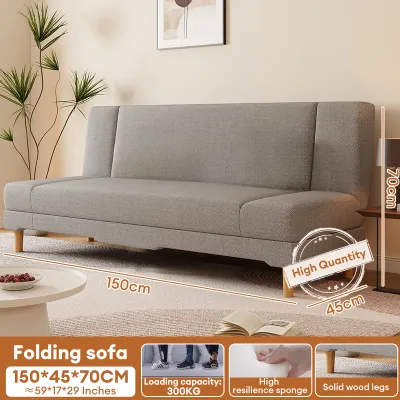


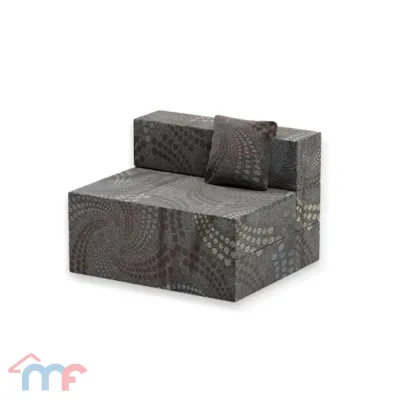
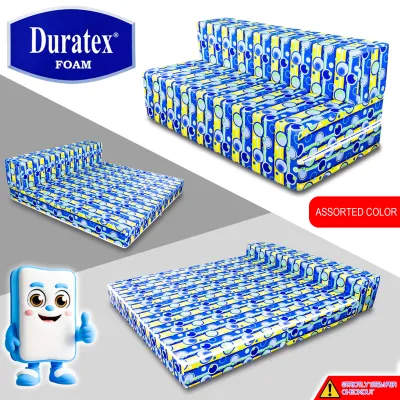
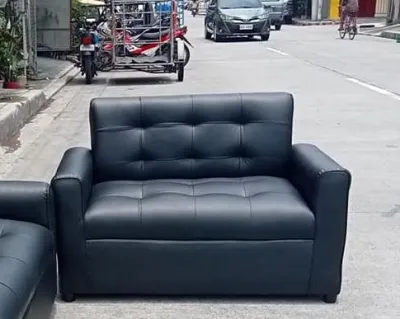
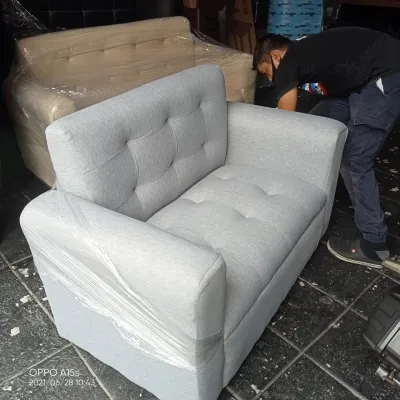
Prices are valid at publication and may change. Please refer to the product page for the latest price.
Next, map out the primary walking paths through the room. In a compact condo, walkways need to remain clear to prevent a claustrophobic atmosphere. A good rule of thumb is to maintain a minimum pathway width of 60 centimeters between furniture pieces, and up to 90 centimeters for high-traffic routes, such as the path leading from the kitchen to the balcony. Mark these pathways on your floor plan with tape to visualize how much physical floor space remains for your furniture footprint.
Ideal Foam Couch Dimensions and Configurations
The shape of your 20 square meter room dictates the best configuration for your foam couch. In a narrow, rectangular living room, a straight two-seater or a compact three-seater placed against the longest wall is usually the most efficient choice. This setup keeps the center of the room open for traffic. For square layouts, you have more flexibility to experiment with small L-shaped configurations or a couch paired with a single accent chair, provided the total footprint does not overwhelm the center of the room.

Seat depth and backrest height play a massive role in how large a couch feels visually. Deep-seated sofas exceeding 100 centimeters in depth can quickly swallow up a small room, leaving very little space for a coffee table or media console. Opt for a shallower seat depth of 80 to 85 centimeters, which provides comfortable upright seating without encroaching on the room’s center. Similarly, a low-profile backrest keeps sightlines open, making the ceiling feel higher and the entire room more expansive.
Armless and modular foam couch designs are exceptionally well-suited for compact condo living. Traditional rolled arms can add up to 30 centimeters of unusable width to a sofa without adding any actual seating space. Choosing an armless design or a sleek, block-style modular foam couch maximizes the usable seating area within a smaller overall footprint. Modular pieces also allow you to break the couch apart into individual chairs if you need to reconfigure the room for guests or clear a wider path.
Space-Saving Placement and Styling Strategies
Deciding whether to push your foam couch directly against the wall or let it “float” in the room depends entirely on your traffic flow. In most 20 square meter layouts, placing the couch against the longest solid wall is the most practical way to maximize open floor space. However, if your room serves as a multi-functional space—such as a combined living and dining area—floating a low-profile foam couch in the center can act as a subtle, stylish divider that defines the lounge zone without blocking light.
To keep the seating area from feeling heavy, pair your foam couch with lightweight, visually transparent furniture. A heavy, solid wood coffee table can make a compact layout feel cluttered. Instead, look for nesting tables with slender metal frames, or coffee tables made of clear acrylic or glass. These materials allow light to pass through, maintaining clear sightlines across the floor and making the entire living room feel larger than it is.
An area rug is another essential tool for organizing a small space. A rug that is too small will make the room look fragmented and cramped. Choose a rug large enough so that at least the front feet of your foam couch sit on top of it. This anchors the seating arrangement, unifies the furniture pieces, and creates a distinct, cozy zone within your open-plan condo layout.
Common Sizing and Delivery Mistakes to Avoid in Compact Condos
One of the most frustrating mistakes condo dwellers make is purchasing a beautiful foam couch only to find it cannot fit through the building’s entry points. Unlike traditional wooden-framed sofas that might have removable legs, some solid foam couches are delivered as single, non-detachable blocks. Before finalizing your purchase, measure the height and width of your condo building’s elevator door, the interior dimensions of the elevator cab, the width of all stairwells, and your own front door frame.
Another common error is choosing a couch with an oversized backrest or high sides that block natural light. In a small space, natural light is your best asset for creating an airy feel. Avoid placing a tall sofa directly in front of a window where it will cast shadows and block the view. Keep the top of the couch below the window sill level to ensure light can flood the room unimpeded.
Finally, always check the surrounding vertical and wall space before positioning your couch. Ensure the couch does not block access to electrical outlets, light switches, or internet ports that you need to access daily. Additionally, verify that the placement of the couch allows for proper clearance beneath wall-mounted air conditioning units, ensuring that cool air can circulate freely throughout the room without blowing directly onto the heads of those seated below.
Frequently Asked Questions (FAQ)
Can a modular foam couch work in a 20 sqm room?
Yes, a modular foam couch can work exceptionally well in a 20 square meter room, provided you select a compact model and measure carefully. The primary advantage of a modular system is its adaptability; you can arrange the individual sections to fit your specific layout and move them apart when you need extra floor space. To make this work, choose a modular set with a shallow depth and avoid adding too many middle sections. A simple three-piece modular setup—consisting of two corner pieces and one armless middle piece—offers excellent flexibility without overcrowding the room.
How do I maintain a foam couch in a humid Philippines condo?
Maintaining a foam couch in the tropical climate of the Philippines requires active moisture management to prevent mold and mildew. Ensure your condo has adequate ventilation by opening windows on dry days or running an air conditioner or dehumidifier regularly to keep indoor humidity levels low. Avoid placing the foam couch directly against external walls where condensation can build up. Additionally, choose a foam couch with a removable, breathable, and washable cover, and vacuum the fabric weekly to remove dust and skin cells that can attract moisture and pests.

Community discussion
Share your experience or ask a question. Comments are reviewed before publication.