
Finding a reliable heavy-duty swivel chair in the Philippines requires balancing structural safety with the realities of a tropical climate. High humidity and ambient heat accelerate the wear of upholstery and structural joints, making material choice just as critical as weight capacity. Within the ₱3K to ₱15K price range, buyers can find options that offer excellent support, provided they know which mechanical specifications to prioritize over aesthetic appeal.
To make an informed decision, you must look beyond surface-level designs and focus on certified load-bearing components. A chair that fails prematurely not only disrupts your productivity but also poses a physical safety risk. By understanding the engineering standards of gas lifts, base structures, and seat mechanisms, you can secure a chair that withstands daily, long-term use without exceeding your budget.
What Actually Makes a Swivel Chair "Heavy-Duty"?
A genuine heavy-duty swivel chair is defined by its engineering standards, not by marketing labels. The most critical component is the gas lift cylinder, which regulates height adjustment and bears the user’s full weight. Look for cylinders certified under international standards like DIN 4550, specifically Class 3 or Class 4. Class 4 cylinders are constructed with thicker steel walls and can safely support heavier loads over years of continuous compression, whereas lower-class cylinders are prone to gradual sinking.
Products mentioned in this guide
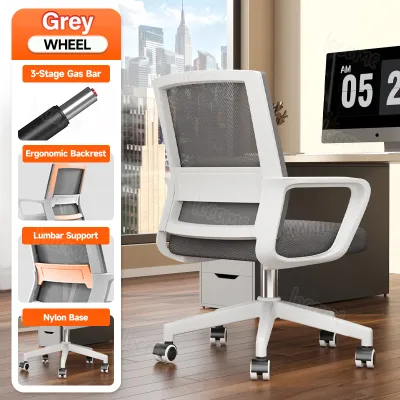
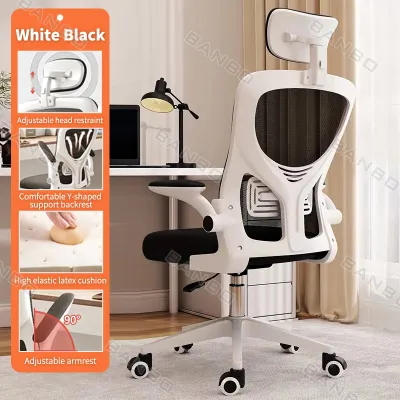
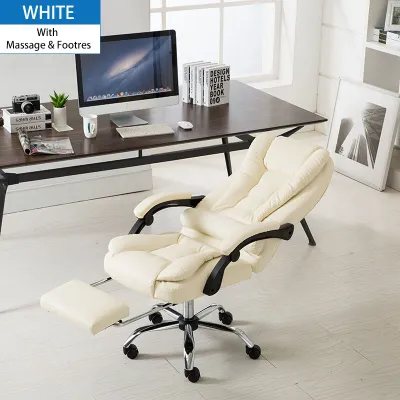
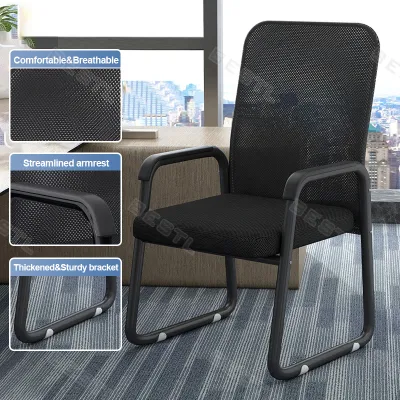
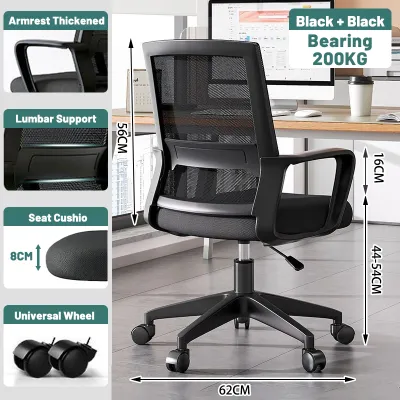
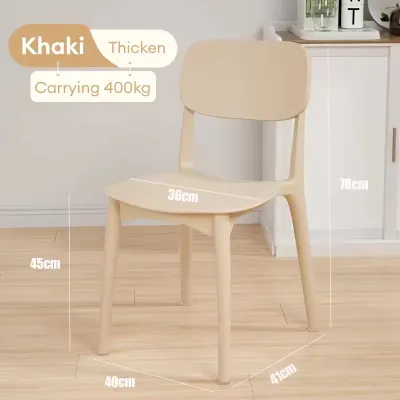
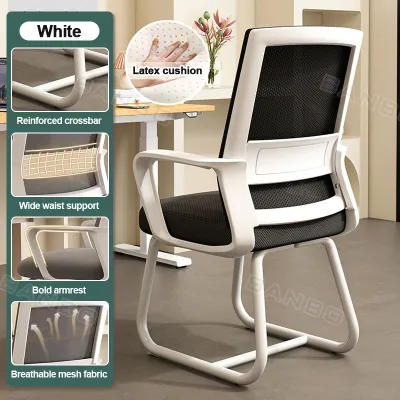
Prices are valid at publication and may change. Please refer to the product page for the latest price.
The base material and diameter form the foundation of the chair’s stability. Heavy-duty models typically feature a five-star base made of reinforced nylon, steel, or die-cast aluminum with a diameter of at least 27 inches. A wider base prevents the chair from tipping when you recline or shift your weight. Underneath the seat, the thickness of the steel control plate—the mechanism connecting the gas lift to the seat pan—determines whether the chair will wobble or tilt unevenly over time.
It is vital to distinguish between a “wide seat” design and actual heavy-duty engineering. Some manufacturers offer oversized seat cushions upholstered in plush materials to mimic a heavy-duty appearance, yet support them with weak Class 2 gas lifts and thin plastic bases. A wide seat provides more surface area for comfort, but without a reinforced internal frame and a certified cylinder, it remains susceptible to structural failure under heavy loads.
Setting Priorities Across the ₱3K to ₱15K Budget
Navigating the ₱3K to ₱15K price spectrum requires a clear strategy of trade-offs. At the lower end of this budget, your primary focus must be absolute structural safety, which means sacrificing advanced ergonomic adjustments in favor of robust core components. As you move toward the middle and upper tiers, your budget unlocks better material durability, refined tilt mechanisms, and customizable support features that prevent physical fatigue.

Regardless of the price point, structural integrity must never be compromised. A cheaper chair with highly adjustable armrests but a flimsy plastic base is a poor investment compared to a basic, fixed-armrest chair built on a solid steel frame. Prioritizing the load-bearing foundation ensures your safety and extends the lifespan of the furniture, saving you from frequent replacement costs.
₱3K–₱6K: Securing Basic Structural Safety
In the entry-level price bracket of ₱3K to ₱6K, your purchasing decisions must be highly disciplined. Focus almost exclusively on verifying the gas lift cylinder and the base construction. Look for product listings that explicitly state a Class 3 or Class 4 gas lift certification and feature a reinforced nylon or steel base. These components are the bare minimum required to support daily use safely without the risk of sudden cylinder failure.
To stay within this budget, you must accept several practical compromises. Expect fixed or basic height-adjustable armrests, simple upright locking tilt mechanisms, and standard polyurethane foam cushions. While these features offer limited ergonomic customization, they allow manufacturers to allocate production costs toward the structural safety of the frame and base rather than complex moving parts.
Be highly cautious of ultra-cheap options on online marketplaces that lack clear weight capacity declarations. Avoid chairs that rely heavily on thin, unbranded plastic components in the backrest frame or the wheel base. In the humid Philippine climate, low-grade plastics degrade faster, becoming brittle and prone to snapping under sudden pressure, making a verified steel or high-density nylon base a much safer choice.
₱6K–₱10K: Upgrading Base Stability and Support
Stepping up to the ₱6K to ₱10K mid-range tier allows you to target enhanced stability and improved weight distribution. At this level, look for chairs featuring die-cast aluminum or heavy-duty steel five-star bases. These materials offer superior resistance to bending and cracking compared to standard nylon. Additionally, larger diameter casters (typically 60mm or larger) ensure smoother movement across tiled or carpeted floors, reducing the physical effort required to glide.
This budget tier also introduces more robust backrest frames and dedicated lumbar support systems. Instead of single-piece plastic shells, look for chairs with dual-frame backrests reinforced with fiberglass or steel brackets. This reinforcement ensures that the backrest can withstand prolonged reclining pressure without sagging or snapping at the connection points, providing consistent spinal alignment throughout the workday.
Furthermore, mid-range chairs often come with better warranty terms from local distributors. While entry-level models might only offer a few months of coverage, chairs in this bracket frequently include one- to two-year warranties covering structural parts like the gas lift, base, and tilt mechanism. This coverage provides peace of mind and protects your investment against premature mechanical defects.
₱10K–₱15K: Maximizing Adjustability and Material Lifespan
With a budget of ₱10K to ₱15K, you can invest in premium materials designed to resist wear under continuous heavy loads. Look for seat cushions made of high-resilience molded foam rather than cheap cut foam. Molded foam is shaped under high pressure, allowing it to retain its thickness and supportive elasticity for years without bottoming out. Alternatively, high-tension elastomeric mesh offers excellent weight distribution while promoting airflow, which is highly beneficial in non-airconditioned Philippine workspaces.
This upper-mid tier provides advanced ergonomic mechanisms, such as synchronized tilt systems that allow the backrest and seat to recline at a supportive 2:1 ratio. You can also expect multi-dimensional adjustable armrests (3D or 4D) that adjust in height, depth, angle, and width, allowing you to align them perfectly with your desk height to reduce shoulder strain. The internal structure of these chairs typically features a fully welded steel frame rather than bolted wooden or plastic supports.
When spending up to ₱15K, verify that the manufacturer or local distributor offers a comprehensive warranty of three to five years. This warranty must explicitly cover moving parts, including the tension control knobs, armrest mechanisms, and tilt locks. A long, detailed warranty is a strong indicator of the manufacturer’s confidence in the chair’s long-term durability under heavy daily use.
Critical Specifications to Verify Before Checkout
Before finalizing your purchase on any ecommerce platform, you must perform a strict technical audit of the product specifications. Cross-reference the seller’s claimed weight capacity with the physical components listed. If a seller claims a 150kg weight limit but specifies a Class 2 gas lift or a standard plastic base, the claim is highly suspect. A genuine 120kg to 150kg capacity requires at least a Class 3 cylinder paired with a reinforced steel or aluminum base.
Next, measure the exact dimensions of the seat pan, backrest height, and the overall footprint of the chair. Ensure the outer width of the base can clear your desk legs and fit comfortably within your designated workspace. If you live in a condominium or an apartment with tight corridors, verify that the packaged box dimensions can easily pass through your doorways and lift access points during delivery.
Finally, scrutinize recent user reviews, focusing on feedback from buyers who have used the chair for several months. Search for specific mentions of squeaking joints, sinking gas lifts, or flattening seat cushions. In the Philippines, user reviews often highlight how materials perform under local humidity, providing valuable real-world insights into whether the mesh sags or the metal parts rust over time.
Managing Hidden Costs and Warranty Limitations
To keep your total expenditure strictly within the ₱3K to ₱15K range, you must account for hidden costs that arise during the purchasing and delivery process. Bulky furniture items like heavy-duty office chairs incur substantial shipping fees, particularly when delivered to provinces outside Metro Manila. Always calculate these shipping costs at checkout to ensure they do not push your total bill beyond your budget limit.
Understanding the fine print of the warranty is equally important to avoid unexpected repair costs. Most furniture warranties cover structural failures, such as a cracked base or a failed gas lift, but exclude normal wear and tear. Damage to casters, armrest pads, and fabric or mesh upholstery caused by daily friction, sweat, or humidity is rarely covered, meaning you will need to maintain these parts carefully.
Lastly, review the seller’s return policy before purchasing. Returning a defective or incorrectly sized heavy-duty chair can be incredibly challenging and expensive. Many online retailers require you to return the item in its original packaging, which can be difficult to store or reassemble. Additionally, clarify whether you or the seller will bear the cost of return shipping, as shipping a heavy 20kg package back to the warehouse can cost thousands of pesos.
Frequently Asked Questions (FAQ)
How can I verify a chair's weight capacity when shopping online?
To verify a chair’s weight capacity online, look for detailed specifications tables rather than relying on promotional titles. Check the product images or description for official certifications, such as BIFMA (Bifma X5.1) or SGS test reports, which indicate the chair has undergone standardized load testing. If the listing lacks clear details, contact the seller directly and ask for the specific gas lift class and base material. A reputable seller should be able to provide the manufacturer’s official specification sheet confirming the maximum safe load.
Is a wider seat always necessary for heavy-duty use?
A wider seat is not a direct indicator of heavy-duty performance. While a spacious seat pan offers more physical room and comfort, the chair’s actual weight capacity is determined by its internal steel frame, the thickness of the seat plate, and the class of the gas lift cylinder. An exceptionally wide seat supported by low-grade components will still fail under heavy loads. Furthermore, a seat that is too wide can prevent your elbows from resting comfortably on the armrests and may not clear the under-desk space of standard Philippine study tables.

Community discussion
Share your experience or ask a question. Comments are reviewed before publication.