
Finding the perfect picnic table for a small apartment balcony comes down to balancing seating capacity with safe, comfortable movement. For most compact balconies, a standard backyard picnic table is simply too large, meaning you must look for specialized space-saving designs. A successful setup requires a table that leaves enough room for you to walk past, pull out seats, and open balcony doors without hitting any obstacles.
Measure Your Balcony and Calculate Clearance Zones
Before browsing online marketplaces or visiting furniture showrooms, grab a tape measure to map out your balcony’s exact footprint. Measure the total length and width from the inner edges of the walls or railings. Be sure to subtract the space occupied by permanent fixtures such as sliding door tracks, drainage pipes, and outdoor air conditioning compressors.
Next, calculate your clearance zones, which are the pathways needed to move around the furniture safely. To comfortably pull out a bench or slide into a chair, you generally need a minimum of 60 to 75 centimeters of clear space behind the seating area. If the balcony serves as a primary emergency exit or leads to utility areas, ensure the walkway remains completely unobstructed.
Products mentioned in this guide
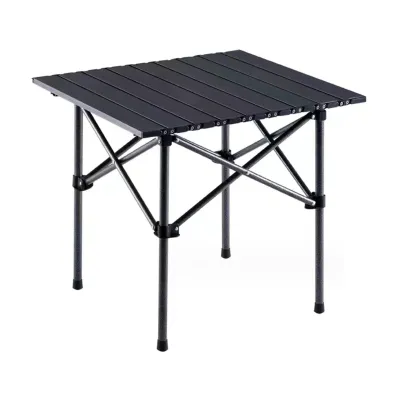
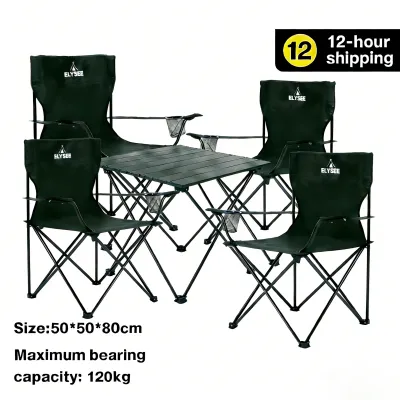
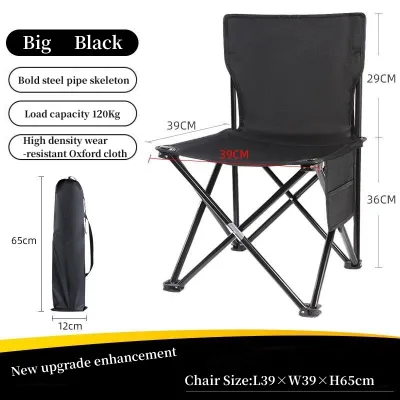
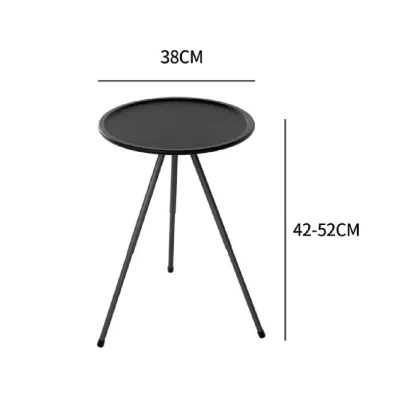
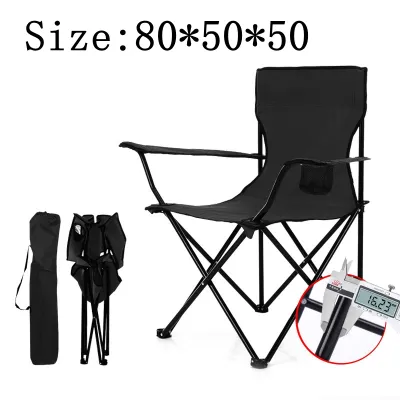
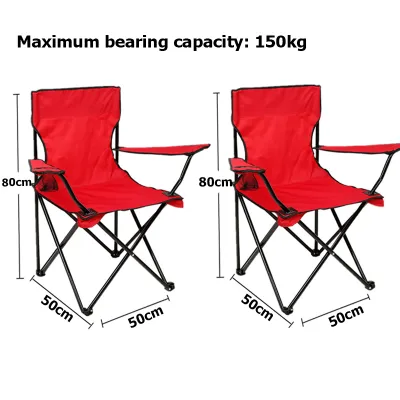
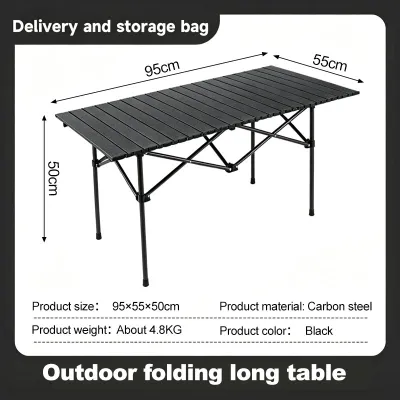
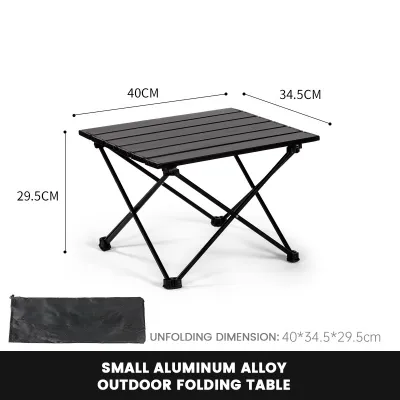
Prices are valid at publication and may change. Please refer to the product page for the latest price.
Finally, consult your building administration or condominium association guidelines before finalizing any purchase. Many high-rise developments enforce strict weight limits for balcony loads and have rules regarding loose furniture that could be displaced by strong tropical winds. Knowing these restrictions beforehand prevents costly compliance issues later.
Match Picnic Table Shapes and Dimensions to Your Space
The shape of your picnic table determines how efficiently it utilizes your available floor area. Rectangular tables are highly effective for long, narrow balconies because they can be pushed directly against a wall or railing when not in use. Square and round tables, on the other hand, work best in wider layouts or corner setups where they can serve as a central gathering point.

To find your maximum table dimensions, subtract your calculated clearance zones from the total width and length of the balcony. For example, if your balcony is 150 centimeters wide and you require 70 centimeters of clearance for seating and walking, your table width should not exceed 80 centimeters. Keeping these limits in mind prevents you from buying a piece that crowds the entire space.
You must also weigh seating capacity against physical comfort and safety. While attached benches offer a classic picnic aesthetic, they have a fixed footprint that cannot be tucked away. Detached benches or chairs allow you to slide the seating completely under the table when finished, keeping the primary exit path clear and safe.
Explore Space-Saving and Flexible Table Designs
If floor space is exceptionally tight, wall-mounted or railing-hung picnic tables offer an excellent alternative. These designs fold down flat against the wall or railing when not in use, instantly freeing up the balcony floor. Before installing one, verify that your balcony wall is made of solid concrete or masonry and can support the weight of the table and any items placed on it.
Drop-leaf and collapsible tables provide another layer of flexibility for small spaces. A drop-leaf picnic table allows you to fold down one or both sides of the tabletop, converting a four-person dining surface into a narrow console table for solo morning coffee. This adaptability is perfect for multi-use balconies where you need space for plants or laundry drying racks.
Choosing detached, foldable seating is another smart way to minimize your outdoor footprint. Foldable wooden or metal benches can be leaned against the wall or stored indoors when you need the balcony floor clear. This setup ensures you only occupy valuable outdoor space when you are actively dining or entertaining.
Avoid Common Sizing and Delivery Mistakes
One of the most common oversights is forgetting to measure the delivery pathway from the building entrance to your apartment door. Even if a picnic table fits perfectly on your balcony, it must first fit inside the condominium’s service elevator, navigate tight stairwells, and pass through your front doorway. Always check the packaged box dimensions against these entry points before ordering.
Another frequent error is ignoring the harsh tropical climate, which brings intense sun, high humidity, and heavy seasonal rains. Instead of assuming a material is naturally weatherproof, check the manufacturer’s specifications for protective finishes, rust-resistant hardware, and joint construction. Look for tables with UV-resistant coatings and proper drainage gaps to prevent water from pooling on the surface.
Lastly, avoid the temptation to maximize seating at the expense of safety. Overcrowding a small balcony with a large table makes daily movement frustrating and can block critical access during an emergency. Prioritize a comfortable, open layout that allows you to enjoy the fresh air without feeling cramped or restricted.
Frequently Asked Questions (FAQ)
Can I use a standard full-size picnic table on a condo balcony?
Standard full-size picnic tables, which often measure 150 to 180 centimeters in length, are generally too large and heavy for a typical condominium balcony. They quickly consume the entire floor area and leave no room for safe clearance or walking paths. Instead, look for compact balcony-specific models, folding bistro sets, or narrow bar-height tables designed for tight residential spaces.
Do I need permission to install a wall-mounted picnic table?
Yes, you should always check with your condominium association or building administration before installing a wall-mounted table. Drilling into exterior walls can compromise waterproofing membranes, violate structural guidelines, or alter the building’s uniform exterior appearance. If drilling is prohibited, consider a railing-hung table or a freestanding folding model that requires no permanent installation.
Community discussion
Share your experience or ask a question. Comments are reviewed before publication.