
Finding the right size Durabox with wheels for your closet space is the key to turning a cluttered wardrobe into an organized, highly functional storage system. While it is tempting to simply buy the largest plastic container available, doing so without measuring often leads to doors that will not close, blocked walkways, or boxes that get jammed under hanging clothes. To ensure a seamless fit, you must carefully match the total external dimensions of the box—including the height added by its wheels—with the physical clearances of your specific closet layout.
By taking the time to measure your wardrobe zones and understanding how wheel configurations affect overall height, you can select a storage solution that maximizes every square centimeter of your home. In tropical environments like the Philippines, where high humidity and seasonal dust require smart home organization, choosing the correct rolling container protects your garments while keeping your living space neat and easy to clean. Whether you are storing seasonal bedding, extra clothing, or daily accessories, the right rolling box makes retrieval effortless.
Measure Your Closet Layout and Clearances
To establish the maximum allowable dimensions for your new rolling storage units, you must conduct a thorough physical assessment of your closet space. Grab a reliable steel tape measure rather than relying on visual estimates, as even a discrepancy of a few millimeters can prevent a plastic container from sliding smoothly past a door frame. Measure the interior height from the floor to the lowest shelf or hanging rod, the interior width from wall to wall, and the interior depth from the back wall to the front frame. Always record these measurements in centimeters or inches, matching the units used by local retailers and manufacturers.
Products mentioned in this guide
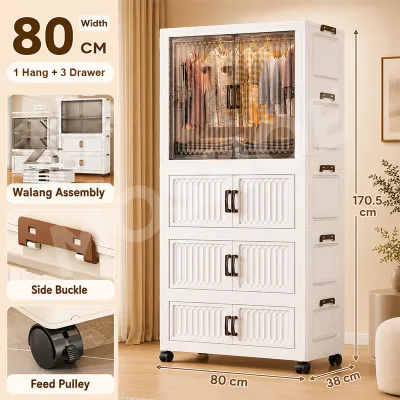
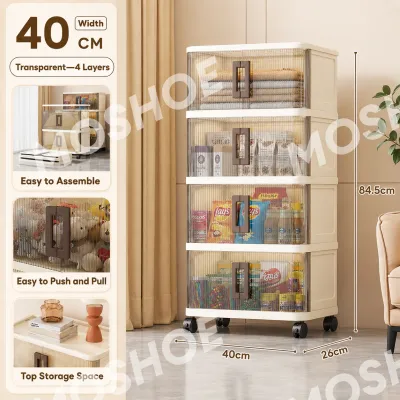
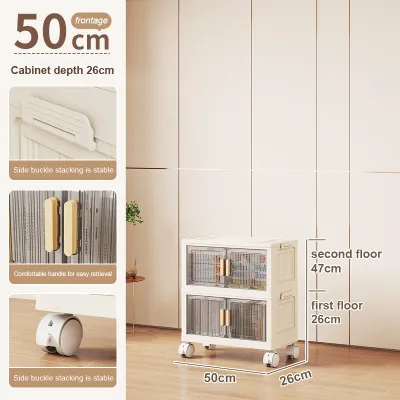
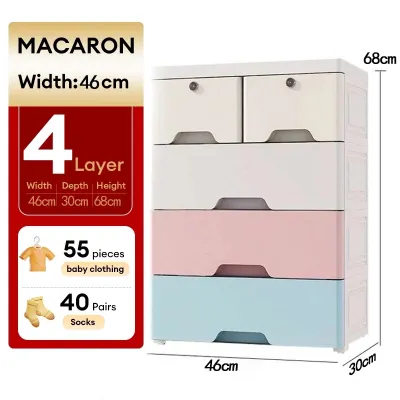
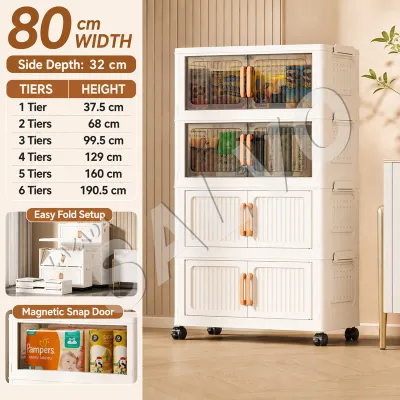
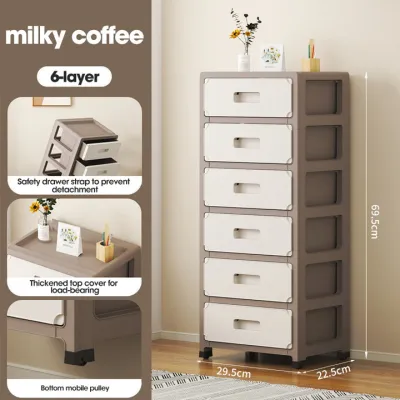
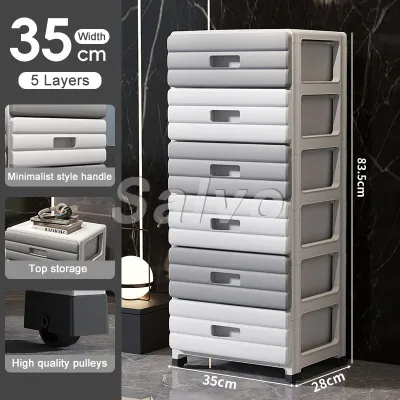
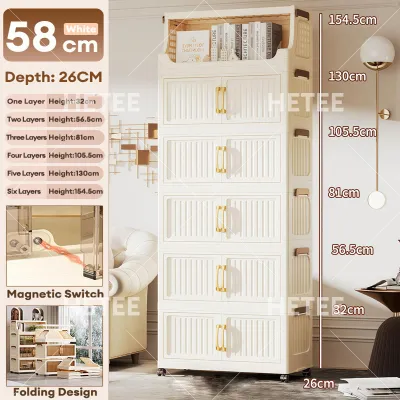
Prices are valid at publication and may change. Please refer to the product page for the latest price.
When calculating these dimensions, you must account for physical obstructions that reduce the actual usable volume inside the wardrobe. Built-in closets in many homes often feature protruding door hinges, sliding door tracks, baseboards, or internal support poles that eat into the clearance. For example, a sliding door track might reduce your usable depth by several centimeters, or a bottom hinge might block a wide rolling box from being pulled out straight. Measure the narrowest point of the opening, rather than the wider interior cavity, to ensure the box can pass through the frame.
Additionally, consider the doorway or lift access in your building if you are transporting multiple large containers at once. Ensure the finished dimensions of the boxes allow them to pass through narrow entryways and bedroom doors easily. The door swing radius is another critical factor that dictates how much clearance you need. If your closet has hinged doors, they must be able to open wide enough to allow the box to roll out without scraping against the inside of the door panel. For closets with sliding doors, the opening width is typically halved, meaning you can only utilize one side of the closet opening at a time; your rolling box must be narrow enough to pass through this restricted space.
Finally, look beyond the closet itself and measure the external pathway leading into your bedroom. A loaded storage container is only useful if you can maneuver it out of the closet to access its contents. Ensure there is sufficient floor clearance between the closet door and adjacent bedroom furniture, such as your bed frame, nightstand, or desk. If your bedroom has a compact layout, you will need to choose a box size that can be easily rotated or pulled out at an angle without colliding with other items.
Decode Durabox External Dimensions and Wheel Height
When shopping for a Durabox with wheels, a common pitfall is relying on the capacity rating, which is typically advertised in liters. This volume measurement refers to the internal storage capacity and does not represent the actual physical space the container occupies in your room. A 50-liter box from one manufacturer can have completely different external dimensions than a 50-liter box from another, depending on whether the design is tall and narrow or short and wide. Always locate the manufacturer’s official external length, width, and height specifications on the product packaging or online listing.

The inclusion of wheels is a major variable that alters the total height footprint of the storage box. Manufacturers sometimes list the dimensions of the plastic tub alone, excluding the height added by the wheel casters. Depending on the model, wheels can add anywhere from 3 to 7 centimeters to the overall height. This added height is crucial when you are trying to slide a box under low-hanging garments or lower shelves, where even a tiny miscalculation can cause the lid of the box to scrape against your clothes or the shelf above.
You must also evaluate the specific wheel configuration, choosing between fixed wheels and swivel casters. Fixed wheels only roll forward and backward, which is ideal for deep, narrow closets where you only need to pull the box straight out. Swivel casters rotate 360 degrees, offering superior maneuverability in tight spaces, though they may require slightly more vertical clearance. In tropical climates where dust and humidity can accumulate quickly near the floor, verify the manufacturer’s care instructions and check the wheel joints and finish to ensure they can withstand the local environment.
Always verify the manufacturer’s specified load capacity and check the stability of the box, especially if you plan to stack multiple units. Overloading a rolling box beyond its recommended weight limit can warp the plastic base, stress the wheel joints, and make the unit highly unstable or prone to tipping when rolled. Additionally, look closely at the design of the lid and the side handles. Many heavy-duty plastic boxes feature lid overhangs or molded handles that extend beyond the main body of the container. These protrusions can add 2 to 4 centimeters to the overall width and depth. If your closet space is tight, these extra centimeters can prevent two boxes from sitting side-by-side or cause the box to jam against the closet’s side walls.
Match Box Configurations to Specific Closet Zones
Different areas of your closet demand different storage configurations to maximize efficiency and maintain accessibility.
Under Hanging Garments
The area beneath your hanging clothes is highly valuable storage space, but it requires careful vertical planning. Measure the distance from the floor to the bottom hem of your longest hanging garments, such as trousers, long shirts, or dresses. To prevent your clothes from dragging along the dusty lid of the box or getting caught in the wheels as you roll it out, leave a clearance gap of at least 5 to 10 centimeters. If your vertical space is extremely limited, check if the wheels on your chosen Durabox are detachable. Removing the wheels allows the box to sit flat on the floor, saving valuable vertical clearance while still utilizing the box for seasonal storage. Check the joints where the wheels attach to the base; sturdy joints ensure the box remains stable even when loaded with heavy fabrics.
Bottom Shelves and Deep Corners
Placing rolling storage boxes on bottom shelves or in deep wardrobe corners requires a focus on depth and ease of retrieval. Ensure the depth of the box is slightly less than the depth of the shelf so that the wardrobe doors can close fully without pushing against the container. For deep, dark corners of your closet, select a Durabox equipped with smooth-rolling swivel wheels. This setup allows you to easily guide a heavy, fully loaded box out from the back of the closet without straining your back or scraping the interior walls of your wardrobe. Always check the finish of your closet floor; if you have delicate wooden shelving or laminate flooring, ensure the wheels are smooth and free of sharp plastic seams to prevent scratches.
Aisle and Walkway Clearance
The space directly in front of your closet is just as important as the space inside it. When planning your layout, ensure that the floor area in front of the wardrobe is clear of permanent obstacles. You must be able to pull the rolling box completely out of the closet and rotate it if necessary to open the lid and retrieve your stored items. If your bedroom walkway is narrow, opt for multiple smaller, narrower boxes rather than one large, wide container, as smaller boxes are much easier to maneuver in tight spaces.
Common Sizing and Clearance Mistakes to Avoid
Avoiding common spatial planning errors can save you the hassle of returning bulky items or dealing with a cluttered bedroom.
- Relying solely on liter capacity: Never assume a specific liter capacity will fit your space. Always cross-reference the exact external dimensions, including the lid and wheels, with your closet measurements.
- Forgetting lid overhangs and handles: Molded handles and lid latches often protrude past the base of the box. If you plan to place multiple boxes side-by-side on a shelf, factor in these extra centimeters to avoid a tight, wedged fit.
- Ignoring the floor surface: The type of flooring in your bedroom affects how well the wheels will roll. While small, hard plastic wheels glide effortlessly on tiled or polished wooden floors, they can struggle or sink into thick carpets and rugs. If you have carpeted floors, look for boxes with larger, sturdier wheels, or consider removing the wheels entirely and using felt sliders.
- Leaving no finger space: A box that fits your closet shelf perfectly with zero clearance on the sides is incredibly difficult to pull out. Always leave at least 2 to 3 centimeters of space on either side of the box so you can easily grip the handles and slide it out without scraping your knuckles.
Frequently Asked Questions (FAQ)
Can I remove the wheels to make the durabox fit under a low shelf?
Yes, many modern heavy-duty plastic storage boxes, including various Durabox models, feature detachable wheels. Before purchasing, check the product specifications or the base design to see if the wheels use a simple snap-on or screw-in mechanism. Keep in mind that removing the wheels will lower the total height of the box by several centimeters, allowing it to slide into tighter spaces. However, without wheels, you will need to lift the box or slide it manually, which can scratch delicate wooden closet floors if the box is heavily loaded.
How much extra space should I leave around the durabox for easy pulling?
As a general rule, you should leave a clearance gap of at least 2 to 3 centimeters on the sides and top of the box. This gap ensures adequate airflow, which is particularly important in humid climates to prevent musty odors and mold growth on stored fabrics. For the front clearance, ensure you have a completely unobstructed space that is equal to or greater than the full length of the box. This allows you to roll the container completely out of the closet and open the lid comfortably without hitting walls or other furniture.
Community discussion
Share your experience or ask a question. Comments are reviewed before publication.