
To find a Uratex double sofa bed that matches a Japandi living room, you must look for low-profile silhouettes, neutral earth-toned upholstery, and clean, uncluttered lines. The ideal choice balances the Japanese appreciation for minimalist utility with Scandinavian warmth. A double sofa bed is a highly practical choice for space-conscious Philippine homes, such as urban condominiums or cozy townhouses, but it must be selected carefully to avoid disrupting the room’s visual flow.
This guide explores how to evaluate fabric textures, structural lines, space requirements, and maintenance routines to ensure your choice enhances rather than disrupts your serene Japandi sanctuary.
Core Criteria for Japandi Sofa Bed Selection
Japandi design represents a thoughtful marriage between the rustic warmth of Scandinavian ‘hygge’ and the refined, minimalist simplicity of Japanese ‘wabi-sabi’. When bringing this aesthetic into a modern home, every piece of furniture must justify its presence through both utility and visual serenity. A double sofa bed is an exceptionally practical addition, particularly in space-conscious urban settings. However, integrating one seamlessly requires a careful balance. You must select a piece that serves as a comfortable daily seat and a supportive guest bed without overwhelming the room’s visual flow.
Products mentioned in this guide
![[NEW ITEM] [HOT SALE] URATEX AZTA SOFA BED 5 1/2 X30 X73/AZTA/SOFA BED/COMFY BED](https://img.lazcdn.com/g/p/d694f80ad3bd7df2b06b51959634ad50.jpg_400x400q80.jpg_.webp)


Prices are valid at publication and may change. Please refer to the product page for the latest price.
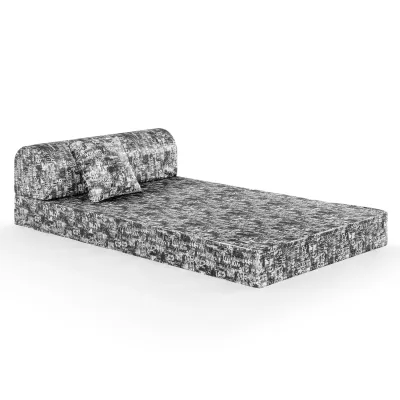
To achieve this balance, your primary visual filter should be simplicity. Japandi spaces thrive on clean lines and uncluttered surfaces, meaning your sofa bed should avoid ornate details, bulky silhouettes, or overly shiny synthetic fabrics. Instead, focus on low-profile designs that sit close to the floor, which naturally creates an airy feel. Functionally, you must evaluate the conversion mechanism. Whether you choose a three-fold foam mattress that unfolds directly onto the floor or a click-clack frame that transitions with a simple hinge, the mechanism must operate smoothly and fit within your room’s physical limits. Before making a purchase, always verify the exact dimensions, fabric textures, and structural integrity of the model to ensure it aligns with both your lifestyle and your design goals.
Identifying Japandi Design Elements in Sofa Beds
To confidently identify a sofa bed that fits the Japandi aesthetic, you must train your eye to look for specific design elements across colors, silhouettes, fabrics, and structural bases. The color palette of a Japandi room is rooted in nature, focusing on warm, muted tones that evoke a sense of calm. When browsing double sofa beds, look past stark, clinical whites or highly saturated primary colors. Instead, seek out earthy neutrals such as soft oatmeal, warm sand, muted taupe, gentle olive green, or warm grays. These shades reflect natural light beautifully, making your living room feel bright and airy during the day while remaining cozy and inviting at night.

The silhouette of the sofa bed should emphasize clean, geometric lines. Look for straight, defined edges or soft, organic curves that feel light and unobtrusive. Avoid designs with thick, oversized armrests or heavy, decorative tufting, as these elements add unnecessary visual noise and physical bulk. An armless double sofa bed or one with very slim, tailored arms is often the ideal choice for a Japandi space, as it maximizes the seating area while maintaining a compact, minimalist footprint.
Fabric texture plays a crucial role in a minimalist room, serving as the primary source of visual warmth and tactile interest. When evaluating upholstery, look for woven textures that mimic the appearance of natural linen, cotton canvas, or soft wool blends. Avoid high-shine fabrics, synthetic leathers that can feel sticky and uncomfortable in tropical humidity, or heavy velvets that feel too formal. A matte, breathable fabric blend is highly recommended for the Philippine climate, as it offers excellent comfort during warm afternoons while maintaining a relaxed, organic appearance.
Finally, pay close attention to the leg and base materials of the sofa bed. If the model features visible legs, they should ideally be crafted from light- to medium-toned wood, such as ash, beech, or rubberwood, with clean, tapered, or cylindrical shapes. If the sofa bed is a floor-based foam model without visible legs, ensure the cover is tightly tailored and structured. A well-fitted cover prevents the piece from looking like a temporary mattress, keeping it looking like a deliberate, sophisticated element of your living room design.
Evaluating Uratex Double Sofa Bed Options
When you begin exploring the Uratex catalog, either online or at a local showroom, navigating the wide variety of options requires a structured approach. Start by filtering your search specifically for ‘double’ size models, which typically measure 54 inches in width. This size offers a comfortable sleeping space for two guests while remaining compact enough to fit into standard living room layouts. As you browse, categorize the models by their mechanism type: all-foam folding designs, metal-framed pull-outs, or click-clack futons. For a Japandi aesthetic, sleek click-clack models or high-density foam folding sofa beds with premium, tailored fabric covers generally offer the cleanest lines and most minimalist profiles.
When planning your budget, double sofa beds in this category typically range from ₱5,000 to ₱15,000 depending on the frame and fabric quality. Allocating your budget carefully between the sofa bed itself and minimalist accessories ensures a cohesive look without overspending. Do not rely solely on digital product photos, as colors and textures can vary significantly on different screens. Instead, read the product specifications and fabric tags with care. Look for detailed information regarding fabric composition, durability, and maintenance. In tropical environments, a polyester-cotton blend is often an excellent choice, as it combines the matte, natural look of cotton with the strength and moisture resistance of polyester. Always check the cleaning codes on the product tag—such as ‘W’ for water-based cleaning or ‘S’ for mild solvents—to ensure you can easily clean the upholstery and keep your sofa bed looking pristine over time.
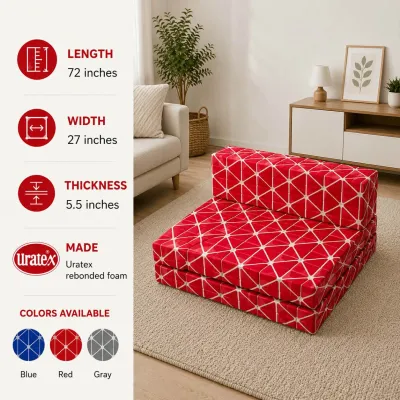
Comfort and support are non-negotiable, as a sofa bed must perform exceptionally well in both of its roles. Check the density and thickness of the foam core. High-density foam is essential for maintaining the sofa’s structural integrity and preventing sagging, which would quickly ruin the clean, straight lines of your Japandi decor. For a comfortable night’s sleep, look for a foam thickness of at least 4 to 6 inches. This thickness provides adequate support for the body without making the sofa bed excessively heavy or difficult to fold and unfold.
If possible, visit an authorized showroom to view physical fabric swatches in person. Take the swatches near a window to observe how the color looks under natural daylight. A gray fabric that appears perfectly neutral under cool showroom lights might reveal unexpected blue or purple undertones in your home, which could clash with the warm wood tones of your Japandi furniture. Taking the time to verify these details in person ensures a harmonious match.
Space Planning and Layout Checks for Japandi Rooms
To maintain the spacious, uncluttered feel that is central to Japandi design, thorough space planning is essential before purchasing your double sofa bed. Begin by measuring your living room’s available footprint. Use painter’s tape to outline both the closed sofa dimensions and the fully extended bed dimensions on your floor. This physical template allows you to visualize exactly how much space the furniture will occupy. Ensure there is a clearance of at least 60 centimeters (approximately 24 inches) around the extended bed, allowing guests to move around comfortably without bumping into walls, side tables, or other furniture.
Preserving negative space—often referred to as ‘ma’ in Japanese design—is critical for creating a serene, balanced environment. Avoid the temptation to crowd your sofa bed with too many surrounding pieces. Leave ample open floor space around the sofa to allow the room to feel light and airy. If your sofa bed must be placed against a wall, try to leave some breathing room on either side rather than jamming it tightly into a corner. This open space enhances the minimalist aesthetic and makes the room feel significantly larger.
Another vital step is checking doorway, hallway, and elevator access. Measure the width and height of all entry points, including your front door, apartment corridors, stairwells, and elevator doors, and compare them against the packaged dimensions of the sofa bed. This is especially important for high-rise condominium living in urban areas, where navigating tight corners and standard passenger lifts with bulky furniture can be highly challenging. Verifying these measurements beforehand prevents delivery day stress and potential damage to your walls or new furniture.
Finally, focus on balancing the room’s proportions. Pair your low-profile double sofa bed with other low-slung, minimalist furniture. Choose a lightweight wooden coffee table or a set of nesting tables that can be easily moved aside when it is time to convert the sofa into a bed. Complete the layout with natural, textured elements, such as a woven jute rug, a single potted plant like a snake plant, and soft, indirect lighting to create a cohesive, peaceful sanctuary.
Maintaining the Minimalist Aesthetic Over Time
A beautiful Japandi living room requires ongoing care to preserve its clean, structured, and serene appearance. To keep your double sofa bed looking its best, establish a simple yet consistent routine upkeep schedule. Vacuum the upholstery weekly using a soft brush attachment to remove dust, pet hair, and fibers, which can accumulate quickly in tropical climates. If your sofa bed features loose cushions, rotate and fluff them regularly to ensure even wear and prevent the foam from developing permanent indentations, which would disrupt the clean lines of the sofa.
Accidents happen, and when they do, handling spills and stains promptly is crucial for maintaining a light-colored, minimalist sofa. Always blot spills immediately with a clean, dry microfiber cloth—never rub or scrub, as this can spread the liquid and push it deeper into the foam fibers. Use mild, diluted upholstery cleaners recommended by the manufacturer, and always perform a spot test on a small, hidden area first to ensure the cleaner does not alter the fabric’s color or matte finish. Avoid harsh chemical cleaners, which can degrade the foam and damage the upholstery fibers.
Managing bedding storage is another key aspect of keeping your living room tidy and uncluttered. Because many double sofa beds do not include built-in storage compartments, you must plan where to store pillows, sheets, and blankets when the bed is folded away. To keep these items out of sight and maintain a clean aesthetic, utilize nearby minimalist storage solutions. A large, woven rattan basket with a lid or a sleek wooden sideboard can store your bedding beautifully while adding natural texture to your Japandi decor.
Lastly, know when to seek professional assistance. If your sofa bed experiences deep-set stains, persistent odors caused by high humidity, or structural issues, avoid attempting complex DIY repairs that could damage the materials or void your warranty. Contact authorized professional upholstery cleaning services to safely restore your sofa bed, ensuring it remains a beautiful, comfortable, and functional centerpiece in your home for many years to come.
Frequently Asked Questions (FAQ)
Can I use a dark-colored Uratex sofa bed in a Japandi room?
Yes, you can absolutely integrate a dark-colored sofa bed into a Japandi living room, provided you balance it with lighter elements. While light neutrals like oatmeal and sand are traditional, dark, earthy tones such as charcoal gray, deep forest green, or rich espresso brown can serve as excellent grounding pieces. The key is to create contrast and balance. Pair a dark double sofa bed with light-colored walls, pale wood accents (such as oak or ash), and plenty of natural light to keep the space from feeling heavy or cramped. Ensure the upholstery fabric has a natural, matte texture rather than a synthetic sheen, which helps preserve the organic, rustic feel of the design.
What if the Uratex model I like lacks wooden legs?
If the model you prefer has a concealed base or sits directly on the floor—as is common with many folding foam sofa beds—you can still achieve a stunning Japandi look. Floor-based furniture is deeply rooted in traditional Japanese design, which emphasizes low-to-the-ground living and a close connection to the floor. To balance the visual weight of a legless sofa bed, surround it with lightweight, airy decor. Use a low-profile wooden coffee table, a thin-framed floor lamp, and a light-colored, textured rug to define the seating area. This contrast between the grounded sofa bed and the lighter surrounding elements creates a balanced, harmonious layout that perfectly aligns with the Japandi philosophy.
Community discussion
Share your experience or ask a question. Comments are reviewed before publication.