
Finding the right foldable table for a condo open kitchen in the Philippines depends on balancing your floor plan with your daily habits. For ultra-compact kitchens with solid concrete walls, a wall-mounted table offers the ultimate space-saving solution by folding completely flat. If you have a flexible layout and want a dining spot that can move around, a freestanding drop-leaf table provides adjustable surface area without requiring permanent installation. For those who need a mobile prep station that doubles as a breakfast bar, a cart-style table on wheels offers excellent versatility. Ultimately, the best choice hinges on your available floor space, wall structural integrity, and how you navigate your kitchen workflow.
Assessing Your Space and Daily Routine
Before choosing a foldable table, evaluate your condo’s physical layout and daily traffic. Measure the exact floor footprint where you plan to place the table, paying close attention to high-traffic walkways. In compact open-plan condos, a table that blocks the path between the cooking area and the living space can quickly become a daily frustration. Ensure there is always a clear path, even when the table is fully extended.
Next, analyze your daily usage patterns. Ask yourself if this table will serve as your primary daily dining spot, a temporary food preparation area, or an occasional entertaining bar. A table used daily for heavy meal prep requires a much sturdier, easier-to-clean surface than one used occasionally for a quick morning coffee.
Products mentioned in this guide
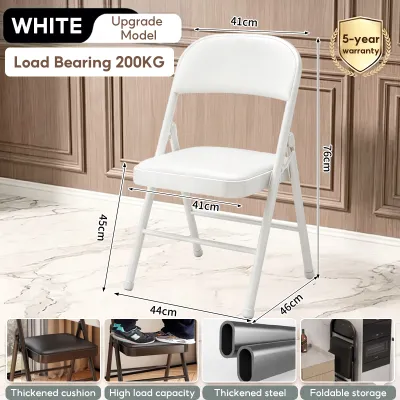
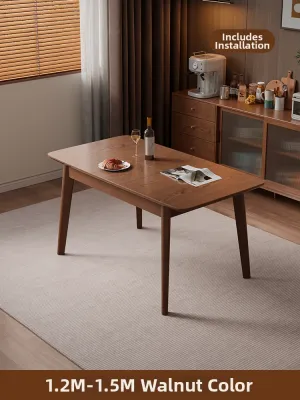
Prices are valid at publication and may change. Please refer to the product page for the latest price.
Finally, check the structural limits of your condo. Wall-mounted designs require solid structural support, meaning you must verify whether your walls are made of solid concrete or hollow drywall. For mobile options, inspect your floor surfaces to ensure they are level and smooth enough for wheels to roll safely. Consider whether you need a table that can fold down and tuck away, or if you prefer a model that remains a permanent fixture but simply shrinks in size.
Comparing Foldable Bar Table Styles
Selecting the right foldable table style requires comparing how different designs handle space efficiency, stability, and mobility. While some options offer permanent, rock-solid stability, others prioritize the flexibility to rearrange your layout at a moment’s notice.

Wall-Mounted Drop-Leaf Tables
Wall-mounted drop-leaf tables are the premier choice for maximizing floor space in tight condo kitchens. Because they anchor directly to the wall, they eliminate the need for table legs, creating a clean, minimalist aesthetic that makes small open kitchens feel much larger. When folded down, these tables hug the wall closely, keeping walkways completely clear.
However, installation requires careful preparation. You must locate the structural wall studs if mounting on drywall, or use appropriate masonry anchors if drilling into concrete walls. It is critical to verify the manufacturer’s weight capacity limits, as these tables rely entirely on the strength of their wall anchors and hinges. Additionally, because their position is fixed, you must ensure you have compatible bar stools that can tuck completely underneath or fold flat to keep the area tidy.
Freestanding Drop-Leaf and Gateleg Tables
Freestanding drop-leaf and gateleg tables offer excellent versatility without requiring you to drill into your condo walls. These tables feature hinged panels that can be raised or lowered depending on how many people are dining. This allows you to easily scale the table from a compact two-person breakfast nook to a larger dining surface when you have company.
Stability is a key factor to check with freestanding models. Some designs can become prone to tipping if you only raise one leaf without ensuring the base support or gateleg is fully extended and locked. You should also keep in mind that even when both leaves are folded down, the central base and legs will still occupy a permanent footprint on your kitchen floor, so you must plan where this base will sit when the table is not in use.
Mobile Cart-Style Bar Tables
Mobile cart-style bar tables combine a dining surface with valuable extra storage and prep space. Equipped with wheels, these units can function as a central kitchen island during meal prep and then roll over to the living area to serve as a drinks station or breakfast bar. This dual-purpose design is highly practical for active home cooks who need flexible workspace.
When choosing a cart-style table, flooring compatibility is essential. You must ensure your floor tiles or laminated flooring can handle rolling wheels without scratching, and the wheels must feature robust locking mechanisms to keep the table stable while you eat or chop vegetables. Keep in mind that cart-style tables tend to have more visual bulk than other styles, meaning you will need a dedicated parking spot in your condo where the cart can sit neatly when it is folded.
Essential Dimensions and Clearance Checks
To avoid buying a table that feels cramped, perform precise dimension and clearance checks. Start by measuring the exact footprint of the table in both its fully folded and fully expanded states. Compare these measurements against your kitchen layout to ensure that opening the table does not block access to your refrigerator, oven, or cabinet doors.
Ergonomics play a vital role in how comfortable your bar table will be to use. Standard bar tables typically stand around 100 to 105 centimeters high, which requires bar stools with a seat height of approximately 70 to 75 centimeters to allow comfortable legroom. Always measure the distance from the underside of the table frame to the floor to ensure your knees will not bump against any folding brackets.
Walkway clearance is another critical factor for safety and comfort. You should aim for a minimum clearance of 90 centimeters of open walkway space around the table when it is fully expanded. This ensures that family members can walk past comfortably. For wall-mounted units, check the folded thickness specified by the manufacturer; even a table that folds flat can protrude by several centimeters, which might catch on clothing if installed in a narrow hallway. Finally, verify the maximum weight capacity of the folding mechanisms in the product specifications to ensure they can safely support your daily dining needs.
Surface Materials and Kitchen Durability Checks
In a condo kitchen, your foldable table will be exposed to moisture, heat, and spills, making material durability a top priority. Rather than relying solely on generic material names like wood or metal, inspect the specific surface treatments and finishes used. Look for tables with fully sealed edges and waterproof laminates that prevent moisture from seeping into the core material, which can cause swelling and warping over time.
Always check the manufacturer’s care instructions to verify how the surface handles common kitchen hazards. A good kitchen bar table should offer reasonable resistance to hot coffee mugs, oil splatters, and acidic spills like vinegar or citrus juice. Avoid porous, untreated wood surfaces that absorb liquids easily, as these require high maintenance and are prone to staining.
The tropical climate and high humidity levels in the Philippines also mean you must pay close attention to the hardware. Inspect the folding joints, brackets, and hinges to ensure they feature rust-resistant finishes or powder coatings. Moisture from cooking and humid air can cause untreated metal hinges to stiffen or rust, which compromises the smooth folding action of your table. Choosing high-quality, corrosion-resistant hardware ensures your table remains easy to operate.
Frequently Asked Questions (FAQ)
Can I install a wall-mounted bar table on drywall?
Yes, but you must take specific structural precautions. Standard drywall alone cannot support the downward leverage and weight of a folding bar table. You must locate the wooden or metal studs behind the drywall using a stud finder and secure the mounting brackets directly into them. If studs are not positioned where you want the table, or if your condo has concrete walls behind plaster, use specialized heavy-duty masonry anchors. If you are unsure of your wall’s composition, consult a professional installer to prevent wall damage.
What height bar stools work best with foldable bar tables?
The best bar stools match the specific height of your table while maintaining a compact footprint. For a standard bar-height table of 100 to 105 centimeters, look for stools with a seat height of 70 to 75 centimeters. If your foldable table is counter-height (around 90 centimeters), you will need counter stools with a seat height of 60 to 65 centimeters. To maximize space, choose stools without bulky armrests or backs so they can slide completely under the table.
How do I maintain the folding hinges in a kitchen environment?
To keep the folding mechanisms operating smoothly, perform regular visual inspections to check for dust and grease buildup. Wipe the hinges down periodically with a clean, dry microfiber cloth, or a slightly damp cloth with mild soap if there is sticky kitchen grease. Always dry the hardware thoroughly afterward to prevent rust. Before applying any lubricants, consult the manufacturer’s guidelines, as some folding mechanisms use self-lubricating nylon washers that can be damaged by harsh chemical lubricants.
Community discussion
Share your experience or ask a question. Comments are reviewed before publication.