
Selecting the best foldable bar table for a small condo kitchen in the Philippines requires balancing physical footprint, structural stability, and ease of operation. Because typical metropolitan condos feature open-concept layouts where the kitchen flows directly into the living space, a bar table must serve multiple roles—acting as a food preparation surface, a dining area, and a remote work desk—without obstructing daily foot traffic. The ideal solution relies on selecting a mechanism that matches your wall type or floor space, verifying the manufacturer’s weight limits, and ensuring the materials can withstand tropical humidity. By focusing on these practical considerations, you can maximize your limited square footage while maintaining a stylish, functional home.
Key Selection Criteria for Compact Open Kitchens
When living in a compact condominium, every square meter of floor space must be carefully managed. The primary challenge of an open-plan kitchen is maintaining a smooth traffic flow between the cooking zone, the living area, and the entryway. A bar table that is too large or poorly positioned can create a bottleneck, making the entire unit feel cramped and uncomfortable. Therefore, the first step in your selection process is evaluating both the folded and unfolded footprint of the table against your available floor space. When fully extended, the table should allow for comfortable seating while leaving enough room for someone to walk past without disruption. When folded, it should collapse into a slim profile that integrates seamlessly into the room’s layout.
Weight capacity is another critical factor that is often overlooked. Unlike standard dining tables, foldable bar tables rely on hinges, brackets, or folding legs that bear the brunt of downward pressure. You must check the manufacturer’s weight capacity labels to ensure the table can safely handle your intended activities. If you only plan to use the table for light dining, a capacity of 15 to 20 kilograms may suffice. However, if you intend to use it as an extension of your kitchen counter for food preparation, heavy mixing bowls, or small appliances like microwave ovens and air fryers, look for a certified capacity of at least 40 to 50 kilograms. Operating within these limits prevents structural sagging and ensures long-term safety.
Products mentioned in this guide
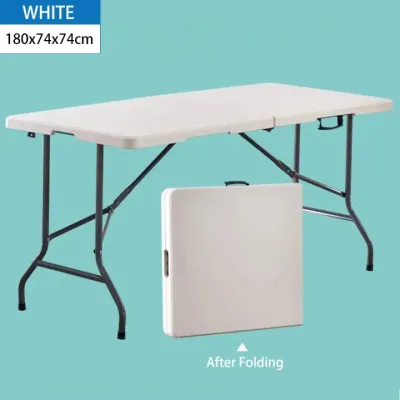
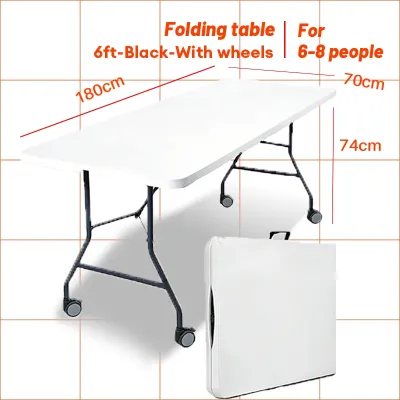
Prices are valid at publication and may change. Please refer to the product page for the latest price.
Finally, consider height compatibility. Standard bar tables typically stand between 90 and 105 centimeters high, which is higher than standard dining tables. This height requires matching stools that allow for comfortable seating. To ensure a proper fit, measure the distance from the floor to the underside of the tabletop. Your bar stools should have a seat height that leaves approximately 25 to 30 centimeters of clearance between the seat and the table. This gap provides adequate legroom for most adults. If space is exceptionally tight, look for backless stools that can slide completely underneath the table when it is folded, keeping the floor area entirely clear when the dining setup is not in use.
Space-Saving Mechanisms and Configurations
The choice of folding mechanism dictates how easily you can transition your kitchen from a cooking zone to a dining space. Different configurations offer distinct advantages in terms of floor clearance, installation complexity, and structural stability. Understanding these mechanisms helps you choose a design that aligns with your daily routine and physical space.

Wall-Mounted Drop-Leaf and Floating Tables
Wall-mounted drop-leaf tables are excellent for maximizing floor clearance because they eliminate table legs entirely when folded. These tables are permanently anchored to the wall, allowing the tabletop to swing upward and lock into place for use, and drop down flat against the wall when finished. This configuration is ideal for narrow hallways or tight kitchen corners where floor space is at a premium. However, their safety and weight capacity depend heavily on proper installation. In Philippine condos, walls are often made of solid concrete or hollow blocks, which require masonry drill bits and heavy-duty expansion bolts. If mounting on a drywall partition, you must locate the metal or wooden studs; mounting directly into unsupported drywall with standard plugs will lead to structural failure.
Hinge quality is paramount for wall-mounted units. Look for heavy-duty steel or stainless steel brackets with positive locking mechanisms that click securely into place when extended. The visual profile when folded should be as flush as possible, ideally protruding no more than 5 to 10 centimeters from the wall, to prevent shoulders or bags from catching on the edge as people walk past. Additionally, consider the aesthetic impact of the folded table; since the underside of the tabletop will be visible when collapsed, choosing a finish that matches your wall color or kitchen cabinetry helps maintain a clean, cohesive look.
Freestanding Folding and Extendable Tables
Freestanding tables offer flexibility because they do not require permanent wall installation, making them ideal for renters or those who like to rearrange their furniture. Drop-leaf freestanding tables feature side panels that fold down, allowing the table to function as a slim console against a wall when not in use, and expand into a full dining surface when guests arrive. Other designs feature legs that fold flat against the tabletop, allowing the entire unit to be stored in a closet or behind a sofa.
When evaluating these tables, stability is the primary concern. Check for robust wheel locks on caster models to prevent the table from sliding during a meal. The base weight must be sufficient to prevent tipping when only one leaf is extended. Look for support legs that swing out and lock mechanically under the extended leaves, providing a rigid frame that resists wobbling. When fully collapsed, the table should have a compact footprint that can easily slide into a narrow gap beside a refrigerator or inside a utility closet.
Material and Stability Checks for Daily Use
In the Philippines, high relative humidity and warm temperatures can accelerate wear on furniture materials. When shopping, inspect the joint connections, hinges, and support brackets. Avoid tables with loose rivets or thin plastic components in the folding joints; instead, prioritize welded steel frames, powder-coated metal parts, and solid brass or stainless steel hinges that resist rust. A sturdy frame is essential for preventing wobble, especially at bar height where the center of gravity is higher.
Surface materials must withstand the typical kitchen environment. Read care labels to verify resistance to moisture, stains, and heat. Melamine-faced particle board or medium-density fiberboard (MDF) must have high-quality edge banding to prevent water from penetrating the core, which causes swelling and warping. Solid hardwoods like rubberwood or acacia, treated with water-resistant sealants, offer excellent durability but require periodic oiling or resealing. Avoid untreated softwoods or low-grade laminates that peel easily when exposed to spills or condensation from cold drinks.
Finally, check the base design. Smooth condo flooring, such as polished ceramic tiles or vinyl planks, can be slippery. Ensure the table legs are equipped with non-slip rubber or silicone pads. These pads not only prevent the table from sliding when you apply downward pressure during food prep but also protect your flooring from scratches. For freestanding models, a wider base or weighted bottom plate significantly reduces the risk of accidental tipping, especially if you have pets or active household members.
Pre-Purchase Measurement and Clearance Checklist
Before purchasing any foldable bar table, precise measurements are essential to avoid layout conflicts. Walkway clearance is the first priority. Ensure that when the table is fully extended, there remains at least 80 to 90 centimeters of clear passage space. This allows family members to walk past without forcing the seated person to tuck in or stand up. You can use masking tape to outline the table’s dimensions on your kitchen floor to visualize the physical impact before making a decision.
Next, map out the swing paths of nearby appliances and cabinets. Open your refrigerator, oven, microwave, and dishwasher doors completely to ensure they do not collide with the table legs or tabletop when extended. Similarly, check that low-level kitchen drawers can open fully without obstruction. If your kitchen layout is tight, a wall-mounted table that folds down may block access to lower cabinets, so plan the mounting height and position carefully to minimize interference with daily kitchen tasks.
Lastly, consider vertical clearance. Bar-height tables position your seating higher than standard dining sets. Verify that the overhead space is clear of low-hanging pendant lights, range hoods, or wall-mounted air conditioning units. A seated adult needs adequate headroom, and positioning a bar table directly under a low pendant light can lead to accidental head bumps when standing up. Ensure there is at least 75 to 80 centimeters of clearance between the tabletop and any hanging light fixtures to maintain safety and comfortable illumination.
Frequently Asked Questions (FAQ)
Can I install a wall-mounted foldable table on condo drywall?
Yes, but you must take specific structural precautions. Standard drywall partitions in modern condos cannot support the leverage and weight of a wall-mounted bar table if anchored only with plastic wall plugs. You must locate the internal metal or wooden studs using a stud finder and secure the mounting brackets directly into them using self-tapping drywall screws or heavy-duty toggle bolts. If the studs do not align with your desired table position, you may need to install a wooden backing board secured across multiple studs first, then mount the table to the backing board. Always consult your condo’s building administration or property management office before drilling, as some buildings have strict guidelines regarding structural modifications, drilling depths, or utility lines running through partition walls.
How do I maintain the folding hinges in a humid kitchen?
Kitchen humidity, combined with airborne grease from cooking, can cause folding hinges to become stiff, squeaky, or rusty over time. To maintain smooth operation, clean the hinges regularly using a soft, dry microfiber cloth to remove dust, grease, and moisture. Avoid using harsh chemical cleaners or abrasive scrubbing pads, which can strip away protective anti-rust coatings. Instead, apply a small amount of silicone-based lubricant or light machine oil to the moving joints every six months. Wipe away any excess lubricant immediately to prevent it from attracting dust. If your condo is located near coastal areas or experiences high humidity, checking the hinges for early signs of corrosion and addressing them with a rust-inhibiting spray will significantly extend the lifespan of your table.
Community discussion
Share your experience or ask a question. Comments are reviewed before publication.