
Quick Answer: Foldable Foam in Tropical Climates
Foldable foam mattresses offer an incredibly convenient, space-saving sleeping solution, but using them in the year-round heat and humidity of the Philippines requires careful consideration. Standard polyurethane foam naturally tends to trap body heat and absorb ambient moisture from the tropical air, which can lead to a warm, damp sleeping experience if left unmanaged. To ensure comfortable sleep, buyers must verify specific cooling, breathable, or moisture-wicking features on the product label rather than assuming all foldable mattresses perform the same. Ultimately, whether a foldable foam mattress like the Uratex Fold will work for you depends on three critical factors: your room’s ventilation, the elevation of your bed setup, and your personal tendency to run hot or sweat during the night.
In tropical environments, the high relative humidity prevents sweat from evaporating efficiently, making the breathability of your sleeping surface paramount. Standard polyurethane foam consists of tiny, closed or semi-closed pockets that restrict airflow, acting as an insulator that reflects your own body heat back to you. When you lie down, your body weight compresses these pockets, further reducing the space through which air can circulate. Consequently, without active ventilation or specialized material designs, a basic foam mattress can quickly become a heat sink during warm tropical nights.
To make an informed purchase, you must look beyond the convenience of a folding design and evaluate how the mattress handles the local climate. This guide outlines how to inspect foam specifications, manage moisture buildup, choose the right thickness, and establish a maintenance routine that protects your investment from mold and premature wear.
Products mentioned in this guide
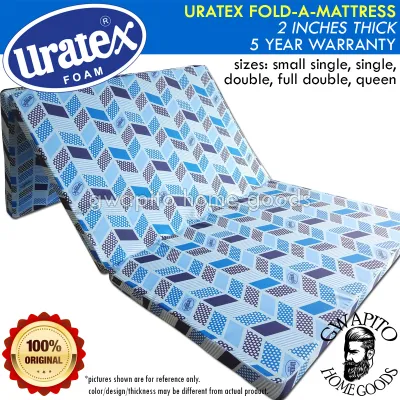
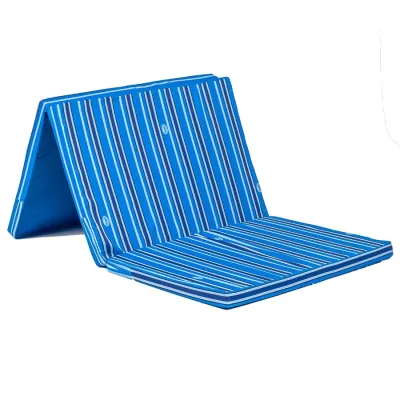


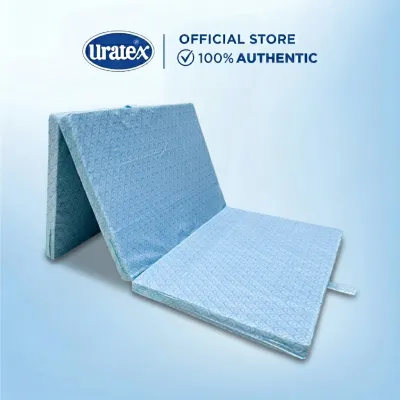

Prices are valid at publication and may change. Please refer to the product page for the latest price.
Checking Heat Retention and Breathability Features
When shopping for a foldable mattress, the first point of inspection should be the outer cover, as this is the primary barrier between your body and the foam core. Many budget-friendly foldable mattresses utilize synthetic polyester covers, which are highly durable but notoriously poor at managing heat and moisture. Instead, look for covers that feature breathable knit fabrics, mesh side panels, or specialized moisture-wicking materials that facilitate continuous airflow. Some models incorporate a zipper, allowing you to remove the cover entirely to inspect the underlying foam or wash the fabric to maintain hygiene.

Next, examine the manufacturer’s product label or specification sheet for details regarding the foam core’s structure. High-quality foam mattresses designed for tropical climates often utilize open-cell foam technology, which features interconnected pores that allow air to pass through more freely than traditional closed-cell foam. You should also check if the foam has been engineered with ventilation channels, convoluted “egg-crate” profiles, or gel-infusions. Gel-infused foams are designed to absorb and dissipate initial body heat, while convoluted designs create physical air gaps that prevent heat from pooling directly beneath your body.
The physical thickness of the mattress also plays a significant role in heat retention. Thicker solid foam layers, such as those measuring four to six inches, contain more material mass and consequently trap more body heat than thinner two-inch or three-inch options. However, thinner mattresses may bottom out under heavier weight, forcing a trade-off between thermal comfort and physical support. If you opt for a thicker model, verifying the presence of active cooling features or pairing the mattress with a highly breathable topper becomes even more critical to prevent a stifling sleep environment.
Managing Moisture and Preventing Mold Growth
One of the greatest risks to any foam mattress in a humid tropical climate is the accumulation of moisture, which can rapidly lead to mold and mildew growth. Placing a foldable foam mattress directly on the floor is a common practice in many Philippine households, but it severely restricts airflow around the mattress. When your warm body heat meets the cooler surface of the floor through the compressed foam, condensation forms at the base of the mattress. Without an escape route, this trapped moisture creates a breeding ground for fungal spores and dust mites.
To prevent this, always elevate your foldable mattress using a slatted bed frame, a raised platform, or a highly breathable floor mat. Slatted frames are particularly effective because the gaps between the wooden or metal slats allow air to circulate freely beneath the mattress, evaporating any moisture that migrates downward. If space constraints force you to use the mattress on the floor, you must commit to lifting and propping it up against a wall every morning to allow the underside to dry completely.
Regularly inspect your mattress for early signs of moisture retention, which include a distinct musty odor, damp spots on the bottom cover, or small dark speckles indicating mold colonization. Because mold spores can trigger respiratory issues and allergies, any mattress showing deep, widespread mold penetration within the foam core poses a health risk and should be discarded. Catching moisture early by checking the underside weekly allows you to dry the mattress before permanent damage occurs.
Choosing Thickness, Support, and Bed Setup
Selecting the right thickness requires balancing the convenience of portability with the necessity of physical support. Foldable mattresses are highly valued because they can be packed away into closets or transport bags, but thinner models may not provide sufficient cushioning for heavier adults. If the foam is too thin or has a low density, your shoulders and hips will press straight through to the hard floor or bed frame, leading to joint pain and poor spinal alignment.
To ensure the mattress can support your body weight over time, check the product tag or manufacturer specifications for foam density and weight capacity ratings. High-density polyurethane foam offers superior resilience and support, meaning it will resist sagging and maintain its shape far longer than low-density alternatives. While high-density foam may feel slightly firmer initially, it provides the structural integrity needed to keep your body properly aligned throughout the night, which also helps prevent you from sinking too deeply into a heat-trapping pocket of foam.
Additionally, consider the physical space required to fully unfold and set up the mattress in your bedroom. When you first purchase a compressed or tightly folded mattress, it requires time to expand to its full dimensions and release any manufacturing odors, a process known as off-gassing. Place the mattress in a well-ventilated room with open windows or an active fan for at least 24 to 48 hours before sleeping on it. This ensures that any volatile organic compounds dissipate safely and the foam reaches its intended firmness and thickness.
Maintenance Routine for Hot and Humid Conditions
A consistent maintenance routine is essential to extend the lifespan of your foldable foam mattress and keep it hygienic in a tropical climate. Make it a habit to air out the mattress at least once a week, ideally on dry, sunny days when the outdoor humidity is lower. You can place the mattress near a large window where it can receive indirect sunlight, or run an air conditioner or dehumidifier in the room to actively draw out trapped moisture from the foam core. Avoid exposing the bare foam to direct, intense midday sunlight, as extreme UV rays can degrade the polyurethane structure and cause it to crumble.
Accidents, spills, and heavy night sweats require immediate attention to prevent liquid from penetrating deep into the foam. Never soak a foam mattress with water, steam clean it, or put the foam core into a washing machine, as saturated foam takes days to dry and will likely develop internal mold. Instead, spot-clean the affected area using a highly diluted mild detergent solution, applying it sparingly with a damp cloth. Immediately blot the area with a dry, clean towel to absorb as much moisture as possible, then use an electric fan or hair dryer on a cool setting to dry the spot completely.
Finally, establish a regular rotation and folding schedule to distribute wear evenly across the mattress sections. Foldable mattresses feature built-in hinges or seams where the foam segments meet, and these areas are subject to mechanical stress every time the mattress is folded and unfolded. Rotating the mattress 180 degrees every few weeks ensures that your body weight is not consistently concentrated on the same foam segments. When storing the mattress, avoid placing heavy items on top of it, as prolonged pressure can permanently crease the foam and weaken the folding joints.
Frequently Asked Questions (FAQ)
Can I use a foldable foam mattress directly on the floor?
While you can use a foldable foam mattress directly on the floor, doing so in a tropical climate carries a high risk of moisture accumulation, mold growth, and pest exposure. When body heat warms the mattress, the temperature difference between the foam and a cool tile or concrete floor creates condensation underneath. To mitigate this risk without a traditional bed frame, place a breathable woven mat, a wooden pallet, or a specialized moisture-barrier rug beneath the mattress. Always fold or prop up the mattress daily to let both the floor and the bottom of the foam dry completely.
How do I clean sweat stains without damaging the foam?
To clean sweat stains without damaging the foam, avoid soaking the mattress, as excess water breaks down the polyurethane structure and promotes mold. Prepare a mild cleaning solution by mixing a few drops of gentle dish soap or laundry detergent with warm water. Lightly moisten a clean microfiber cloth with the solution, wring it out thoroughly, and gently blot the stain from the outside inward. Immediately press a dry towel over the area to absorb the liquid, and allow the mattress to air dry completely in a well-ventilated room before covering it with sheets.
Will the folding creases weaken the mattress over time?
The folding creases or hinges can weaken over time if the mattress is made of low-density foam or subjected to rough handling. High-density foam is engineered to resist tearing and permanent deformation, allowing the seams to withstand regular folding and unfolding. To maximize the lifespan of the hinges, always fold the mattress gently along its natural creases and avoid forcing it into tight storage spaces. Regularly rotating the mattress so that your torso rests on different segments will also help distribute physical stress and prevent premature wear at the seams.
Community discussion
Share your experience or ask a question. Comments are reviewed before publication.