
The Philippine rainy season brings relentless downpours, high humidity, and sudden tropical storms that can quickly ruin outdoor furniture. For households, event organizers, and businesses that host outdoor gatherings, backyard fiestas, or community events, choosing a durable foldable party table is essential. The combination of intense moisture and lingering humidity accelerates rust, warps surfaces, and encourages mold growth, turning a practical piece of furniture into a structural hazard.
To survive these harsh environmental conditions, a weather-resistant table must rely on a strategic combination of rust-proof frames, non-porous surfaces, and protected mechanical joints. Selecting the right materials prevents the frustration of sagging tabletops, seized hinges, and unsightly orange rust stains on your patio. While budget-friendly options are widely available, checking the manufacturer’s specifications for outdoor-rated materials is the most reliable way to ensure your investment lasts through many monsoon seasons.
Selecting a Foldable Party Table Frame: Rust-Resistant Materials for Heavy Rains
The frame is the backbone of any folding table, bearing the weight of heavy food spreads, large serving dishes, and dining ware. In a tropical wet climate, the frame is also the most vulnerable to structural failure if made from the wrong metal.
Products mentioned in this guide
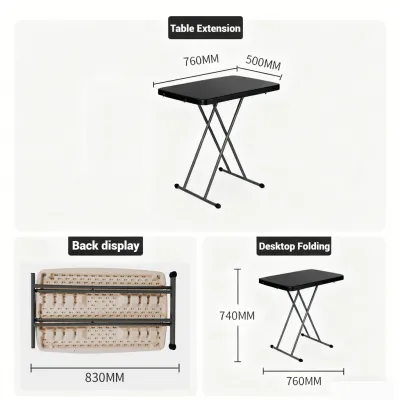
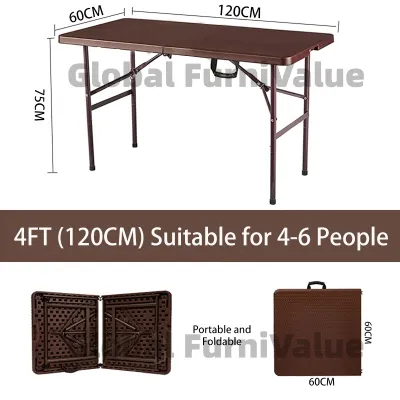
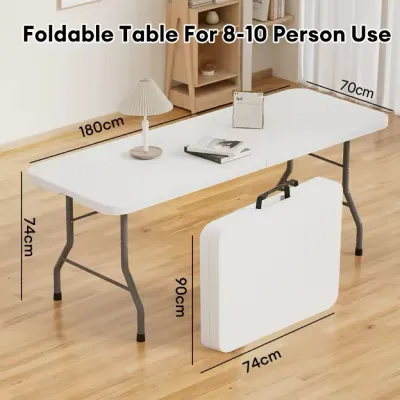
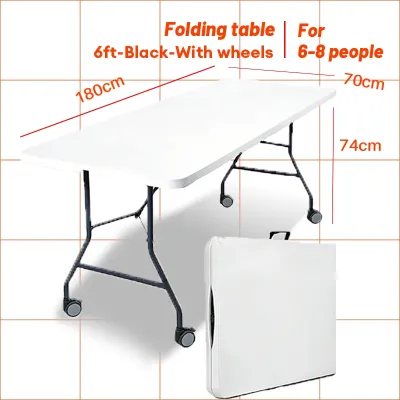
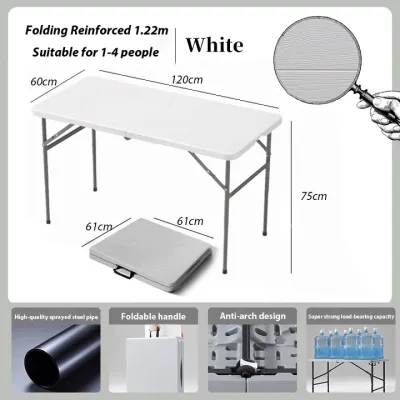
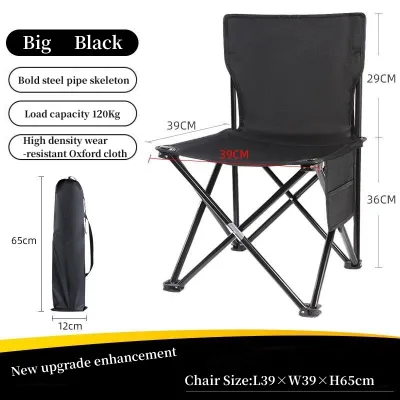
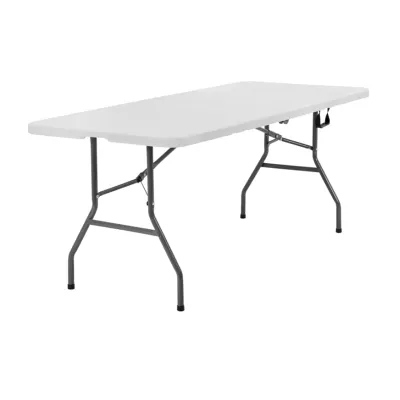
Prices are valid at publication and may change. Please refer to the product page for the latest price.
Anodized or Powder-Coated Aluminum Aluminum is highly recommended for wet climates due to its natural resistance to rust. When exposed to air, aluminum naturally forms a microscopic oxide layer that prevents deeper corrosion. For maximum protection against acidic rain and humid coastal air, look for frames specified as “anodized” or “powder-coated aluminum.” Anodization hardens the surface and increases corrosion resistance, while powder coating adds a thick, protective barrier. Additionally, aluminum is lightweight, making it easy to carry through narrow doorways or up condominium lifts, yet it remains stable and supportive when properly designed.
Thick Powder-Coated Steel If your events require a high load capacity for heavy catering equipment, steel frames offer superior strength and structural stability. However, steel lacks aluminum’s natural rust resistance; it relies entirely on its surface coating. Inspect the frame to ensure the powder coating is thick, even, and free of microscopic pinholes. Pay close attention to the weld points, as water can pool in uneven welds and slowly eat through the metal from the outside. Any scratch or chip in the coating exposes the raw steel beneath, which will rust rapidly when exposed to rain.
Outdoor-Grade Stainless Steel Stainless steel is exceptionally strong and durable, but its performance in wet environments depends heavily on its grade. High-quality grades, such as 304 or marine-grade 316 stainless steel, contain high levels of chromium and nickel, which prevent oxidation in humid conditions. Lower-grade stainless steel can still develop surface rust when subjected to prolonged moisture. Always verify the manufacturer’s specifications to ensure the frame is rated for outdoor or marine use rather than assuming all stainless steel is completely immune to tropical humidity.
Frame Materials to Avoid When shopping for a table to survive the rainy season, avoid bare iron, untreated steel, or cheaply painted metal frames. These materials will begin to rust within days of exposure to high humidity. Furthermore, steer clear of frames with hollow metal tubes that lack drainage holes or plastic end caps. If rainwater gets trapped inside hollow legs, it will cause silent, internal rusting that eventually leads to sudden structural collapse during use.
Selecting Tabletop Surfaces That Repel Moisture and Mold
The tabletop surface must withstand direct rain exposure, UV radiation during sunny intervals, and the high humidity that fosters mold and mildew growth. Choosing a non-porous, easy-to-clean material ensures the table remains hygienic and structurally sound.

High-Density Polyethylene (HDPE) High-Density Polyethylene (HDPE), often used in blow-molded plastic tables, is one of the most effective materials for the Philippine rainy season. It is completely waterproof, non-porous, and impervious to rot, mold, and chemical cleaners. To ensure long-term durability, check the product specifications for “UV-stabilized” or “UV-protected” labels. Intense tropical sunlight between monsoon downpours can degrade untreated plastics, causing them to become brittle, fade, and crack over time.
Aluminum Slatted or Solid Surfaces Solid or slatted aluminum tabletops provide excellent durability and zero risk of organic decay. Slatted designs are particularly useful for outdoor setups because they allow rainwater to drain directly through the surface, preventing water from pooling and reducing wind resistance during sudden gusts. Ensure the aluminum surface is treated with a weather-resistant coating to prevent surface oxidation, and check that all edges are smooth and finished to prevent injuries during assembly.
Treated Wood and Wood Composites While wood-look tables offer a warm, rustic aesthetic for outdoor parties, natural wood and poorly sealed wood composites are highly vulnerable to tropical climates. High humidity and rain cause wood fibers to absorb moisture, leading to swelling, warping, splitting, and severe mold infestations. If you prefer the look of wood, strictly verify that the manufacturer has applied a marine-grade weatherproofing sealant. Be prepared to follow a strict maintenance schedule, which typically involves sanding and re-applying protective sealants every year.
Surface Texture and Water Drainage The physical design of the tabletop surface plays a major role in how quickly it dries. A perfectly smooth, glossy plastic or metal surface can trap large pools of water due to surface tension. Look for tabletops with a subtle, textured matte finish or a very slight crown (a curved profile) that encourages water to run off the sides. Faster drainage reduces the time moisture remains in contact with the table, lowering the risk of mold growth and water staining.
Inspecting Folding Joints and Hardware for Weather Durability
The moving parts of a folding table are often the first points of failure. While a frame or tabletop might resist water, rust on a single hinge or locking pin can render the entire table unusable.
The Vulnerability of Moving Parts Hinges, locking pins, springs, and rivets are subjected to constant friction during setup and teardown. This friction rubs away protective paint or powder coatings, exposing bare metal to the air. Once exposed, these small components quickly rust in humid conditions, leading to stiff joints, squeaking, or complete seizing of the folding mechanism.
Hardware Specifications Before purchasing, inspect the product description or the physical table to identify the hardware materials. High-quality outdoor tables use galvanized, zinc-plated, or stainless steel hardware. Galvanized and zinc-plated components have a sacrificial zinc layer that prevents the underlying steel from rusting, even if the surface is scratched.
Joint Design and Water Trapping Examine the physical layout of the folding joints when the table is fully opened. Well-designed outdoor tables feature folding mechanisms that are shielded beneath the tabletop or designed to shed water downward. Avoid designs where the hinges form cup-like shapes that face upward, as these will trap rainwater and debris, accelerating corrosion and causing the locking pins to seize.
Pre-Purchase Testing If you are inspecting a table in a showroom, test the folding action multiple times. The mechanism should operate smoothly without grinding, catching, or requiring excessive force. If a brand-new table already feels stiff or shows faint signs of surface oxidation on the springs or rivets, it is highly likely to fail quickly when exposed to the intense humidity of the Philippine monsoon season.
Essential Monsoon Maintenance and Storage for Folding Tables
Even the most weather-resistant materials require proper care to maximize their lifespan. Implementing a simple maintenance and storage routine prevents avoidable moisture damage and keeps your table ready for the next gathering.
Post-Rain Care After a heavy downpour, do not leave the table to dry naturally in the sun. Wipe down the entire table, including the underside of the frame and the folding joints, with a clean, dry microfiber cloth. This simple, reversible step removes standing water, prevents unsightly water spots, and protects coated steel frames from prolonged moisture contact.
The Danger of Folding Wet Tables A critical rule of outdoor furniture care is to never fold and store a table while it is still wet. Folding traps moisture between the plastic tabletop and the metal frame, creating a dark, highly humid microclimate. This environment is ideal for rapid mold and mildew growth on the plastic and accelerates rust on the metal joints. Always allow the table to dry completely in a well-ventilated area before folding it.
Proper Storage Conditions Store your folded table in a dry, elevated, and well-ventilated indoor space, such as a utility room, garage, or covered patio. Avoid leaning the table directly against damp concrete walls or leaving it resting on wet concrete floors. Concrete is highly porous and absorbs moisture from the ground, which can transfer directly to the table’s feet and lower hinges, causing localized rust.
Checking Manufacturer Guidelines Always consult the manufacturer’s care instructions before applying any aftermarket products to your table. Using the wrong type of lubricant on stiff joints can attract dirt and grime, while harsh chemical sealants can degrade plastic tabletops or strip away protective powder coatings. Following the official guidelines ensures you maintain the table safely without voiding any active warranties.
Frequently Asked Questions (FAQ)
Is it safe to leave a foldable party table outdoors overnight during the rainy season?
Even tables made from highly weather-resistant materials will degrade faster if left exposed to continuous outdoor moisture and heavy overnight humidity. It is always recommended to bring the table indoors or store it under a solid, waterproof roof when not in use. If indoor storage space is unavailable, use a breathable, waterproof furniture cover to protect it, making sure the table is completely dry before covering to prevent trapped condensation.
How do I lubricate stiff folding joints without damaging the table?
To restore smooth operation to stiff hinges and locking pins, use a light, water-displacing lubricant, such as a silicone-based spray. Avoid using heavy greases or motor oils, as these attract outdoor dust, dirt, and grit, which can grind down the joints over time. Apply the lubricant sparingly directly to the moving parts, then immediately wipe away any excess with a clean cloth to prevent staining the tabletop or frame. Always check the manufacturer’s care manual first to ensure the lubricant is compatible with the table’s materials.

Community discussion
Share your experience or ask a question. Comments are reviewed before publication.