
Finding the perfect balance between comfort, utility, and style is a common challenge when furnishing modern homes in the Philippines. As urban living spaces like condominiums and townhouses become more compact, multi-functional furniture has transitioned from a luxury to a practical necessity. Among these versatile pieces, the foldable sofa bed stands out as an essential item for hosting overnight guests or maximizing a studio layout. However, integrating a dual-purpose piece into a curated interior design requires careful consideration, especially when aiming for the highly sought-after Japandi aesthetic. This design movement, which beautifully marries the rustic simplicity of Japanese wabi-sabi with the warm functionality of Scandinavian hygge, relies on clean lines, natural textures, and an uncluttered atmosphere. Selecting a foldable sofa bed that fulfills these aesthetic principles while offering reliable durability and comfort requires a systematic approach to space planning, material evaluation, and mechanical inspection. By focusing on structural integrity and visual harmony, you can find a piece that elevates your living room into a serene, multi-functional sanctuary.
Defining Japandi Aesthetics for Dual-Purpose Furniture
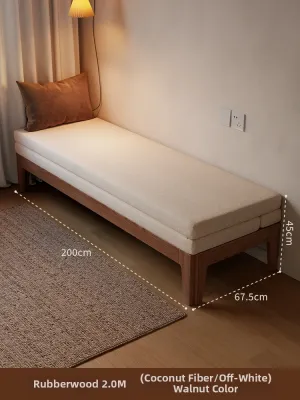
To successfully integrate a foldable sofa bed into a Japandi-style living room, you must first understand the core visual and functional traits that define this design philosophy. Japandi style is characterized by its minimalist approach, prioritizing low-profile furniture, clean geometric lines, and an overall sense of visual lightness. Traditional sofa beds are often notoriously bulky, featuring thick armrests, heavy skirts, and deep, plush cushions that dominate a room. In contrast, a Japandi-aligned sofa bed should feature an understated silhouette that sits low to the ground, allowing the surrounding space to breathe and making the ceiling feel higher.
The color palette of a Japandi interior relies heavily on earthy, neutral tones that evoke a sense of calm and connection to nature. When searching for a sofa bed, look for upholstery in shades of oatmeal, sand, warm gray, muted olive, or soft terracotta. These colors harmonize beautifully with natural wood elements and diffuse light softly throughout the room. Texture plays a vital role in replacing the need for decorative ornamentation; look for fabrics with a visible, tactile weave that adds depth without introducing visual clutter.
Products mentioned in this guide
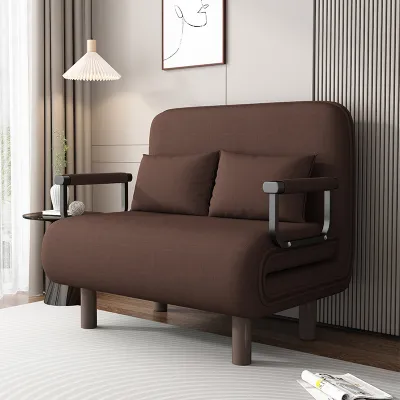
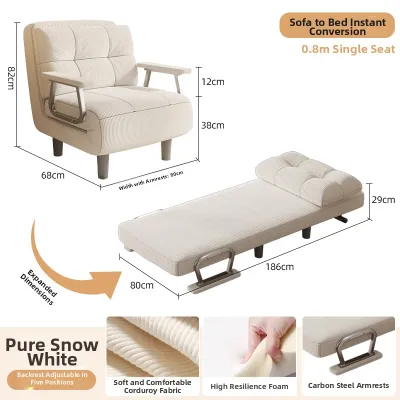
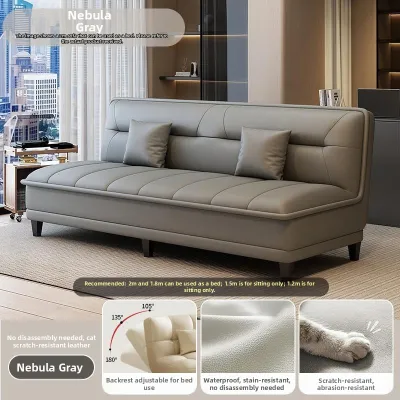
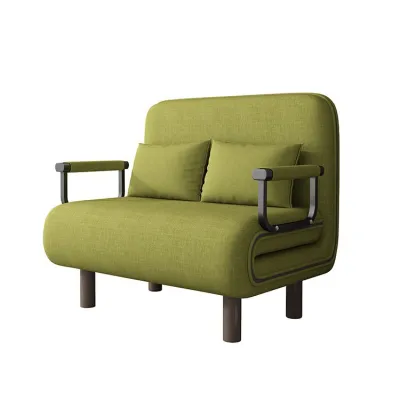
Prices are valid at publication and may change. Please refer to the product page for the latest price.
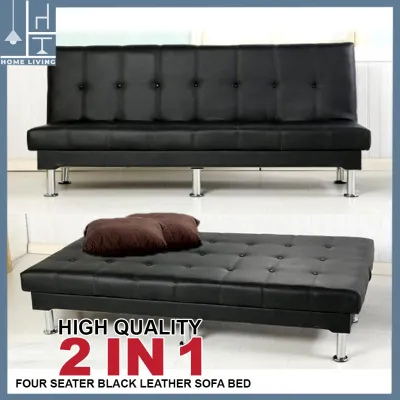
When filtering your options, it is equally important to recognize design elements that clash with the Japandi aesthetic. Avoid pieces with heavy button tufting, shiny chrome hardware, or overly ornate carved wooden details. High-gloss finishes and stark, synthetic-looking fabrics should also be avoided, as they disrupt the organic, rustic warmth that Japanese design principles celebrate. Instead, prioritize matte finishes, concealed or integrated hardware, and simple, tapered wooden legs that elevate the sofa slightly off the floor to maintain a light, airy feel.
Space Planning and Dimension Checks for Foldable Designs
Before committing to any foldable sofa bed, conducting thorough space planning and precise dimension checks is critical to ensure the piece fits both your physical room and your daily lifestyle. In many Philippine homes, especially high-rise condominiums and tight suburban townhouses, spatial constraints require a meticulous approach to measurement. You must evaluate the sofa bed in three distinct states: during delivery, in its folded seating configuration, and when fully extended as a bed.

Begin by measuring your home’s entry path to guarantee the furniture can actually reach your living room. This includes measuring the height and width of elevator doors, the clearance of tight stairwell turns, hallway widths, and the main entrance doorway. Many homeowners overlook these transition zones, only to find that their newly purchased sofa bed cannot clear the elevator or make the turn into the hallway. If your building has strict delivery guidelines or small service lifts, look for modular or flat-packed sofa beds that can be assembled directly inside your living room.
Next, map out the exact footprint of the sofa bed within your living space. Use painter’s tape on the floor to outline the dimensions of the sofa when it is closed, paying close attention to how much depth it occupies. Then, extend the tape to represent the fully deployed bed configuration. It is vital to calculate the remaining walking space around the extended bed; you should maintain a clearance of at least 60 centimeters on all open sides to allow for comfortable movement. Ensure that the extended bed does not block access to essential areas like balconies, bathroom doors, or built-in closets, and verify that nearby furniture like coffee tables or side chairs can be easily moved aside when it is time to convert the sofa.
Evaluating Materials and Upholstery for a Minimalist Look
The materials used in your foldable sofa bed determine not only its visual alignment with Japandi style but also its ability to withstand the tropical climate of the Philippines. Frame construction is the foundation of durability. Solid wood frames made from sustainably sourced hardwoods like rubberwood, ash, or oak are highly recommended for Japandi spaces. These woods offer natural grain patterns and warm undertones that enhance the organic feel of the room while providing excellent structural longevity. While engineered wood or metal frames can be structurally sound, ensure that any visible elements, such as the legs or base rail, are finished in high-quality natural wood veneers or solid timber rather than laminate or shiny metal.
Upholstery selection requires a careful balance between aesthetic appeal and practical maintenance. Natural fiber blends, such as linen-polyester or cotton-linen mixes, are ideal for Japandi interiors because they offer the textured, matte appearance of natural fibers combined with the strength and wrinkle resistance of synthetic threads. Pure linen, while beautiful, can wrinkle excessively and stretch over time with heavy use. In the humid Philippine climate, breathability is crucial; avoid synthetic leather or heavy, tightly woven velvets, which trap body heat and can feel uncomfortably warm. Always check the manufacturer’s care labels for fabric rub counts and verify if the fabric has been treated for stain resistance.
Finally, inspect the visible joinery and leg designs of the sofa bed. High-quality furniture often features mortise-and-tenon joints or reinforced corner blocks rather than simple wood screws and glue. The legs should be sturdy, well-proportioned, and finished with protective felt pads to prevent scratching your flooring. In a minimalist design, every detail is exposed, so poorly finished joints, uneven wood staining, or visible plastic brackets will immediately detract from the clean, premium look you want to achieve.
Assessing Folding Mechanisms and Sleep Comfort
A beautiful sofa bed is only as good as its mechanical performance and the quality of sleep it provides. Different folding mechanisms offer distinct advantages depending on your space and how frequently the bed will be used. The three most common designs are click-clack systems, pull-out mechanisms, and floor-level tri-fold futons. Click-clack systems are highly popular for their simplicity and low-profile look, converting from a sofa to a bed with a simple tilt of the backrest. However, they often feature a prominent seam down the center of the sleeping surface, which can cause discomfort during extended sleep.
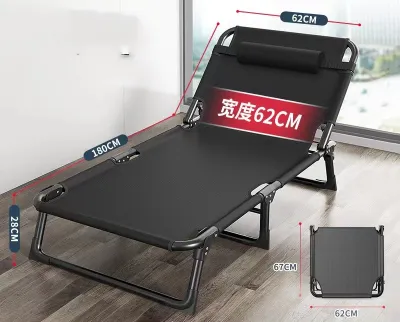
Pull-out mechanisms typically feature a metal or wooden frame that glides out from beneath the seat cushions, supporting a separate mattress. This design provides a flat, uniform sleeping surface that closely mimics a traditional bed, making it excellent for overnight guests. However, pull-out systems contain more moving parts, making them heavier and more complex to operate. Floor-level tri-fold futons offer a highly authentic Japanese aesthetic, sitting directly on the floor when unfolded. While they are incredibly space-saving and simple, they lack the elevated support of a framed bed and may feel too firm for some sleepers.
To gauge sleep comfort and prevent long-term sagging, you must evaluate the internal support structure and mattress specifications. Look for high-density polyurethane foam or pocket spring systems; a foam density of at least 30 kg/m³ is generally recommended to ensure the mattress retains its shape over years of use. If the sofa bed uses a slatted frame, check that the wooden slats are spaced no more than 7 centimeters apart to prevent the mattress from sagging between them. When visiting a showroom, physically test the mechanism yourself: listen for any squeaks, grinding, or resistance during the transition, and verify the manufacturer’s maximum weight capacity to ensure it can safely support two adults.
Building Your Shortlist: What to Verify Before Buying
Once you have narrowed down your choices based on style, dimensions, and mechanisms, it is time to build a practical shortlist and verify the logistical details before making your final purchase. Buying large furniture in the Philippines requires navigating specific delivery, assembly, and warranty conditions that can significantly impact your overall satisfaction and budget.
First, clarify the assembly requirements for each model on your shortlist. Some foldable sofa beds, particularly those with complex pull-out metal frames, arrive in multiple heavy boxes and require professional installation. Ask the retailer if they offer white-glove delivery services that include assembly and packaging removal, and confirm if this service is included in the purchase price or requires an additional fee. If you plan to assemble the piece yourself, ensure the manufacturer provides clear, comprehensive instructions and that you have the necessary tools on hand.
Second, scrutinize the warranty terms provided by the manufacturer or retailer. A reliable warranty is essential for dual-purpose furniture because the folding hardware and internal joints endure constant mechanical stress. Look for warranties that offer separate coverage for the structural frame and the fabric or foam components. Be sure to ask what actions might void the warranty, such as self-assembly or using the piece in a commercial setting.
Finally, confirm the return policies and exact delivery fees in ₱. Shipping large, heavy furniture items can incur substantial costs, especially if you reside outside major metropolitan hubs. Ensure that the retailer has a clear policy regarding items that arrive damaged or with manufacturing defects, including who covers the return shipping costs. By verifying these logistical details upfront, you can make your purchase with confidence, knowing that your new Japandi sofa bed will be delivered safely, assembled correctly, and protected for years to come.
Frequently Asked Questions (FAQ)
How do I prevent a foldable sofa bed from looking too bulky in a small room?
To maintain a sense of visual lightness in a compact room, prioritize a sofa bed design with exposed, tapered wooden legs that lift the base of the sofa off the floor. This allows light and air to pass underneath, which visually expands the floor area. Additionally, keep the surrounding space uncluttered by pairing the sofa bed with multi-functional, low-profile furniture, such as a slender side table that can double as a nightstand, and utilize vertical wall space for storage instead of crowding the floor with heavy cabinets.
Are floor-level futon sofa beds suitable for everyday sleeping?
While floor-level futon sofa beds beautifully capture the minimalist Japanese aesthetic, they are generally not recommended for everyday use as a primary bed. Without a slatted frame or box spring underneath, they lack the necessary ergonomic support and pressure relief required for long-term spinal health. Furthermore, in the humid tropical climate of the Philippines, placing a mattress directly on the floor traps body heat and moisture, which can lead to mold and mildew growth; if you use a floor-level design, you must regularly lift, rotate, and air out the mattress to keep it hygienic.
What fabric colors best hide wear while maintaining a Japandi palette?
To keep your sofa bed looking pristine while staying true to the serene Japandi color palette, choose mid-tone organic neutrals such as warm oatmeal, soft sand, muted sage green, or textured warm gray. These shades are highly effective at concealing minor dust, fabric shadows, and daily wear. Avoid stark, bright whites, which easily show spills and dirt, as well as very dark charcoals or blacks, which tend to highlight lint, pet hair, and dust in brightly lit living rooms.
Community discussion
Share your experience or ask a question. Comments are reviewed before publication.