
A Japandi living room relies on the seamless marriage of Japanese rustic minimalism and Scandinavian warmth. When selecting a functional piece like a sofa foldable model, the challenge is finding a design that balances dual-purpose utility with clean, uncluttered lines. The ideal Japandi foldable sofa prioritizes a low profile, natural materials like solid wood and textured linen, and a muted, earthy color palette. It must function as an intentional piece of beautiful seating first, rather than looking like an awkward, bulky guest bed that happens to fold.
Creating this balance requires looking beyond standard retail sofa beds. Many mass-produced models rely on heavy metal frames, shiny plastic components, and synthetic fabrics that disrupt the calm, organic atmosphere of a Japandi home. By focusing on specific construction styles, frame designs, and upholstery textures, you can select a convertible sofa that enhances your living space while providing a comfortable spot for relaxation or overnight guests.
Defining the Japandi Aesthetic for Foldable Sofas
The Japandi design philosophy is a harmonious blend of two distinct yet highly compatible design traditions: Japanese wabi-sabi and Scandinavian hygge. Japanese design contributes rustic minimalism, a deep appreciation for natural imperfections, and a preference for low-slung, grounded furniture. Scandinavian design adds warmth, coziness, and practical functionality. Together, they create spaces that feel open, serene, and deeply connected to nature.
Products mentioned in this guide
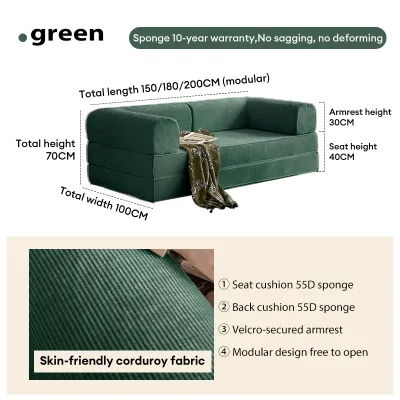
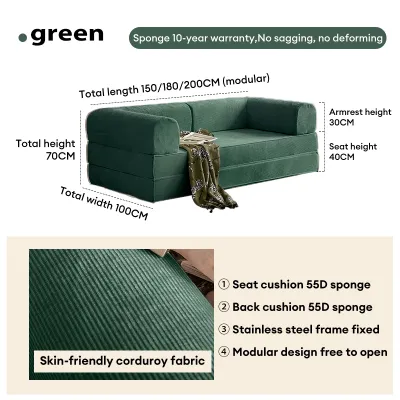
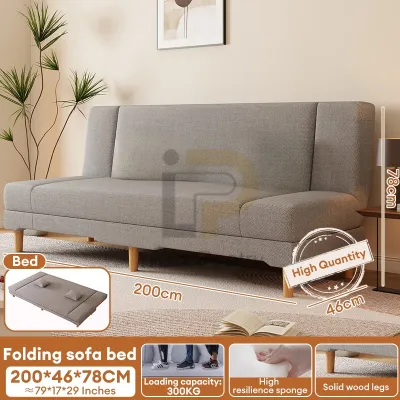
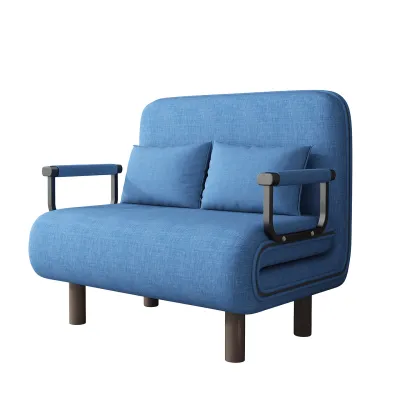
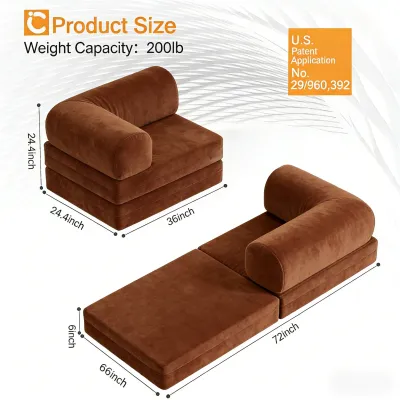
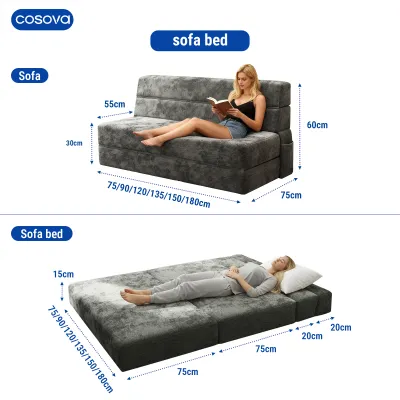

Prices are valid at publication and may change. Please refer to the product page for the latest price.
When applying these principles to a sofa foldable design, functionality must never come at the expense of simplicity. A true Japandi sofa bed should have a low visual weight. This means it should not dominate the room or block natural light. It should feature clean, straight lines or soft, organic curves, avoiding any unnecessary ornamentation, heavy tufting, or exposed mechanical parts.
Many standard sleeper sofas fail this aesthetic test because they are designed with thick, bulky bases to hide complex metal pull-out mechanisms. In a Japandi space, these heavy silhouettes feel restrictive and cluttered. Instead, the folding mechanism should be incredibly simple and integrated directly into the structural frame of the sofa.
Color and texture are equally critical. The color palette of a Japandi living room is anchored in soft neutrals, such as oatmeal, warm sand, muted charcoal, soft sage, and pale terracotta. Upholstery should feature natural, tactile fabrics like linen, cotton, or wool blends. These materials catch the light beautifully and invite touch, adding warmth to a minimalist room without relying on loud patterns or bright colors.
Recommended Foldable Sofa Styles for Japandi Spaces
To achieve a balanced Japandi look, you should focus on specific structural styles that respect both Japanese minimalism and Scandinavian utility. The following three design categories offer the perfect blend of clean aesthetics, natural materials, and practical folding capabilities.

Low-Profile Wooden Futon Frames
The modern futon frame is perhaps the most direct representation of Japanese influence in Japandi design. Unlike the flimsy metal futons of past decades, a Japandi-style futon features a solid wood frame crafted from high-quality hardwoods like oak, ash, walnut, or sustainably sourced teak. These woods showcase visible, natural grains and are typically finished with a matte or low-sheen protective coat rather than a high-gloss lacquer.
- Frame construction: Look for frames that sit close to the floor, mimicking the traditional Japanese lifestyle of living closer to the ground. The wooden slats should be visible from the sides or back, highlighting the craftsmanship and structural honesty of the piece. Avoid frames with overly decorative carvings; instead, choose clean, straight wooden arms or completely armless designs that maximize visual space.
- Mattress structure: To prevent the futon from looking messy or deflated, pair the wooden frame with a high-quality, firm mattress. The mattress should have structured, tuft-free edges and be upholstered in a heavy-duty cotton or linen canvas. This ensures that when the frame is folded into a sofa, the mattress maintains a sharp, tailored silhouette that looks like a premium stationary sofa rather than a casual mattress thrown over slats.
Minimalist Linen Click-Clack Sofas
For a look that leans slightly more toward Scandinavian modernism, a click-clack sofa with a minimalist silhouette is an excellent choice. This style features a hidden internal hinge mechanism that allows the backrest to fold flat in one or two smooth motions. Because the mechanism is entirely concealed within the seat and back cushions, the sofa maintains a streamlined, elegant appearance when upright.
- Legs and base: Choose models that feature tapered wooden legs made of light oak or birch. These legs lift the sofa slightly off the ground, creating an airy, floating effect that allows light to pass underneath. The base frame should be slim and unadorned, ensuring the overall profile remains light and elegant.
- Upholstery and detailing: Look for upholstery made of washed linen or tightly woven cotton blends. Neutral tones like warm beige, oatmeal, or soft grey work beautifully here. Avoid deep button tufting, contrast stitching, or plush velvet fabrics, which introduce too much visual noise. Instead, opt for smooth, flat cushions with subtle piping or blind-stitched seams that preserve the clean, architectural lines of the piece.
Modular Floor Sofas and Foldable Mattresses
In compact living rooms or multi-purpose spaces, traditional sofa frames can sometimes feel too restrictive. Modular floor sofas and high-density folding mattresses offer a highly flexible, legless alternative that aligns perfectly with the ultra-minimalist side of Japandi design.
- Seating configuration: These systems typically consist of dense foam blocks or structured folding mats that can be stacked to create a low-profile sofa during the day, and laid completely flat on the floor to form a bed at night. Because they lack a rigid wooden or metal frame, they are incredibly easy to move, reconfigure, or store away when not in use, keeping your living room open and breathable.
- Foam density and tailoring: The key to making a floor sofa look intentional and sophisticated rather than cheap is the quality of the foam and the tailoring of the covers. You must select high-density, resilient foam that holds its shape under weight and does not sag at the edges. The covers must be tight, custom-fit, and made from premium textured fabrics like heavy linen or textured canvas. Loose, baggy covers will quickly make the space look untidy, disrupting the serene, ordered environment of a Japandi home.
Crucial Specifications to Verify Before Purchasing
Selecting a sofa foldable model for a Japandi home requires balancing beautiful design with practical engineering. Because this furniture piece must perform two distinct roles, verifying specific technical details before making a purchase is essential for long-term satisfaction.
Dimensions and Clearance:
Before committing to a purchase, you must measure your living room with extreme precision. Do not just measure the space required for the sofa in its upright position; you must also map out the exact footprint when it is fully unfolded into a bed.
- Ensure there is at least 60 to 80 centimeters of walking clearance around the bed when unfolded so you do not feel trapped in your own room.
- Measure the height of your coffee table and other nearby furniture. Japandi coffee tables are notoriously low to the ground, and you must ensure the unfolding sofa mechanism will not collide with them or require you to rearrange the entire room every time you host a guest.
- Check the entryway, doorway, and stairwell clearances of your home. Many solid-wood futon frames or modular sofas are delivered semi-assembled, and you must verify they can easily pass through your doors and hallways.
Frame and Mechanism Quality:
The longevity of a foldable sofa depends entirely on its frame construction and the quality of its folding hardware.
- Examine the joints of wooden frames. Look for traditional woodworking joints, such as mortise-and-tenon or dowel joints, which offer superior durability compared to frames held together solely by cheap metal screws or staples.
- Test the folding mechanism if possible, or read detailed user reviews regarding its operation. The transition from sofa to bed should be smooth, quiet, and manageable by a single person. Avoid mechanisms that squeak, stick, or require excessive physical force.
- Verify the manufacturer’s specified weight capacity for both the sofa and bed configurations, and check if the frame is backed by a reliable warranty.
Climate and Upholstery Care:
In tropical, humid climates like the Philippines, choosing the right materials is crucial to prevent premature wear, mold, and unpleasant odors.
- Wood treatment: Ensure that any wooden frames or legs are treated with a moisture-resistant, matte sealant. Untreated wood can absorb atmospheric moisture, leading to warping, cracking, or fungal growth over time.
- Fabric breathability: Avoid synthetic fabrics like polyester velvet or faux leather, which trap heat and sweat, making them highly uncomfortable in warm weather. Instead, prioritize breathable, natural fibers like linen or cotton-linen blends. These fabrics allow air to circulate, keeping the seating surface cool and fresh.
- Removable covers: Because Japandi style relies heavily on light neutral colors like oatmeal, cream, and beige, practical upkeep is a major consideration. Always check if the sofa features removable, machine-washable or dry-cleanable covers. If the covers are fixed, verify the manufacturer's cleaning instructions to ensure the fabric can be spot-cleaned without leaving water stains or ruining the texture.
Base Support:
The comfort and durability of a foldable sofa are directly tied to the support structure beneath the mattress or cushions.
- For wooden futons and click-clack sofas, examine the slat system. The slats should be made of strong, flexible wood (such as beech or birch) and spaced no more than 5 to 7 centimeters apart. Wider gaps can cause the mattress to sag, leading to uncomfortable sleep and premature wear of the cushion foam.
- For modular floor designs, ensure the base layer of foam is thick and dense enough to prevent you from feeling the hard floor beneath when sitting or sleeping.
Integrating the Foldable Sofa Into Your Japandi Layout
Once you have selected the perfect sofa foldable style, the next step is integrating it into your living room layout in a way that respects the minimalist, airy essence of Japandi design. The goal is to create a cohesive, balanced space where every object feels intentional.
Start by framing the sofa with low-profile, organic furniture. Pair a low-slung wooden futon or click-clack sofa with a simple, solid-wood coffee table featuring rounded edges or a soft, triangular shape. This echoes the organic forms found in nature. Underneath, place a large, textured rug made from natural, woven fibers like jute, sisal, or undyed wool. The rug should be large enough to anchor the seating area, with all front legs of the sofa resting comfortably on it.
Resist the urge to crowd the space around the sofa. Japandi design relies heavily on ma, the Japanese concept of negative space. Leave empty areas around the sofa to allow the room to “breathe” and to highlight the clean silhouette of your furniture. A single, tall potted plant—such as a fiddle-leaf fig, a rubber tree, or a delicate bamboo palm in a textured ceramic pot—can be placed in a nearby corner to introduce life and color without cluttering the floor plan.
When styling the sofa itself, practice strict restraint. Instead of piling on multiple patterned throw pillows, which can look chaotic, choose one or two solid-color cushions in contrasting natural textures, such as a rough linen or a soft wool boucle. Complete the look with a single, high-quality throw blanket draped over one arm. Opt for a waffle-weave cotton or a chunky knit blanket in a warm, earthy tone. This adds essential tactile warmth and visual interest while preserving the clean, uncluttered lines of your Japandi sanctuary.
Frequently Asked Questions (FAQ)
Can a low-profile foldable sofa be comfortable enough for daily sleeping?
Yes, a low-profile foldable sofa can provide excellent comfort for daily sleeping, provided you prioritize the internal mattress specifications over aesthetics alone. Look for models that utilize high-density pocket spring inserts or thick, natural latex cores rather than cheap, low-density polyurethane foam. A mattress thickness of at least 15 to 20 centimeters is generally recommended for daily use to ensure proper spinal alignment. Always check the manufacturer’s density ratings and structural guarantees before purchasing if you plan to use the sofa as your primary bed.
How do I maintain light-colored natural fabrics in a humid environment?
Maintaining light-colored natural fabrics like linen or cotton in a humid climate requires proactive care to prevent mold, mildew, and musty odors. First, check the manufacturer’s care instructions and prioritize buying a sofa with removable, machine-washable covers. To protect the fibers, apply a breathable, non-toxic fabric protector spray suitable for natural textiles, testing it on a hidden area first. Always check the applied product’s label and the treated item’s manufacturer instructions. Keep your living room well-ventilated by using ceiling fans, open windows, or a dehumidifier during the rainy season. Finally, vacuum the upholstery weekly using a soft brush attachment to remove dust and organic debris, which can attract moisture and lead to mold growth.
Community discussion
Share your experience or ask a question. Comments are reviewed before publication.