
Choosing between a foldable and a fixed buffet cabinet comes down to how you use your dining space and how long you plan to stay in your current home. For renters, frequent movers, or those living in highly compact condominiums, a foldable cabinet—such as a sleek, minimalist black foldable cabinet—offers the ultimate flexibility. These units can be collapsed or repurposed easily when your layout needs to change.
Conversely, permanent homeowners who require maximum storage capacity and a sturdy surface for heavy kitchen appliances will find a fixed buffet cabinet more suitable. Because a fixed cabinet remains stationary, it provides a solid foundation for daily meal prep and heavy kitchenware. To make the right choice, you must measure your available floor space, evaluate your storage habits, and check the manufacturer’s weight limits for your specific appliances.
Space and Layout Constraints in Compact Homes
Living in a compact urban home or condominium requires careful planning of every square inch of floor space. A fixed buffet cabinet occupies a permanent footprint, meaning you must commit to its dimensions indefinitely. This permanent placement works well if you have a dedicated dining wall that does not interfere with the natural flow of traffic through the room.
Products mentioned in this guide
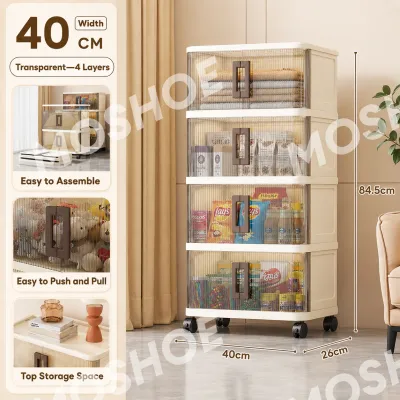
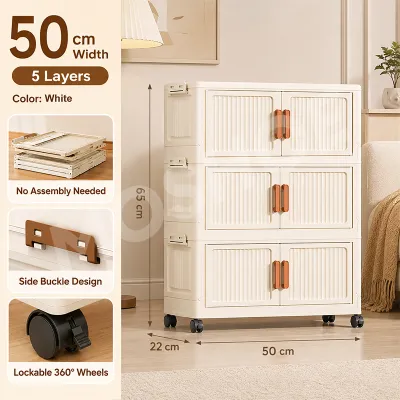
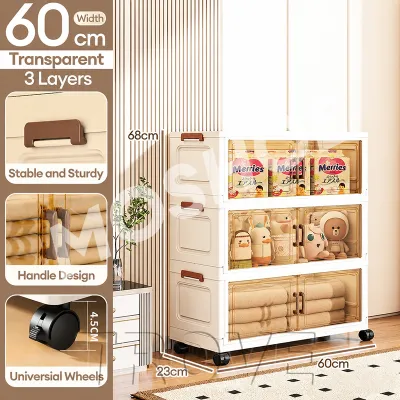
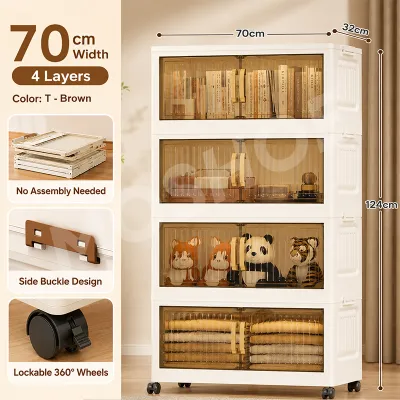
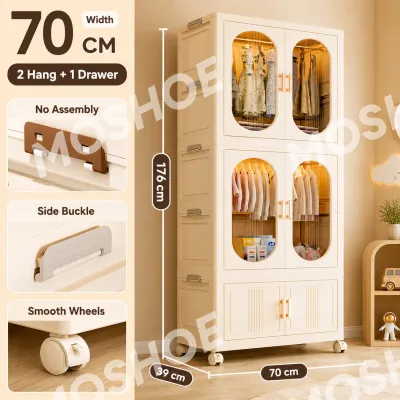
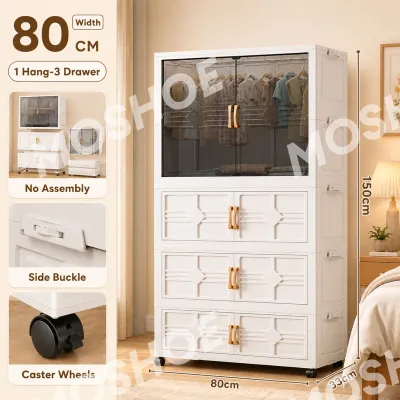
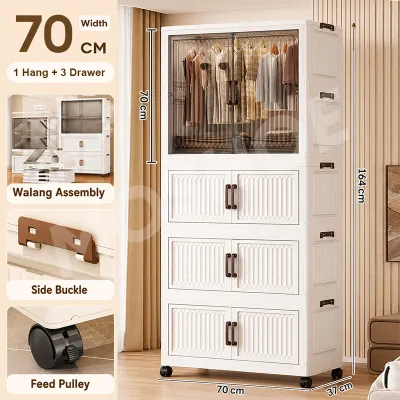
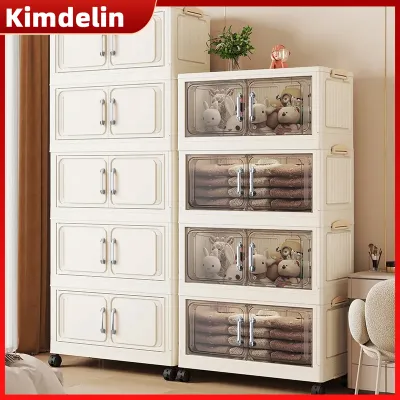
Prices are valid at publication and may change. Please refer to the product page for the latest price.
Foldable cabinets, on the other hand, offer adjustable footprints that adapt to your daily activities. A collapsed foldable unit can sit flush against a wall or slide into a narrow utility closet when not in use. When guests arrive or during meal preparation, you can expand the unit to gain extra surface area and storage space.
Before purchasing any furniture, you must measure the clearances in your dining area. Ensure there is enough space for family members to walk past the cabinet even when dining chairs are occupied. A standard walkway requires at least 60 to 90 centimeters of clear space to prevent a cramped, uncomfortable dining environment.
Cabinet depth is a critical factor that directly impacts walkway clearance in narrow layouts. Standard fixed buffets often range from 40 to 50 centimeters in depth, which can quickly crowd a small room. Foldable designs often feature slimmer profiles when folded, making them highly efficient for tight hallways and multi-purpose dining zones.
Do not forget to measure your home’s entry points before ordering. Narrow doorways, tight apartment corridors, and small condominium elevators can make delivering a fully assembled fixed cabinet incredibly difficult. Foldable models usually ship in flat-packed boxes, making them much easier to transport up stairwells and through tight entryways.
Storage Capacity and Organization Needs
Your choice of cabinet should align with the types of items you need to store. Fixed buffet cabinets typically offer deep drawers, adjustable internal shelving, and robust wooden or metal compartments. This design allows you to organize heavy ceramic dinnerware, large serving platters, and seasonal kitchen tools behind closed doors.

Foldable cabinets generally feature lighter, fixed-tier shelving systems to accommodate the folding joints and hinges. While highly convenient, these tiers may not offer the vertical height adjustment needed for tall pitchers or oversized pots. They are best suited for organizing daily plates, glassware, dry pantry goods, and lighter kitchen accessories.
To determine which style fits your household, create a quick inventory of the items you plan to store. Group your belongings by weight, size, and how often you use them. If your inventory consists mostly of heavy stoneware and bulky appliances, a fixed cabinet will provide the structural support you need.
- Heavy Items: Rice cookers, stand mixers, microwave ovens, and ceramic casserole dishes.
- Medium Items: Daily dinnerware, canned pantry goods, and small coffee makers.
- Lightweight Items: Glassware, table linens, serving utensils, and paper supplies.
Always verify the manufacturer’s maximum weight capacity for each shelf before loading your cabinet. Placing heavy appliances like microwave ovens or rice cookers on a shelf that exceeds its rated limit can cause bowing, joint damage, or structural failure. This verification is especially crucial for foldable models with moving joints.
Durability, Stability, and Daily Use
Evaluating the structural integrity of a cabinet is essential for ensuring it survives daily wear and tear. Foldable cabinets rely on a series of hinges, locking pins, and folding brackets to maintain their shape. When shopping, closely inspect these moving parts for any signs of wobble, loose screws, or misalignment that could compromise stability.
Fixed cabinets feature solid, rigid frames joined by permanent fasteners, dowels, or welds. This construction gives them inherent stability, making them highly resistant to tipping or shaking when you open drawers. However, even fixed units require a perfectly level floor to prevent structural strain over time.
Tropical climates, characterized by high humidity and temperature shifts, can affect furniture materials. When selecting a cabinet, check the quality of the surface finish and the edge banding. Poorly sealed edges can absorb moisture from the air or from nearby kitchen activities, leading to swelling, peeling, or warping.
Daily cleaning habits also play a role in the lifespan of your furniture. Foldable units with intricate metal hinges require regular checks to ensure dust and moisture do not accumulate in the joints. Fixed wooden or laminate cabinets are generally easier to wipe down, though they still require protection from hot dishes and standing water.
If you plan to place a water dispenser or coffee maker on top of your cabinet, moisture resistance is paramount. Look for surfaces with water-resistant laminates or protective coatings. Always use coasters and heat mats to protect the cabinet surface from condensation and high temperatures.
Aesthetic and Design Flexibility
Your buffet cabinet should complement the existing interior design of your dining space. Modern foldable designs, such as a minimalist black foldable cabinet, offer a sleek, industrial aesthetic. The clean lines and dark finishes of these units can make a small room feel more contemporary and organized.
Fixed buffet cabinets often provide a more substantial, built-in appearance that anchors the dining room. They are available in a wide variety of traditional, rustic, and modern styles. A well-chosen fixed buffet can serve as a beautiful focal point, especially when styled with decorative items, plants, or artwork.
Consider how often you like to rearrange your living space or how likely you are to move to a new home. Foldable cabinets are incredibly easy to pack up, transport, and repurpose in different rooms. A unit used as a dining buffet today can easily transition into a study room bookshelf or a balcony storage rack tomorrow.
Fixed cabinets are much harder to relocate once assembled and positioned. If you decide to move, transporting a heavy, rigid buffet cabinet requires careful packing and professional handling to avoid scratches. Ensure the cabinet’s finish and hardware styles match your long-term decor preferences before making a permanent investment.
Decision Framework: Which Should You Choose?
To finalize your decision, review this practical framework based on your living situation, storage requirements, and installation preferences.
Choose Foldable if:
- You rent your home: You need lightweight, highly portable furniture that is easy to pack and move between apartments.
- Your space is multi-purpose: You use your dining area for working, studying, or exercising, requiring furniture that can be tucked away.
- Your storage needs are light: You primarily need to organize daily plates, mugs, and dry pantry items rather than heavy kitchen machinery.
- You prefer quick setups: You want a cabinet that requires minimal assembly time and can be used almost immediately out of the box.
Choose Fixed if:
- You own your home: You are looking for a permanent, long-term furniture piece that anchors your dining room layout.
- You store heavy appliances: You need a stable, high-capacity surface for a microwave, rice cooker, or heavy stand mixer.
- You want maximum display space: You prefer integrated glass doors, deep drawers, and adjustable shelving to showcase fine dinnerware.
- You prioritize maximum stability: You want a solid frame with zero moving parts to ensure absolute stability during daily use.
Verify First if:
- Checking delivery details: Always confirm the shipping dimensions and assembly requirements with online marketplaces.
- Budgeting for delivery fees: Factor in potential delivery surcharges in ₱ for bulky, pre-assembled fixed cabinets.
- Reviewing return policies: Ensure the seller offers a clear return policy in case the cabinet arrives with shipping damage or missing hardware.
Frequently Asked Questions (FAQ)
Are foldable buffet cabinets stable enough for heavy appliances?
Stability depends entirely on the manufacturer’s specified weight capacity and the quality of the locking mechanisms. Many modern foldable cabinets feature reinforced metal frames and secure locking pins designed to prevent wobbling. However, they are generally not intended to hold multiple heavy appliances simultaneously.
Before placing any appliance on a foldable shelf, check the product manual for the exact weight limit in kilograms. To maximize safety, always place your heaviest items on the bottom shelf to keep the center of gravity low. Avoid placing vibrating appliances, such as blenders, on foldable units unless the frame is securely locked and placed on a perfectly level floor.
How do I measure my space for a fixed buffet cabinet?
Start by measuring the total width, height, and depth of the wall space where you plan to position the cabinet. Use a metal measuring tape for accuracy, and be sure to account for protruding baseboards, wall moldings, and electrical outlets. The cabinet must sit flush against the wall without blocking access to light switches or power sources.
Next, measure the clearance required for the cabinet doors and drawers to open fully. Pull out your dining chairs as if people were sitting in them, and ensure there is still enough room to open the cabinet doors without hitting the chairs. Finally, measure your building’s elevator door, stairwell turns, and front door frame to guarantee the delivery team can safely bring the cabinet inside your home.
Community discussion
Share your experience or ask a question. Comments are reviewed before publication.