
A folding wooden bed can be a highly practical solution for maximizing floor space in children’s bedrooms, especially in compact urban homes and condominiums. However, because children use furniture in dynamic and unpredictable ways, these beds require careful evaluation before they can be considered truly safe. While a folding wooden bed is not inherently dangerous, its moving parts, collapsible frame, and heavy wooden components introduce specific physical risks that parents must actively address.
To ensure your child’s safety, you must look beyond the aesthetic appeal and space-saving convenience of a folding wooden bed. Evaluating mechanical hazards, verifying structural stability, and establishing strict usage rules are essential steps in creating a secure sleeping environment. By understanding what to check and how to maintain these versatile pieces of furniture, you can confidently decide if a folding bed is the right choice for your household.
Understanding the Safety Risks of Folding Wooden Beds
The primary concern with any folding furniture is the presence of moving parts. Unlike static bed frames, a folding wooden bed relies on hinges, pivot points, and joints that allow the frame to collapse or fold into a storage position. These moving components create natural pinch and crush hazards. A child’s fingers or limbs can easily become trapped in these gaps if the bed is folded, unfolded, or shifted while they are nearby.
Products mentioned in this guide

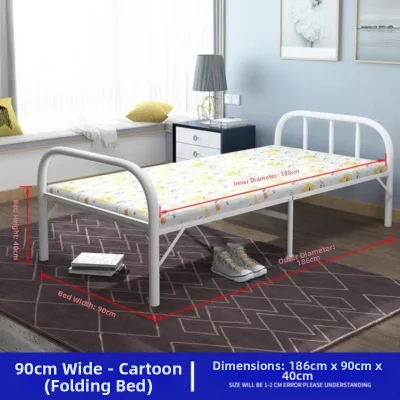

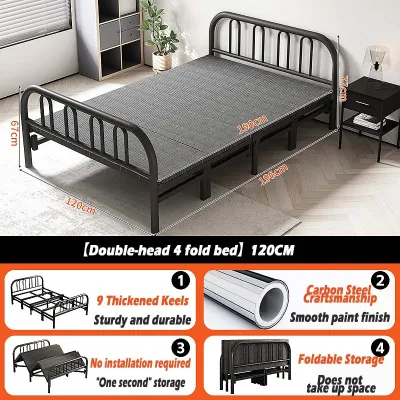

Prices are valid at publication and may change. Please refer to the product page for the latest price.
Structural collapse is another critical risk that parents must evaluate. If a locking mechanism fails, is bypassed, or is improperly engaged, the weight of a child—or the force of their movement—can cause the bed to fold unexpectedly. This sudden movement can lead to falls, entrapment, or impact injuries from the heavy wooden frame collapsing inward.
Tip-over dangers also increase with folding designs. Because these beds are engineered to transition between open and closed states, their center of gravity shifts during operation. If the bed is not properly balanced, or if a child attempts to climb the frame when it is partially folded, the entire structure can tip forward. This risk is particularly high if the bed is placed on an uneven surface or if it lacks a sufficiently wide and stable base.
Essential Safety Features to Verify Before Buying
When shopping for a folding wooden bed, your first line of defense is verifying the built-in safety features of the product. Look for designs that incorporate pinch-point protection. This includes concealed hinges, covered joints, or engineered safety gaps that maintain a safe distance between moving parts even when the bed is fully closed. If the hinges are exposed, check if they can be fitted with aftermarket fabric or plastic guards to keep small fingers away from the mechanism.

Robust locking mechanisms are non-negotiable for any collapsible children’s furniture. The bed should feature automatic locks that engage instantly when the frame is fully deployed. Manual locking pins should require a deliberate, multi-step action to disengage, ensuring that a child cannot accidentally unlock the bed while playing. Avoid models that rely solely on gravity or simple friction latches to stay open, as these can easily fail under dynamic movement.
Always check the manufacturer’s specified weight capacity on the product label. This limit must accommodate not only your child’s current weight but also the weight of the mattress, bedding, and a substantial safety margin for movement. Children do not simply lie still; they sit down heavily, roll over, and occasionally jump. A bed with a low weight capacity may suffer from gradual structural fatigue, leading to sudden joint failure over time.
Finally, inspect the quality of the hardware holding the wooden frame together. The brackets, screws, and bolts should be made of thick, high-grade steel rather than thin, bendable metal. Look for lock washers or nylon-insert lock nuts that resist loosening from the vibrations of daily use. The wood surrounding these metal fasteners should be thick and reinforced to prevent the hardware from tearing out of the timber under stress.
Evaluating Stability and Tip-Over Hazards
A stable bed frame must remain firmly anchored to the floor regardless of how the child moves. Evaluate the base design and footprint of the folding wooden bed. Models with wide, continuous base rails or splayed legs generally offer better weight distribution than those with narrow, vertical legs. If the bed features caster wheels for mobility, ensure they have robust, independent locking brakes that prevent the bed from rolling or sliding when your child climbs in.
Some folding beds, particularly wall-mounted or Murphy-style designs, carry a high risk of tipping forward if they are not securely anchored. Determine if the manufacturer requires wall anchoring as part of the installation process. If anchoring is necessary, ensure you have access to solid wall studs or concrete walls; anchoring a heavy folding bed solely into drywall or light plaster is highly unsafe and can lead to catastrophic failure.
Establish clear boundaries regarding dynamic loads. Folding wooden beds are engineered for sleeping and resting, not for active play. Explain to your child that jumping, climbing on the headboard, or hanging from the edges of the frame can compromise the bed’s balance and cause it to tip. If your child is highly active and prone to jumping on furniture, a traditional, non-folding platform bed may be a safer alternative.
Wood Finish and Material Safety Checks
The physical construction of the wooden frame plays a major role in overall safety. Run your hands along all accessible wooden surfaces, edges, and slats to check for smoothness. In tropical climates with high humidity, wood can expand and contract, which may cause minor splitting or raise sharp splinters over time. Ensure all edges are rounded rather than sharp, and verify that there are no protruding nails, staples, or rough patches that could cause scratches.
Chemical safety is just as important as mechanical safety. Children often touch their bed frames and may even chew on them if they are teething. Verify that the wood finishes, paints, or stains used on the bed are non-toxic and lead-free. Look for product labels that specify low-VOC (Volatile Organic Compounds) or water-based finishes, which minimize chemical off-gassing in your child’s sleeping area.
Slat spacing is a critical dimension that parents often overlook. The gaps between the wooden slats supporting the mattress must be narrow enough to prevent a child’s limbs from slipping through and becoming trapped. Generally, slat gaps should be less than 6 centimeters apart. If the gaps are too wide, they can also cause the mattress to sag prematurely, reducing support and creating uneven sleeping surfaces.
Safe Setup, Usage, and Maintenance Rules
Safety does not end once you purchase a high-quality bed; proper assembly and daily usage rules are vital to long-term security. During assembly, follow the manufacturer’s instructions precisely. Do not skip any washers, brackets, or support bars. Ensure all hardware is tightened securely, but avoid over-tightening, which can strip the threads in the wood and weaken the joint.
Implement a strict rule that only adults are permitted to fold, unfold, or move the bed. Children should never assist with these tasks, as their hands can easily get caught in the folding seams. If the bed uses a key, a removable locking pin, or a latch to secure it in the folded position, store these operational components out of your child’s reach to prevent unauthorized deployment.
Regular maintenance is essential for keeping a folding wooden bed safe over time. High humidity can cause wood to swell, putting extra stress on metal hinges and joints. Schedule a routine inspection every month to check for loose screws, worn hinges, or degraded locking pins. If you notice any squeaking, stiffness, or difficulty in the folding action, do not force the mechanism. Inspect the joints immediately, tighten any loose hardware, and replace any worn or damaged parts before allowing your child to use the bed again.
Frequently Asked Questions (FAQ)
At what age is it safe for a child to use a folding wooden bed?
Children should generally be at least six years old before using a folding wooden bed. At this developmental stage, children are better able to understand and follow safety rules, such as not playing with the folding mechanisms, jumping on the frame, or attempting to fold the bed themselves. Always check the manufacturer’s recommended age and weight guidelines on the product label, as some heavy-duty or specialized designs may have different age recommendations based on their specific mechanical features.
How often should parents inspect the folding mechanisms?
Parents should perform a quick visual check of the hinges, locks, and frame stability before every use, especially if the bed is folded and unfolded daily. A more thorough physical inspection should be conducted at least once a month. During this monthly check, test the locking mechanisms to ensure they engage automatically, tighten any loose screws or bolts, and inspect the wood around the joints for signs of cracking or wear. If you notice stiffness, squeaking, or loose hardware, address these issues immediately to maintain structural integrity.

Community discussion
Share your experience or ask a question. Comments are reviewed before publication.