
Furnishing a new home—whether it is a modern high-rise condo in Metro Manila or a spacious house in the provinces—is an exciting milestone. However, walking into a bare space with a blank budget can quickly become overwhelming. To plan your space effectively and avoid overspending, you must understand the clear distinctions between furniture, fixtures, and decor. These three categories form the foundation of any home furnishing project, and knowing how they differ helps you determine what you need to buy immediately, what might already be included in your property, and what can wait until your budget permits.
How to Tell Furniture, Fixtures, and Decor Apart
To classify any item in your living space, you can use a simple diagnostic framework based on three physical and functional tests: mobility, function, and attachment.
The mobility test is the most straightforward way to categorize an item. Ask yourself: Can this item be moved to a new home without using specialized tools or causing structural damage to the walls, ceiling, or floor? If you can pick it up and carry it out the door, it is almost certainly furniture or decor. If removing it leaves a hole in the drywall, exposed electrical wires, or open plumbing pipes, it is a fixture.
Products mentioned in this guide
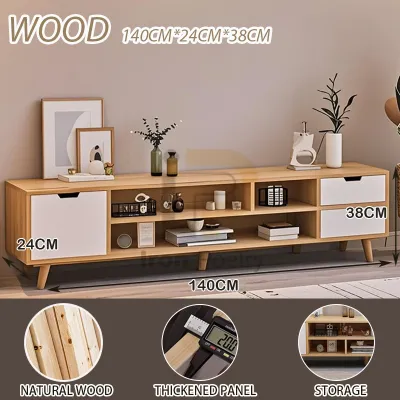
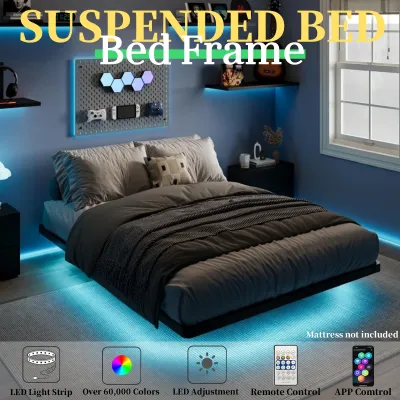
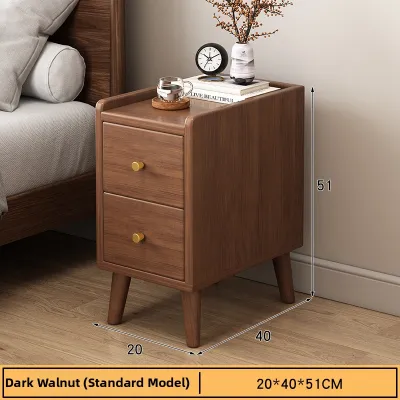
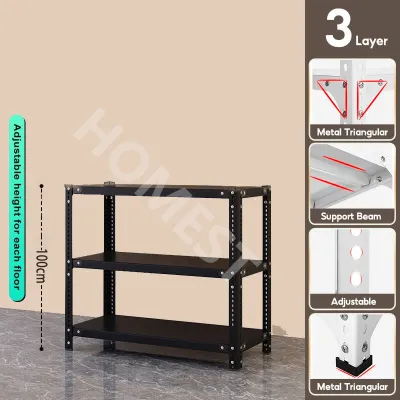
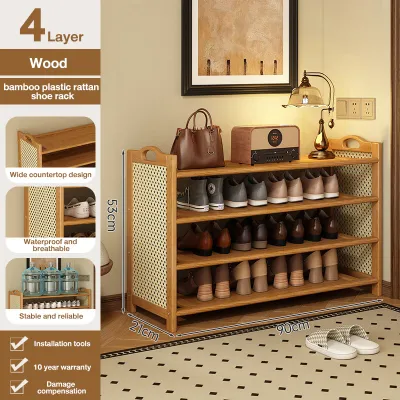
Prices are valid at publication and may change. Please refer to the product page for the latest price.
The function test looks at the primary role of the item. Furniture provides daily physical utility, such as a surface for eating, a frame for sleeping, or a seat for relaxing. Fixtures provide structural or environmental utility, integrating directly with the home’s electrical, plumbing, or ventilation systems to make the space habitable. Decor, on the other hand, serves a primarily aesthetic purpose, adding color, texture, and personality without offering essential physical utility.
Finally, the attachment check examines how the item is secured. Furniture stands on its own weight or may have simple anti-tip anchors for safety. Fixtures are bolted, screwed, hardwired, or plumbed directly into the building’s framework. Decor is hung or placed loosely, requiring minimal attachment like a simple picture nail or adhesive strip.
Furniture: Prioritizing Your Functional Essentials
Furniture represents the freestanding, utilitarian workhorses of your home. This category includes essential items like bed frames, mattresses, dining tables, chairs, sofas, and wardrobes. These pieces are absolutely necessary to make your living space functional and comfortable on a daily basis. Without them, a house remains an empty shell, regardless of how beautiful the walls or floors look.

When managing your home furnishing budget, it is vital to distinguish between primary furniture essentials and secondary additions. Primary essentials are the items you cannot live comfortably without from day one, such as a high-quality mattress and a functional dining set. Secondary furniture, such as accent armchairs, sideboards, or a dedicated bar cart, can easily be acquired later once you have settled into the space and assessed your remaining funds.
Before purchasing any large furniture pieces, you must verify their physical dimensions and compatibility with your home’s layout. Measure your available floor space carefully, leaving adequate room for foot traffic and door swings. In high-rise residential buildings, it is equally important to measure doorway clearances, hallway turns, and elevator cab dimensions to ensure your new sofa or wardrobe can actually be delivered to your unit. Additionally, check the stability, assembly conditions, and anchoring methods of tall items like bookshelves to prevent tipping hazards.
In the tropical climate of the Philippines, where humidity levels can fluctuate significantly, you should also pay close attention to furniture materials and finishes. Rather than assuming a material is naturally resistant to moisture or warping, inspect the manufacturer’s care instructions, joint construction, and protective coatings. Ensuring your wooden or upholstered furniture is suited for your specific indoor environment will prevent premature wear and mold issues.
Fixtures: Managing Built-In and Attached Elements
Fixtures are the permanent or semi-permanent elements that are physically attached to or integrated into the structure of your home. Common examples include built-in kitchen cabinets, bathroom vanities, ceiling fans, light switches, hardwired chandeliers, faucets, and split-type air conditioning units. These items are often considered part of the real estate itself because they are wired, plumbed, or bolted directly into the building’s systems.
Understanding what qualifies as a fixture is crucial for both renters and homeowners. For renters, any fixture you install—such as a premium showerhead or a custom light fixture—typically becomes the property of the landlord unless you obtain written permission to revert the installation before moving out. For homeowners, investing in high-quality fixtures improves the daily efficiency of the home and can significantly boost its resale value.
Because fixtures require physical integration, you must coordinate their installation with professional contractors before moving your furniture into the space. Drilling into concrete walls, running electrical conduits, and installing plumbing lines generate significant dust and debris. Completing these structural modifications first protects your movable furniture from damage and ensures that your electrical outlets and plumbing connections align perfectly with where you plan to place your appliances and seating.
Decor: Planning Optional Aesthetic Upgrades
Decor encompasses the optional, aesthetic elements that personalize your home and tie your interior design together. This category includes soft furnishings like curtains, throw pillows, and area rugs, as well as wall art, mirrors, indoor plants, and decorative tabletop ornaments. While decor does not provide the heavy utility of furniture or the structural integration of fixtures, it plays a massive role in making a house feel like a home.
Because decor is highly subjective, it is a category where you can easily express your personal style. It is also the most flexible category in terms of timing and budget. You do not need to purchase every painting, rug, or decorative vase before you move in. In fact, design professionals often recommend living in a space for a few weeks or months first. This allows you to observe how natural light moves through the rooms and how you actually use each area before committing to specific colors and decorative accents.
A common pitfall in home furnishing is exhausting your budget on beautiful decorative items before securing your essential furniture. A stunning area rug or an expensive piece of wall art cannot make up for the lack of a comfortable bed or a sturdy dining table. By treating decor as a gradual, ongoing project, you can protect your initial budget and ensure your funds are directed where they are needed most.
How to Sequence Your Home Furnishing Purchases
To avoid costly mistakes and logistical headaches, you should approach your home furnishing project in three distinct, logical phases. This structured timeline ensures that your home is functional, safe, and beautifully styled without putting unnecessary strain on your finances.
Phase 1 focuses entirely on finalizing your fixtures, built-ins, and any necessary structural modifications. Before any furniture arrives, ensure your air conditioning units are mounted, your ceiling fans and light fixtures are wired, and your built-in kitchen cabinets are fully installed. This phase is also the time to address any plumbing upgrades or wall painting, as these tasks are much easier to complete in an empty room.
Phase 2 involves purchasing and placing your essential furniture. Using your verified floor plans, map out the placement of your bed, sofa, and dining table. Ensure you maintain clear traffic lanes; a good rule of thumb is to leave at least 60 to 90 centimeters of walking space between major furniture pieces. Focus on purchasing high-quality, durable items for these high-use areas, checking the stability and assembly requirements of each piece before finalizing your order.
Phase 3 is the creative stage where you layer in your decor and secondary furniture. Once your main pieces are in place, you can accurately measure for curtains, select rugs that fit the remaining floor space, and choose wall art that complements your furniture’s scale and color palette.
When planning your overall budget, it is helpful to allocate your funds using a percentage-based framework rather than arbitrary numbers. For example, if you are furnishing a bare unit, you might allocate 40% of your total budget to essential fixtures and professional installations, 40% to primary, high-quality furniture, and the remaining 20% to decor and optional accessories. Adjusting these percentages based on what is already provided in your property allows you to manage your ₱ budget effectively and avoid unexpected expenses.
Frequently Asked Questions (FAQ)
What happens to fixtures and furniture when selling or renting out a home?
In standard real estate transactions, fixtures are legally considered part of the real property and must remain with the home when it is sold or rented out, unless a specific exclusion is written into the contract. This includes items like built-in wardrobes, ceiling fans, and integrated kitchen appliances. Furniture and decor, being movable personal property, are taken by the seller or departing tenant. If you wish to keep or leave behind specific movable items, this must be explicitly negotiated and documented in the lease or sale agreement.
Can a single item be both furniture and a fixture?
Yes, certain items can transition between categories depending on how they are installed and the intent of permanence. For example, a freestanding wardrobe that you can push against a wall is classified as furniture. However, if that same wardrobe is custom-fitted into a niche, trimmed with crown molding, and bolted securely to the wall studs, it becomes a built-in fixture. Similarly, a portable countertop microwave is an appliance (treated like furniture), while a microwave built into custom kitchen cabinetry with a dedicated trim kit is classified as a fixture. The method of attachment and whether its removal would damage the surrounding structure are the deciding factors.
Community discussion
Share your experience or ask a question. Comments are reviewed before publication.