
Selecting the ideal transparent door material for a display cabinet depends entirely on your specific environment, the items you are showcasing, and the structural limits of the furniture itself. There is no single universal option; rather, the right choice balances visual clarity, scratch resistance, safety, and weight. This guide breaks down the practical differences between standard glass, acrylic, and tempered glass to help you make an informed decision for your home.
In tropical climates like the Philippines, where high humidity and intense sunlight are common, choosing the right material also means considering long-term durability and maintenance. A cabinet placed near a sunny window or in a high-traffic dining area faces different challenges than one tucked away in a quiet study. By understanding how these materials behave under daily use, you can protect both your collectibles and your household.
Identifying Standard Glass, Acrylic, and Tempered Glass
Standard glass, also known as annealed glass, is the traditional choice for domestic furniture. It is characterized by its high weight, cool-to-the-touch surface, and rigid structure. When you tap standard glass, it produces a high-pitched, solid ring. The edges of standard glass doors are typically ground smooth or beveled to prevent cuts, but the material itself remains uniform throughout its thickness.
Products mentioned in this guide
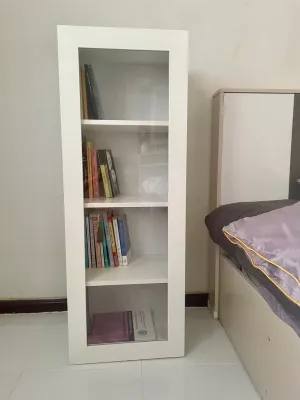
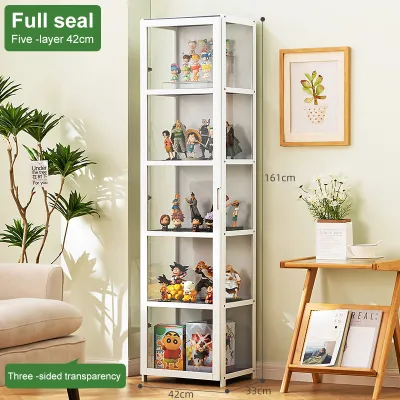
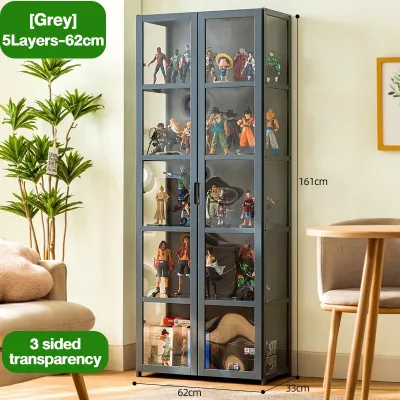
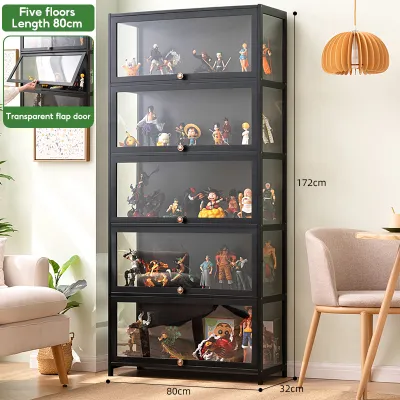
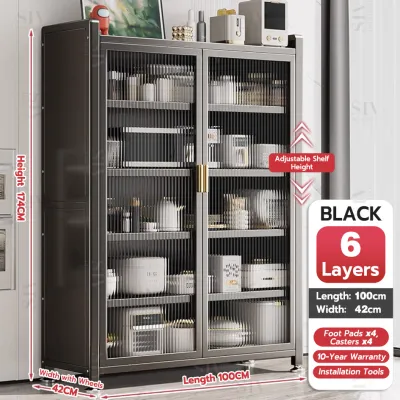
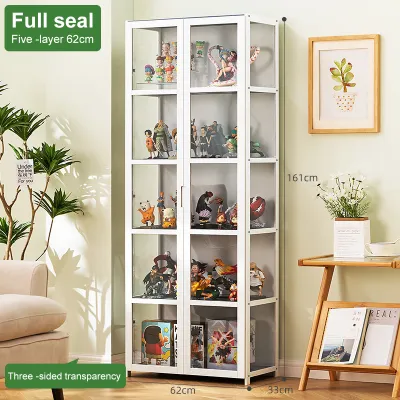
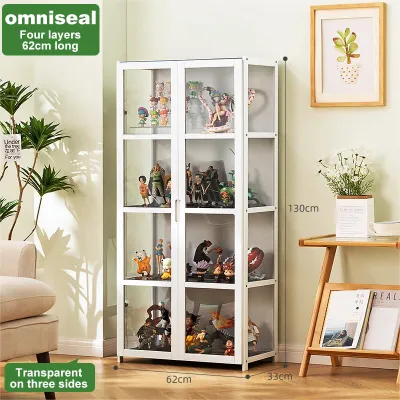

Prices are valid at publication and may change. Please refer to the product page for the latest price.
Acrylic, a synthetic polymer often sold under various brand names, is a popular lightweight alternative to glass. It is significantly lighter than glass, making it much easier to handle during assembly and installation. When tapped, acrylic produces a duller, plastic-like sound and feels warmer to the touch than natural glass. The edges of acrylic panels can be polished to a high shine, but they may also show subtle manufacturing lines or slight flexibility when pressed at the center.
Tempered glass is standard glass that has undergone a controlled thermal or chemical treatment to increase its strength. Identifying tempered glass requires looking for specific physical markers. Most tempered glass panels feature a small, permanent etched logo or stamp in one of the corners, which is applied before the heating process. Additionally, because tempered glass cannot be cut or drilled after it is treated, the edges are always finished, rounded, or chamfered beforehand, and you may notice very slight optical distortions when viewing the surface at an angle under polarized light.
Evaluating Clarity, Scratch Resistance, and Safety
Visual clarity and UV stability are critical when displaying valuable items, books, or dinnerware. Standard and tempered glass offer exceptional, long-lasting clarity that does not degrade over time. Glass naturally resists ultraviolet (UV) light, meaning it will not yellow or cloud even when exposed to direct sunlight. Acrylic also offers excellent initial clarity, but standard acrylic can yellow and become brittle over years of exposure to intense tropical sunlight. If you choose acrylic for a sunlit room, it is essential to check the manufacturer’s specifications for UV-resistant coatings or stabilizers.

Scratch resistance is where glass and acrylic differ most dramatically. Glass has a very hard surface that resists scratches from everyday dust, cleaning cloths, and minor contact with displayed items. Acrylic, being a softer polymer, is highly susceptible to scratching. Even wiping dry dust off an acrylic door with a standard paper towel or a slightly dirty cloth can leave fine hairline scratches that dull the surface over time. Maintaining acrylic requires specialized, non-abrasive cleaning solutions and ultra-soft microfiber cloths.
Breakage and safety profiles dictate where each material can be safely used. Standard glass is brittle and, upon impact, shatters into large, razor-sharp shards that can cause severe injury. Tempered glass is engineered for safety; when it breaks, it crumbles into thousands of small, relatively blunt, pebble-like pieces that minimize the risk of deep cuts. Acrylic is highly impact-resistant and rarely shatters; if it does break under extreme force, it typically cracks or splits into large, dull-edged pieces, making it a safer option for dynamic environments.
Decision Guide: Matching Material to Your Cabinet Environment
In high-traffic areas, dining rooms, or homes with active children and pets, safety and impact resistance should be your primary concerns. Tempered glass is highly recommended for these spaces because it combines the scratch resistance of glass with a safer breakage pattern. Alternatively, thick acrylic panels provide excellent impact resistance and will not shatter if accidentally bumped by a toy or a vacuum cleaner, offering peace of mind in busy households.
For displaying high-end collectibles, delicate porcelain, or items that require frequent handling, scratch resistance and a premium feel are often the priority. Standard or tempered glass doors maintain their pristine, crystal-clear appearance despite frequent opening, closing, and wiping. The rigid, heavy feel of glass doors also adds a sense of stability and quality to the cabinet, enhancing the overall presentation of your collection.
Before purchasing or retrofitting a transparent door cabinet, you must evaluate the structural and hardware limits of the furniture. Glass is heavy, and a cabinet frame must be sturdy enough to support the weight without warping or tipping. Check the manufacturer’s load capacity ratings for the cabinet shelves and frame, as well as the weight limits of the hinges. Standard hinges designed for lightweight acrylic doors may sag, squeak, or fail prematurely if forced to carry the weight of heavy tempered glass doors. Ensure that any pre-drilled holes align perfectly, as modifying the cabinet later can compromise its structural integrity.
Installation Limits and Daily Maintenance Rules
Hardware compatibility is a crucial factor during assembly and installation. If you are assembling a flat-pack cabinet, ensure you follow the instructions carefully regarding hinge tension and alignment. It is vital to remember that tempered glass cannot be drilled, cut, or altered in any way after the tempering process. Attempting to drill a hole for a handle or trim an edge will cause the entire pane to shatter instantly into tiny pieces. Acrylic, on the other hand, can be drilled or cut, but it requires specialized plastic-cutting drill bits and a slow, steady hand to prevent the material from cracking or melting.
Daily cleaning protocols must be tailored to the specific material to prevent permanent damage. For glass doors, standard glass cleaners or a simple mixture of water and mild dish soap work well to remove fingerprints and smudges. For acrylic doors, never use household window cleaners, ammonia-based sprays, or alcohol, as these chemicals can cause “crazing”—a network of fine microscopic cracks that permanently ruins the plastic’s clarity. Instead, use a dedicated acrylic cleaner or mild soapy water, and always wipe gently with a clean, damp microfiber cloth.
Cabinet stability is directly affected by the weight of the doors. When heavy glass or tempered glass doors are opened, the cabinet’s center of gravity shifts forward significantly. This shift increases the risk of the cabinet tipping over, especially on uneven floors or carpeted surfaces. To prevent accidents, always install the anti-tip kits and wall anchors provided by the manufacturer. Securing the cabinet to wall studs is a critical safety step that should never be skipped, regardless of the door material you choose.
Frequently Asked Questions (FAQ)
Can I replace an existing standard glass door with tempered glass or acrylic?
Yes, you can replace an existing door, but you must carefully assess the hardware and structural limits of your cabinet. Tempered glass is heavier than standard glass of the same thickness, so you must verify that your existing hinges and cabinet frame can support the additional load. If you choose acrylic as a replacement, ensure the thickness matches the original door channel or hinge clamps. Remember that tempered glass must be ordered to exact finished dimensions with all holes pre-drilled, as you cannot modify it once it arrives.
How do I verify if my current cabinet door is made of tempered glass?
To verify if your cabinet door is tempered glass, start by inspecting the corners of the pane for a permanent etched stamp, watermark, or logo. This mark often includes the manufacturer’s name and safety standards. If no stamp is visible, examine the edges of the glass; tempered glass typically has smooth, slightly rounded, or finished edges. You can also look at the glass through polarized sunglasses in bright, natural light; tempered glass often displays a faint pattern of dark spots or lines, which are characteristic of the heating and cooling process used during manufacturing.
Community discussion
Share your experience or ask a question. Comments are reviewed before publication.