
Quick Answer: Glass Cabinet Doors vs. Solid Options
Choosing between glass cabinet doors and solid options is a pivotal decision when planning or updating your kitchen storage. The right choice balances visual appeal with daily functionality, directly impacting how spacious your kitchen feels and how much effort you spend on upkeep.
Select glass cabinet doors if your goal is to showcase curated, organized dishware while making a compact kitchen feel brighter and more open. This option works exceptionally well for upper cabinets where light reflection can visually expand a tight layout.
Opt for solid cabinet doors if you prefer to conceal everyday clutter, prioritize quick and easy cleaning, or require high durability for a busy, high-traffic household. Solid doors completely hide mismatched containers, pantry staples, and small appliances from view.
Products mentioned in this guide
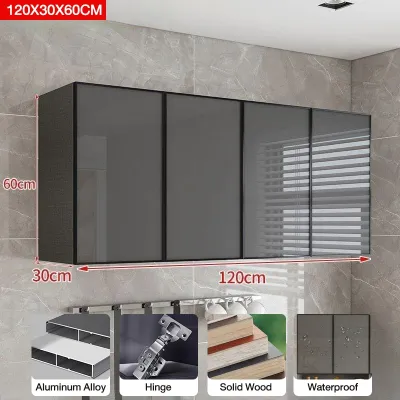
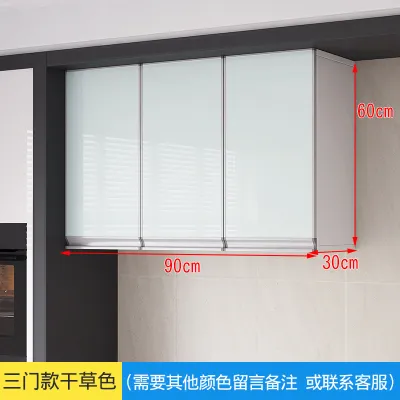
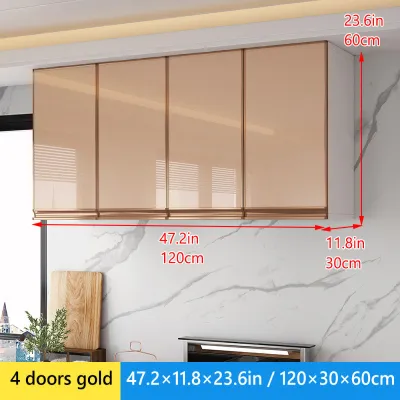
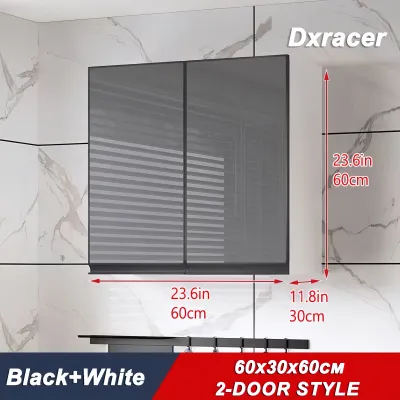

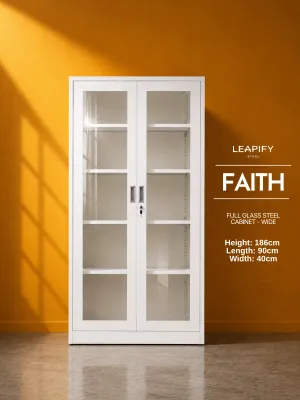
Prices are valid at publication and may change. Please refer to the product page for the latest price.
For many homes, a hybrid approach offers a highly practical compromise. Installing glass doors on upper cabinets and solid doors on base cabinets allows you to enjoy the aesthetic benefits of display storage while keeping heavy, cluttered items safely hidden below.
Visual Impact and Kitchen Space Perception
The choice of cabinet doors plays a major role in defining the visual boundaries of your kitchen. Glass cabinet doors act similarly to mirrors or windows, reflecting both natural light and indoor fixtures to create a sense of depth. In smaller kitchen layouts, such as those found in urban condominiums or townhouses, solid cabinetry can sometimes feel heavy or enclosing. Replacing a few solid panels with glass breaks up the monotony of solid surfaces, drawing the eye inward and making the walls feel further apart.

However, this open effect relies heavily on what is visible behind the glass. If the shelves are packed tightly with colorful, mismatched items, the visual clutter can actually make the kitchen feel smaller and more chaotic. Glass doors work most effectively when you want to establish a bright, airy focal point, particularly in kitchens that suffer from limited window access or deep shadows under the upper cabinets.
Solid doors, by contrast, provide a clean, uniform surface that establishes a streamlined and minimalist aesthetic. They create a consistent block of color or wood grain, which helps ground the room’s design. If your kitchen features a bold backsplash or busy countertop patterns, solid doors offer a quiet visual background that prevents the space from feeling overwhelmed. They are highly effective at maintaining a neat, cohesive look regardless of how untidy the cabinet interiors might be.
When evaluating your kitchen’s layout, consider the balance of light. Darker kitchens with minimal natural light benefit greatly from the reflective qualities of glass. Conversely, large, bright kitchens can easily handle expansive runs of solid cabinetry without feeling dark or cramped.
Storage Habits and Organization Requirements
Before committing to glass cabinet doors, it is essential to conduct an honest assessment of your daily storage habits and organizational style. Glass doors turn your storage spaces into active display cases. This means that everyday items—such as stacked plates, coffee mugs, and glassware—become part of your kitchen’s permanent decor. To maintain a clean look, you must commit to keeping these items neatly stacked, color-coordinated, or arranged with deliberate spacing.
If your household relies on a mix of plastic storage containers, mismatched promotional mugs, and half-empty pantry boxes, glass doors will expose this clutter to anyone standing in the room. For busy households where items are quickly washed and put away without much thought to styling, the pressure to maintain a picture-perfect cabinet interior can become a daily chore.
Solid doors offer complete forgiveness for internal disorganization. They allow you to maximize every cubic inch of shelf space, stacking items as high or as deep as necessary without affecting the kitchen’s outward appearance. This makes solid doors a logical choice for storing dry goods, spices, small appliances, and everyday cookware that may show signs of wear.
To decide which style fits your lifestyle, look at your current kitchen inventory. If you own a beautiful set of matching ceramic dinnerware or glassware that you enjoy seeing daily, glass doors provide an excellent stage. If your priority is quick, stress-free storage where you can simply close the door on the mess, solid panels are the more practical path.
Durability, Maintenance, and Safety Checks
The tropical climate and high humidity levels in the Philippines introduce specific maintenance challenges for kitchen cabinetry. High humidity can cause poorly sealed solid wood doors to warp, swell, or contract over time, leading to misaligned hinges or doors that do not close flush. When choosing solid doors made of wood, medium-density fiberboard (MDF), or laminate, it is crucial to inspect the quality of the edge banding and protective finishes. Ensure that all edges are fully sealed against moisture, especially near high-heat and high-steam areas like the stovetop or sink.
Glass cabinet doors do not warp or swell when exposed to humidity, but they present a different set of maintenance demands. Cooking oils, steam, and airborne grease from frying can quickly form a cloudy film on glass surfaces. Fingerprints, water spots, and dust are also highly visible on clear glass, requiring frequent wiping with a soft microfiber cloth. When cleaning, always check the manufacturer’s instructions for recommended cleaning agents; avoid abrasive pads or harsh chemicals that could scratch the glass or degrade the surrounding wood or metal frame.
Safety is another critical factor, particularly in active households with young children or pets. Standard glass can shatter into sharp, dangerous shards if struck by a stray toy or a heavy pan. If you choose glass doors, verify with the supplier that the panels are made of tempered safety glass, which is designed to crumble into small, blunt pieces rather than sharp fragments upon impact.
Solid doors eliminate these breakage risks entirely, making them highly durable in high-traffic zones. They can withstand accidental bumps from chairs, vacuum cleaners, or busy family members without the risk of structural failure. However, they are still susceptible to surface scratches and dents, so choosing a durable, scratch-resistant laminate or a hard polyurethane finish is advisable for long-term wear.
Cost, Sizing, and Installation Considerations
Upgrading or installing kitchen cabinet doors requires careful planning around budget, physical dimensions, and structural limits. Generally, glass cabinet doors carry a higher price tag than standard solid doors. The cost is driven by the complexity of the manufacturing process, which involves cutting a precise center opening in the door frame, preparing the retaining grooves, and sourcing the glass panel itself. Specialized glass types—such as frosted, textured, or reeded glass—will further increase the overall cost per panel compared to standard clear glass.
Before purchasing replacement doors, you must verify the exact dimensions of your existing cabinet boxes. Measure the height, width, and depth of the openings at multiple points to account for any slight settling or warping of the cabinet structure. You must also check hinge compatibility. Glass doors, especially those with thick frames or heavy safety glass, can weigh significantly more than lightweight hollow-core or MDF solid doors. Ensure your existing hinges are rated to support this additional weight, or plan to upgrade to heavy-duty, soft-close hinges to prevent the doors from slamming and cracking.
Clearance is another vital installation check. Ensure that the door swing path does not interfere with adjacent walls, light fixtures, or major appliances like the refrigerator or range hood. Because glass doors are more fragile, a door that swings open too far and strikes a granite countertop edge or a metal appliance handle poses a constant cracking hazard. Installing door stops or adjusting the hinge opening angle can help prevent these accidental impacts.
Decision Framework: Choosing the Right Cabinet Door
To help finalize your kitchen design or renovation plans, use this straightforward decision framework to match your needs with the ideal door style.
- Choose Glass Cabinet Doors if:
- You want to display matching dinnerware, glassware, or decorative kitchen items.
- Your kitchen is small, narrow, or lacks abundant natural light, and you want to create a more open, airy feel.
- You are willing to perform regular cleaning to remove grease, dust, and fingerprints from the glass panels.
- You can commit to keeping the cabinet interiors organized and clutter-free.
- Choose Solid Cabinet Doors if:
- You need to store mismatched items, pantry goods, small appliances, and general kitchen clutter out of sight.
- You prefer a low-maintenance kitchen where surfaces only require occasional wiping.
- You have a high-traffic household with active children or pets where impact safety is a primary concern.
- You want a uniform, minimalist aesthetic with clean lines and consistent color blocks.
- Consider a Hybrid Layout if:
- You want the best of both worlds: install glass doors on select upper cabinets to showcase your finest items and keep the space feeling open.
- Use solid doors for all lower base cabinets and pantry towers to handle heavy-duty storage, pots, pans, and everyday clutter safely.
Frequently Asked Questions (FAQ)
Can I mix glass and solid doors in the same kitchen?
Yes, mixing glass and solid doors is a highly practical and visually appealing design strategy. The most common approach is to install glass doors on the upper wall cabinets and solid doors on the lower base cabinets. This layout keeps the heavier, less attractive items—like pots, pans, and cleaning supplies—hidden safely below waist level. Meanwhile, the glass uppers draw the eye upward, reflecting light and making the entire room feel more spacious and balanced.
What are the options if I want glass doors but need to hide clutter?
If you love the reflective, light-enhancing qualities of glass but do not want your cabinet contents on display, consider alternative glass treatments. Frosted, textured, reeded, or seeded glass panels offer excellent compromise solutions. These styles obscure the shapes and colors of the items inside, effectively hiding clutter while still allowing light to pass through and soften the kitchen’s appearance. Before purchasing, it is highly recommended to view physical samples of these glass finishes in your kitchen’s actual lighting to ensure they provide the level of privacy you desire.
Community discussion
Share your experience or ask a question. Comments are reviewed before publication.