
Choosing between glass and acrylic for a cabinet transparent organizer involves balancing visual clarity against daily safety and maintenance. Glass provides a classic, scratch-resistant surface that maintains its pristine look over decades, making it the traditional choice for showcasing fine china, glassware, and collectibles. Acrylic, on the other hand, offers a lightweight, highly impact-resistant alternative that is less likely to shatter, making it a practical option for active households. The ideal material depends on your dining room’s environment, your budget in ₱, and how much effort you want to put into cleaning.
Clarity and Visual Appeal: Evaluating the Display Experience
Glass has long been the standard for display cabinets due to its exceptional optical clarity. It does not warp or distort the view of your items, even when viewed from sharp angles. However, standard clear glass often carries a subtle greenish tint along the edges, which is caused by iron content in the raw materials. If you are displaying pure white porcelain or highly detailed colorful collectibles, you might want to check if the cabinet uses low-iron glass, which minimizes this tint for a completely neutral view.
Reflections can also impact how well your items are seen. In brightly lit dining spaces or rooms with large windows, glass can produce significant glare. While anti-reflective coatings exist, they are less common on standard residential furniture.
Products mentioned in this guide
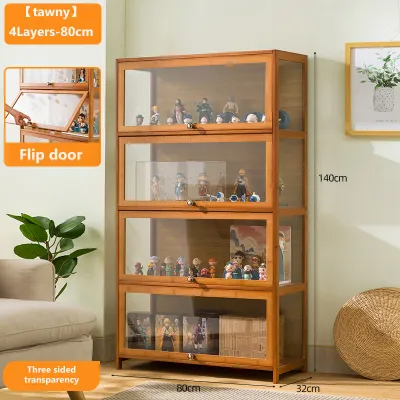
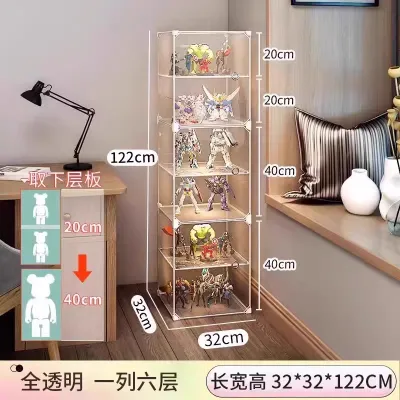
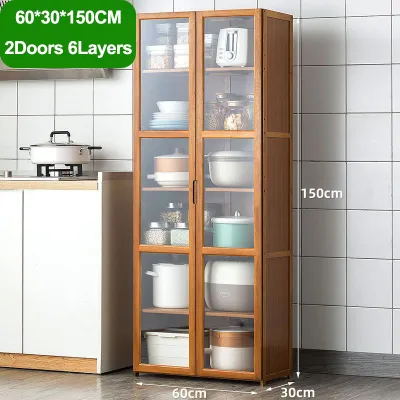
Prices are valid at publication and may change. Please refer to the product page for the latest price.
Acrylic panels offer impressive initial light transmission, often appearing completely clear and colorless without the green edge tint characteristic of standard glass. This makes acrylic an excellent choice for modern, minimalist display setups where clean lines and true colors are essential. However, lower-grade extruded acrylic sheets can sometimes exhibit minor visual distortions or a slight waviness when viewed from an angle. To ensure a premium look, it is wise to check the manufacturer’s specifications to verify if they use optical-grade cast acrylic rather than standard extruded sheets.
Ultimately, matching the material to your display items is key. High-value heirloom tableware, delicate crystal, and vintage glassware benefit from the rigid, reflective quality of glass, which lends a sense of permanence and luxury. Conversely, contemporary dinnerware, colorful plastic organizers, or everyday mugs look well-suited behind clear, lightweight acrylic doors.
Durability and Safety: Weighing Impact Resistance and Breakage
Safety is a primary concern when selecting a cabinet transparent organizer, especially in high-traffic dining areas. Standard annealed glass can break into sharp, dangerous shards if struck by a stray chair or a heavy toy. To mitigate this risk, many modern display cabinets utilize tempered safety glass. Tempered glass is designed to crumble into small, relatively harmless granular pieces instead of sharp splinters. When shopping, always look for safety certification labels or tempered glass markings on the corner of the panels to verify this feature.

Acrylic is highly valued for its exceptional impact resistance. It is virtually shatterproof under normal household conditions, making it an incredibly safe option for busy dining rooms, homes with active children, or households with pets that might bump into the furniture. If an acrylic door does break under extreme force, it typically cracks or breaks into large, dull-edged pieces rather than shattering into tiny, hazardous fragments.
However, acrylic is a flexible material. If the panels are too thin, they can bow or flex when the doors are opened or closed, which can make the cabinet feel less sturdy. When evaluating an acrylic-doored cabinet, check the panel thickness. Thicker panels (typically 4mm or more) provide a much more rigid, premium feel that resists flexing over time.
Consider your household’s daily traffic and the cabinet’s physical placement. A tall, freestanding buffet cabinet placed in a narrow hallway or near a busy dining table may be more prone to accidental bumps, making shatter-resistant acrylic a highly practical choice. Conversely, a wall-mounted display cabinet placed safely out of reach of children and pets is an excellent candidate for the classic weight and stability of tempered glass.
Maintenance and Cleaning: Managing Scratches and Smudges
Keeping your cabinet transparent organizer clean is essential for maintaining an attractive display, but the two materials require very different care routines. Glass is highly scratch-resistant, meaning you can wipe away dust, fingerprints, and grease without worrying about leaving permanent micro-scratches on the surface. It is compatible with standard household glass cleaners, multi-surface sprays, and microfiber cloths.
In dining areas close to the kitchen, airborne grease and hard water spots can settle on the cabinet doors. Glass handles these tough residues well, allowing you to use mild scrubbing pads or specialized glass polishes to restore clarity without damaging the material.
Acrylic requires a much more delicate touch. It is highly susceptible to micro-scratches, which can accumulate over time from dusty cloths or abrasive paper towels, eventually giving the doors a cloudy, dull appearance. To prevent this, you must use clean, high-quality microfiber cloths and cleaning solutions specifically formulated for acrylic or plastic.
Crucially, you must avoid any cleaning products containing ammonia, alcohol, or acetone, which are common ingredients in standard glass cleaners. These chemicals can cause a reaction known as “crazing,” which creates a network of tiny, irreversible cracks throughout the acrylic panel. Always review the manufacturer’s care instructions to verify which cleaning agents are safe for your specific cabinet doors.
Weight, Installation, and Hardware Compatibility
The physical weight of the door material has a significant impact on the cabinet’s structural integrity and ease of installation. Glass is a heavy material, which puts continuous stress on the cabinet’s hinges, joints, and frame. If you are choosing glass doors, you must ensure the cabinet frame is robust and that the hinges are heavy-duty and securely anchored. Over time, heavy glass doors can sag, requiring periodic hinge adjustments to keep them aligned and closing properly.
Acrylic is much lighter than glass, weighing roughly half as much for a panel of the same size and thickness. This lightweight nature makes acrylic doors much easier to install, adjust, and operate. It also reduces the overall load on the cabinet frame, making it a safer choice for lighter, flat-pack, or wall-mounted furniture.
However, because acrylic is lightweight and flexible, large acrylic doors can be prone to warping if they are exposed to uneven temperatures or high humidity—a common consideration in tropical climates. To prevent warping, ensure the acrylic panels are properly supported within a rigid frame or check that the door design includes sufficient structural reinforcement.
Before purchasing or retrofitting, perform a quick pre-installation check. Measure the existing door dimensions, verify the hinge hole spacing, and check the weight ratings of your hardware. If you are upgrading an older cabinet, ensure the frame can handle the substantial weight of tempered glass before making a final decision.
Cost and Value: Comparing Upfront Price and Longevity
When comparing upfront costs and long-term value, both materials present distinct financial profiles. The price of glass doors is driven primarily by thickness, edge processing, and whether the glass is tempered. While standard glass can be relatively affordable, high-quality tempered safety glass or low-iron glass will increase the initial purchase price in ₱. However, because glass does not scratch easily and maintains its clarity indefinitely, it is often a one-time investment that lasts for the lifetime of the cabinet.
Acrylic can vary widely in price depending on the grade and manufacturing process. Standard extruded acrylic is often more budget-friendly upfront, while high-quality, optical-grade cast acrylic can approach or even exceed the cost of standard glass.
While acrylic might save you money initially, you must factor in the potential cost of replacement. If the acrylic doors become heavily scratched or clouded over years of daily use and cleaning, you may need to replace the panels to restore the cabinet’s visual appeal.
Align your choice with the cabinet’s intended lifespan and usage frequency. For a permanent, high-end dining room centerpiece that you plan to keep for decades, the durability and timeless appeal of tempered glass offer excellent long-term value. For a temporary setup, a rental property, or a cabinet in a high-activity playroom, the lower upfront cost and safety of acrylic may be the more sensible financial decision.
Decision Framework: Which Material Fits Your Cabinet?
To finalize your choice, consider how each material aligns with your specific household needs and display goals.
Choose glass if your primary goals are maximum optical clarity, long-term scratch resistance, and a premium, heavy feel. Glass is the ideal match for showcasing valuable tableware, crystal, and collectibles in a formal dining setting where the cabinet will not be subjected to heavy impact.
Choose acrylic if safety, shatter resistance, and lightweight construction are your top priorities. Acrylic is a highly practical solution for busy households with young children or pets, wall-mounted cabinets where weight is a concern, or modern spaces that require a clean, lightweight aesthetic.
Verify first if you are planning to retrofit an existing cabinet. Always measure the frame clearance, check the weight capacity of your existing hinges, and inspect the mounting grooves to ensure your chosen material will fit securely without compromising the cabinet’s stability.
Frequently Asked Questions (FAQ)
Can I replace existing glass doors with acrylic panels myself?
Yes, replacing glass doors with acrylic panels is a highly feasible DIY project, provided you perform a few essential checks first. Start by measuring the thickness of your current glass panels to ensure the new acrylic sheets will fit into the existing frame grooves or mounting clips. Since acrylic is much lighter, your existing hinges will easily support the weight, but you should still check that the screw holes are secure and not stripped. If your cabinet uses a frameless glass design with specialized glass-clamping hinges, you may need to replace the hardware entirely, as these hinges are often designed specifically for the rigidity and thickness of glass. If you encounter complex mounting systems or are unsure about structural stability, consult a local carpenter or the cabinet manufacturer before proceeding.
Does acrylic turn yellow over time in a dining room?
Standard, low-grade acrylic can turn yellow or become brittle over time when exposed to ultraviolet (UV) light. In a dining room, this exposure typically comes from direct sunlight streaming through windows. To prevent discoloration, check the product specifications or labels to ensure the acrylic is UV-stabilized or rated for UV resistance. Placing your display cabinet away from direct sunlight will also significantly extend the lifespan and clarity of the panels. High-quality, optical-grade acrylic sheets are specifically formulated to resist yellowing, ensuring your cabinet transparent organizer remains clear and attractive for many years under normal indoor lighting conditions.
Community discussion
Share your experience or ask a question. Comments are reviewed before publication.