
Selecting a bar counter with cabinet that embodies the Modern Filipino style involves a thoughtful marriage of heritage craftsmanship and contemporary design. In modern homes across the Philippines, the living room often serves as a multi-functional sanctuary where families gather and guests are entertained. Integrating local materials like rattan, narra, bamboo, and capiz into a sleek, minimalist bar counter allows you to celebrate local artistry while maintaining a clean, uncluttered aesthetic. This guide provides a practical framework for evaluating these materials, planning your space, and verifying construction quality to ensure your investment stands the test of time.
Historically, traditional Filipino furniture favored heavy, deeply carved hardwoods that dominated a room. Today, the Modern Filipino aesthetic refines this approach by pairing those same rich, durable materials with light, airy textures and geometric frames. By focusing on clean lines and functional storage, a modern bar counter with cabinet acts as both a visual anchor and a highly practical piece of furniture. Whether you are looking to store glassware, display local spirits, or create a casual dining spot, understanding how to assess local materials and construction methods is the first step toward finding the perfect piece.
Defining the Modern Filipino Aesthetic
The Modern Filipino aesthetic is defined by its ability to feel both deeply rooted in local culture and thoroughly contemporary. Rather than replicating the ornate, heavy designs of the Spanish colonial era, modern designers focus on minimalist silhouettes that highlight the natural beauty of indigenous materials. This style relies on a neutral color palette—dominated by warm wood tones, earthy beiges, and crisp whites—punctuated by the rich, organic textures of woven fibers and polished timber. The goal is to create an indoor environment that feels breezy, light, and connected to the tropical landscape outside.
Products mentioned in this guide
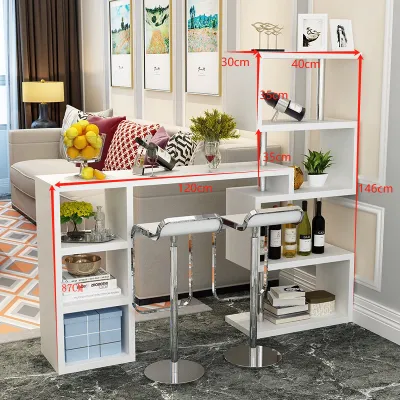
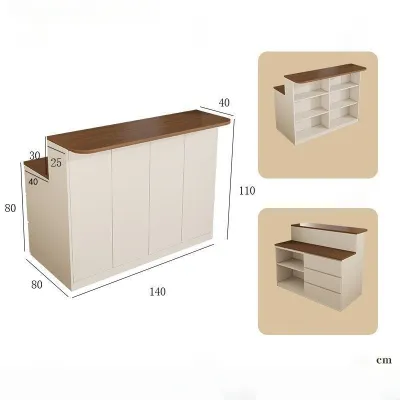
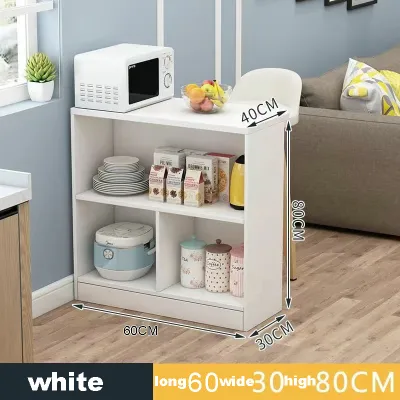
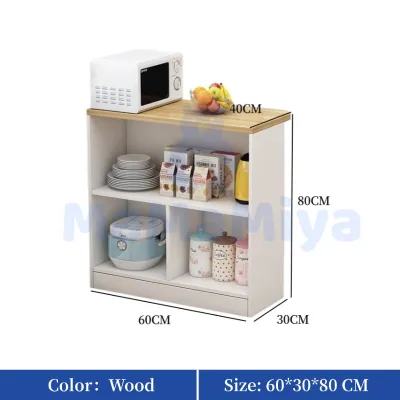
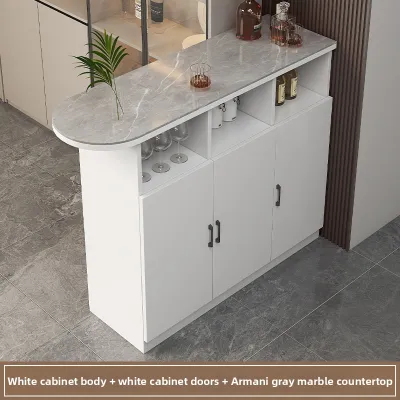
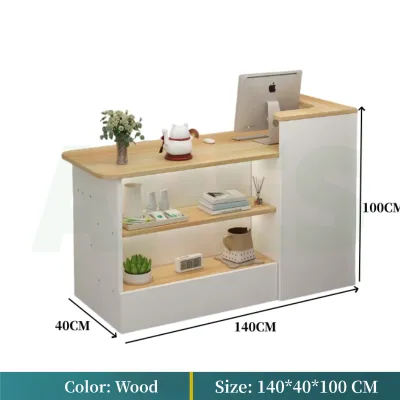
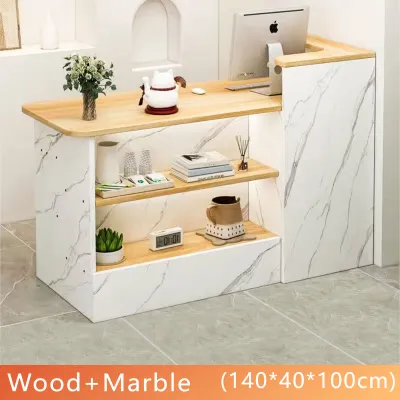
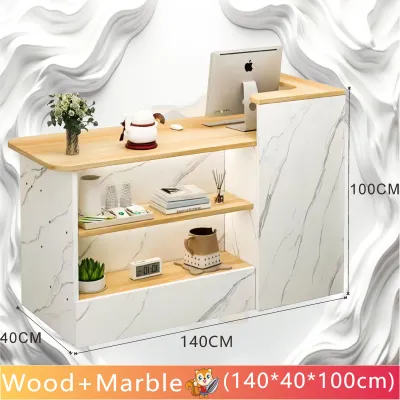
Prices are valid at publication and may change. Please refer to the product page for the latest price.
In open-plan living and dining areas, balancing visual weight is crucial. A solid, dark wood bar counter can easily overwhelm a room if it is not balanced by lighter elements. Modern designs solve this by incorporating open shelving, slender metal or wooden legs, and woven cabinet fronts that allow light and air to pass through. This structural transparency prevents the furniture from blocking sightlines, making your living area feel larger and more cohesive.
Positioning is another key factor when integrating a bar counter with cabinet into your home. These versatile pieces frequently serve as functional room dividers, subtly separating the kitchen or dining area from the main living space without the need for solid walls. Alternatively, a bar counter can be styled as a dedicated entertainment hub placed against a feature wall, creating a sophisticated zone for serving drinks and storing barware during family gatherings.
Evaluating Local Materials for Cabinets and Countertops
Rattan and wicker are quintessential tropical materials that bring instant warmth and texture to modern furniture. When evaluating a bar counter featuring rattan cabinet doors or panels, pay close attention to the tightness and consistency of the weave. Loose or uneven strands can snag clothing and deteriorate quickly under daily use. It is also essential to verify the underlying frame material; high-quality pieces use solid wood or sturdy metal frames to support the rattan, whereas cheaper alternatives might rely on synthetic cores or flimsy plywood that can sag over time. Because rattan is sensitive to extreme moisture, ensure it has been treated with a protective clear coat to withstand the humidity of Philippine homes.

For the structural frame and heavy-use countertops, local hardwoods like narra and mahogany remain highly prized for their strength and rich grain patterns. When choosing a hardwood bar counter, ask the manufacturer about the wood’s treatment and kiln-drying process, which is vital for preventing warping in tropical climates. Inspect the finish type—matte or satin polyurethane sealants offer excellent protection against liquid spills and glass rings while preserving the wood’s natural texture. Additionally, verify the weight-bearing capacity of the internal cabinet shelving, especially if you plan to store heavy bottles, glassware, or small appliances.
Bamboo and capiz shells offer unique opportunities for adding distinct local accents to a modern bar counter. Bamboo is incredibly sustainable and can be engineered into sleek, laminated panels that rival traditional hardwoods in durability, provided they are properly sealed against moisture and pests. Capiz, derived from the shells of marine mollusks, is often used as an inlay for cabinet doors or decorative panels, catching the light beautifully. When inspecting capiz elements, check that the shells are securely integrated into the frame and sealed with a smooth, durable resin to prevent cracking or peeling along the edges.
Space Planning and Installation Requirements
Before purchasing a bar counter with cabinet, precise spatial planning is required to ensure the piece functions comfortably within your living room. Start by measuring the footprint of the counter, keeping in mind that you need at least 90 to 100 centimeters of clearance behind the bar for comfortable movement. If you plan to pair the counter with bar stools, allow approximately 30 centimeters of depth for legroom under the counter overhang, and allocate about 60 centimeters of width per stool to prevent guests from feeling crowded.
Cabinet door swings and drawer extensions must also be factored into your measurements. Ensure that when cabinet doors are fully open, they do not block primary walkways or collide with adjacent furniture like sofas or dining chairs. For heavy units made of solid hardwoods like narra, verify that your flooring is perfectly level; uneven floors can put uneven stress on the furniture joints, causing doors to misalign or drawers to stick. Using adjustable leveling feet or subtle shims can help stabilize the unit on slightly uneven tile or wood floors.
Finally, do not overlook the logistics of delivery and assembly. Measure the width and height of all doorways, hallways, stairwells, and elevator cabins that the furniture must pass through to reach your living room. Solid-wood bar counters are often delivered fully assembled and can be exceptionally heavy and difficult to maneuver around tight corners. If access is restricted, look for modular designs or manufacturers that offer on-site assembly services to avoid delivery day complications.
Sourcing and Verifying Quality Furniture
Finding a high-quality bar counter requires looking beyond attractive online listings and digging into the specifics of how the piece was made. While custom local carpenters can create bespoke designs tailored exactly to your space, established furniture showrooms often provide more consistent quality control and structural warranties. If you prefer shopping online, stick to verified furniture stores that offer detailed material specifications, clear return policies, and transparent customer reviews.
When sourcing furniture made from local hardwoods, do not hesitate to ask the seller for documentation regarding material origin and wood treatment. Reputable makers should be able to confirm that their timber is sustainably sourced and has undergone proper kiln-drying and pest-control treatments to protect against termites and wood-boring beetles. A structural warranty of at least one to two years is a good indicator of a manufacturer’s confidence in their craftsmanship.
If you are able to inspect the furniture in person, examine the joinery and hardware closely. High-quality wooden cabinets utilize traditional joinery techniques like mortise-and-tenon or dowel joints rather than relying solely on nails and glue, which can loosen over time. Test the cabinet doors and drawers repeatedly; they should open smoothly without squeaking or catching. Look for soft-close hinges and heavy-duty drawer slides that can handle the weight of stored bottles, and check that the protective finish is applied evenly across all surfaces, including the undersides and interior shelves.
Maintenance and Care for Tropical Materials
Preserving the beauty of local materials in a tropical climate requires a consistent, gentle maintenance routine. For woven rattan and wicker panels, dust can easily accumulate in the crevices of the weave. Use a soft-bristled brush or a vacuum cleaner with a brush attachment to remove dust weekly, and wipe the surfaces down with a slightly damp microfiber cloth if needed. Avoid using harsh chemical cleaners or soaking the rattan, as excess moisture can weaken the fibers and encourage mold growth.
Polished hardwood surfaces like narra and mahogany should be dusted regularly with a dry, soft cloth. To maintain the luster of the wood and protect it from drying out, apply a high-quality wood wax or polish recommended by the manufacturer once or twice a year. Always use coasters, trivets, and placemats under glasses and hot dishes to prevent heat marks and moisture rings from damaging the protective sealant. Additionally, position your bar counter away from direct sunlight streaming through windows, as prolonged exposure to UV rays can fade the wood’s rich color and cause the finish to crack.
Keep a close eye on your furniture for any signs of wear or environmental damage. In humid tropical environments, inspect the back panels and interior corners of the cabinets regularly for mold, mildew, or signs of pest activity, such as tiny holes or fine wood dust (which indicate bukbok or powderpost beetles). If you notice any finish degradation, minor scratches, or wood movement, addressing these issues early with a professional refinishing service can prevent long-term structural damage and keep your bar counter looking pristine for decades.
Frequently Asked Questions (FAQ)
Can a rattan bar counter cabinet support heavy appliances?
Rattan itself is a lightweight, flexible material primarily used for decorative panels, cabinet door inserts, or lightweight shelving. It is not designed to support heavy appliances like ice makers, wine coolers, or heavy blenders on its own. However, if the bar counter features a robust internal frame made of solid wood or steel, it can easily support these appliances. Always check the manufacturer’s specific load-bearing guidelines for the countertop and internal shelves before placing heavy equipment on or inside the unit.
How do I protect narra wood cabinets from humidity changes?
Narra wood is naturally durable, but rapid fluctuations in indoor humidity can still cause solid wood to expand and contract. To protect your cabinets, ensure the wood has been professionally kiln-dried and sealed with a high-quality, moisture-resistant finish like polyurethane or lacquer. Maintain a stable indoor environment by utilizing air conditioning or dehumidifiers during the wet season, and avoid placing the bar counter directly next to open windows, external doors, or humid kitchen cooking areas.
Community discussion
Share your experience or ask a question. Comments are reviewed before publication.