
Quick Answer: Which Should You Choose?
Deciding between a traditional hammock and a hanging hammock chair is not a matter of finding a universal winner. Instead, the right choice depends on your available space, the structural anchor points at your disposal, and your preferred way to relax.
Traditional hammocks are the classic choice for spacious gardens, wide patios, or open lawns where full-body reclining, napping, and deep relaxation are the priorities. They require a generous horizontal span and two secure, widely spaced anchor points to hang safely and comfortably.
Hammock chairs, on the other hand, are designed for compact balconies, cozy verandas, and areas with limited horizontal clearance. They require only a single overhead anchor point or a compact freestanding stand, making them highly versatile. They support an upright or semi-reclined posture that is ideal for reading, sipping coffee, or socializing.
Products mentioned in this guide
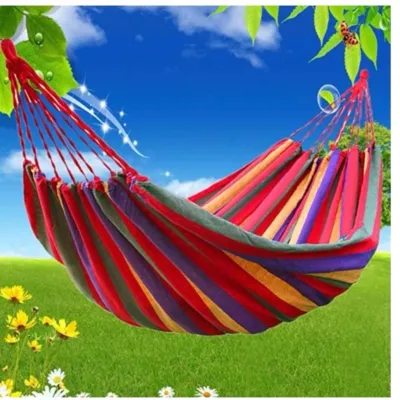
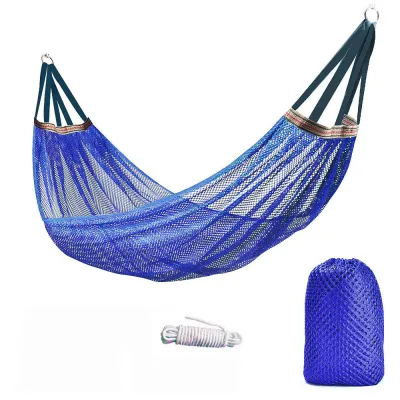
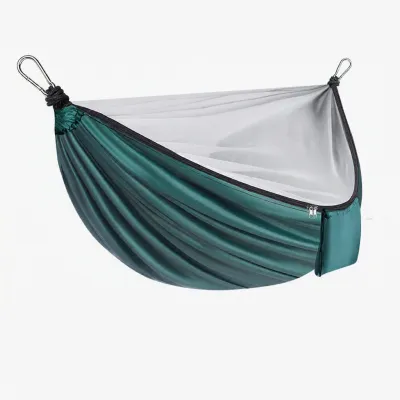
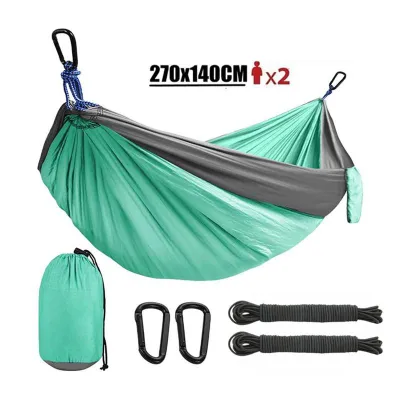
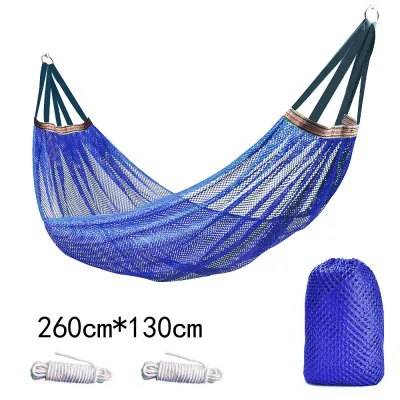
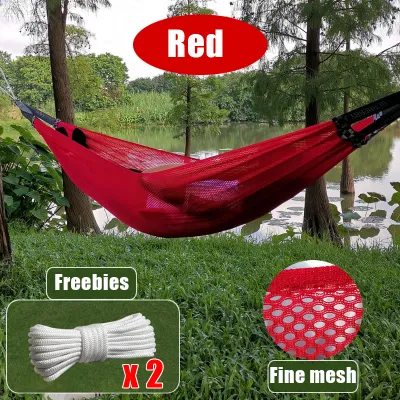
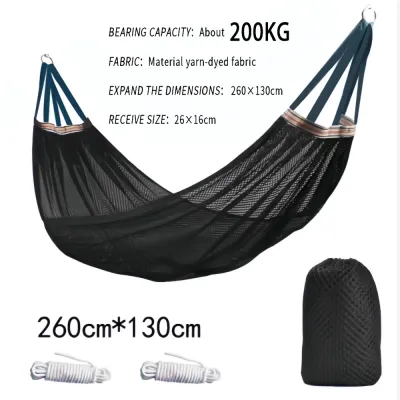
Prices are valid at publication and may change. Please refer to the product page for the latest price.
To make the right choice for your home, you must evaluate your physical space, check your structural support options, and consider how you plan to use the furniture. The following sections will guide you through measuring your area, comparing comfort levels, and selecting the best materials for your climate.
Space and Installation: Measuring Your Area
Before purchasing any hanging furniture, you must accurately measure your intended area. Failing to verify your space can lead to a setup that is either physically impossible to install or highly uncomfortable to use. Traditional hammocks and hammock chairs have vastly different physical footprints and structural requirements.

Traditional Hammock: Clearance and Anchor Points
A traditional hammock requires a significant horizontal span to hang correctly. As a general rule, the distance between your two anchor points should be roughly 10% to 15% longer than the total length of the hammock, measured from loop to loop. For a standard 3-meter hammock, you will need an anchor span of at least 3.3 to 3.5 meters. Hanging a hammock in a space that is too short will cause an excessive sag, making you sink too close to the ground, while a space that is too long will require extra extension ropes or chains, which can increase the tension and stress on your anchor points.
The height of your anchor points is equally critical. For a standard hang without a spreader bar, your anchor points should be positioned about 1.5 to 1.8 meters above the ground. This height, combined with the proper horizontal distance, creates a gentle, natural curve with a suspension angle of approximately 30 degrees. This angle is crucial because it balances the vertical load and horizontal shear force, ensuring a safe and comfortable suspension.
Safety must always come first when selecting anchor points. If you are hanging your hammock between trees, ensure they are mature, healthy, and have a trunk diameter of at least 15 to 20 centimeters. Avoid softwoods or trees with signs of rot or shallow root systems. If you are mounting to structural pillars, columns, or walls, verify that they are made of solid concrete or reinforced masonry. Never mount hardware into hollow concrete blocks, light brick veneers, or decorative wooden posts, as these materials cannot withstand the high lateral forces exerted by a swinging adult. If you have any doubts about the structural integrity of your walls or posts, consult a structural engineer or a professional contractor before installation.
Hammock Chair: Ceiling Height and Single-Point Mounts
Hammock chairs are highly efficient with space because they hang from a single overhead anchor point. This single-point suspension means you do not need to worry about horizontal span calculations; instead, your primary concern is vertical clearance. To hang a hammock chair comfortably, you need a ceiling, beam, or branch height of at least 2 to 2.2 meters. This vertical space ensures that the bottom of the seat hangs roughly 30 to 50 centimeters above the floor when occupied, allowing you to sit down and stand up with ease.
When calculating your vertical clearance, you must account for fabric stretch and hardware length. Most hammock fabrics, especially those made of woven cotton or light synthetics, will stretch significantly under weight. You must factor in the length of your mounting plate, swivel hook, spring, and extension chain. If your ceiling is exceptionally high, you can easily bridge the gap with an adjustable chain or a heavy-duty rope, but if your ceiling is lower than 2 meters, you may find that the chair hangs too close to the ground for comfortable use.
While the static footprint of a hammock chair is small, you must also account for its swinging radius. Ensure there is at least 75 to 100 centimeters of clear space on all sides of the chair to prevent colliding with walls, glass sliding doors, railings, or other furniture. Before drilling into a ceiling joist or concrete slab, verify its load-bearing capacity. If you are mounting into concrete, use heavy-duty steel expansion bolts designed for overhead loads. If you are mounting into wood, ensure you drill directly into the center of a solid, structural ceiling joist rather than decorative tongue-and-groove panels. For renters or those without structural overhead supports, a freestanding metal C-frame stand is an excellent alternative that requires zero drilling.
Comfort and Posture: Lying Down vs. Sitting Up
The physical experience of using a traditional hammock is entirely different from using a hammock chair. Your choice should align with how you naturally prefer to spend your leisure time.
Traditional Hammock
- Ergonomic Support: Designed primarily for horizontal reclining and full-body support.
- The Diagonal Lay: To achieve maximum comfort in a traditional hammock without a spreader bar, you should lie diagonally across the fabric rather than straight down the center. Lying at a 30-to-45-degree angle flattens the fabric beneath you, preventing the hammock from cocooning around your shoulders and keeping your spine in a natural, flat alignment rather than a curved, uncomfortable shape.
- Primary Use: Best suited for deep relaxation, afternoon naps, stargazing, and long sessions of doing nothing.
- Physical Accessibility: Getting into and out of a low-slung traditional hammock requires a degree of core strength, balance, and coordination. Because the center of gravity is low and the fabric is highly flexible, it can be challenging for individuals with joint pain, back issues, or limited mobility.
Hammock Chair
- Ergonomic Support: Supports an upright or semi-reclined sitting posture, much like a suspended armchair.
- Active Relaxation: The upright position is perfect for activities that require you to be alert, such as reading a book, typing on a laptop, drinking coffee, or chatting with guests. Many models include integrated armrests, footrests, or small side pockets for your phone or book.
- Primary Use: Best for casual lounging, reading, and socializing in a cozy corner.
- Physical Accessibility: Stepping into and out of a hammock chair is generally much easier than navigating a traditional hammock. Because the seat is suspended at standard chair height, you can sit down and stand up naturally, making it a safer and more accessible option for older adults or anyone with physical limitations.
Scene Matching: Balcony vs. Garden Setup
Matching your choice to your specific outdoor environment ensures that your new furniture is both practical and visually appealing.
Balcony and Compact Outdoor Spaces
For residents of condominiums, townhouses, or homes with compact verandas, the hammock chair is almost always the superior choice. Balconies in urban areas are often narrow, typically measuring between 1 and 1.5 meters in depth. A traditional hammock strung across a narrow balcony will completely dominate the space, blocking walkways, obstructing sliding doors, and preventing access to other areas. Furthermore, finding two secure structural walls that are perfectly aligned on a balcony can be incredibly difficult, and drilling into external building facades is often prohibited by property management rules.
A hammock chair solves these spatial challenges beautifully. Because it hangs from a single point, it can be tucked neatly into a corner, preserving your balcony’s traffic flow and leaving plenty of room for small tables, plants, or additional seating. If you use a freestanding metal C-stand, you can easily reposition the chair to catch the breeze or step out of the direct sun. This flexibility is invaluable in multi-use outdoor spaces where you need to adapt the layout for different occasions.
Spacious Gardens and Patios
In a spacious garden, backyard, or large open patio, the traditional hammock is in its natural element. It serves as an inviting visual focal point, evoking the relaxed atmosphere of a tropical resort. If you have mature trees on your property, you can easily string up a hammock using wide, tree-friendly webbing straps that protect the bark from damage. This setup allows you to position your hammock in the cool shade of a canopy, creating the perfect spot for outdoor napping.
If your garden lacks mature trees, you can install dedicated wooden or metal posts set in concrete footings, or invest in a freestanding wooden or steel hammock stand. While these stands have a large footprint, a spacious garden has the room to accommodate them without feeling cluttered. Hammock chairs can also work wonderfully in a garden setting—particularly when hung from a sturdy pergola beam, a covered patio ceiling, or a thick, low-hanging branch of a large tree. However, if you want that classic, sprawling outdoor lounging experience, nothing matches the look and feel of a traditional hammock in an open green space.
Weather Resistance and Maintenance in Humid Climates
In tropical climates characterized by high humidity, intense sunlight, and heavy seasonal rainfall, material selection and proper maintenance are critical to ensuring your hanging furniture lasts for years.
When shopping, avoid products that claim to be completely “waterproof” or “mold-proof” without providing specific material details. Instead, look for clear manufacturer specifications regarding material composition and protective coatings.
Natural fibers, such as 100% cotton, are incredibly soft, breathable, and comfortable against the skin, making them highly appealing for hot afternoons. However, cotton is highly absorbent. In humid climates, a cotton hammock left outdoors will trap moisture, turning it into a breeding ground for mold, mildew, and unsightly black spots. If you choose a cotton hammock, you must be prepared to bring it indoors after every use or accept that it will degrade quickly if left exposed to the elements.
Synthetic materials are far more practical for permanent outdoor installations. Look for fabrics made from quick-dry polyester, solution-dyed acrylics, or high-density polyethylene (HDPE) ropes. These synthetic fibers are hydrophobic, meaning they do not absorb moisture, allowing them to dry rapidly after a heavy rain shower. High-quality synthetics are also treated with UV-resistant coatings to prevent the fibers from fading, weakening, or becoming brittle under intense sunlight.
To prolong the life of your hammock or hammock chair, practice these low-risk, reversible maintenance steps:
- Inspect and Clean Hardware: Regularly wipe down metal chains, S-hooks, carabiners, and swivels with a damp cloth to remove dust and salt residue, then dry them thoroughly. Apply a thin coat of rust-inhibiting spray if you notice any early signs of corrosion.
- Debris Removal: Shake out or brush off dry leaves, twigs, dirt, and insects from the fabric or rope weave regularly, as organic matter can trap moisture and encourage mold growth.
- Wash with Care: When the fabric needs deep cleaning, check the manufacturer's label for specific washing instructions. Most hammocks should be hand-washed in cool water with a mild, pH-neutral soap. Avoid harsh detergents, fabric softeners, and bleach, as these can strip away UV-resistant and water-repellent coatings.
- Smart Storage: During heavy monsoon seasons, tropical storms, or long periods when you will not be using the furniture, take the fabric down, ensure it is completely dry, and store it in a dry, ventilated indoor space or a breathable, waterproof storage bag.
Final Verdict: Decision Framework and Comparison Table
To help you make your final decision, review this summary of how traditional hammocks and hammock chairs compare across key practical dimensions.
| Feature | Traditional Hammock | Hammock Chair |
|---|---|---|
| Space Required | High horizontal clearance (3 to 4+ meters) | Minimal floor space; high vertical clearance (2+ meters) |
| Anchor Points | Two widely spaced points (trees, walls, or posts) | One overhead point (ceiling, beam, branch, or stand) |
| Primary Posture | Fully reclined, lying down flat or diagonally | Upright or semi-reclined sitting position |
| Best Environment | Large gardens, spacious patios, open lawns | Compact balconies, verandas, cozy indoor/outdoor corners |
| Installation | Requires careful span and height calculations | Requires secure overhead mounting or a C-stand |
Decision Framework
Choose a Traditional Hammock if:
- You have a spacious garden, lawn, or patio with mature trees or solid structural columns spaced at least 3 meters apart.
- Your primary goal is deep relaxation, taking naps, and lying down completely flat for extended periods.
- You want to create a classic, resort-style visual centerpiece in your outdoor living area.
Choose a Hammock Chair if:
- You live in a condominium or townhouse with a compact balcony or a small, multi-use patio.
- You prefer an upright posture that allows you to read, work, drink coffee, and easily engage with family or guests.
- You want a highly flexible setup that can easily utilize a freestanding metal stand to avoid drilling into walls or ceilings.
Verify First if:
- You are renting: Check your lease agreement or building guidelines before drilling any holes into concrete ceilings or balcony walls. If drilling is restricted, opt for a freestanding stand.
- You have mobility concerns: If you or your family members struggle with balance or joint stiffness, a hammock chair is much safer and easier to enter and exit than a low-slung traditional hammock.
- You are unsure of load capacities: Always consult a professional installer if you are uncertain whether your wooden joists or concrete slabs can safely support dynamic human weight.
Frequently Asked Questions (FAQ)
Can I leave my hammock or hammock chair outside all year?
While high-quality synthetic fabrics and powder-coated metal hardware are designed to withstand outdoor conditions, leaving them exposed to constant sun, heavy tropical rains, and high humidity year-round will accelerate wear and shorten their lifespan. To protect your investment, it is highly recommended to take the fabric down and store it in a dry, indoor space during extreme weather, typhoons, or extended periods of non-use.
Which is easier to install in a rented apartment?
A freestanding hammock chair equipped with a metal C-stand is the easiest and safest option for renters. It requires absolutely zero drilling, can be assembled in minutes, and is simple to move when you relocate. Drilling heavy-duty anchor bolts into balcony ceilings or walls usually requires explicit landlord approval and building administration permits, as improper installation can damage structural concrete or compromise waterproofing membranes.
Community discussion
Share your experience or ask a question. Comments are reviewed before publication.