
Optimizing kitchen storage is a constant challenge for many households in the Philippines, where culinary spaces must accommodate a wide variety of cookware, local ingredients, and daily-use utensils. Hanging kitchen cabinet organizers offer an excellent way to reclaim underutilized vertical space, keeping countertops clear and essentials within easy reach. However, finding the right organizer involves more than simply picking an appealing design. The high humidity of a tropical climate, the specific materials used in local cabinetry, and the weight of your kitchen items all play critical roles in determining which products will perform reliably over time. By taking a systematic approach to measuring your space, understanding the different types of organizers, and evaluating materials for durability, you can make an informed purchase that enhances your kitchen’s functionality without compromising your cabinetry’s structural integrity.
In many Philippine homes, kitchens serve as high-traffic hubs where moisture from cooking, dishwashing, and tropical weather can quickly affect storage fixtures. Standard cabinets, whether made of solid wood, marine plywood, or melamine-faced particleboard, require organizers that respect their material limits and installation requirements. A poorly chosen hanging organizer can lead to sagging shelves, scratched finishes, or even structural damage if overloaded. This guide provides a comprehensive framework to help you assess your cabinet space, compare the most common types of hanging organizers, evaluate material specifications, and execute a safe installation that stands up to daily use.
Assessing Your Cabinet Space and Storage Requirements
Before browsing online marketplaces or visiting local home improvement stores, you must establish a precise set of measurements. Use a reliable metal measuring tape to record the interior width, depth, and height clearance of your cabinets. Do not rely on visual estimates, as even a discrepancy of a few millimeters can prevent a hanging basket or under-shelf rack from sliding smoothly onto a shelf or allow the cabinet door to close completely.
Products mentioned in this guide
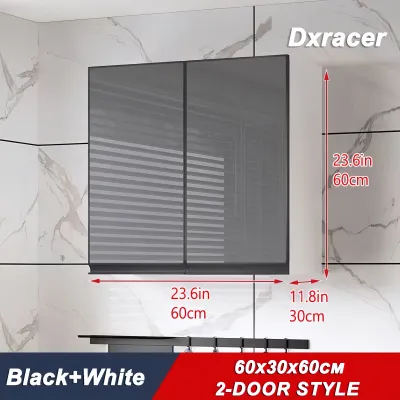
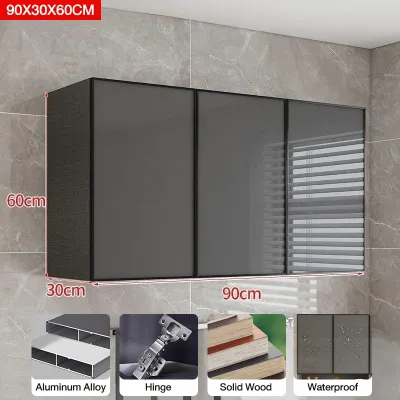
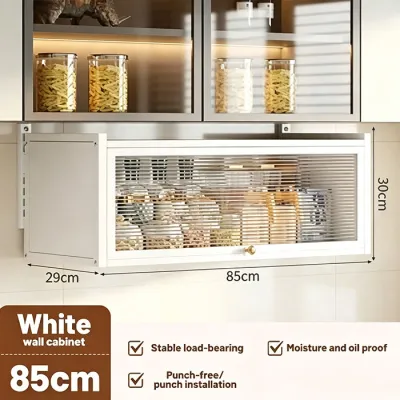
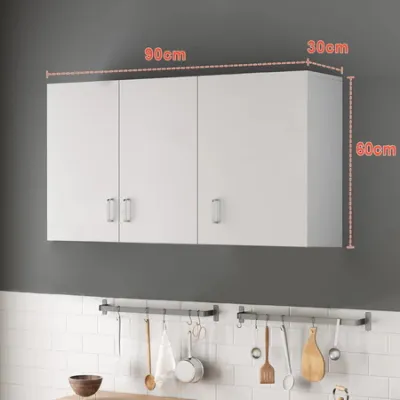
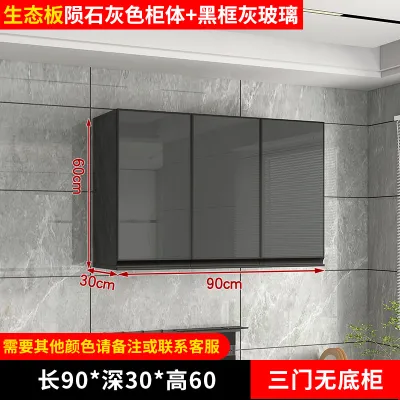
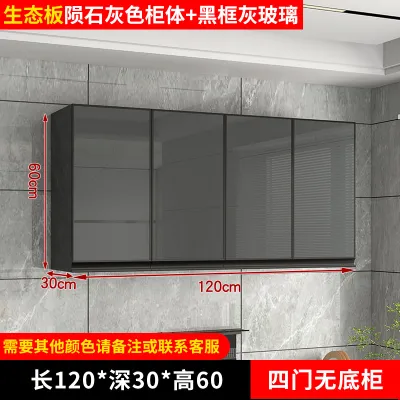
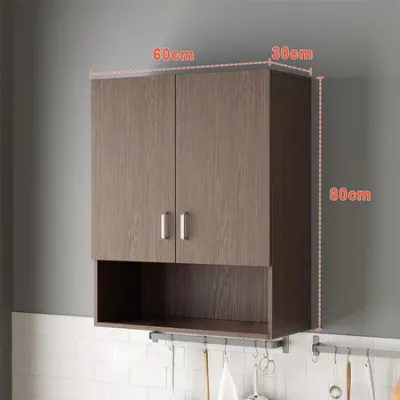
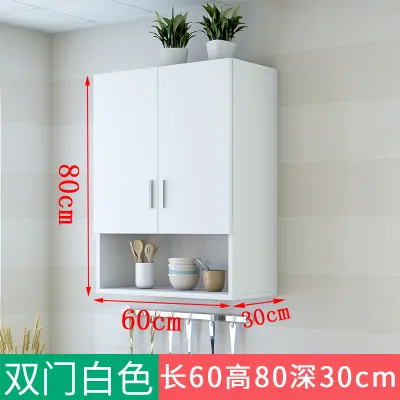
Prices are valid at publication and may change. Please refer to the product page for the latest price.
Next, identify the specific items you intend to store in these organizers. Lightweight items like coffee mugs, spice jars, plastic wrap rolls, or small cleaning sponges require different structural support than heavier items like ceramic bowls, glass jars, or canned goods. Grouping these items beforehand allows you to estimate the total weight and volume your new organizer must support, preventing overloaded shelves and structural sagging.
Cabinet door clearance and hinge placement are critical factors that are often overlooked during the planning phase. When a hanging organizer is installed, it must not obstruct the path of the cabinet doors or collide with the hinges. Measure the distance between the front edge of your shelves and the closed cabinet door to ensure there is sufficient clearance for any over-the-door hooks or under-shelf brackets. If your cabinets use modern soft-close or European-style hinges, take their bulky mechanisms into account, as they can restrict the usable width near the cabinet sides.
Finally, evaluate the vertical distance between your existing shelves. Adding a hanging basket or under-shelf tray reduces the usable height of the shelf space directly below it. Ensure that the items normally stored on the lower shelf—such as tall soy sauce bottles, cooking oils, or stacked plates—can still fit comfortably once the hanging organizer is in place. If the remaining clearance is too tight, you may need to adjust the height of your cabinet shelves or opt for a lower-profile hanging model.
Types of Hanging Organizers and Their Best Use Cases
Under-shelf hanging baskets are highly practical solutions for utilizing the empty vertical space directly beneath your cabinet shelves. These wire or mesh baskets feature flat arms that slide easily over the shelf, requiring no drilling or adhesive. They are ideal for storing lightweight, bulky items such as kitchen towels, snack bags, baking paper rolls, or cleaning supplies, keeping these frequently used items within arm’s reach.

Over-the-door or hinge-mounted racks utilize the unused vertical plane of your cabinet doors. These organizers typically hook over the top edge of the door or mount directly to the interior surface, making them excellent for holding spices, cutting boards, pot lids, or aluminum foil. When selecting these, ensure the rack does not interfere with the cabinet’s internal shelves when the door is fully closed.
Adhesive or screw-mounted under-cabinet hooks and rails are designed to hang items directly beneath the bottom of your upper cabinets, right above your countertops. This style is particularly popular for displaying coffee mugs, hanging cooking utensils, or mounting paper towel holders. While adhesive options offer a drill-free installation suitable for renters, screw-mounted rails provide a more permanent, heavy-duty hold for heavier metal utensils or ceramic mugs. This setup keeps your most-used tools accessible while freeing up valuable drawer and countertop space.
Tension rod systems offer an adjustable, drill-free alternative for deep or awkwardly shaped cabinets. By expanding a spring-loaded rod between two solid cabinet walls, you create a sturdy horizontal bar from which you can hang small S-hooks, lightweight baskets, or spray bottles by their triggers. This system is highly versatile and can be easily repositioned as your storage needs evolve over time. It is particularly useful in under-sink cabinets, where plumbing pipes often make standard shelving difficult to install.
Material, Finish, and Load Capacity Considerations
When evaluating hanging organizers, it is essential to check the manufacturer’s specified load capacity rather than assuming strength based on the material name alone. A steel wire basket may look robust, but its actual weight limit depends heavily on the thickness of the wire, the quality of the welds, and the design of the mounting brackets. Always verify these limits in the product manual or specification sheet before purchasing, and avoid overloading the unit beyond its rated capacity to prevent sudden failures.
The tropical climate in the Philippines, characterized by high humidity and ambient heat, demands careful attention to surface finishes. Metal organizers placed near sinks, dishwashers, or cooking ranges are highly susceptible to rust and corrosion. Look for products featuring durable powder coatings, vinyl dipped coatings, or certified rust-resistant finishes to ensure long-term durability in damp environments. Uncoated metal or cheap chrome plating can quickly deteriorate, leaving unsightly rust stains on your shelves and clean kitchenware.
The choice between wire mesh, solid acrylic, and wood designs involves trade-offs in visibility, airflow, and maintenance. Wire mesh and open wire baskets allow for excellent airflow, which helps prevent moisture buildup and mold in humid climates, but they can accumulate dust in hard-to-clean crevices. Solid acrylic or wood organizers offer a sleek, modern aesthetic and are easier to wipe clean, but they block airflow and may require more frequent dusting.
Inspect the structural integrity of any organizer before installation, focusing on connection points, welding spots, and mounting brackets. Weak welds or thin plastic brackets are common failure points under continuous load. Choosing organizers with reinforced joints and thick, flat mounting arms ensures that the unit remains stable and secure, protecting your kitchenware from accidental drops.
Installation Methods and Pre-Mounting Safety Checks
Selecting the right installation method depends on your cabinet’s construction material and your living situation. For cabinets made of solid wood or high-quality marine plywood, screw-in hardware provides the most secure and permanent mount, capable of supporting heavier loads. For particleboard, MDF, or metal cabinets, adhesive mounts or tension-based fits are often preferred to avoid splitting the material or compromising its structural integrity. Renters should prioritize non-damaging, removable options to ensure they can restore the cabinets to their original state when moving out.
Before drilling any holes or applying heavy-duty adhesives, perform a thorough check for hidden hazards. Ensure there are no electrical wires, plumbing lines, or under-cabinet lighting cables running through or directly behind the mounting surface. Damaging these utilities can lead to costly repairs and safety hazards.
Proper weight distribution is vital to prevent long-term damage to your cabinetry. Placing too much weight on a single under-shelf basket can cause the shelf to sag or warp over time, which may eventually prevent the cabinet doors from aligning correctly. Distribute heavier items across multiple shelves or position them closer to the cabinet’s vertical support walls where the structure is strongest. Avoid hanging heavy items on cabinet doors, as the constant leverage can loosen hinge screws and cause the doors to sag.
If you are uncertain about the load-bearing capacity of your cabinets or the safety of drilling into them, it is always best to pause and consult a qualified professional. A local carpenter or handyman can assess the structural integrity of your kitchen units and recommend the safest mounting hardware, ensuring your organizers are installed securely without risking damage to your home.
Building Your Shortlist for Online and In-Store Shopping
When you are ready to shop, compile a shortlist of potential organizers by cross-referencing their listed dimensions with your physical measurements. Do not rely solely on product photos, which can often make items appear larger or smaller than they are. Verify the exact width, depth, and height specifications to ensure a perfect fit within your cabinet layout.
Read user reviews on local ecommerce platforms and retail websites with a critical eye, looking specifically for feedback regarding adhesive durability, rust resistance, and actual weight limits. Pay close attention to reviews from buyers in humid regions, as their experiences will give you a realistic idea of how the product performs under local environmental conditions over several months of use.
Check the seller’s return policies and warranty terms before finalizing your purchase. This is especially important when buying online, where you cannot physically inspect the welding quality or material thickness beforehand. A flexible return policy ensures you can exchange or return the organizer if it arrives damaged, has manufacturing defects, or does not fit your cabinets as expected.
Finally, compare the total cost of each option in ₱, factoring in any necessary accessories such as extra adhesive strips, protective felt pads, or mounting screws. Sometimes a slightly more expensive organizer that includes all required mounting hardware and protective features is more cost-effective than a cheaper model that requires separate purchases to install safely.
Frequently Asked Questions (FAQ)
Can hanging organizers damage wooden cabinet shelves?
Yes, certain types of hanging organizers can damage wooden cabinet shelves if not installed or maintained properly. Heavy-duty adhesives can leave a sticky residue or peel away the laminate, paint, or wood veneer when removed. Additionally, metal clip-on brackets can scratch or dent the finish of delicate wooden shelves over time due to friction and weight. To prevent this, you can apply small felt pads or silicone protective barriers to the contact points of the brackets, or opt for tension-based mounts that do not rely on harsh adhesives or metal-on-wood contact.
How do I prevent hanging wire baskets from rusting?
Preventing rust on hanging wire baskets in a humid kitchen environment requires proactive maintenance and strategic placement. Avoid installing metal organizers directly above the sink, stove, or dishwasher, where steam and water splashes are frequent. Regularly wipe down the wire surfaces with a dry microfiber cloth to remove accumulated moisture and grease. If you notice any chips or scratches in the protective powder or vinyl coating, seal them immediately with a food-safe rust-inhibiting paint or clear silicone sealant to prevent moisture from reaching the underlying metal.
Are tension-rod hanging systems safe for heavy pots?
Tension-rod hanging systems are generally not safe or suitable for heavy pots, pans, or cast-iron cookware. These systems rely entirely on friction and spring tension against the cabinet walls to stay in place, making them highly susceptible to slipping under heavy or uneven loads. They are best reserved for lightweight items such as kitchen towels, plastic utensils, lightweight mugs, or spray bottles. For heavy cookware, always use secure, screw-in mounting hardware anchored into solid wood or structural wall studs to ensure safety and prevent accidental damage.
Community discussion
Share your experience or ask a question. Comments are reviewed before publication.