
The Short Answer: Which Shoe Space Saver Maximizes Your Closet?
Deciding on the right shoe space saver for your home often comes down to a battle between vertical clearance and floor real estate. In compact living environments, such as apartments in Manila or modern suburban townhouses, maximizing every square inch of storage is essential. Neither a hanging shoe organizer nor a stackable shoe rack is universally superior; the ideal choice depends entirely on your closet’s physical layout and where you can afford to sacrifice space.
If your closet lacks floor space but has ample unused vertical clearance beneath your shorter hanging garments, a hanging shoe organizer acts as the perfect shoe space saver. Conversely, if your hanging rods are already packed to capacity but you have open floor space or wide shelves, a stackable shoe rack will maximize your storage more effectively. Understanding these spatial trade-offs allows you to select a system that keeps your footwear organized without cluttering your room.
Space Efficiency: Vertical vs Horizontal Closet Layouts
To choose the most efficient shoe space saver, you must first analyze the three-dimensional volume of your wardrobe. Closets are rarely fully optimized, often leaving large pockets of empty air either directly beneath hanging shirts or along the bottom floor panel. How you choose to fill these gaps determines not only how many pairs of shoes you can store but also how easily you can access your daily wear.
Products mentioned in this guide
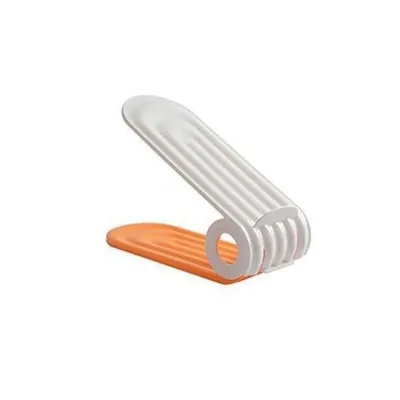
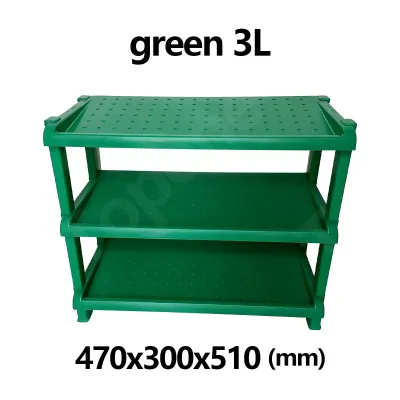
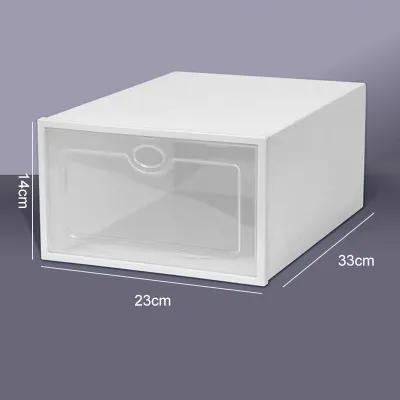
Prices are valid at publication and may change. Please refer to the product page for the latest price.

Maximizing Vertical Dead Space (Hanging Organizers)
Hanging shoe organizers are designed to exploit the vertical “dead space” that naturally occurs below shorter hanging garments like folded trousers, t-shirts, and jackets. By suspending the organizer directly from the closet rod using heavy-duty hook-and-loop straps or steel hooks, you create a column of cubbies without utilizing a single square inch of floor space. This setup is highly advantageous in homes where the closet floor is already designated for luggage, laundry hampers, or plastic storage drawers.
However, this vertical efficiency comes with a distinct trade-off: hanging organizers consume horizontal rod width. A standard ten-pocket fabric hanging organizer typically occupies about 6 to 8 inches of rod space, which is equivalent to the space needed for roughly five to eight winter coats or ten lightweight shirts. If your closet rod is already crowded, forcing a hanging organizer onto it will compress your clothes, leading to wrinkles and restricted airflow—a notable concern in the humid Philippine climate where tightly packed fabrics can trap moisture. Before committing to this style, measure the distance from your closet rod to the floor to ensure the bottom cubbies do not drag on the ground, and verify that your rod can support the concentrated downward pull.
Optimizing Floor and Shelf Footprint (Stackable Racks)
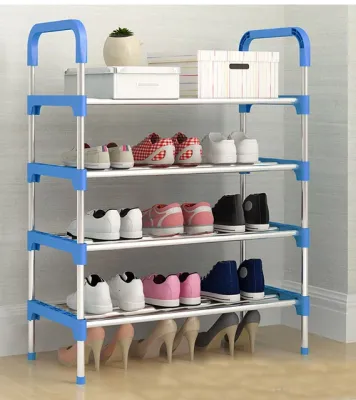
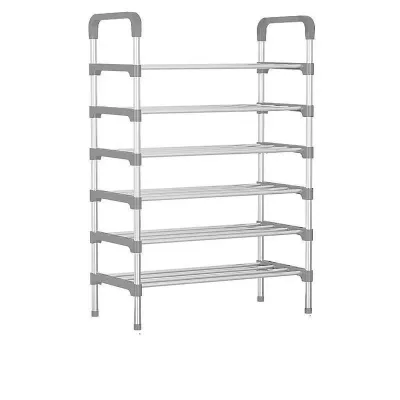
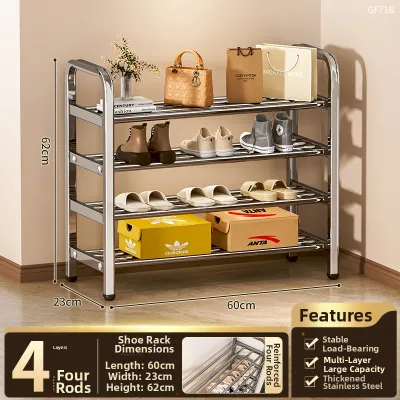
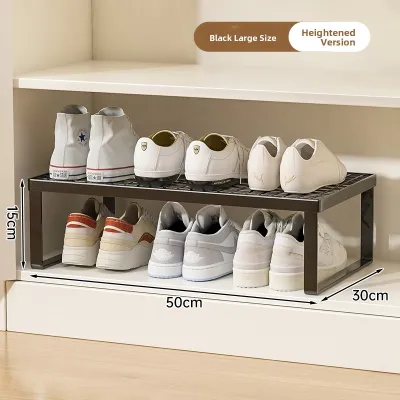
Stackable shoe racks take the opposite approach by utilizing the horizontal footprint of your closet floor or existing wide shelves. These systems sit firmly on the ground and allow you to build upward, adding tiers as your footwear collection expands. The primary benefit of stackable racks is their modularity; you can start with a low, two-tier unit and stack additional shelves on top as needed, provided you have the vertical clearance.
To use stackable racks successfully, you must have a clear, flat, and stable floor area. If placed directly underneath hanging clothes, you must carefully calculate the height of the fully stacked rack to prevent your longer garments, such as dresses, long skirts, or coats, from draping over the shoes and getting soiled. Additionally, ensure that the depth of the rack does not exceed the depth of your closet, or you may find that your closet doors can no longer close completely.
Shoe Compatibility and Weight Limits
Beyond physical space, the physical characteristics of your footwear collection—such as weight, height, and structure—play a major role in determining which shoe space saver is appropriate. Placing the wrong type of shoe in an unsupportive organizer can ruin both the storage unit and your footwear.
Everyday Footwear: Sneakers, Flats, and Sandals
For lightweight, flexible, and frequently worn shoes, both hanging organizers and stackable racks perform exceptionally well. Hanging organizers with soft fabric or mesh pockets are particularly well-suited for flat shoes, sandals, slip-ons, and local tsinelas. The enclosed pockets protect these delicate items from dust and keep pairs neatly grouped together without them sliding around.
On the other hand, stackable racks offer highly convenient, bend-free access for everyday sneakers and running shoes. Because these racks feature open shelves, you can quickly grab your daily footwear or slide them back into place without having to open zippers, clear fabric flaps, or reach deep into a hanging pocket. For high-traffic entryways or active bedroom closets, this open-access design encourages household members to tidy up their shoes immediately.
Heavy and Bulky Footwear: Boots, Heels, and Work Shoes
Heavy, structured, or bulky footwear requires a much more robust storage solution. Standard hanging organizers made of non-woven fabric, polyester, or canvas are prone to sagging, stretching, and tearing when loaded with heavy leather work shoes, platform heels, or thick boots. The concentrated weight of multiple heavy pairs can also place immense stress on the closet rod, potentially causing older wooden rods to bow or pull away from their wall mounts.
For these heavier items, rigid stackable racks made of steel, metal wire, or reinforced hard plastic are highly recommended. These materials maintain their structural integrity under significant loads and prevent shoes from tilting or sliding off. When shopping for a stackable rack, always check the manufacturer’s specified load capacity per shelf (often ranging from 5 to 15 kilograms) to ensure it can safely support your heaviest footwear. Additionally, look for racks with adjustable shelf heights or removable panels, which allow you to accommodate tall boots or high heels without crushing the shafts or straps.
Closet Type and Installation Requirements
Your home’s existing architecture and your willingness to perform assembly work are final, critical factors when selecting a shoe space saver. Different closet designs present unique spatial constraints that favor one system over the other.
Standard Reach-in Closets and Freestanding Wardrobes
Standard reach-in closets and freestanding wooden wardrobes often suffer from limited depth and restricted floor space. In these compact setups, hanging shoe organizers are highly effective because they keep the floor completely clear, allowing you to utilize that area for other bulky storage needs. They require virtually zero installation effort, as they simply loop over the existing closet pole.
If you prefer a stackable rack for a shallow reach-in closet, you must measure the interior depth carefully. Many standard shoe racks require a depth of at least 12 to 14 inches to accommodate adult-sized shoes without them overhanging the shelves. If your wardrobe doors slide or fold, even a minor overhang can block the doors from closing. Always measure the clearance between your hanging clothes and the back wall of the closet to ensure a hanging organizer won’t crush the garments behind it, or that a floor rack won’t interfere with the door mechanism.
Walk-in Closets and Open Shelving Systems
Walk-in closets and open shelving systems offer much more spatial flexibility, making them the ideal environment for stackable shoe racks. In these larger spaces, you can arrange modular racks along empty walls, inside corners, or beneath built-in countertops to create a dedicated, boutique-style shoe display. This layout keeps your entire collection visible and easily accessible, which is perfect for shoe enthusiasts.
Hanging organizers can still play a helpful supporting role in walk-in closets. They can be suspended from secondary rods, valet hooks, or even mounted on the back of the closet door using over-the-door hooks. This allows you to tuck away seasonal shoes, slippers, or accessories without taking up prime shelf space on your main display racks.
Feature Comparison at a Glance
To help you quickly evaluate your options, the table below summarizes the key differences between these two popular shoe space saver systems.
| Feature | Hanging Shoe Organizers | Stackable Shoe Racks |
|---|---|---|
| Primary Space Utilized | Vertical rod space below hanging clothes | Floor footprint or deep shelf surface |
| Best Shoe Types | Flats, sandals, canvas shoes, slippers | Boots, heels, heavy sneakers, work shoes |
| Floor Footprint | Zero (completely suspended) | Requires clear, flat, and stable floor area |
| Installation Required | None (hooks or straps loop over closet rod) | Minor assembly (snapping or screwing tiers together) |
| Ideal Closet Type | Deep reach-in closets, crowded closet floors | Walk-in closets, open shelving, shallow floors |
How to Choose the Right Shoe Space Saver for Your Home
To make your final decision, assess your closet’s current state and your footwear collection using this practical, step-by-step framework. Budget-friendly options in the Philippines typically range from ₱300 for basic fabric hanging organizers to over ₱1,500 for heavy-duty metal stackable racks, so determining your structural needs first will prevent unnecessary spending.
Choose Hanging Organizers if:
- Floor space is strictly limited: Your closet floor is already occupied by other storage containers, hampers, or luggage.
- You have vertical clearance: You have at least 4 to 5 feet of vertical "dead space" hanging below your shorter shirts and jackets.
- Your collection is lightweight: Your shoe collection consists primarily of lightweight footwear like sandals, flats, canvas slip-ons, and slippers.
- You want zero assembly: You want an instant, tool-free setup that can be easily moved or packed away.
Choose Stackable Racks if:
- You have floor or shelf space: You have open, flat floor space or deep shelves at the bottom of your closet.
- Your closet rod is overloaded: Your closet rod is already showing signs of bowing or horizontal crowding and cannot support additional weight.
- You store heavy or tall footwear: You need to store heavy, structured shoes, high heels, or boots that require rigid support to prevent damage.
- You want modular growth: You want a system that can grow or be reconfigured as your shoe collection expands.
Verify First if:
- Rod structural integrity is poor: If your closet rod is already bowing or cracking under the weight of your clothes, adding a heavy hanging organizer loaded with shoes is a safety hazard.
- Your floors are uneven: Highly uneven floors can cause tall, lightweight plastic or metal stackable racks to wobble or tip over.
- Humidity is a concern: For highly humid rooms, ensure any fabric hanging organizer is made of breathable materials, or choose a metal stackable rack with open wire shelves to promote airflow and prevent mold growth on your shoes.
Frequently Asked Questions (FAQ)
Can hanging shoe organizers hold heavy winter boots?
It is highly discouraged to store heavy, tall boots in standard fabric hanging shoe organizers. The weight of heavy boots can quickly stretch out fabric pockets, tear seams, and cause the entire unit to sag unevenly. Furthermore, the concentrated weight of multiple heavy pairs of boots can put dangerous stress on your closet rod. For heavy boots, it is best to use rigid stackable racks made of metal or wood, or store them on the closet floor in their original boxes to protect their shape and preserve your closet’s structure.
Do stackable shoe racks require tools for assembly?
Most modern stackable shoe racks are designed for quick, tool-free assembly. Many models utilize snap-together plastic joints, slot-together metal rods, or interlocking frames that can be assembled by hand in under ten minutes. However, if you plan to build a very tall configuration (typically more than four or five tiers high), some manufacturers include stabilizing wall anchors or anti-tip hardware. Installing these safety features may require basic household tools like a screwdriver or a drill to secure the rack to the wall and prevent accidental tipping.
Community discussion
Share your experience or ask a question. Comments are reviewed before publication.