
Quick Guide to Headboard Sizing and Compatibility
Selecting the right headboard (frequently referred to as a headbord) transforms both the visual appeal and the daily comfort of your bedroom. At a fundamental level, a headboard’s width must align with your mattress size, while its height should balance your ceiling proportions without blocking wall fixtures. However, matching a headboard to your bed involves more than just aligning horizontal edges. The compatibility of attachment methods, spatial clearances, and the functional mechanics of your bed frame—especially for storage beds—must dictate your final choice.
Standard single and double bed frames often allow for direct, frame-attached headboards. In contrast, mechanical storage beds, such as hydraulic lift-up frames or those with pull-out drawers, require careful spatial planning to ensure the headboard does not obstruct the bed’s movement. Before purchasing, verifying your bed frame’s mounting points, measuring your available wall space, and checking for clearance against light switches, outlets, and air conditioning units are critical steps to prevent costly installation errors.
Matching Headboard Dimensions to Your Bed Type
To achieve a polished bedroom design, the headboard must match the physical scale and mechanical requirements of your specific bed frame.
Products mentioned in this guide




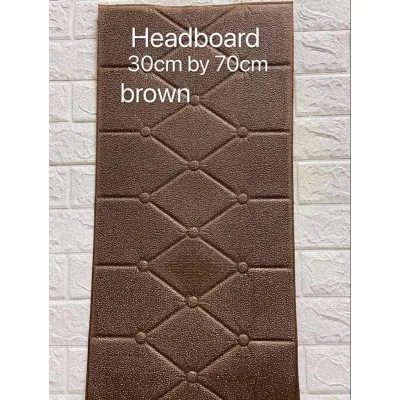

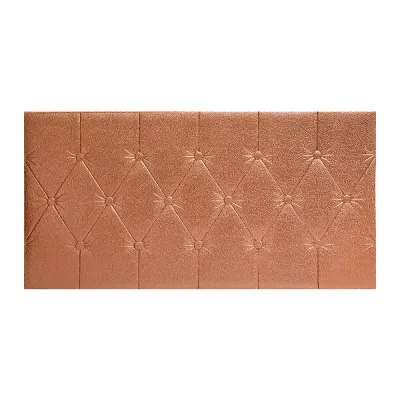
Prices are valid at publication and may change. Please refer to the product page for the latest price.

Single Beds
Single beds (typically 36 inches wide in the Philippines) are common in studio apartments, children’s rooms, and guest spaces where floor area is limited. For these compact setups, the headboard width should match the mattress closely, usually measuring between 36 to 40 inches. Lower to medium headboard heights—ranging from 36 to 48 inches from the floor—are highly recommended to avoid visually overwhelming a small room.
While frame-attached headboards bolt directly to the bed base for easy rearrangement, wall-mounted designs anchor directly into the wall. Wall-mounted options are particularly beneficial in narrow rooms because they save floor space, allowing the bed frame to sit completely flush against the wall skirting.
Double and Larger Beds
Double (54 inches), queen (60 inches), and king (72 inches) beds serve as the primary focal points in larger bedrooms. For these sizes, the headboard should either match the mattress width exactly or extend 2 to 4 inches wider on each side. This slight overhang is highly practical, as it accommodates thick duvets and pillows without exposing the raw edges of the headboard.
Height recommendations for larger beds generally range from 48 to 60 inches from the floor. When coordinating with high ceilings, a taller headboard prevents the bed from looking dwarfed by surrounding furniture like tall wardrobes or large nightstands. Conversely, a moderately high headboard maintains a clean, horizontal line in rooms with standard ceiling heights.
Storage Beds
Storage beds, including hydraulic gas-lift frames and those featuring pull-out drawers, introduce distinct mechanical and physical constraints. Unlike static frames, a storage bed’s platform moves dynamically. For hydraulic lift-up systems, the mattress platform tilts upward, requiring a headboard that does not interfere with the lifting hinges or pinch the mattress fabric.
To ensure the storage mechanism functions safely and fully, you must pay close attention to depth and mounting compatibility. Many standard frame-attached headboards cannot be bolted directly to storage beds because the storage carcass blocks access to the mounting brackets. Consequently, wall-mounted headboards or slim, freestanding designs are often necessary to avoid blocking under-bed access or interfering with lift hinges.
Selecting a Headboard Style for Your Bedroom Layout
The right headboard style must harmonize with your bedroom’s layout, daily maintenance routines, and environmental conditions.
Material and Design Options
Choosing headboard materials involves balancing comfort, maintenance, and long-term durability. Upholstered headboards, wrapped in fabrics like linen, velvet, or faux leather, offer excellent comfort for sitting up to read. However, they require regular care, including frequent vacuuming to prevent dust accumulation. In tropical, high-humidity environments like the Philippines, upholstered fabrics can trap moisture; it is essential to check the manufacturer’s cleaning labels and use fabric protectors where approved.
Wooden headboards provide a classic look and are highly durable, requiring only a regular wipe-down with a dry cloth. Be sure to check the surface finish care instructions to avoid stripping the protective sealant. Metal or woven headboards (such as rattan) offer a lightweight, airy aesthetic. For these styles, regularly inspect the structural joints, welds, or weaving for signs of loosening. Note that material names alone do not guarantee specific resistance to humidity, scratching, or wear; always verify the manufacturer’s specifications and warranty terms.
Height and Visual Proportions
The height and visual density of a headboard directly influence how spacious your bedroom feels. Low-profile headboards (under 40 inches tall) are excellent for rooms with low ceilings, keeping sightlines open to create an illusion of space. In contrast, tall headboards (55 inches and above) draw the eye upward, making them ideal for high-ceilinged rooms where you want to emphasize vertical space.
However, choosing a tall headboard requires careful coordination with your room’s layout. Before finalizing a height, verify that the headboard will not block windows, which can restrict natural light and ventilation. Additionally, ensure that the structure does not cover wall switches, power outlets, or wall-mounted air conditioning units, as blocked airflow can reduce cooling efficiency.
Measuring Your Space and Installation Requirements
To avoid costly return shipping fees and installation headaches, a precise measuring routine is mandatory before purchasing any headboard. Use a reliable steel measuring tape to record the following dimensions:
- Mattress Width and Height: Measure the exact width of your mattress and the height from the floor to the top of the mattress.
- Available Wall Space: Measure the total width of the wall, ensuring there is enough clearance for both the headboard and your bedside tables.
- Obstruction Check: Note the exact positions of wall outlets, light switches, wall moldings, and split-type air conditioners.
- Access Path: Measure the height and width of your doorways, hallways, and stairwells (or elevator doors if living in a condominium) to ensure the headboard can be safely carried into your bedroom.
Understanding the functional differences between installation types is equally crucial. Frame-attached (bolt-on) headboards require you to check the pre-drilled hole spacing on your bed frame; standard spacing must match the headboard brackets, or you will need to purchase separate adapter plates. Wall-mounted headboards offer a sleek look but require drilling into the wall. For wall-mounted installations, you must verify the wall’s load-bearing capacity. In many homes, this involves drilling into concrete or locating studs behind drywall. Freestanding headboards stand on the floor and are held securely by the weight of the bed frame.
Always consult your bed frame manufacturer’s manual for specific clearance limits, weight capacities, and approved attachment methods. If your wall structure is complex, or if you are unsure about the compatibility of your bed frame’s mounting brackets, stop the installation and consult a qualified professional.
Common Headboard Sizing and Styling Mistakes
One of the most frequent mistakes when buying a headboard is failing to account for its thickness or depth. A plush, deeply tufted upholstered headboard can be up to 6 to 8 inches deep. This added depth pushes the entire bed frame forward, which can disrupt the flow of the room, block bedroom doors from opening fully, or prevent closet doors from sliding properly. Always add the headboard’s depth to your bed frame’s length when calculating total floor space.
Another common error is ignoring the mechanical clearance of storage beds. If you install a frame-attached headboard on a hydraulic lift bed without checking the hinge clearance, the mattress platform may scrape against the headboard when lifted, damaging both items. Similarly, for beds with side drawers, choosing a headboard that is wider than the frame can block the drawers from pulling out completely if they hit the headboard’s legs or adjacent nightstands.
Lastly, many homeowners forget to account for baseboards or wall skirting. If your baseboard is thick, a wall-mounted headboard cannot sit flush against the wall unless you install spacer brackets or use a freestanding design that accommodates the bottom gap.
Frequently Asked Questions (FAQ)
Can I use a wall-mounted headboard with a storage bed?
Yes, wall-mounted headboards are often the most practical choice for storage beds, including hydraulic lift and drawer models. Because they attach directly to the wall rather than the bed frame, they do not interfere with the lifting mechanisms or block drawer runners. However, you must measure carefully to ensure the headboard is mounted at a height that clears the top of the mattress when the bed is fully assembled, and that the bed frame can still slide close to the wall without pinching any moving parts.
How wide should a headboard be compared to the mattress?
As a general rule, a standard headboard should match the exact width of your mattress or extend up to 2 inches wider on each side. This extra width allows your pillows, blankets, and duvets to sit naturally without spilling over the sides of the frame. While extra-wide headboards that extend behind the bedside tables can create a luxurious, built-in architectural look, they require a very spacious bedroom and precise planning to avoid crowding your layout or blocking wall outlets.
Community discussion
Share your experience or ask a question. Comments are reviewed before publication.