
Choosing the right headboard for bed setups is more than just an aesthetic decision; it dictates the spatial flow, comfort, and visual balance of your bedroom. To select the perfect headboard size, you must match its width and height to your specific mattress dimensions—whether you sleep on a single, double, or queen bed—while accounting for your room’s physical layout, ceiling height, and installation method. In the Philippines, where bedroom layouts range from compact studio condominiums to spacious suburban homes, understanding these proportions prevents expensive purchasing mistakes and ensures your bed frame remains stable and functional.
Standard Headboard Widths for Single, Double, and Queen Beds
A standard headboard typically measures 2 to 4 inches (5 to 10 cm) wider than the mattress on each side. This slight overhang creates a polished, framed look and accommodates bulky bedding, comforters, or duvets without exposing the underlying bed frame hardware. Alternatively, a flush-fit headboard aligns perfectly with the mattress edges, offering a sleek, space-saving profile ideal for tight layouts.
Single Bed Headboard Widths
In the local market, a standard single mattress typically measures 36 inches wide (approximately 91 cm). For a single bed, the ideal headboard width ranges from 36 inches (for a flush, minimalist look) to 40 inches (around 102 cm) to allow for a modest decorative overhang. Because single beds are frequently placed in smaller guest rooms, children’s bedrooms, or studio apartments, choosing a headboard within this range ensures the piece does not overwhelm the limited wall space. A massive or overly wide headboard in a compact room can make the entire space feel cramped and restrict movement around the bed.
Products mentioned in this guide
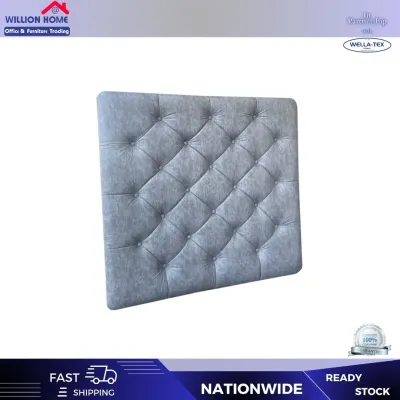


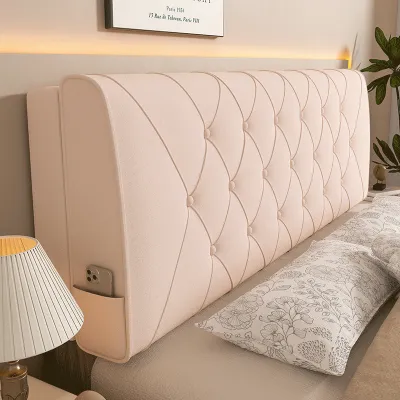

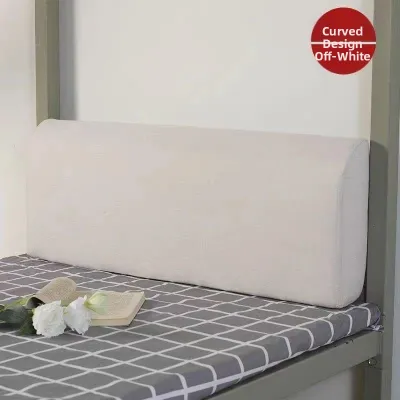


Prices are valid at publication and may change. Please refer to the product page for the latest price.
Double Bed Headboard Widths
Double beds generally come in two standard widths: the semi-double at 48 inches (122 cm) and the full double at 54 inches (137 cm). A suitable headboard for a double bed should measure between 50 and 58 inches wide (127 to 147 cm), depending on which double variation you own. When selecting a headboard for this size, you must carefully balance the width with your adjacent nightstands. If the headboard is too wide, it can overlap awkwardly with your bedside tables, preventing them from sitting flush against the wall or blocking drawers and electrical outlets.
Queen Bed Headboard Widths
A standard queen mattress measures 60 inches wide (152 cm) and is the centerpiece of most master bedrooms. The recommended headboard width for a queen bed is 62 to 64 inches (157 to 163 cm). This dimension provides a balanced, anchoring presence on the main bedroom wall without dominating the entire room. In larger master bedrooms, you can opt for extra-wide or extended headboards that stretch behind the nightstands to create a luxurious hotel-like aesthetic, but a standard queen headboard remains the most practical choice for maintaining visual equilibrium in typical residential spaces.
Choosing the Right Headboard Height for Your Room
The vertical dimension of your headboard influences both the room’s perceived volume and your daily comfort when sitting up in bed. Headboards generally fall into three height categories: low-profile (under 40 inches or 100 cm), standard (40 to 55 inches or 100 to 140 cm), and tall (over 55 inches or 140 cm). These heights are measured from the floor to the very top of the headboard, though some wall-mounted models are measured solely by the panel height itself.

Your room’s ceiling height is the primary factor dictating how high your headboard can comfortably go. Standard residential ceilings in the Philippines typically range from 2.4 to 2.7 meters (approximately 8 to 9 feet). To prevent a heavy, claustrophobic feel, it is essential to maintain adequate negative space—the empty wall area—above the headboard. A tall, grand headboard reaching 150 cm or more works beautifully in high-ceilinged rooms or traditional design schemes, whereas a low-profile headboard is better suited for modern, minimalist aesthetics or rooms with lower ceilings, such as loft apartments or attic bedrooms.
Additionally, you must consider the visual relationship between the headboard height and your mattress thickness. Modern mattress setups, especially those utilizing thick pocket-spring systems or plush memory foam toppers, can easily reach thicknesses of 10 to 14 inches (25 to 35 cm). If you pair a thick mattress with high-lofted pillows and a low-profile headboard, the headboard might be completely obscured from view once the bed is made. To ensure the headboard remains a visible design element, select a height that allows at least 12 to 18 inches (30 to 45 cm) of the panel to show above your stacked pillows and decorative shams.
Depending on the materials, headboard prices in the local market vary widely. Budget-friendly laminate options typically range under ₱3,000, while premium solid wood or custom upholstered models can exceed ₱15,000. Investing in the correct height ensures you get the full visual value of your purchase.
How to Measure Your Space Before Buying a Headboard
To avoid delivery day headaches and ensure a seamless installation, follow this step-by-step measuring checklist before making your purchase:
- Step 1: Measure the mattress and existing frame. Do not rely solely on standard size labels, as manufacturing tolerances can vary by brand. Measure the exact width and length of your mattress and the outer edges of your bed frame to establish your baseline footprint.
- Step 2: Measure the available wall width. Use a steel tape measure to check the width of the wall where the bed will rest. Take note of any fixed obstacles such as built-in wardrobes, door frames, window casings, light switches, or electrical outlets. Ensure the headboard's finished width will not block access to these essential features.
- Step 3: Measure vertical clearances. Measure from the top of your mattress up to the ceiling. Note the exact positions of any wall-mounted air conditioning units, windows, or decorative sconces. In tropical climates, split-type air conditioners are often mounted directly above the bed; ensure your headboard height leaves at least 15 to 20 cm of clearance below the AC unit to allow for proper airflow and routine filter maintenance.
- Step 4: Assess depth and pathway clearances. Measure the depth of both your bed frame and the prospective headboard. A thick, heavily tufted upholstered headboard can add 4 to 8 inches (10 to 20 cm) of depth to your bed setup. Ensure this extra depth does not push the foot of your bed too close to wardrobe doors, television consoles, or the room's primary walking paths, particularly in narrow condo layouts.
Additionally, always measure your home’s entryways, hallways, stairwells, and elevator doors. A large, solid queen headboard may not fit through tight corners or standard condominium lifts, making delivery impossible unless the unit is shipped flat-packed for home assembly.
Installation Clearances and Bed Frame Compatibility
How your headboard attaches to your bed or wall directly impacts its size requirements and stability. The three primary installation types are bolt-on (frame-attached), wall-mounted, and freestanding headboards.
- Bolt-on headboards attach directly to the back of your bed frame using brackets and bolts. For these, you must ensure the headboard's mounting slots align perfectly with the pre-drilled holes on your bed frame. Because some frames use metric hardware while others use imperial, checking compatibility beforehand is crucial. If the holes do not align, you may need to purchase separate adapter plates or brackets.
- Wall-mounted headboards hang directly on the wall using interlocking brackets or French cleats. These offer the greatest flexibility in terms of height, as you can mount them as high or low as you prefer. However, they require a sturdy wall structure. In the Philippines, interior walls are commonly made of solid concrete or hollow blocks, which require heavy-duty masonry anchors and a hammer drill for secure installation. If mounting on drywall, you must anchor the brackets directly into the wooden or metal wall studs to support the weight safely.
- Freestanding headboards sit flat on the floor between the bed frame and the wall, often held in place simply by the weight of the bed pushing against them. While easy to install, they require a completely flat wall and a stable bed frame to prevent wobbling.
Regardless of the mounting type, pay close attention to side clearances. Ensure the headboard does not block nearby nightstand drawers from opening or overlap awkwardly with electrical outlets. Finally, verify your bed frame’s weight capacity and structural support. Heavy, solid wood or thickly upholstered headboards exert significant leverage on the back of a bed frame; a flimsy frame may bend or crack under the weight, compromising your overall safety. In highly humid tropical environments, upholstered headboards can also absorb moisture over time, slightly increasing their weight and requiring robust anchoring to prevent tipping.
Common Headboard Sizing Mistakes to Avoid
Avoiding these frequent purchasing and installation errors will save you time, money, and frustration:
- Mistake 1: Selecting a headboard narrower than the mattress. This creates an awkward, top-heavy visual effect and often leaves unsightly bed frame brackets and hardware exposed at the sides. Always ensure the headboard is at least flush with or wider than the mattress.
- Mistake 2: Failing to account for mattress and bedding height. If you purchase a low headboard and pair it with a thick mattress, mattress topper, and large decorative pillows, the headboard may disappear entirely when the bed is made, defeating its decorative purpose.
- Mistake 3: Ignoring baseboards and skirting boards. Wall-mounted or floor-standing headboards that are meant to sit perfectly flush against the wall can be obstructed by thick wooden or PVC skirting boards at the floor level. This creates an unstable gap at the top; you may need to use wall spacers or cut out a portion of the skirting board to achieve a secure, flush fit.
- Mistake 4: Overlooking electrical outlets and door swings. A headboard that is too wide can cover light switches, wall sockets, or telephone jacks, making them inaccessible. Additionally, ensure the headboard does not interfere with the swing radius of nearby bedroom doors or wardrobe doors.
Frequently Asked Questions (FAQ)
Can I use a queen headboard on a double bed?
Yes, but it requires careful planning. A queen headboard (typically 62 to 64 inches wide) will be significantly wider than a standard double bed (48 to 54 inches wide), resulting in a 4- to 8-inch overhang on each side. Visually, this can look intentional and cozy, resembling a custom framed alcove. Mechanically, however, the mounting slots on a queen headboard will not align with the pre-drilled holes of a double bed frame. You will need to use modification plates (mod plates) to bridge the gap, mount the headboard directly to the wall, or choose a freestanding model.
How far should a headboard extend past the mattress?
As a general design guideline, a standard headboard should extend 2 to 4 inches (5 to 10 cm) beyond the mattress on each side. This slight overhang accommodates the extra bulk of tucked-in sheets, heavy blankets, and duvets, ensuring the bed frame remains hidden. However, if you are designing a highly modern, minimalist room or working with extremely limited space, a strict flush fit—where the headboard matches the mattress width exactly—is preferred to maintain clean, uninterrupted lines.
Do wall-mounted headboards need to match the bed width exactly?
No, wall-mounted headboards offer excellent sizing flexibility. Because they do not attach to the bed frame, they do not need to match the bed’s width. In modern interior design, wall-mounted headboards are frequently made much wider than the bed—sometimes stretching across the entire width of the wall—to serve as a dramatic feature wall that frames both the bed and the adjacent nightstands. When opting for an oversized wall-mounted headboard, ensure your wall has the structural integrity to support the extra weight and that you consult the manufacturer’s mounting instructions.
Community discussion
Share your experience or ask a question. Comments are reviewed before publication.