
Selecting the right headboard style is a balancing act between visual design, physical room dimensions, and functional needs. Single beds benefit most from space-saving storage or slim vertical lines that maximize compact rooms; double beds balance classic paneling or low-profile minimalist designs to anchor medium-sized spaces; and queen beds command statement-making upholstered wingbacks or breezy, natural woven textures. Choosing a head board for bed setups requires matching this visual weight with precise physical compatibility, ensuring the final piece complements your mattress, frame, and wall structure.
To find the ideal fit, you must evaluate how different styles interact with specific bed sizes. By understanding the proportions, materials, and installation requirements of each option, you can create a cohesive bedroom layout that looks intentional and functions seamlessly.
How to Choose a Head Board for Bed: Proportions and Sizing Rules
Before browsing specific designs, establishing the foundational rules of visual balance and physical fit prevents buying a headboard that either overwhelms your bedroom or gets lost behind your pillows. A headboard should frame the sleeping area naturally. As a general rule, the width of the headboard should align perfectly with your bed frame or extend slightly—typically one to two inches on each side—to create a polished, grounded look. If a headboard is too narrow, the bed will look unfinished; if it is excessively wide without a specific wall-panel design concept, it can make the mattress look awkwardly small.
Products mentioned in this guide
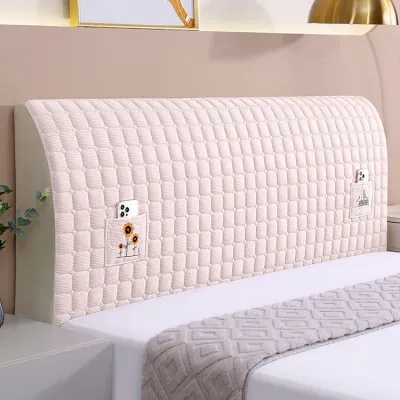
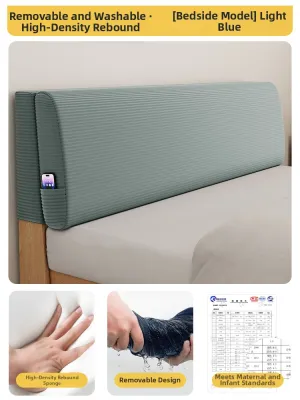
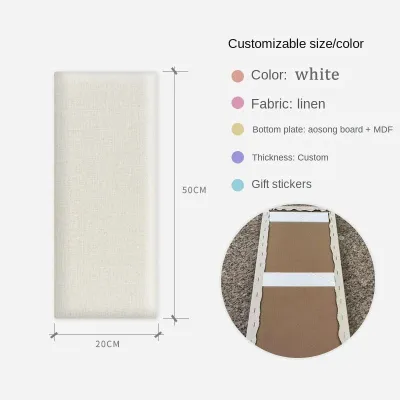
![[COD] AqToCna Ship within 24 hours DIY 3D Wall Mounted Headboard Soundproof Wall Panels Upholstered Anti Collision Bedside Tatami Soft](https://img.lazcdn.com/g/p/c5b0bbe9927e8ff48a62e6493fd30851.jpg_400x400q80.jpg_.webp)
Prices are valid at publication and may change. Please refer to the product page for the latest price.
Height is another critical dimension that dictates the room’s visual flow. The appropriate height depends on your ceiling height, mattress thickness, and the desired visual weight of the furniture. Standard headboards usually stand between 14 to 29 inches above the top of the mattress, while tall statement models can reach up to 40 inches or more. If you have low ceilings, a towering headboard will compress the room, making it feel cramped. Conversely, a low-profile headboard under a double-height ceiling can look sparse and disconnected.
Visual weight refers to how much space an object seems to occupy based on its material, color, and texture. For instance, a solid, dark mahogany headboard possesses massive visual weight, drawing the eye immediately and making a small room feel crowded. On the other hand, an open metal spindle design or a light-toned ash wood frame has a lighter visual footprint, allowing light and air to pass through. In tropical climates where airy, well-ventilated spaces are preferred, managing this visual weight is essential for maintaining a relaxed, comfortable environment.
Before making a purchase, measure your available wall space carefully. Note the locations of electrical outlets, light switches, and window frames to ensure the headboard will not obstruct them. Additionally, measure the height of your bed frame and mattress combined. Knowing this total height allows you to calculate exactly how much of the headboard will remain visible once your pillows are piled in place.
Best Headboard Styles for Single Beds
Single beds, which typically measure 36 by 75 inches in the local market, are standard choices for children’s rooms, studio apartments, and compact guest bedrooms. Because these rooms generally have limited floor area, the headboard must work hard to maximize space, maintain proportion, and provide practical utility without cluttering the environment.

Space-Saving and Functional Designs
In tight quarters, furniture must often serve multiple purposes. Bookcase headboards are highly practical options for single beds because they integrate shallow shelving directly into the frame. This design provides a convenient spot for books, alarm clocks, and small personal items, eliminating the need for a separate bedside table and freeing up valuable floor space. When selecting a storage headboard, always check its depth; a unit that is too deep can encroach on narrow walkways, making it difficult to move around the foot of the bed.
Floating or wall-mounted headboards are another excellent choice for preserving floor space. Because these panels mount directly to the wall, they do not require legs that sit on the floor, allowing you to push the bed frame flush against the baseboard. This setup simplifies cleaning, preventing dust and dirt from accumulating in hard-to-reach gaps behind the bed. Keeping the floor clear also creates an optical illusion of a larger room, which is particularly beneficial in compact urban apartments.
Visual Expanders and Light Profiles
To prevent a small bedroom from feeling top-heavy, choose headboard designs that draw the eye upward or maintain a low, light profile. Vertical wood slats or shiplap styles are highly effective at creating the illusion of height, making low ceilings feel loftier. These clean, linear patterns add architectural interest without adding physical bulk to the room.
Alternatively, consider slim metal frames or light-colored upholstered panels. A powder-coated iron or brass frame with thin spindles provides a classic, airy look that keeps the wall visible. If you prefer the comfort of upholstery, opt for thin, flat panels wrapped in light neutral fabrics like linen or cotton blends. Avoid heavily ornate, thickly padded, or excessively tall styles, as these will quickly overwhelm a single bed and make the entire room feel unbalanced.
Ideal Headboard Designs for Double Beds
Double beds, measuring 54 by 75 inches, offer a comfortable sleeping area for individuals or couples in medium-sized bedrooms. The challenge with a double bed is finding a headboard that anchors the bed as the room’s central feature without completely dominating the surrounding space.
Classic and Versatile Choices
For a timeless look that adapts easily to changing decor trends, paneled wood and simple button-tufted fabric headboards are reliable options. Wooden panels with clean rectangular molding provide a structured, traditional feel that highlights the natural beauty of the wood grain. A medium-height design—sitting roughly 24 inches above the mattress—complements standard ceiling heights perfectly, keeping the proportions of a double bed balanced.
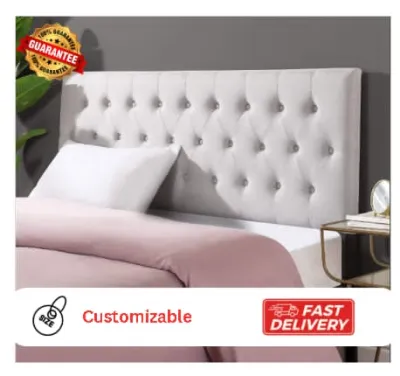
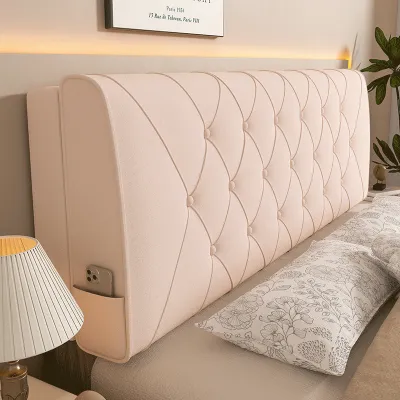
If you prioritize comfort, a simple button-tufted or grid-tufted upholstered headboard in a neutral tone like beige, cream, or charcoal gray offers excellent versatility. The tufting adds subtle texture and depth without looking overly dramatic. These classic designs provide a comfortable backrest for sitting up in bed to read or watch television, while their neutral palettes ensure they will match future bedding updates or room paint colors.
Modern and Minimalist Picks
In contemporary spaces, a heavy, ornate headboard can feel outdated and bulky. Modern minimalist designs focus on clean lines, low profiles, and subtle textures to create a sophisticated, uncluttered look. Flat-panel wooden headboards made from light oak, walnut, or birch veneers offer a sleek, organic aesthetic that keeps the visual weight of a double bed manageable.
Low-profile upholstered boards that rise just slightly above the pillows are also popular in modern design. Rather than relying on deep tufting or thick padding, these styles use high-quality fabric textures, such as coarse weaves or matte finishes, to generate visual interest. Metal frames with simple geometric shapes also fit well in minimalist spaces, offering a clean, industrial, or mid-century modern vibe that keeps the bedroom feeling open and airy.
Statement Headboard Styles for Queen Beds
Queen beds, measuring 60 by 75 inches or 60 by 80 inches, are the standard centerpiece of master bedrooms. Because a queen bed occupies a significant portion of the room, its headboard should serve as a bold, intentional focal point that provides both high visual appeal and exceptional physical comfort.
Luxurious and Bold Options
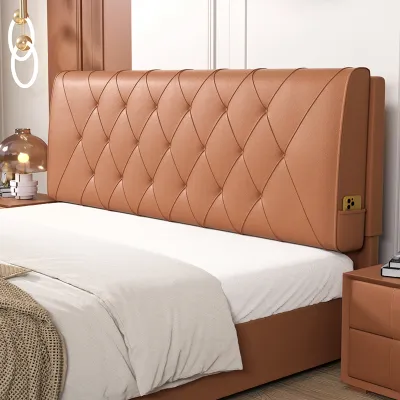
If you want to create a hotel-like retreat, high-profile upholstered headboards, wingback designs, and channel-tufted panels are exceptional choices. A tall, padded headboard rising 36 to 48 inches above the mattress commands attention, filling the vertical wall space beautifully and making the bed feel grand and inviting. The generous padding provides superb lumbar support for sitting up, transforming your bed into a multi-functional space for relaxation.
Wingback headboards feature side panels that wrap slightly around the head of the bed, creating a cozy, enclosed feel that dampens sound and blocks drafts. Channel-tufting, which features vertical or horizontal padded panels, offers a sleek, retro-modern aesthetic that adds a sense of structure and luxury. When investing in these large upholstered pieces, verify the foam density and the durability of the cover fabric. Opting for performance fabrics that resist stains, moisture, and wear will ensure your headboard remains clean and comfortable for years to come.
Textured and Natural Looks
For a warm, organic aesthetic that suits tropical climates and relaxed design styles, natural materials are highly recommended. Rattan, cane, woven seagrass, and reclaimed wood headboards add incredible texture and character to a master bedroom without the heavy, insulating feel of thick upholstery. A woven cane headboard framed in solid wood allows air to circulate freely, keeping the sleeping area feeling cool and breezy.
These natural textures bring an earthy, outdoor-inspired element into the home, pairing beautifully with indoor plants and light, breathable bedding. When shopping for natural woven materials, inspect the surface carefully to ensure the finish is smooth and the weaves are secure. Rough fibers can snag delicate bed sheets, pillowcases, or clothing. Additionally, check the structural stability of the outer frame to ensure the woven panels are securely supported.
Physical Compatibility and Installation Checklist
Once you have selected a style, you must ensure the headboard is physically compatible with your bed frame and wall structure. Mismatched mounting systems or improper installation can lead to squeaking, wobbling, or damage to your walls.
- Verify the Attachment Method: Headboards generally mount in one of four ways: bed-mounted, wall-mounted, freestanding, or floor-standing. Bed-mounted headboards attach directly to the back of the bed frame using bolts or brackets. Check your bed frame's manufacturer instructions to confirm if it has pre-drilled holes for headboard attachment, and verify if it requires bolt-on or hook-on brackets.
- Measure Mattress Height and Clearance: Measure from the floor to the top of your mattress, accounting for any mattress toppers. Ensure the bottom of the headboard panel sits slightly below the top of the mattress to prevent a gap where pillows can slide through. Also, confirm that the thickness of the headboard will not push your bed too far forward, blocking narrow walkways or bedroom doors.
- Check Electrical and Architectural Obstructions: Ensure the width and height of the headboard will not cover electrical outlets, light switches, bedside sconces, or window trim. If your outlets are located directly behind the bed, a thick headboard may prevent you from plugging in lamps or phone chargers unless you use right-angle adapters.
- Assess Wall Material and Strength: If you choose a heavy wood, metal, or wall-mounted upholstered headboard, secure installation is critical for safety. For wall-mounted options, you must secure the mounting brackets into wall studs. If you are mounting onto drywall, plaster, or concrete hollow blocks—which are common in local home construction—always use the appropriate heavy-duty wall anchors, toggle bolts, or masonry screws. If you are unsure of your wall's load-bearing capacity or lack the necessary tools, consult a professional installer to ensure the headboard is mounted securely.
Frequently Asked Questions (FAQ)
Can I use a queen headboard on a double bed?
While it is physically possible to use a queen headboard on a double bed, it is generally not recommended because of the size discrepancy. A queen headboard is 60 inches wide, while a double bed is only 54 inches wide. This difference creates a three-inch overhang on each side of the mattress. This gap can look visually unbalanced, leaving the bed frame’s mounting brackets exposed and making the mattress appear poorly fitted.
Additionally, the overhang can interfere with bedside tables, forcing them further away from the bed and potentially blocking pathways or closet doors. If you must use a queen headboard, a wall-mounted style is the easiest to adapt, as it does not rely on direct physical connection to the double bed frame. However, for the cleanest and most cohesive look, it is best to match the headboard size directly to your specific mattress size.
How far should a headboard be from the mattress?
To prevent pillows, remote controls, and small items from slipping behind the bed, there should be virtually no gap between the top of the mattress and the bottom of the headboard panel. Ideally, the solid portion of the headboard should overlap or sit flush with the top of the mattress, extending at least two to three inches below the mattress line.
When calculating this placement, always account for the total thickness of your mattress, including any plush mattress pads or memory foam toppers you plan to use. If your headboard is adjustable, mount it at a height where the bottom of the headboard remains concealed behind the mattress even when the bed is fully made. This setup ensures a seamless, high-end look and keeps your pillows firmly supported while you sleep.
Community discussion
Share your experience or ask a question. Comments are reviewed before publication.