
Finding a computer chair that truly supports a heavier frame requires looking past generic marketing labels and understanding what your budget actually buys. In the ₱3,000 to ₱15,000 price range, the market transitions from basic, entry-level models with plastic components to highly adjustable, metal-reinforced ergonomic chairs designed for long-term durability. Knowing what features are realistic at each price point helps you avoid premature chair failure and ensures your investment provides genuine physical support.
At the lower end of this budget, from ₱3,000 to ₱6,000, you can expect standard weight capacities with basic tilt functions and nylon frames. Moving into the mid-range of ₱7,000 to ₱11,000 introduces reinforced bases, higher-class gas lifts, and adjustable lumbar support. At the premium tier of ₱12,000 to ₱15,000, you unlock advanced ergonomic mechanisms, heavy-duty metal frames, and comprehensive adjustability designed to withstand daily, long-term use in tropical environments.
Understanding Heavy-Duty Requirements and Budget Priorities
When shopping for a heavy-duty computer chair, the first step is defining your specific physical requirements rather than relying on vague marketing terms. A chair labeled as heavy-duty on an online marketplace might only be rated for standard weight limits, or it may lack the structural reinforcement needed for daily eight-hour use. To make an informed decision, you must align your actual body weight and height with the chair’s verified specifications.
Products mentioned in this guide
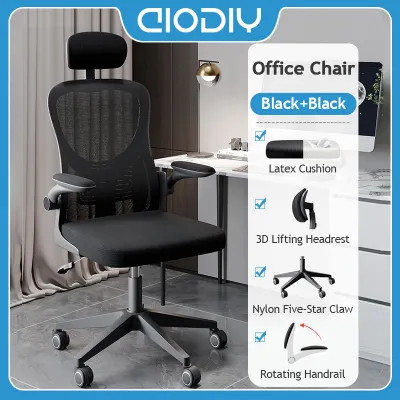
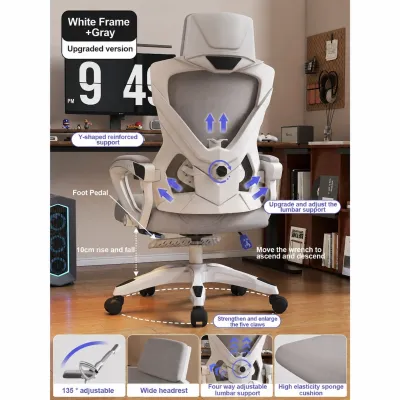
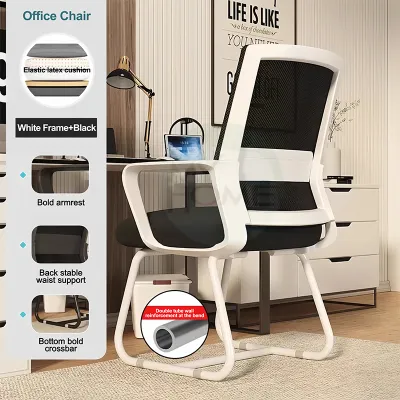
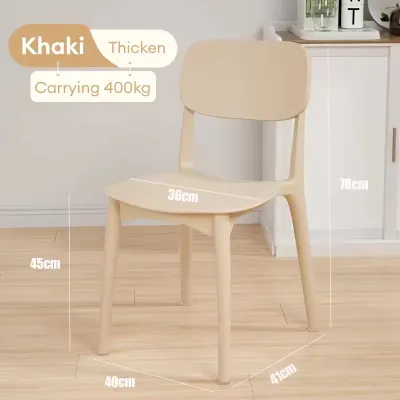
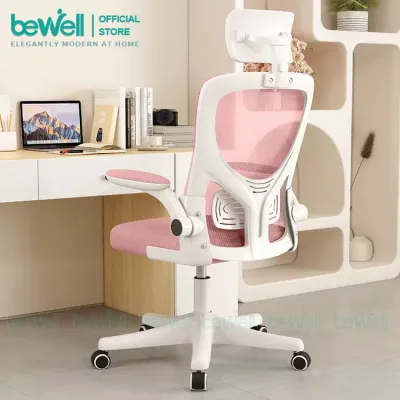
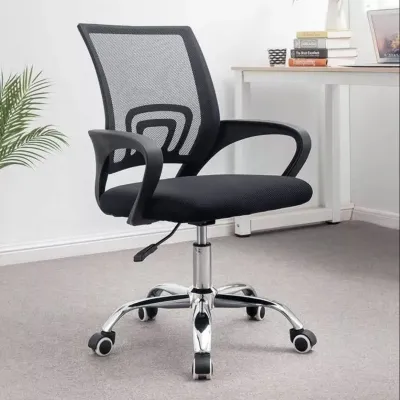
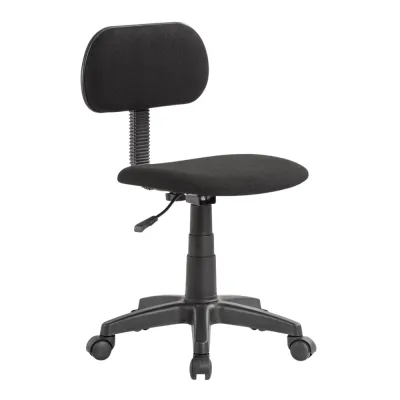
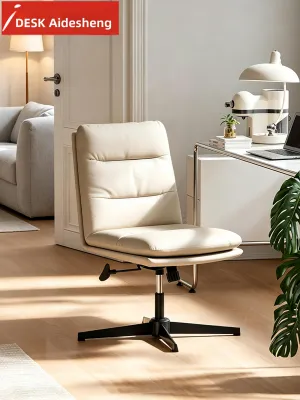
Prices are valid at publication and may change. Please refer to the product page for the latest price.
Structural integrity should always take precedence over cosmetic features or high-end aesthetics. The core components that bear your weight—specifically the base material, the gas lift cylinder, and the internal frame construction—determine the chair’s lifespan. A chair with flashy gaming designs but a weak plastic base will fail much faster than a plain-looking office chair built with a reinforced nylon or steel base and a certified gas lift.
Ergonomic adjustments also play a critical role in heavy-duty comfort. For larger frames, features like adjustable lumbar support and seat depth are not luxury add-ons; they are essential for preventing lower back strain and maintaining proper circulation in the legs. At lower price points, you may need to prioritize a robust, non-adjustable seat cushion over complex tilt mechanisms, while higher budgets allow you to secure both structural strength and highly customizable ergonomics.
What to Expect in the ₱3,000 to ₱6,000 Range
In the entry-level bracket of ₱3,000 to ₱6,000, heavy-duty options are generally basic and require careful scrutiny. Most chairs in this price range utilize standard nylon bases and basic molded foam cushions. While nylon can be durable, budget-grade nylon bases are prone to flexing under high loads, and the foam cushions may lose their shape and compress permanently within a few months of heavy daily use.

Verifying weight capacity claims is crucial at this price point. Many product listings on ecommerce platforms use heavy-duty as a search keyword rather than an accurate description of the chair’s limits. Instead of trusting the product title, you should scroll down to the detailed specification sheet or download the user manual to check the certified weight rating, which often tops out at 100 to 120 kilograms in this tier.
To stay within this budget, manufacturers make significant trade-offs in adjustability and materials. You will typically find fixed plastic armrests that cannot be adjusted for height or angle, which can force your shoulders into uncomfortable positions. The recline functions are usually limited to a simple upright lock or a basic spring-tension tilt, and the overall frame construction relies heavily on lightweight plastics rather than steel reinforcements.
Upgrading to the ₱7,000 to ₱11,000 Range
Stepping up to the mid-tier budget of ₱7,000 to ₱11,000 yields a noticeable improvement in both structural materials and daily comfort. At this level, chairs frequently feature upgraded base materials, such as heavy-duty reinforced nylon with internal ribbing or entry-level chrome-plated steel bases. Additionally, you are much more likely to find certified Class 3 or Class 4 gas lifts, which offer smoother height adjustments and safer, more reliable weight support.
This price range also introduces essential ergonomic adjustments that help distribute body weight more evenly. You can expect to find adjustable lumbar support systems that can be shifted vertically to match the curve of your spine, as well as multi-directional armrests that adjust for height and depth. The seat cushions in this tier generally feature higher-density molded foam, which resists flattening over extended periods.
In the warm, humid climate of the Philippines, material choice is a major factor in long-term comfort and durability. This budget allows you to choose between high-density foam and breathable mesh backrests. While mesh offers excellent ventilation to keep you cool, you must evaluate the tension and quality of the mesh; budget mesh can sag over time under heavy pressure, whereas high-density foam provides consistent, firm support but may retain more body heat.
Maximizing the ₱12,000 to ₱15,000 Budget
At the top of the specified budget, from ₱12,000 to ₱15,000, you enter the territory of premium heavy-duty ergonomic chairs. These models are built with advanced mechanical systems, such as synchro-tilt mechanisms where the backrest and seat recline at a synchronized ratio, keeping your feet flat on the floor and reducing pressure on your thighs. The frames are typically constructed from robust steel or aluminum alloys, providing a rock-solid foundation.
Adjustability reaches its peak in this price range, allowing you to customize the chair to your exact body proportions. Features like seat depth adjustment—which lets you slide the seat pan forward or backward—are common, ensuring proper thigh support without cutting off circulation behind your knees. You will also find dynamic lumbar support that automatically adjusts to your movements, along with 4D armrests that adjust in height, depth, angle, and width to accommodate broader shoulders.
When investing this amount, the warranty terms and after-sales support serve as practical indicators of the chair’s heavy-duty reliability. Reputable manufacturers in this price bracket often offer multi-year warranties that specifically cover structural components like the steel frame, the tilt mechanism, and the gas lift cylinder. A long warranty period demonstrates the manufacturer’s confidence in the product’s ability to withstand continuous heavy-duty use without failing.
Crucial Pre-Purchase and Setup Checks
Before finalizing your purchase, it is essential to perform several practical checks to ensure the chair fits both your body and your physical workspace. Start by measuring your desk height and comparing it to the chair’s armrest and seat height specifications. You should also measure your doorway clearances and the available floor space in your home office, as heavy-duty chairs often have wider wheelbases and bulkier frames that require more room to maneuver.
Always verify the weight limits by looking at the official product labels, certification stamps, or the manufacturer’s official website rather than relying on third-party seller descriptions. If you are purchasing online, look for downloadable assembly guides to assess whether you will need assistance; heavy-duty chairs with solid steel frames can be significantly heavier and more challenging to assemble alone than standard office chairs.
Finally, review the seller’s return policies and the specific terms of the warranty coverage. Ensure you understand how to claim replacement parts if a component like the gas lift or a caster wheel fails. In tropical environments, check if the warranty covers material degradation like peeling synthetic leather or sagging mesh, as high humidity can accelerate wear on lower-quality materials.
Frequently Asked Questions (FAQ)
How do I verify the actual weight capacity of a chair?
To verify the actual weight capacity, always consult the manufacturer’s official specification sheet, user manual, or official website rather than relying on online marketplace titles. Look for recognized industry certifications, such as BIFMA standards, which indicate the chair has undergone rigorous testing for structural safety and load capacity.
Is a metal base always better than a nylon base for heavy-duty use?
Not necessarily. While metal bases are generally heavier and highly robust, a high-quality, reinforced nylon base with internal structural ribbing can be exceptionally durable and support significant weight. The overall durability depends on the engineering quality of the base, the class of the gas lift, and the strength of the internal seat frame, rather than the base material alone.
What should I look for in a warranty for a heavy-duty chair?
When evaluating a warranty, look for separate, detailed coverage periods for different components. A good heavy-duty warranty should offer extended coverage on structural parts like the steel frame, the tilt mechanism, and the gas lift cylinder. Be sure to check whether the warranty covers normal wear and tear under heavy use or if it is strictly limited to manufacturing defects.
Community discussion
Share your experience or ask a question. Comments are reviewed before publication.