
The best heavy-duty foldable tables for outdoor use during the monsoon season are those constructed with high-density polyethylene (HDPE) or specially treated metal tabletops, supported by thick, powder-coated or galvanized steel frames. To withstand the relentless downpours and intense humidity of the Philippine wet season, every component—from the folding hinges to the rivets—must explicitly feature rust-resistant coatings. Finding a reliable foldable table heavy duty option requires looking beyond basic material names and verifying specific protective finishes, joint designs, and load capacities.
Core Demands of the Philippine Monsoon on Outdoor Furniture
The Philippine monsoon season, or Habagat, presents a harsh combination of environmental stressors that quickly degrade standard outdoor furniture. Prolonged heavy rain can saturate porous materials, while persistent high relative humidity—often exceeding 80 percent—creates an ideal breeding ground for mold, mildew, and rust. Additionally, localized thunderstorms and strong seasonal winds can easily tip over lightweight tables, causing physical damage or structural warping. Standing water on patios, balconies, or garden lawns further threatens the base of any outdoor setup.
In this challenging environment, a “heavy-duty” designation must mean more than just a high static load capacity. A truly heavy-duty table must maintain its structural integrity and safety under continuous moisture exposure without softening, buckling, or corroding. When a table is subjected to cycles of intense tropical sun followed by sudden, heavy downpours, the materials expand and contract rapidly, putting immense stress on joints and surfaces.
Products mentioned in this guide
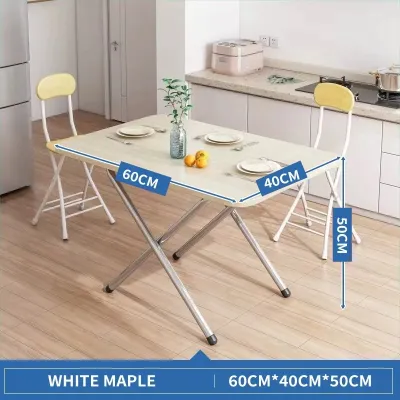
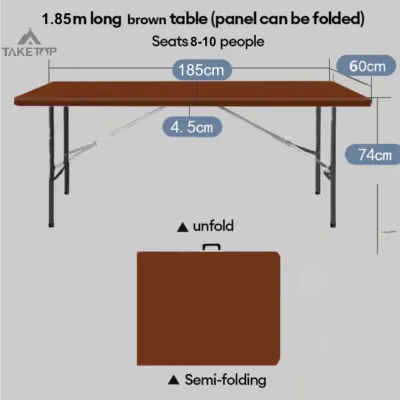
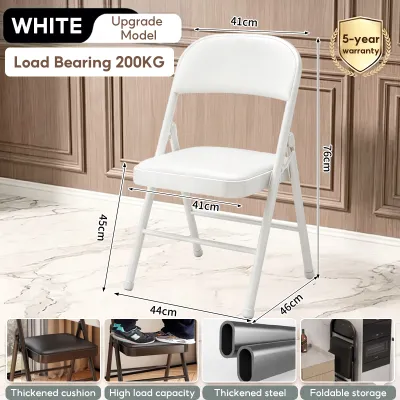
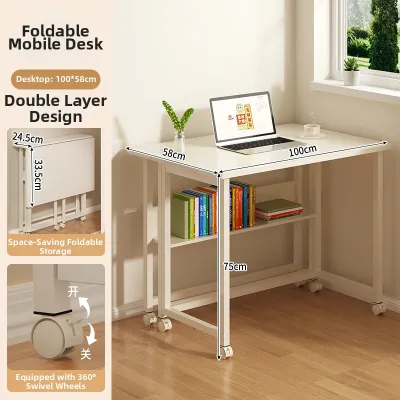
Prices are valid at publication and may change. Please refer to the product page for the latest price.
Choosing the right table requires a balanced decision-making framework. You must prioritize high load capacity alongside verified water resistance, rust prevention, and mold resistance. A table that cannot survive the moisture will quickly become a safety hazard, regardless of how much weight it was originally rated to hold in dry conditions.
Frame Materials: Prioritizing Rust Protection and Coatings
The frame serves as the backbone of any heavy-duty table, bearing the weight of your items and resisting the physical forces of wind and use. Steel and aluminum are the most common frame materials used in heavy-duty designs. Steel offers exceptional weight and structural strength, making the table highly stable in windy conditions, though it is naturally susceptible to rust. Aluminum is highly lightweight and naturally resistant to corrosion, but it can be more vulnerable to tipping during strong monsoon winds if the table is not weighted down.

It is critical to understand that a material name alone does not guarantee weather resistance. You cannot assume a steel frame is safe for outdoor use simply because it is labeled “heavy-duty.” Instead, you must verify the presence of specific protective finishes on the product label or manufacturer specifications. Look for terms like powder coating, hot-dip galvanization, or specialized anti-corrosion treatments. Powder coating creates a thick, baked-on barrier that resists moisture, chipping, and scratching far better than standard liquid paint.
When evaluating a table, pay close attention to the joints, hinges, and welding points. These areas are highly vulnerable because moisture naturally accumulates in crevices, and the protective coating can be thin or compromised during the manufacturing or folding process. Inspect these spots for uniform coating coverage. Any exposed, untreated raw metal or purely decorative finish that lacks stated outdoor durability will rapidly corrode when exposed to the high humidity of the monsoon months.
To ensure long-term durability, look for frames that utilize stainless steel or zinc-plated hardware for the folding mechanisms. If the rivets, bolts, and locking pins are made of untreated carbon steel, they will rust quickly, seizing the folding mechanism and rendering the table unusable. Always cross-reference the manufacturer’s specifications to confirm that the entire frame assembly, including the smallest fasteners, is rated for outdoor or wet-weather use.
Tabletop Surfaces: Preventing Warping, Swelling, and Mold
The tabletop is directly exposed to falling rain and intense tropical UV rays, making its material composition vital to the table’s lifespan. High-Density Polyethylene (HDPE) is widely considered the gold standard for heavy-duty utility tables. HDPE is a non-porous, heavy-duty plastic that does not absorb water, swell, or rot. It is molded as a single solid piece or a double-walled structure, leaving no seams where water can penetrate. Treated metals, such as powder-coated steel or aluminum sheets, also offer excellent durability, though they can become very hot under the direct sun before a storm.
Conversely, you should strictly avoid untreated natural woods, porous materials, or standard indoor laminates like medium-density fiberboard (MDF) and particle board. In the high humidity of the Philippine wet season, these materials act like sponges, absorbing airborne moisture and rainwater. This absorption leads to rapid swelling, warping, structural softening, and the growth of toxic black mold. Even sealed wood or composite tables can fail if the protective sealant has microscopic cracks or if the edge-banding begins to peel.
When selecting a table, check the manufacturer’s specifications for explicit performance claims rather than relying on generic material descriptions. Look for verified UV-resistance, water-resistance, and anti-microbial or mold-resistant treatments. UV-resistance is particularly important in tropical climates; without it, the intense sun will degrade plastic tabletops, making them brittle and prone to cracking when the heavy rains eventually arrive.
The texture of the tabletop surface also plays a practical role in wet-season safety. A completely smooth plastic or metal surface becomes incredibly slick when wet, causing plates, tools, or outdoor equipment to slide off easily. Opt for tabletops with a textured, slip-resistant finish, such as a simulated wood grain or a matte orange-peel texture. This texture provides essential grip during sudden downpours and helps mask minor scratches and wear over time.
Structural Integrity: Supporting Heavy Loads in Wet Conditions
A heavy-duty table must remain completely stable, secure, and level, even when placed on wet, slick, or uneven outdoor surfaces. The mechanical design of the folding legs determines whether the table can safely support its rated weight under adverse conditions. Look for tables featuring reinforced hinges, robust cross-bracing, and secure locking mechanisms, such as gravity slide rings or spring-loaded locks. These features prevent the legs from accidentally folding or buckling when the table is loaded or bumped.
The design of the foot caps is another critical, yet often overlooked, safety feature. Standard plastic caps can slip easily on wet outdoor tiles, polished concrete, or damp wooden decks. For outdoor monsoon use, prioritize tables equipped with wide-base, non-slip rubber or polyurethane foot pads. These materials provide superior traction on wet surfaces and prevent the metal legs from sinking into soft garden soil or mud, preserving the table’s level alignment and preventing tip-overs.
Before purchasing, always verify the manufacturer’s stated maximum weight capacity and the finished dimensions of the table. Ensure the load capacity aligns with your specific needs, whether you are hosting outdoor family gatherings, setting up a temporary wet-market stall, or storing heavy gardening equipment. Additionally, measure your available outdoor space, as well as any doorways, hallways, or storage areas, to ensure the table can be easily transported and stored when the weather turns severe.
The folding mechanisms themselves must be designed to operate smoothly even when damp. High-quality heavy-duty tables feature rust-resistant hardware, such as stainless steel or coated rivets and bolts, which maintain their smooth operation over years of wet-season use. Avoid tables with complex, tight folding tracks that can easily trap dirt, mud, and water, as these are prone to jamming and corrosion.
Wet-Season Maintenance and Safe Storage Practices
Proper maintenance and storage are essential to preserving the protective coatings of your heavy-duty foldable table and extending its service life through many monsoon seasons. After a heavy storm, make it a habit to wipe down the tabletop and frame with a soft, clean cloth or sponge. This removes standing rainwater, mud, splattered soil, and acidic organic debris like tree sap or bird drops, which can slowly etch into protective powder coatings if left dry.
The most critical step in wet-season care is ensuring the table is completely dry before folding and storing it. Never fold a damp table and place it directly into storage. Trapping moisture inside the folded frame or between the tabletop halves creates a highly humid microclimate that accelerates rust formation on metal joints and encourages mold growth on the plastic or composite surfaces. Allow the table to air-dry completely in a well-ventilated, shaded area before folding it.
When storing the table, keep it in a dry, covered space such as a garage, utility room, or sheltered storage shed. Store the table vertically and elevated off the ground—using wooden blocks or a pallet—to prevent the feet and lower frame from sitting in any pooling water or damp ground moisture. If you must store it outdoors under a patio, use a breathable, waterproof furniture cover to protect it from blowing rain while allowing trapped moisture to escape.
For deep cleaning or addressing stubborn stains, always consult the manufacturer’s care instructions first. If you notice minor rust spots forming on the frame joints, address them immediately according to the manufacturer’s guidelines, typically by gently cleaning the area and applying a rust-inhibiting touch-up paint. Never use abrasive steel wool, harsh scouring pads, or aggressive chemical solvents like bleach or acetone, as these will strip away the protective powder coating, exposing the underlying metal to rapid corrosion.
Frequently Asked Questions (FAQ)
Can I leave a heavy-duty foldable table outside overnight during the rainy season?
While high-quality heavy-duty foldable tables are designed to be weather-resistant, leaving them fully exposed to heavy monsoon downpours and high humidity overnight is not recommended. Prolonged, continuous exposure to moisture accelerates the wear of protective coatings and increases the risk of water seeping into internal frame tubes. To extend the table’s lifespan, cover it with a breathable, waterproof outdoor furniture cover, or move it to a sheltered area like a covered patio when it is not in active use.
How do I safely clean mud and debris from the folding joints?
To clean the folding joints safely, use a soft-bristled brush, such as an old toothbrush, and mild soapy water to gently scrub away mud, sand, and organic debris from the hinges, rivets, and locking mechanisms. Avoid using high-pressure washers directly on the joints, as the extreme water pressure can force moisture deep into internal mechanisms, strip away factory-applied lubricants, and damage protective coatings. Once clean, rinse the joints with low-pressure water and ensure they are completely dry before folding the table for storage.
Community discussion
Share your experience or ask a question. Comments are reviewed before publication.