
Finding the right sleeping arrangement in a compact condominium often feels like a balancing act between conserving floor area and ensuring a restful night’s sleep. Standard space-saving solutions can sometimes compromise on structural integrity, leaving you with squeaky frames or sagging mattresses after only a few months of use. If you are looking for a reliable, long-term sleeping solution for daily use or frequent guests, investing in a high-quality folding bed heavy-duty model is the most practical path forward. These robust systems are specifically designed to withstand the physical demands of daily setup and teardown while providing the ergonomic support of a traditional bed.
In a typical high-rise development in Metro Manila, where studio and one-bedroom units often range between 20 and 35 square meters, every square inch of floor space must be utilized strategically. A heavy-duty folding bed allows you to reclaim your bedroom or living area during the daytime, transforming a sleeping zone into a functional home office, workout space, or entertainment area. However, selecting the right model requires looking past marketing buzzwords and understanding the precise engineering, materials, and dimensions that define true durability.
The Case for a Folding Bed Heavy-Duty Option in Compact Condos
Living in a compact urban condo presents unique spatial challenges that require multi-functional furniture solutions. While standard, lightweight folding beds are widely available on ecommerce platforms, they are generally designed for occasional camping trips or emergency use rather than the rigors of daily sleep. Under regular use, these entry-level models quickly reveal their limitations, often manifesting as sagging wire decks, bent metal frames, and noisy joints that disrupt your sleep.
Products mentioned in this guide

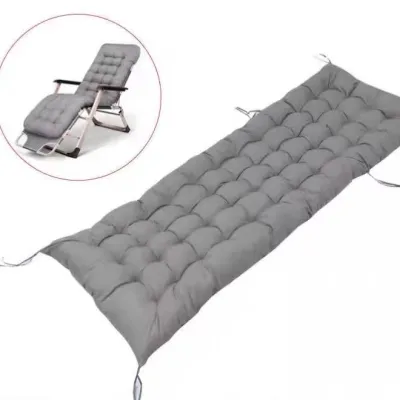

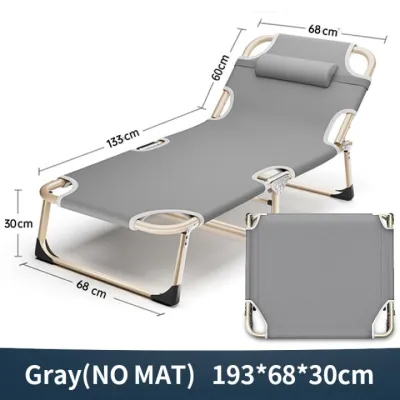
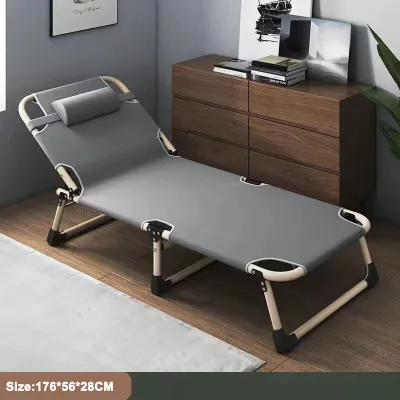
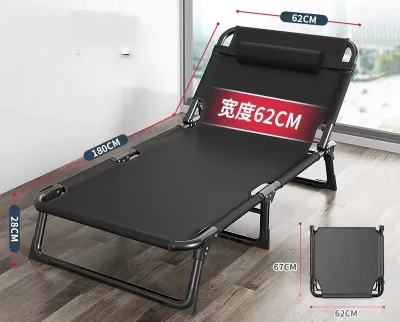
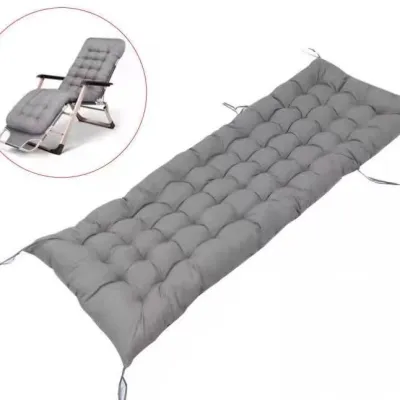
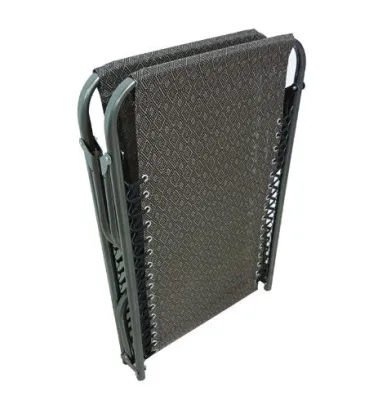
Prices are valid at publication and may change. Please refer to the product page for the latest price.
The primary issue with standard folding beds lies in their thin-walled steel tubing and plastic connection joints. When subjected to the daily weight of an adult, these components experience rapid fatigue, leading to structural failure or permanent warping. Furthermore, cheap foam mattresses paired with weak support nets fail to distribute body weight evenly, which can cause chronic back discomfort and poor sleep quality over time.
Choosing a heavy-duty alternative is an investment in both your physical well-being and your home’s safety. A robust frame built from high-gauge steel offers the rigid foundation necessary to support your spine properly throughout the night. Moreover, a structurally sound bed minimizes the risk of sudden collapse or hinge failure, ensuring that your investment remains safe and functional for years to come. By prioritizing structural integrity, you can enjoy the spatial freedom of a folding bed without sacrificing the restorative sleep essential for a demanding urban lifestyle.
What Makes a Folding Bed Truly "Heavy-Duty"?
When shopping for a folding bed, you will encounter countless listings claiming durable construction. To make an informed decision, you must look beyond these generic product titles and evaluate the physical specifications, construction methods, and material quality of each model. A truly durable folding bed is defined by three main pillars: its frame construction, its mattress support system, and its mobility hardware.

Frame Construction and Weight Limits
The foundation of any heavy-duty bed is its metal frame. Look for models constructed from high-gauge carbon steel tubing, which offers superior tensile strength compared to standard aluminum or thin-walled steel. The outer frame should feature a minimum tube diameter of 25mm, with reinforced crossbars situated at key load-bearing points under the torso and hips.
Pay close attention to the hinges and folding mechanisms, as these are the most common points of failure. Heavy-duty models utilize thick steel plates and locknuts at the pivot points rather than simple rivets, which can loosen and shear over time. Always verify the manufacturer’s explicitly stated weight capacity; a true heavy-duty single bed should comfortably support at least 150 kg, while double or queen-size variations should be rated for 250 kg or more. Avoid products that do not specify a clear weight limit or those that offer vague structural warranties.
Mattress Support and Comfort
The mechanism that supports the mattress plays a critical role in both sleep ergonomics and the bed’s overall lifespan. Standard folding beds often rely on thin springs connected to a wire mesh deck, which tends to sag permanently after a few months of daily use. For a heavy-duty setup, consider these three primary support configurations:
- Steel Wire Mesh with Tension Springs: A high-tension steel grid offers a bouncy yet supportive feel, but ensure the wire gauge is thick enough to resist stretching.
- Flexible Wooden Slats: Often made from laminated birch or eucalyptus, these slats flex individually to contour to your body shape, providing excellent spinal alignment and breathability.
- Reinforced Deck Fabrics: High-density Oxford fabric or canvas decks secured by heavy-duty springs offer a firmer sleeping surface that distributes weight evenly without sagging.
The mattress itself must strike a balance between comfort and foldability. High-density polyurethane foam or memory foam mattresses ranging from 4 to 6 inches in thickness are ideal. Anything thinner than 4 inches will likely allow you to feel the metal frame underneath, while mattresses thicker than 6 inches may prevent the bed from folding compactly, increasing its stored footprint.
Folded Footprint and Mobility
A folding bed is only practical if it can be easily moved and stored when not in use. Before purchasing, you must verify the exact folded dimensions (depth, width, and height) to ensure the unit fits into your designated storage closet, niche, or behind a wardrobe.
Mobility relies heavily on the quality of the casters or wheels attached to the frame. Look for 360-degree smooth-rolling casters made from polyurethane or rubber. These materials roll quietly and prevent scratching on delicate condo flooring, such as ceramic tiles, vinyl planks, or engineered wood laminate. Additionally, the bed must feature reliable locking brakes on at least two of the wheels to keep the frame completely stationary when deployed for sleep or stored upright in a tight corner.
Top Heavy-Duty Folding Bed Configurations for Small Bedrooms
To help you navigate the options available on the market, we have categorized the most reliable heavy-duty folding bed designs suitable for compact condo units. Each configuration offers unique advantages depending on your space constraints, aesthetic preferences, and frequency of use.
Reinforced Steel Rollaway Beds with Memory Foam
This is the classic rollaway configuration, engineered for maximum comfort and regular daily use. It features a robust, powder-coated steel frame that folds in half, housing a high-density memory foam mattress inside the fold. The mattress support is typically provided by a grid of spring-tensioned steel wire or flexible wooden slats.
- Ideal Use Cases: Studio apartments where the bed is folded away every morning, or dedicated guest rooms that require a high-comfort sleeping surface.
- Pros: Offers superior spinal support comparable to a traditional stationary bed; easy to roll across flat surfaces; mattress is fully protected within the frame when folded.
- Cons: Requires a moderate amount of storage depth (usually around 30 to 45 cm when folded); can be heavy to lift for individuals with limited physical strength.
Heavy-Duty Folding Cots with Padded Decks
For ultra-compact condos where storage space is extremely limited, a heavy-duty folding cot is a highly efficient alternative. These models feature a bi-fold or tri-fold frame with a taut, heavy-duty fabric deck (such as double-layer 1200D Oxford cloth) instead of wooden slats or steel springs. They often come with a built-in, removable padded mattress topper.
- Ideal Use Cases: Narrow studio units, home offices, or as an emergency bed that can be tucked away inside a wardrobe or under an existing bed frame.
- Pros: Extremely lightweight and compact; requires minimal storage footprint; quick and simple to deploy without complex mechanical hinges.
- Cons: Provides a firmer sleeping surface that may not appeal to side sleepers; generally features lower weight capacities compared to full-sized rollaway beds; mattress padding is thinner.
Cabinet-Style Murphy Folding Beds
If you want to maintain a polished, professional aesthetic in your condo, a freestanding cabinet-style folding bed is an excellent premium option. These systems consist of a sturdy wooden cabinet that houses a tri-fold high-density foam mattress and a reinforced metal folding frame. When closed, the unit resembles a stylish sideboard or credenza, blending seamlessly with your living room or home office decor.
- Ideal Use Cases: Multi-functional rooms, such as a home office that doubles as a guest bedroom, or high-end studio condos where hiding the bed is a design priority.
- Pros: Completely conceals the bed and bedding when closed; provides a flat top surface that can hold decorative items or a television; does not require wall mounting.
- Cons: The heaviest and most expensive configuration (with prices typically falling in the premium band of ₱15,000 to ₱40,000+); requires a larger permanent floor footprint even when folded.
Pre-Purchase Checklist: Measuring Your Condo for a Folding Bed
One of the most common mistakes condo owners make is purchasing a folding bed based solely on its sleeping dimensions, only to find that it cannot be easily maneuvered through the building’s common areas or deployed within the bedroom. High-rise living involves specific physical constraints, from narrow service elevators to tight hallway turns. Use this step-by-step measurement checklist before finalizing your purchase:
- Measure the Deployed Footprint: Identify the exact spot where the bed will be opened. Measure the length and width of this area, ensuring you leave at least 50 to 60 cm of clearance on at least two sides of the bed. This walking space is crucial for safely getting in and out of bed and preventing a cramped, claustrophobic feel in the room.
- Verify the Stored Dimensions: Measure your intended storage space—whether it is a closet, a utility room, or a gap behind a wardrobe. Compare these measurements with the bed's folded depth, width, and height. Remember to account for any protruding wheels or hinges, which can add several centimeters to the manufacturer's listed dimensions.
- Check the Delivery Route:
– Elevator Clearance: Measure the height, width, and diagonal depth of your condo building's elevator door and cabin. Many high-rise developments have strict limits on cargo size, and a heavy-duty bed frame that does not fold completely flat may not fit inside a standard passenger lift.
– Doorways and Hallways: Measure the width of your condo unit's main entrance door, bedroom doors, and any tight corners in the hallways. A heavy rollaway bed must be able to clear these openings without damaging the walls or the frame itself.
– Stairwells: If your building does not have a service elevator or if the unit is on a lower floor, ensure the stairwell turns provide enough clearance for two delivery personnel to carry the packaged bed safely.
Maintenance and Safety Checks for Humid Climates
The tropical climate, characterized by high temperatures and relative humidity that often exceeds 80%, presents specific challenges for furniture maintenance. Moisture can accelerate the rusting of steel frames and encourage the growth of mold and mildew in foam mattresses. To protect your investment and ensure long-term safety, implement these routine maintenance and care practices:
Frame and Mechanical Care
- Inspect and Tighten Hardware: Every three to six months, check all bolts, locknuts, and hinge pins. The physical vibration of folding and unfolding the bed can gradually loosen these connections, leading to structural instability or squeaking.
- Lubricate Moving Parts: Apply a light coat of silicone spray or non-staining machine oil to the hinges, pivot joints, and wheel bearings annually. Avoid heavy grease, which can attract dust and fibers from your bedding.
- Check Wheel Locks: Ensure the caster brakes engage fully and do not slip. If you notice any cracks in the plastic or rubber wheels, replace them promptly to prevent damage to your flooring.
Mattress and Fabric Preservation
- Air Out the Mattress: Moisture from sweat and ambient humidity can become trapped within high-density foam. Every few weeks, particularly during the rainy season from June to November, leave the bed fully deployed without sheets for a few hours near an open window or in an air-conditioned room to dry out.
- Use Moisture-Wicking Protectors: Invest in a breathable, waterproof, and hypoallergenic mattress protector. This layer prevents moisture from penetrating deep into the foam core, significantly reducing the risk of mold growth.
- Utilize Desiccants in Storage: If you store your folding bed inside a closed closet for extended periods, place several hanging dehumidifier bags or large silica gel packets inside the space to absorb excess moisture.
Safety Warning: Always inspect the bed frame before deployment. If you observe any structural bending in the steel tubes, cracked weld joints, torn deck fabric, or malfunctioning locking hinges, stop using the bed immediately. Refer to the manufacturer’s care instructions and consult their customer service department or a qualified furniture repair professional before attempting any structural modifications.
Frequently Asked Questions (FAQ)
Can a heavy-duty folding bed be used as a permanent daily bed?
Yes, a high-quality, heavy-duty folding bed can serve as a permanent sleeping solution, provided it features a robust frame and a supportive mattress. However, standard folding bed mattresses are typically thinner than traditional mattresses, which may lead to accelerated wear if used every single night. To maximize comfort and longevity, choose a model with a mattress thickness of at least 5 inches, and rotate the mattress from head to toe every two to three months to ensure even wear and prevent body impressions.
How do I prevent a folding bed from squeaking over time?
Squeaking is usually caused by metal-on-metal friction at the pivot joints, hinges, or where the support springs connect to the outer frame. To resolve this, first locate the source of the noise by gently rocking the bed. Once identified, tighten any loose bolts using a wrench or screwdriver. Next, apply a small amount of dry silicone lubricant or multi-purpose household oil directly to the friction points. Wipe away any excess lubricant with a clean cloth to prevent staining your mattress or bedding.
Are folding beds safe for use on elevated condo platforms or lofted areas?
Before placing a heavy-duty folding bed on an elevated platform, custom wooden loft, or mezzanine floor in your condo, you must verify the structural load limits of that specific area. Steel-frame folding beds, combined with the weight of an adult, exert concentrated downward force through their small caster wheels or support legs. Ensure the platform is constructed from thick, reinforced materials and properly anchored to the wall or subfloor to prevent structural sagging, cracking, or tipping hazards.
Community discussion
Share your experience or ask a question. Comments are reviewed before publication.