
Setting up a balcony bar or lounge in the Philippines offers a wonderful way to enjoy cool evening breezes and city views, but the tropical climate and limited outdoor space demand careful furniture selection. A heavy-duty folding table serves as an excellent foundation for these setups, providing a sturdy surface for drinks and dining while allowing you to reclaim valuable floor space when not in use. Finding the right table requires balancing structural integrity, weather resistance, and spatial constraints to ensure your outdoor lounge remains safe, functional, and inviting.
Core Specifications for Heavy-Duty Balcony Tables
To identify a truly heavy-duty folding table, you must look beyond marketing labels and evaluate the structural benchmarks that define outdoor durability. Manufacturers often list static weight capacities, which assume an evenly distributed load across the entire surface. For a balcony bar where guests might lean on the edges or place heavy platters, look for tables with reinforced center supports and cross-bracing to ensure the frame does not sag under concentrated weight.
Frame materials play a critical role in both stability and longevity. Steel frames offer excellent weight and structural rigidity, helping the table resist tipping in windy conditions, but they must feature a thick, intact powder-coated finish to prevent rust in high-humidity environments. Aluminum frames are naturally rust-resistant and lightweight, making them easy to move, though they may require additional anchoring on high-rise balconies. Inspect the weld points and joint thickness, as seamless welds are far less prone to trapping moisture.
Products mentioned in this guide
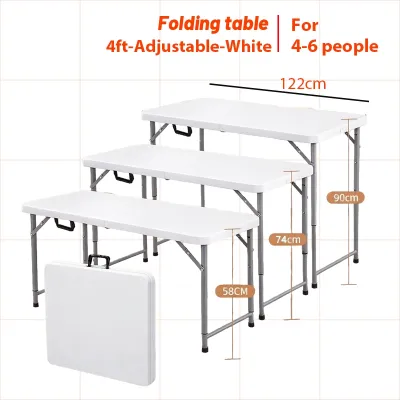
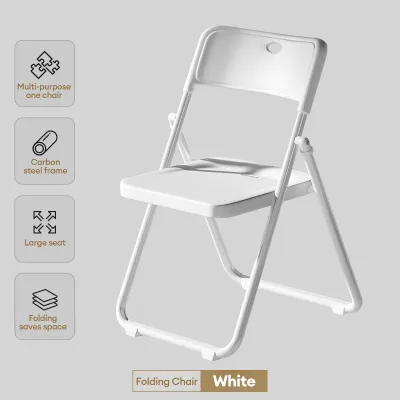
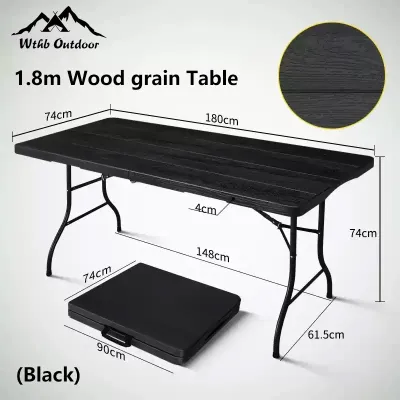
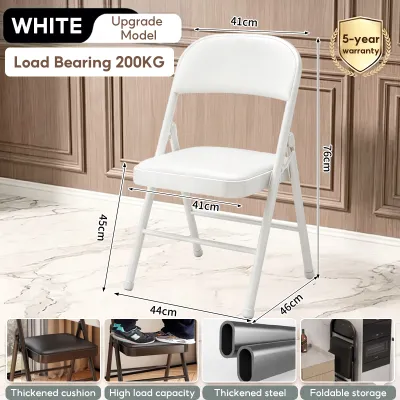
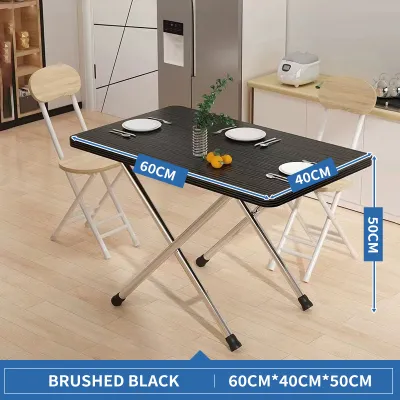
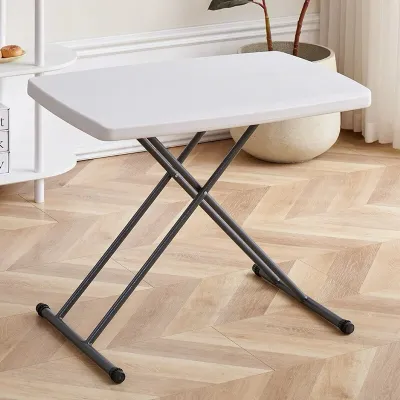
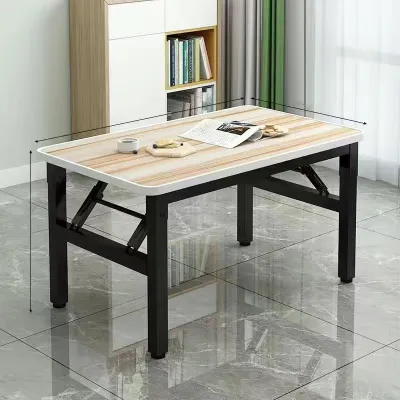
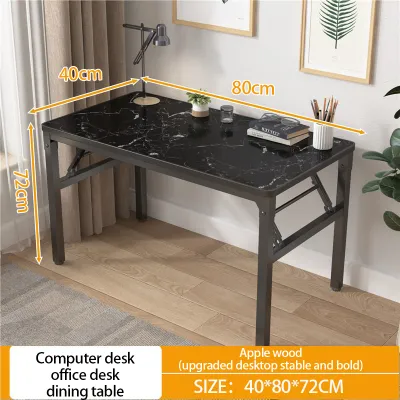
Prices are valid at publication and may change. Please refer to the product page for the latest price.
Tabletop materials must withstand food service, drink spills, and prolonged exposure to intense sunlight and rain. High-density polyethylene (HDPE) is a popular choice for heavy-duty tables because it resists moisture, stains, and impact. However, you should verify that the HDPE is treated with UV stabilizers to prevent yellowing, chalking, or cracking under the tropical sun. Treated wood or specialized composite slats offer a premium lounge aesthetic but require regular sealant checks to prevent warping.
The folding mechanism is often the first point of failure on low-quality tables. Look for gravity-slide locks or physical locking pins that secure the legs firmly in the open position. Inspect the hinge stress points; heavy-duty models typically feature thick steel brackets bolted directly into the frame rather than screwed into the tabletop material. Smooth-gliding joints and pinch-point guards also ensure safe setup and teardown.
Sizing and Layout for Bar and Lounge Arrangements
Selecting the right table dimensions and heights is essential for creating a comfortable flow on your balcony. Standard bar-height tables typically stand around 100 to 110 centimeters tall, creating a casual, social atmosphere where guests can comfortably stand or sit on high stools. Counter-height tables, measuring around 90 centimeters, offer a slightly more relaxed dining feel, while standard dining heights of 75 centimeters are best for dedicated sit-down meals.

Before purchasing, measure your balcony’s finished dimensions and calculate the necessary clearance for movement. Ensure there is at least 75 to 90 centimeters of clearance behind bar stools to allow guests to pull them out and walk past safely. Pay close attention to the distance between the table edge and the balcony railing; safety regulations and comfort dictate that seating should never feel cramped or pushed too close to the edge. Also, verify that the table’s folded dimensions allow it to fit through your balcony doors and condo elevators.
The shape of the table should match your balcony’s footprint. Narrow balconies benefit most from long, rectangular console-style folding tables that sit flush against a wall or railing, maximizing walking space. Square or round folding tables work better on wider terraces or corner balconies, fostering a more conversational lounge layout.
Evaluate the folded footprint of the table to ensure convenient storage when the balcony is not actively in use. A table that folds in half (bi-fold) is highly portable and fits easily into small closets, but the center seam can sometimes create a slight unevenness on the tabletop. Single-fold tables, where only the legs fold flat under the top, provide a completely seamless surface but require a larger vertical or horizontal storage space.
Safety, Stability, and Environmental Checks
A stable base design is critical for preventing tip-overs, especially on elevated balconies exposed to sudden gusts of wind. Tables with a wide leg spread, such as wishbone or arched leg designs, provide superior stability compared to narrow, straight-legged models. A table with a slightly heavier frame or a lower center of gravity is less likely to shift or slide during windy weather.
Floor surface compatibility is another key consideration for balcony setups. Balcony floors are commonly finished with ceramic tiles, concrete, or outdoor wood decking, which can be easily scratched or gouged by bare metal legs. Ensure the table legs are equipped with durable, non-marking rubber or high-density plastic foot caps to protect your flooring and prevent the table from slipping on wet surfaces.
Many condominium associations in the Philippines enforce strict guidelines regarding balcony furniture weight limits and wind hazards. These rules are designed to protect the building’s structural integrity and prevent loose items from falling. Always check your building’s deed of restrictions before setting up a heavy-duty table.
If you are unsure about the stability of a table on an uneven balcony floor, or if you are considering mounting a folding table directly to a railing, stop and consult the manufacturer. Never modify a folding mechanism or attempt to hang a heavy-duty table from a railing unless the product is explicitly certified and engineered for that specific installation.
Building Your Conditional Shortlist
To find the right table for your needs, build a decision matrix based on your primary balcony use case rather than relying on unverified brand rankings. If you plan to host frequent gatherings with heavy platters, ice buckets, and multiple guests, prioritize maximum verified load capacity. A steel-framed, commercial-grade HDPE table with a solid, non-folding top offers a highly stable, scratch-resistant surface that can handle heavy use.
For quiet morning coffees or intimate evening drinks on a smaller balcony, prioritize a lightweight aluminum frame and a simple, one-hand folding mechanism. A table that folds completely flat with a built-in carrying handle allows you to set up and pack away the lounge in seconds, keeping your limited outdoor space flexible.
If your balcony doubles as an outdoor home office and a dining area, look for tables with adjustable height settings. This allows you to transition from a standard desk height during the day to a bar or counter height for evening entertaining. Modular designs that can be linked together also offer flexibility for changing layouts.
When planning your ₱ budget, compare the price-to-durability ratio rather than simply choosing the cheapest option. A low-cost table that rusts or warps within one rainy season will cost more in the long run than a mid-range, weather-treated model. Check if the manufacturer offers replacement foot caps or locking pins, as these small components often wear out first. Avoid tables with thin, unreinforced plastic tops or flimsy, unpainted metal joints.
Routine Care and Weather Protection
Regular maintenance is essential for extending the lifespan of your folding table in a tropical environment. Wipe down the tabletop with mild soapy water and a soft cloth after every use to remove food residues, acidic drink spills, and airborne dust. Avoid abrasive scrubbing pads or harsh chemical cleaners, which can strip away protective UV coatings and leave the surface vulnerable to sun damage.
The moving parts of a folding table are highly susceptible to the humid Philippine climate. Periodically inspect the hinges, springs, and locking pins for any signs of stiffness or corrosion. Apply a light silicone-based lubricant to these joints to keep them operating smoothly and to create a barrier against moisture. Check for any loose bolts or structural play and tighten them immediately.
While heavy-duty tables are designed for outdoor use, they are not impervious to extreme weather. During heavy monsoon rains or typhoons, fold the table and store it indoors or in a secure, enclosed storage area. If indoor storage is not possible, fold the table flat, place it against a secure wall, and use a heavy-duty, waterproof furniture cover tied down securely to prevent wind lofting.
Regularly inspect the frame for early signs of rust, especially around weld joints and screw holes. If you notice paint chipping or minor rust spots, sand the area lightly and apply a rust-inhibiting outdoor touch-up paint. If you observe deep structural cracks, bent frame tubes, or a compromised locking mechanism that no longer holds securely, retire the table immediately to prevent accidental collapse.
Frequently Asked Questions (FAQ)
Can I leave a heavy-duty folding table outside all year?
While many heavy-duty tables feature weather-resistant materials like HDPE and powder-coated steel, leaving them exposed to continuous tropical sun and rain will accelerate wear. UV rays can eventually degrade plastics, and constant moisture can find its way into unpainted joints, leading to rust. To maximize lifespan, use a waterproof cover when the table is not in use, or store it indoors during the rainy season.
How do I prevent a folding table from blowing over on a high-rise balcony?
High-rise balconies experience strong wind currents. To prevent tipping, choose a table with a wide, stable base and a heavier frame material like powder-coated steel. You can secure the table legs to heavy, non-damaging sandbags or weighted bases designed for outdoor furniture. Never anchor furniture in a way that damages the balcony structure or violates condo rules, and always fold and store the table flat during high-wind warnings.
What is the difference between bar height and counter height?
Bar-height tables typically stand between 100 and 110 centimeters tall and are designed to pair with stools that have a seat height of 75 to 80 centimeters. Counter-height tables are slightly lower, usually measuring around 90 centimeters tall, and pair with stools that have a seat height of 60 to 65 centimeters. Ensure you match your table height with the correct stool height to allow comfortable leg clearance.

Community discussion
Share your experience or ask a question. Comments are reviewed before publication.