
To find a truly heavy-duty outdoor hammock, you must look past marketing buzzwords and evaluate three core specifications: the certified weight capacity, the fabric denier, and the material grade of the frame or suspension hardware. In tropical climates like the Philippines, where high humidity, sudden downpours, and intense sun accelerate wear, these technical details determine whether your hammock lasts for years or fails unexpectedly.
A heavy-duty designation should never be taken at face value. By understanding how manufacturers test their products and how different materials react to outdoor elements, you can make an informed decision that prioritizes safety and longevity. This guide breaks down the critical specifications to verify before you buy.
Decoding Weight Capacity and Safety Margins
When reviewing weight limits, distinguish between static load ratings and dynamic movement limits. A static rating refers to the weight the hammock can support when you are completely still. Dynamic force, however, occurs when you sit down, swing, or shift your weight. These sudden movements temporarily multiply the load on the fabric and suspension, meaning a standard hammock can easily fail even if your body weight is well below the static limit.
Products mentioned in this guide
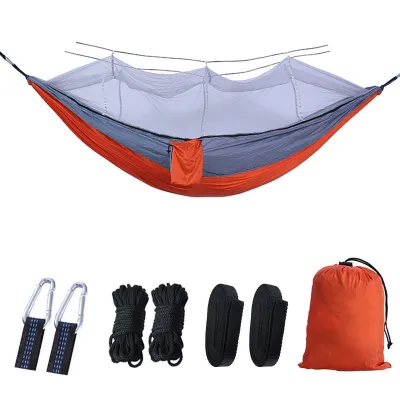
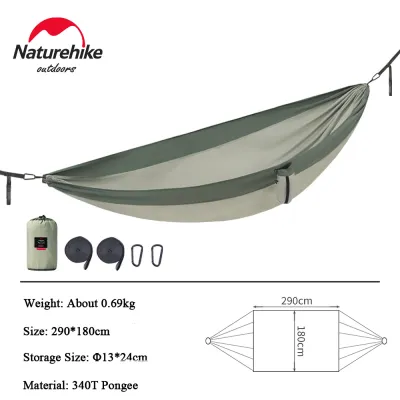
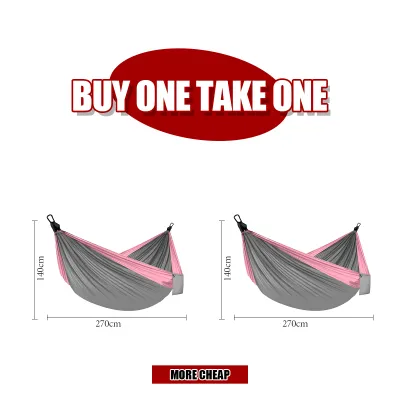
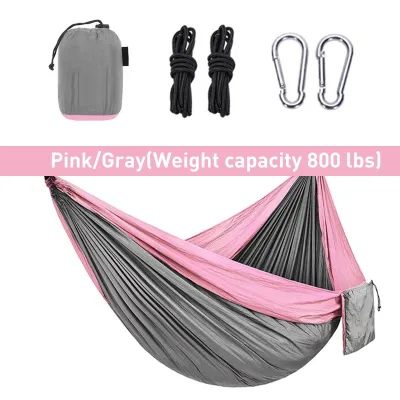
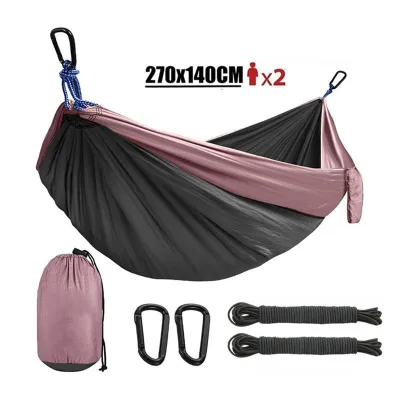

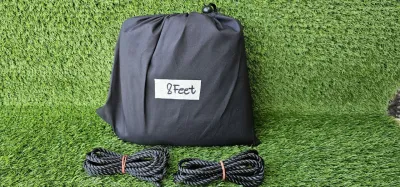
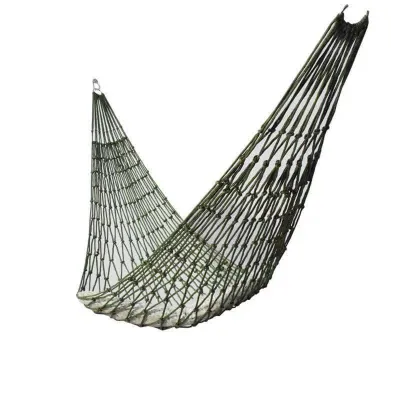
Prices are valid at publication and may change. Please refer to the product page for the latest price.
To ensure safety, look for manufacturers that specify a safety multiplier or reference certified load testing. Reliable heavy-duty brands often design their products to withstand forces several times higher than the advertised weight limit. If a product listing only provides a single, round number with no mention of testing methods, treat that limit with caution.
Additionally, remember that a hammock is only as strong as its weakest link. You must verify that the rated capacity of all suspension hardware—including carabiners, tree straps, and ropes—matches or exceeds the hammock bed’s maximum limit. If you pair a high-capacity hammock with low-grade straps, the entire system’s safe capacity drops to the limit of those straps, risking a sudden single-point failure.
Fabric Denier, Weave, and Weather Resistance
Fabric durability is primarily determined by denier count and weave style. Denier measures the thickness of the individual threads used to weave the fabric. For a heavy-duty outdoor hammock, look for high denier ratings, which indicate thicker, more robust yarns that resist tearing and stretching over time.

The weave pattern also plays a critical role in structural integrity. A ripstop weave is highly recommended for outdoor use. This technique weaves stronger threads at regular intervals into a grid pattern, which effectively stops small punctures or snags from spreading into large, dangerous tears while you are suspended.
In tropical environments, raw fabric strength is not enough to guarantee survival against the elements. Constant exposure to intense sunlight and heavy rain will rapidly degrade untreated nylon or polyester. Ensure the specifications explicitly mention UV inhibitors and water-repellent coatings to prevent the fibers from becoming brittle and weak.
However, there is a trade-off between heavy-duty waterproofing and breathability. Thick, heavily coated fabrics can trap heat and sweat, making them uncomfortable in warm, humid weather. For optimal comfort in tropical climates, look for a breathable fabric that allows airflow but features a quick-drying finish to handle sudden afternoon showers.
Frame Materials and Suspension Hardware
If you plan to use a freestanding hammock, the frame’s structural specifications are just as important as the fabric. Compare common frame materials like powder-coated steel and treated aluminum. Powder-coated steel offers excellent structural rigidity and weight capacity, but you must regularly check the finish for chips to prevent rust. Treated aluminum is lighter and naturally rust-resistant, though it may require thicker tubing to match the weight capacity of steel.
Pay close attention to the wall thickness of the metal tubing and the design of the joints. Heavy-duty stands feature thick-walled tubing and reinforced interlocking joints that do not bend or wobble under shifting loads. Avoid thin, lightweight frames that flex visibly when weight is applied.
Hardware grades are another critical factor in preventing structural failure. Prioritize marine-grade stainless steel or heavily galvanized steel components over basic zinc-plated hardware. Zinc plating quickly wears away in humid or coastal air, leading to deep rust that compromises the strength of hooks, chains, and carabiners.
Finally, evaluate the stand’s physical footprint and weight distribution. A heavy-duty stand requires a wide, stable base and a low center of gravity to prevent tipping. Check the footprint dimensions to ensure the stand can sit securely on your specific outdoor surface, whether it is a flat concrete patio or uneven garden grass.
Space, Dimensions, and Installation Checks
Before finalizing your purchase, measure your available outdoor space to ensure a safe installation. A heavy-duty hammock requires a specific hanging distance and height clearance to achieve the proper sag. If you stretch the hammock too tight to fit a small space, you place immense horizontal tension on the mounting points; if it is too loose, you will bottom out on the ground.
Verify the structural integrity of your intended mounting points before hanging the hammock. If you are using trees, ensure the trunks are mature, healthy, and meet a safe, robust diameter. For architectural posts, pergolas, or wall anchors, verify they are rated to handle lateral pulling forces, not just vertical weight.
You must also decide between a gathered-end and a spreader-bar design. Gathered-end hammocks naturally cocoon the body and require less horizontal tension, making them highly stable and forgiving of minor installation variances. Spreader-bar designs keep the bed flat and open, but they require a wider hanging footprint and precise tensioning to prevent the hammock from flipping over.
Frequently Asked Questions (FAQ)
Does a higher fabric denier always mean a more comfortable hammock?
Not necessarily. While a higher denier increases tear resistance and overall durability, it can also make the fabric stiffer and less breathable. For a balance of strength and comfort, look for a moderate-to-high denier ripstop nylon or consider a double-layer design. Double-layer hammocks use two lighter fabric sheets stitched together, providing high weight capacity while maintaining a soft, flexible feel against your skin.
How often should I inspect the suspension straps and hardware?
You should perform a quick visual and physical inspection before every single use, especially if the hammock is left outdoors. Look for signs of wear such as fraying webbing, loose stitching, rust spots on metal joints, or fading fabric colors that indicate UV degradation. At least once a month, conduct a thorough check of all connection points, carabiners, and frame joints to ensure no components have deformed or weakened.
Community discussion
Share your experience or ask a question. Comments are reviewed before publication.