
A true heavy-duty outdoor hammock is defined by its ability to safely support high weight capacities—typically starting at 180 to 220 kilograms (approximately 400 to 500 pounds)—while resisting environmental wear. In the tropical climate of the Philippines, where intense sun exposure alternates with high humidity and sudden heavy rains, choosing a hammock outdoor heavy duty model requires looking past marketing buzzwords. You must evaluate specific fabric denier, reinforced stitching patterns, and load-rated metal hardware to ensure safety and long-term durability.
Decoding the 'Heavy Duty' Label: Beyond Marketing Claims
The term ‘heavy duty’ is frequently used on packaging and online listings, but it is not a standardized or universally regulated industry certification. Anyone can print this label on a product box, which makes it essential to look for verifiable manufacturer specifications and documented testing standards. When shopping, ignore generic claims and instead look for static load test results or official weight ratings provided in the product documentation.
Evaluating a hammock’s true durability requires looking at three distinct structural pillars. First is the weight capacity, which must account for both resting weight and the dynamic forces of movement. Second is fabric resilience, particularly how well the material handles moisture, UV radiation, and physical tension without tearing. Third is the structural hardware, including the ropes, straps, and carabiners that secure the assembly to its anchor points.
Products mentioned in this guide
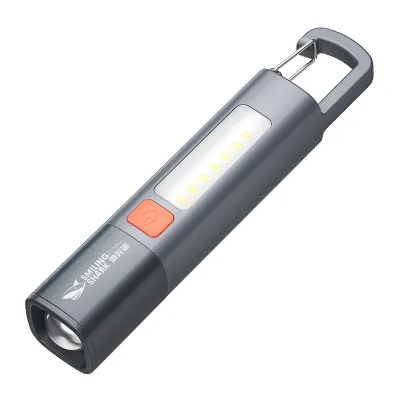
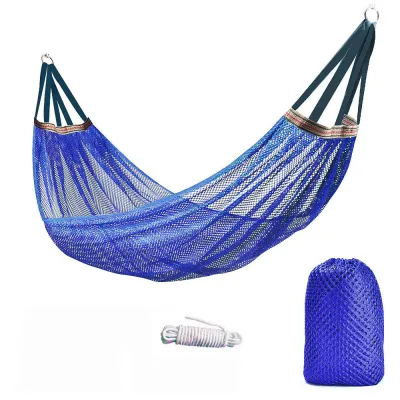
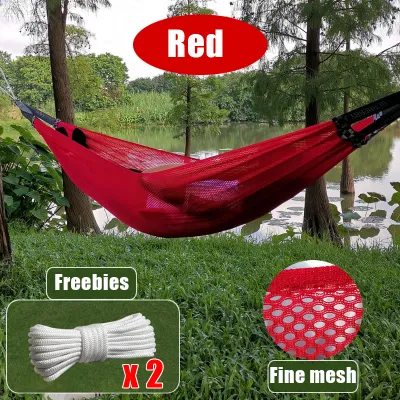
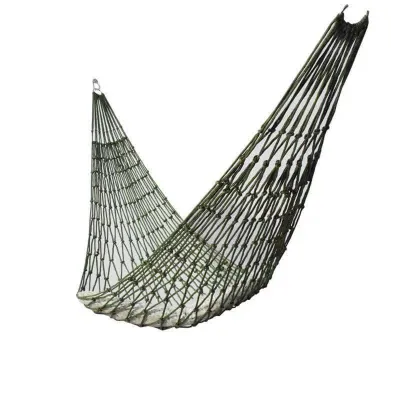
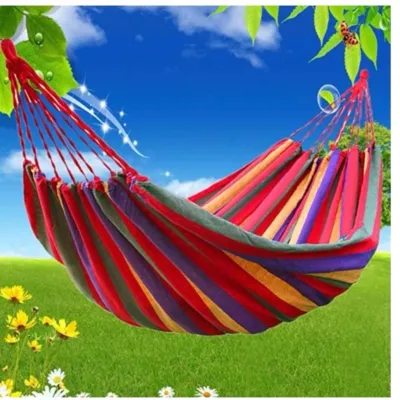
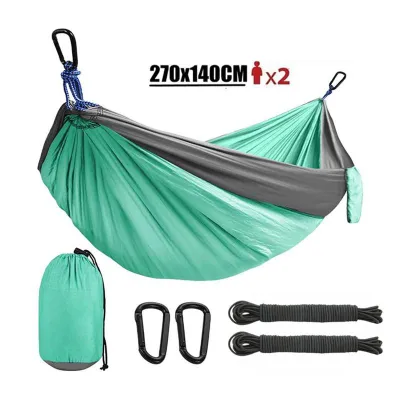
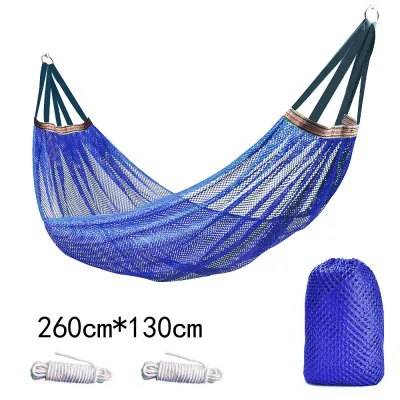
Prices are valid at publication and may change. Please refer to the product page for the latest price.
Weight Capacity Specs: Rated Limits vs. Safe Working Load
Understanding weight specifications requires distinguishing between ‘maximum weight capacity’ and ‘safe working load.’ Maximum weight capacity is the absolute static limit a hammock can support under laboratory conditions before structural failure occurs. In contrast, the safe working load is the recommended weight limit for daily, real-world use. This lower figure accounts for dynamic forces—the sudden spikes in tension that occur when you sit down, shift your body, swing, or get out of the hammock.

Because dynamic movement multiplies the force exerted on the fabric and anchors, you must build in a safety margin when choosing a hammock. If the combined weight of the intended users is 120 kilograms, selecting a hammock rated for exactly 120 kilograms is a safety risk. Instead, aim for a capacity that is at least 30% to 50% higher than the maximum expected weight. For two adults sharing a double hammock, a rating of 200 to 250 kilograms provides a secure buffer.
To find reliable ratings, check the sewn-in product tags, official user manuals, or the manufacturer’s technical specifications sheet. Never assume that a physically larger hammock automatically supports more weight. A wide double hammock designed for sprawling out may have the same weight limit as a narrower single model if they use the same fabric and hardware.
Material Specs: Evaluating Fabric Durability in Humid Climates
A common mistake is assuming that a specific material name automatically guarantees weather resistance or durability. In reality, a material’s performance depends heavily on its weave, thickness, and chemical treatments. In humid, tropical environments, untreated fabrics can degrade rapidly due to moisture retention and intense solar exposure. Always check the care label for specific protective treatments, such as UV inhibitors, water-repellent finishes, or anti-microbial coatings, which prevent the degradation of the underlying fibers.
Synthetic Blends (Nylon and Polyester)
Polyester and nylon are the most common synthetic materials used in heavy-duty outdoor hammocks. Polyester is highly valued for its resistance to stretching under load and its natural ability to withstand UV degradation from intense sunlight. Nylon, particularly high-density parachute nylon, offers exceptional tensile strength and a softer, more flexible feel. However, nylon tends to stretch more than polyester and can degrade faster under direct sunlight if it lacks a UV-resistant coating. When evaluating synthetics for humid, rain-prone settings, verify that the product label explicitly states quick-drying and mold-resistant properties to prevent structural weakening over time.
Natural Fibers (Cotton and Canvas)
Cotton and canvas hammocks are popular for their breathability, soft texture, and classic aesthetic. However, natural fibers present significant maintenance challenges when used outdoors in tropical climates. Cotton and canvas absorb moisture readily and dry slowly, making them highly susceptible to mold, mildew, and rot if left exposed to rain or high humidity. To maintain their structural integrity and prevent dangerous fiber rot, you must follow strict care guidelines. This includes taking the hammock down and storing it indoors during heavy rains, ensuring it is completely dry before folding, and regularly inspecting the fibers for signs of weakening or discoloration.
Construction and Hardware: Inspecting the Hidden Strength Indicators
Even the strongest fabric will fail if the seams and hardware cannot support the load. Before purchasing, perform a close physical inspection of the hammock’s build quality, focusing on key stress points.
Stitching Examine the seams where fabric panels meet and where the ends gather. High-quality heavy-duty hammocks feature reinforced, multi-layered stitching. Look for triple-stitched seams or specialized bartack stitching—a tight, zigzag pattern used to reinforce high-stress areas—rather than a single straight line of thread. If you see loose threads, uneven spacing, or single-stitched edges, the hammock is unlikely to support its rated capacity safely over time.
Suspension Ropes and End Loops The ropes or webbing straps connecting the fabric bed to your anchor points are critical safety links. Verify that the end loops are thick, tightly braided, and reinforced with a metal or durable plastic sleeve (known as a thimble) to prevent friction wear. If using suspension straps, look for low-stretch polyester webbing with reinforced loop pockets rather than thin nylon straps that sag under weight.
Hardware (Carabiners and Rings) The metal hardware must be explicitly rated for load-bearing use. Look for heavy-duty steel carabiners or solid steel O-rings designed for climbing, rigging, or heavy-duty outdoor applications. Avoid lightweight, decorative aluminum clips, which can easily deform or snap under dynamic loads. Because tropical humidity accelerates rust, verify that all metal components feature rust-resistant coatings, such as hot-dip galvanization, powder coating, or marine-grade stainless steel.
Installation Specs: Matching the Hammock to Your Anchor Points
A heavy-duty hammock is only as safe as its installation. Even a model rated for 300 kilograms will fail if it is anchored to a weak support structure or hung at an incorrect angle. Always prioritize safety by checking both the product’s label and your mounting surfaces before setup.
Anchor Strength Ensure that your trees, wooden posts, or wall mounts can easily bear the dynamic weight of the occupants. Mature, healthy trees should have a trunk diameter of at least 15 centimeters. If you are installing wall mounts in a home or balcony, use heavy-duty expansion bolts anchored directly into solid masonry or structural concrete, never into hollow blocks or drywall. If you use a freestanding hammock stand, verify that the stand’s weight rating matches or exceeds the hammock’s capacity, and ensure it sits on a flat, stable surface to prevent tipping.
Clearance and Hang Angle The tension on your hammock and anchors increases dramatically as the hang angle becomes flatter. To prevent overstressing the fabric and hardware, aim for a hanging angle of approximately 30 degrees from the horizontal. This creates a natural, supportive curve (sag) that distributes weight evenly. Always refer to the manufacturer’s guidelines for the recommended hanging distance and height.
Space Verification Before finalizing your setup, measure your available outdoor space, whether it is a garden, patio, or apartment balcony. Ensure there is adequate clearance from walls, railings, sharp corners, or glass doors. You need enough space to safely enter and exit the hammock without colliding with surrounding objects, leaving a clear safety zone of at least one meter around the entire perimeter.
Frequently Asked Questions (FAQ)
Is a higher weight capacity always better for a single user?
While a higher weight capacity offers a larger safety margin, it is not always the best choice for a single, lighter user. Heavy-duty hammocks designed for high weight limits often use thicker, high-denier fabrics and bulkier hardware. This added thickness can make the fabric stiff, less breathable, and harder to pack for travel. For a single user who does not require extreme weight limits, a standard-capacity hammock made of breathable, lightweight nylon may offer superior comfort and portability.
Do I need a special stand for a heavy-duty hammock?
Yes, if you plan to use a stand, it must be explicitly rated to match or exceed both the hammock’s maximum weight capacity and its physical length. Standard or budget-friendly stands are often designed for lightweight single hammocks and can bend, buckle, or tip over under heavy dynamic loads. Always verify the stand’s specifications, ensure it features a wide, stable base, and check that the hook attachments are compatible with your hammock’s end loops.
Community discussion
Share your experience or ask a question. Comments are reviewed before publication.