
Finding the best heavy-duty steel hanging cabinets for kitchen storage in the Philippines requires looking past generic marketing buzzwords and focusing on verifiable physical specifications. In a tropical climate characterized by high humidity and salt-laden air, standard wooden or medium-density fiberboard (MDF) cabinets can warp, swell, or harbor mold. Heavy-duty steel cabinets offer an exceptionally durable alternative, provided you select the right grade of steel, verify the protective finish, and secure them with appropriate masonry anchors.
To make an informed decision, you must evaluate the steel gauge, check the load capacity ratings on official product labels, and ensure your kitchen walls can support the combined weight of the cabinet and your heaviest cookware. This guide outlines the essential steps to select, install, and maintain these robust storage solutions safely.
Why Choose Steel for Heavy-Duty Kitchen Storage?
Wood and MDF are highly susceptible to moisture absorption, especially in tropical regions where relative humidity levels frequently soar. Over time, moisture causes wood fibers to expand, leading to sagging shelves, misaligned doors, and weakened joints. Steel, by contrast, possesses high structural rigidity and does not absorb moisture, making it immune to swelling, warping, and rot. This structural integrity is crucial when you plan to store heavy kitchen items like cast-iron skillets, clay pots, and countertop appliances.
Products mentioned in this guide
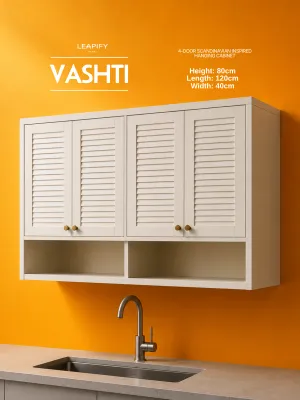

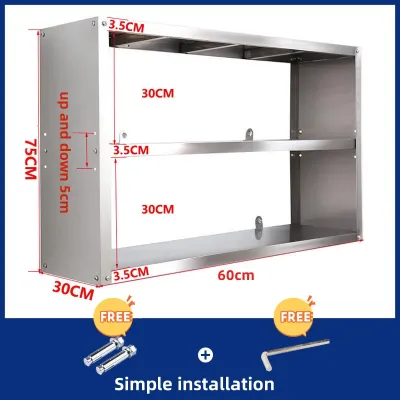
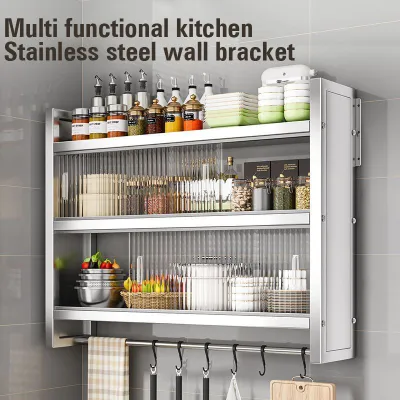
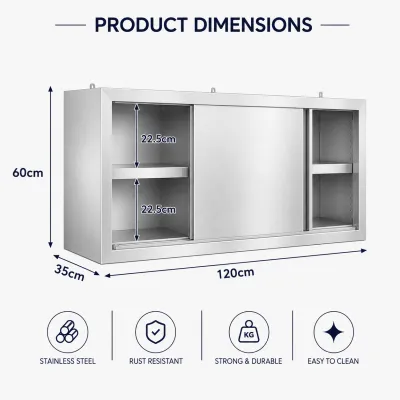
Prices are valid at publication and may change. Please refer to the product page for the latest price.
Hanging steel cabinets are particularly well-suited for overhead storage of heavy culinary equipment. Storing heavy pots, pans, and appliances off the countertop frees up valuable workspace. Because steel does not bend easily under distributed loads, it provides a stable platform for items that might otherwise cause wooden shelves to bow over time.
However, steel cabinets are not without their drawbacks. They are susceptible to surface dents if struck by heavy objects, and the metal-on-metal contact can create significant noise during daily use. Additionally, steel requires specific cleaning methods to preserve its protective coating; using the wrong cleaning agents can strip the finish and expose the underlying metal to rust.
Core Specifications to Check Before Buying
Before purchasing any hanging cabinet, you must measure your available wall space with precision. Start by measuring the width, height, and depth of the intended installation area. Pay close attention to depth clearance; a cabinet that is too deep can obstruct your view of the countertop or interfere with your head movement while cooking. Furthermore, map out the door swing paths to ensure the cabinet doors can open fully without hitting light fixtures, range hoods, or adjacent walls.

The strength of a steel cabinet is directly related to the thickness of the metal, which is measured in gauges. A lower gauge number indicates thicker, stronger steel. For heavy-duty kitchen storage, look for cabinets constructed from 18-gauge to 22-gauge steel. Avoid thin, utility-grade steel (such as 24-gauge or higher) for overhead storage of heavy items, as these thinner sheets are more prone to flexing and denting. Always verify these measurements on the manufacturer’s official specification sheet rather than relying on vague product descriptions like “ultra-strong” or “industrial-grade.”
Evaluate the internal configuration of the cabinet. Adjustable shelves allow you to customize the interior space to accommodate tall stockpots or stackable containers. Look for robust shelf support clips made of steel rather than plastic. The door hinge mechanisms should also be heavy-duty; self-closing or soft-closing hinges help prevent slamming, which can vibrate the entire unit and loosen mounting hardware over time.
The finish is your cabinet’s primary defense against rust and corrosion. In humid environments, a high-quality powder-coated finish is highly recommended. Powder coating involves applying a dry powder electrostatically and curing it under heat to create a hard, continuous barrier. This finish is significantly more resistant to chipping, scratching, and moisture than standard liquid paint. When reviewing product labels, check for terms like “powder-coated steel” or “epoxy finish” and verify if the manufacturer specifies rust-resistant properties.
Installation, Wall Types, and Weight Limits
The safety of a hanging steel cabinet depends entirely on the wall it is mounted to and the anchoring system used. In the Philippines, kitchen walls are commonly constructed from solid concrete, hollow concrete blocks, or drywall over metal studs. Solid concrete provides the most secure foundation for heavy-duty cabinets, allowing you to use expansion anchors that grip the masonry tightly. Hollow blocks require specialized toggle bolts or sleeve anchors designed to expand within the block’s cavity. Drywall installations are the most challenging and require you to anchor the cabinet directly into the wall studs; never rely on drywall anchors alone to support a heavy-duty cabinet.
When mounting to concrete or masonry, use high-quality steel sleeve anchors or masonry screws. If you are mounting to a stud wall, use a stud finder to locate the exact center of the wooden or metal studs, and secure the cabinet using heavy-duty lag screws. If you are unsure about your wall’s structural integrity or lack the specialized tools required for masonry drilling, stop and consult a professional contractor. A poorly installed overhead cabinet poses a severe safety hazard.
To prevent structural failure, you must calculate the total load the wall and cabinet will bear. Use this simple formula:
Total Load = Cabinet Weight + Weight of Stored Items
Compare this total against the manufacturer’s stated maximum weight capacity. Never exceed this limit. When loading the cabinet, distribute the weight evenly across the shelves, placing the heaviest items on the bottom shelf to keep the center of gravity low and reduce stress on the upper mounting brackets.
Installing a heavy steel cabinet is a multi-person job. You will need a hammer drill (for concrete), masonry drill bits, a level, a socket wrench, and safety gear including protective eyewear and gloves. Always have at least one assistant help lift and hold the cabinet in place while you verify it is level and secure the first anchors.
Maintaining and Cleaning Steel Kitchen Cabinets
To keep your steel cabinets looking pristine and to prevent grease buildup, establish a regular cleaning routine. Use mild, non-abrasive cleaning agents such as a mixture of warm water and a few drops of dishwashing liquid. Apply the solution with a soft microfiber cloth, wiping in the direction of the steel’s grain if applicable. This gentle method effectively removes kitchen grease and food splatters without scratching the protective finish.
Avoid using harsh chemicals, bleach, ammonia, or abrasive scrubbing pads like steel wool. These materials can micro-scratch the powder-coated or painted surface, creating tiny pathways for moisture to reach the raw steel underneath. Additionally, do not allow water to pool in the corners or seams of the cabinet; always dry the surfaces thoroughly with a clean towel after cleaning.
Periodically inspect the cabinet’s structural components. Check the mounting screws and wall anchors every few months to ensure they remain tight and flush against the wall. If you notice any play or movement when opening the cabinet doors, tighten the hardware immediately. Lubricate the door hinges with a small drop of silicone-based lubricant to keep them operating smoothly and quietly.
If the protective finish becomes scratched, address it promptly to prevent rust from forming. Clean the scratched area thoroughly, let it dry, and apply a matching touch-up paint recommended by the manufacturer. In high-humidity coastal areas, applying a thin layer of specialized appliance wax to the exterior surfaces can provide an extra layer of protection against moisture and salt air.
Building Your Shortlist: What to Verify on Product Labels
When browsing online marketplaces or visiting local home improvement stores, create a comparison spreadsheet to evaluate your options. Look for explicit weight capacity ratings (expressed in kilograms) and steel thickness specifications on the product packaging or official store pages. If a product listing lacks these details and only uses generic marketing terms, exclude it from your shortlist.
A reliable manufacturer should stand behind their product with a clear warranty. Check the warranty terms specifically covering structural failure, rust development, and hardware defects. A longer warranty period often indicates higher manufacturing standards and better-quality materials.
Cross-reference customer reviews on ecommerce platforms to identify recurring issues. Look for feedback regarding sagging shelves under load, misaligned door panels, or difficult assembly instructions. Pay close attention to reviews from buyers who have owned the cabinet for several months, as they can provide valuable insights into how the finish holds up against humidity and daily wear. Ignore unverified, overly enthusiastic reviews that lack specific details.
To determine the best value, use a standardized comparison framework. Calculate the price in ₱ per cubic foot of storage space using this formula:
Value Metric = Price in ₱ / (Width x Height x Depth in feet)
Additionally, factor in delivery conditions and return policies. Heavy steel cabinets are bulky and expensive to ship; check if the seller offers secure delivery options to your region and what the return process entails if the unit arrives damaged.
Frequently Asked Questions (FAQ)
Can I install a heavy-duty steel cabinet on a tiled kitchen wall?
Yes, but it requires extreme care to avoid cracking the tiles. You must use a specialized glass and tile drill bit to penetrate the ceramic or porcelain layer without applying excessive pressure. Once you pass through the tile, switch to a standard masonry bit to drill into the concrete wall behind it. Ensure your wall anchors are long enough to pass completely through the tile and adhesive layers, anchoring securely into the solid wall structure. If you do not have experience drilling through tile, hiring a professional is highly recommended.
How do I prevent items from sliding or making noise on steel shelves?
To manage the hard, slippery surface of steel shelves, install non-slip shelf liners or silicone mats. These liners provide traction, preventing glass jars and metal pots from sliding when you open or close the cabinet doors. They also act as a sound dampener, significantly reducing the clatter of cookware. Additionally, using thick liners protects the steel’s powder-coated finish from scratches caused by sliding heavy cast-iron pans or stainless steel appliances.
Community discussion
Share your experience or ask a question. Comments are reviewed before publication.