
Finding a reliable swivel chair heavy duty option in the Philippines requires balancing structural safety with your budget. Standard office chairs often fail prematurely under heavy daily use, especially in humid tropical climates that degrade materials. To make a smart investment, you must look past aesthetic features and focus on weight capacity, gas lift ratings, and base materials.
This guide breaks down what to expect across three distinct price tiers—₱3,000, ₱5,000 to ₱8,000, and ₱10,000 to ₱15,000—so you can find a durable chair that fits both your body and your budget.
What Actually Makes a Swivel Chair "Heavy-Duty"?
Many chairs sold online claim to be heavy-duty, but true durability relies on certified engineering rather than marketing titles. A standard office chair is typically designed for a maximum weight capacity of 90kg to 100kg. In contrast, a genuine heavy-duty swivel chair is built to safely support 130kg, 150kg, or even up to 200kg over extended periods of daily use.
Products mentioned in this guide
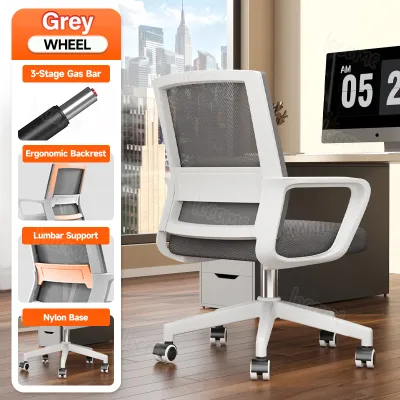
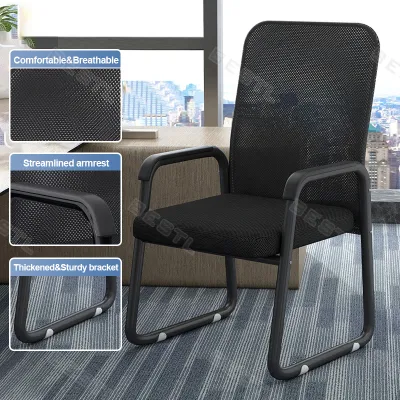
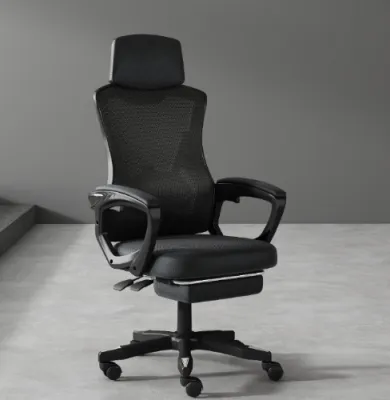
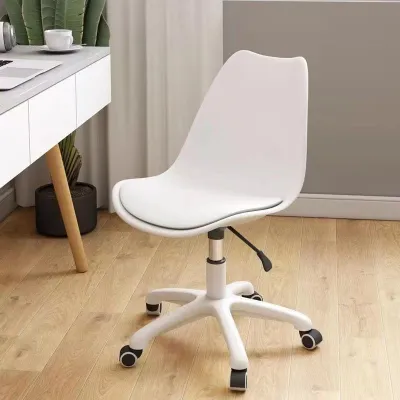
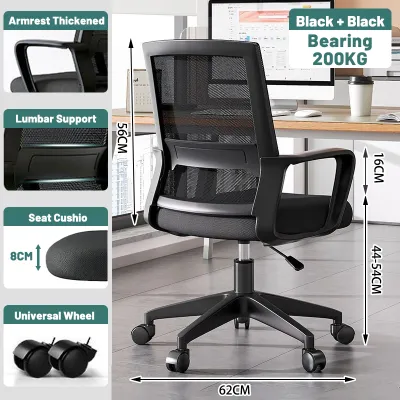
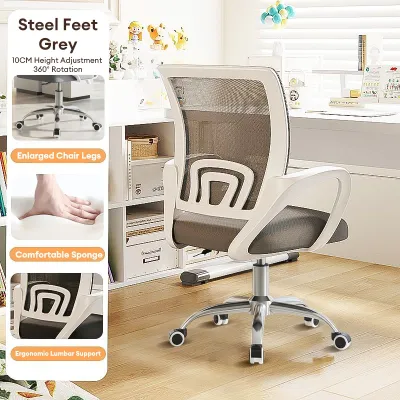
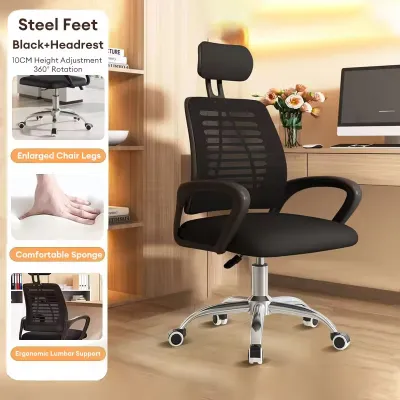
Prices are valid at publication and may change. Please refer to the product page for the latest price.
The most critical component of any heavy-duty chair is the gas lift cylinder, which regulates height and absorbs the impact of sitting down. Look for chairs that explicitly specify a Class 3 or Class 4 gas lift cylinder. Class 4 cylinders feature thicker steel walls and superior internal seals compared to Class 1 or Class 2 models, allowing them to withstand higher dynamic loads without sinking over time.
Beyond the gas lift, the base and seat mechanism must be exceptionally robust. Heavy-duty models utilize reinforced steel or solid die-cast aluminum bases rather than standard, unreinforced nylon. The seat plate—the metal mechanism directly beneath the cushion—should consist of thickened steel to distribute weight evenly and prevent the cylinder from puncturing the seat structure.
Do not rely on vague product titles that use terms like “heavy-duty” or “max load” without providing verifiable specifications. Always check the manufacturer’s official product label, user manual, or technical datasheet to confirm the certified weight rating. Additionally, look for a wider base footprint (usually 65cm to 70cm in diameter) to ensure stability and prevent the chair from tipping over when you lean back or move dynamically.
The ₱3,000 Budget: Entry-Level Expectations and Safety Trade-offs
At the ₱3,000 price point, finding a swivel chair heavy duty option requires managing expectations and prioritizing structural safety over advanced features. At this entry-level tier, you will primarily find chairs constructed with basic high-density foam cushions, standard polyester mesh or thin polyurethane (PU) leather upholstery, and nylon bases that may feature minor metal reinforcements inside the hub.

To stay within this budget, you must accept several compromises. Ergonomic adjustments are highly limited, usually restricted to basic height adjustment and a simple tilt-lock mechanism with fixed armrests. Furthermore, these entry-level models rarely come with comprehensive warranties, often offering only a 7-day replacement window or a very limited 3-month warranty on the gas lift.
Safety must be your primary filter when shopping in this price range. Before purchasing, check the product specifications to confirm the exact weight capacity, and verify that the seat underside features a thick steel explosion-proof plate. This plate is a crucial safety barrier that prevents the gas cylinder from breaching the seat cushion in the rare event of a pressurized seal failure. Additionally, confirm the seller’s return and replacement policy in case the base cracks or the cylinder begins to sag within the first few weeks.
Your best purchasing strategy at this tier is to choose simplicity. Avoid chairs that promise complex features like footrests, massage pillows, or elaborate gaming designs at this price, as these features divert manufacturing budget away from structural safety. Instead, prioritize a plain, sturdy mesh chair with a verified weight rating and a thick steel seat mechanism.
The ₱5,000 to ₱8,000 Budget: Mid-Range Upgrades and Durability
Stepping up to the ₱5,000 to ₱8,000 budget tier yields a significant improvement in build quality, material lifespan, and ergonomic adjustability. In this mid-range segment, chairs transition from basic nylon to heavy-duty reinforced nylon or solid aluminum alloy bases. You will also find reliable Class 3 gas cylinders as a standard feature, along with multi-dimensional adjustable armrests and dedicated lumbar support systems.
Material selection becomes critical in this price range, especially under heavy daily use in the Philippine climate. Cheap foam cushions compress permanently over time, leading to discomfort and poor posture. Look for chairs featuring high-resilience molded foam or high-tensile mesh. Molded foam retains its shape and supportive properties far longer than cut foam, while high-tensile mesh provides excellent breathability to keep you cool in non-airconditioned rooms while resisting sagging under heavy loads.
While this tier offers excellent value, you will still encounter some trade-offs. Most chairs in this range lack advanced synchronous tilt mechanisms, which allow the backrest and seat to recline at a synchronized ratio for optimal spinal alignment. You may also miss out on adjustable seat depth sliders or multi-year structural warranties that cover the entirety of the chair’s moving parts.
To maximize your investment, actively look for chairs that state certified gas lift standards such as BIFMA, SGS, or TÜV Rheinland markings. Ensure the seller provides at least a 1-to-2-year warranty that explicitly covers the gas cylinder, caster wheels, and tilt mechanism. This warranty coverage is a strong indicator that the manufacturer has confidence in the chair’s mid-term durability.
The ₱10,000 to ₱15,000 Budget: Premium Build and Long-Term Value
Investing ₱10,000 to ₱15,000 secures a premium heavy-duty swivel chair designed for long-term comfort, intensive daily use, and superior structural integrity. At this level, chairs feature top-tier Class 4 gas cylinders, fully integrated aluminum or steel frames, and advanced synchronous tilt mechanisms with weight-sensing tension control that automatically adjusts resistance based on your body weight.
The ergonomic and structural benefits of this tier are substantial. These chairs offer excellent load distribution across the seat and backrest, reducing pressure points that cause fatigue during long working hours. The connection points between the seat, armrests, and backrest are heavily reinforced with steel brackets, and you will find highly customizable features such as adjustable seat depth sliders, multi-directional armrests, and heavy-duty adjustable headrests.
One of the most significant advantages of this premium tier is the after-sales support. Reputable brands in this price range typically offer comprehensive warranties spanning 3 to 5 years, or even longer. These warranties cover the structural frame, the gas lift cylinder, and the mechanical tilt components, ensuring that your investment is protected against premature wear and manufacturing defects.
Before making a purchase at this tier, perform essential spatial checks. Premium heavy-duty chairs often feature wider bases and bulkier frames to maximize stability. Measure your doorways, hallway clearances, and elevator access to ensure the packaged box can reach your workspace. Additionally, verify that the chair’s armrests and overall base diameter can roll smoothly under your desk without colliding with drawers or table legs.
Final Checkout Checklist: Hidden Costs and Space Verification
To ensure a smooth purchasing experience and avoid buyer’s remorse, use this final checklist before completing your order:
- Weight Capacity Buffer: Always maintain a 15kg to 20kg buffer between your actual body weight and the chair's maximum rated capacity. If you weigh 110kg, look for a chair rated for at least 130kg to prevent premature wear on the gas lift and seat mesh.
- Shipping and Freight Fees: Heavy-duty chairs are heavy, often weighing between 18kg and 25kg. If you are ordering online for delivery to provincial areas outside Metro Manila, check the shipping fees early in the checkout process, as freight charges can add a significant amount to your total cost.
- Assembly Requirements: Confirm whether the chair comes pre-assembled or requires DIY assembly. If assembling it yourself, ensure the package includes all necessary hex keys and clear instructions, or check if the seller offers an optional assembly service for a small fee.
- Workspace Dimensions: Double-check the chair's outer dimensions, including the maximum height of the armrests and the total width of the five-star base. Ensure your desk has enough clearance to tuck the chair in when it is not in use.
- Warranty Terms: Read the fine print of the warranty card. Verify if the warranty is voided by commercial use, and ensure you keep the original receipt and warranty document in a safe place.
Frequently Asked Questions (FAQ)
How do I know if a gas lift cylinder is safe for heavy use?
To verify if a gas lift cylinder is safe, look for the class rating stamped directly onto the metal surface of the cylinder. Safe, heavy-duty chairs use Class 3 or Class 4 cylinders certified by recognized international bodies such as SGS, BIFMA, or TÜV. Avoid cylinders that are completely encased in plastic sleeves without visible markings, as well as unbranded components that lack official safety certifications.
Can I upgrade the wheels on a heavy-duty swivel chair?
Yes, you can upgrade the wheels, but you must first confirm the stem size of your chair’s casters, which is typically a standard 11mm diameter. Replacing cheap plastic wheels with heavy-duty rollerblade-style polyurethane casters can protect your flooring and improve mobility under heavy loads. However, check with the manufacturer first, as modifying the base components can sometimes void your structural warranty.
Why does my heavy-duty chair squeak, and is it a safety risk?
Squeaking is common and usually caused by friction in the metal joints or loose bolts in the tilt mechanism. This is generally not a safety hazard and can be resolved by tightening the bolts and applying a small amount of lubricant, such as lithium grease, to the moving parts. However, if you hear loud cracking sounds, experience sudden height drops, or notice the chair leaning permanently to one side, stop using it immediately, as these are signs of structural or cylinder failure.
Community discussion
Share your experience or ask a question. Comments are reviewed before publication.