
Deciding between heavy-duty and regular plastic storage containers depends on what you are storing, where you are keeping it, and how high you plan to stack it. While standard boxes are excellent for lightweight household items, heavy-duty options prevent costly collapses when dealing with dense loads or challenging environments.
Standard plastic containers are excellent for everyday household organization, but they have physical limits. Heavy-duty alternatives offer structural reinforcements designed to withstand extreme weight and harsh environmental conditions. Understanding these differences helps you protect your belongings and avoid spending more money than necessary.
Key Structural Differences to Look For
To make an informed choice, you must look past marketing labels and inspect the physical design of the storage box plastic container. The most reliable indicator of a heavy-duty container is its wall thickness. Heavy-duty bins use thick, high-density plastics that do not flex easily when you press against the sides, whereas standard boxes have thin, pliable walls that bow under light pressure.
Products mentioned in this guide
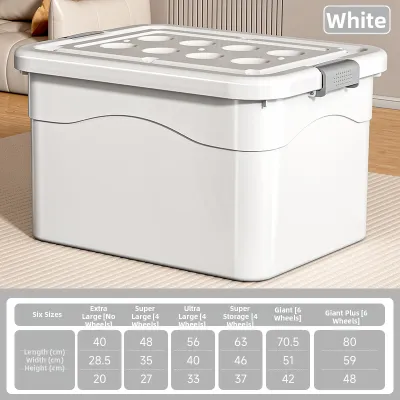
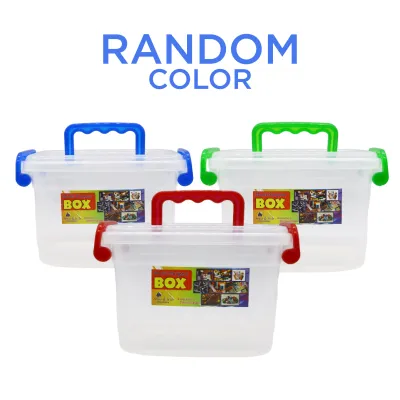
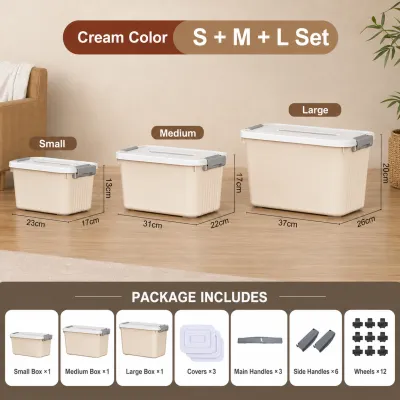
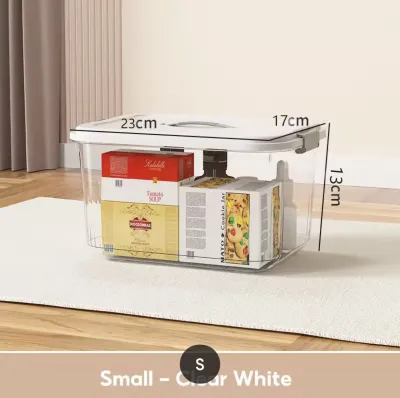
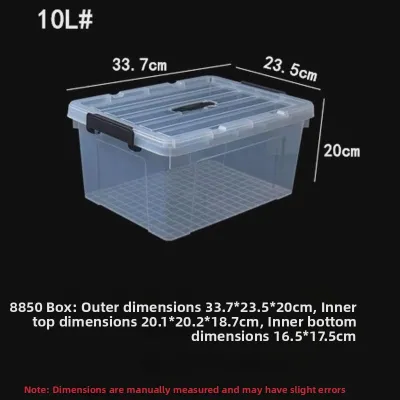
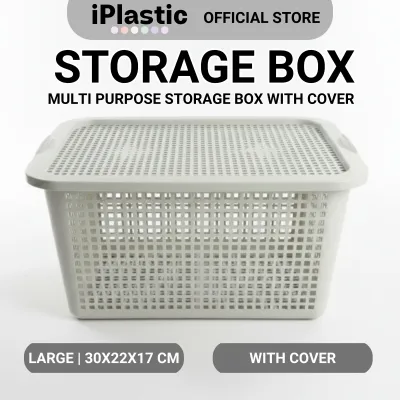
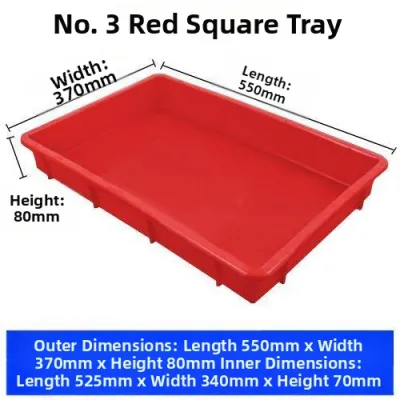
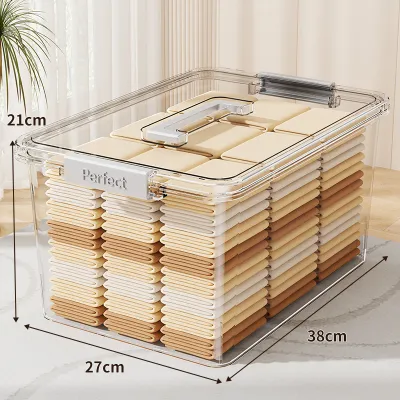
Prices are valid at publication and may change. Please refer to the product page for the latest price.
Another critical feature is structural ribbing. Look for molded plastic columns, grids, or deep ridges along the corners and walls of the container. These ribs act as load-bearing pillars, distributing vertical weight downward to prevent the container from buckling when stacked. Standard boxes usually have smooth, flat walls that offer very little resistance to vertical compression.
Lid design and locking mechanisms also set these two categories apart. Heavy-duty containers feature robust, thick lids with deep recessed channels that allow the bases of other bins to nest securely inside them. They also utilize heavy-duty latches, snap-locks, or even padlock eyes for added security. Standard containers typically rely on simple snap-on lids that can easily pop off if the box is overfilled or dropped.
Finally, examine the base and handle construction. A heavy-duty storage box plastic container will have a reinforced grid pattern on its underside to prevent the bottom from sagging under heavy loads. The handles are usually molded directly into the reinforced rim of the box, ensuring they will not tear or snap when you lift a fully loaded bin. Standard boxes often feature simple plastic lips that can pinch your fingers or crack under moderate weight.
Signs You Need Heavy-Duty Plastic Storage Containers
Certain storage scenarios demand the uncompromising strength of heavy-duty containers to prevent damage and ensure safety. If you are storing high-density, heavy items, standard plastic boxes are highly likely to fail. Items such as metal hardware, automotive tools, heavy books, ceramic tiles, or large bottles of liquids exert immense downward and outward pressure that will quickly crack standard plastic.

Vertical stacking requirements are another major factor. When you stack multiple containers to maximize floor space in a garage, utility room, or storage unit, the bottom container bears the weight of everything above it. Standard boxes are prone to structural fatigue; over time, the bottom box’s lid will bow inward, causing the entire stack to lean and eventually collapse. Heavy-duty bins are specifically engineered to support significant vertical loads over long periods.
Environmental conditions also play a massive role in plastic durability. In the tropical climate of the Philippines, storage spaces like garages, attics, outdoor sheds, and laundry areas experience high ambient heat and humidity. Prolonged exposure to heat softens standard plastics, making them highly susceptible to warping, cracking, and degradation under load. Heavy-duty containers are often made from impact-resistant resins that maintain their structural integrity despite temperature fluctuations.
Lastly, consider how often the containers will be handled or transported. If you frequently move your storage boxes for work, outdoor activities, or home renovations, they will inevitably experience rough handling, drops, and friction. Standard boxes can easily crack upon impact, especially at the corners. Heavy-duty containers are designed to absorb shocks and resist punctures, making them the safer choice for active use.
When Standard Plastic Storage Boxes Are Enough
While heavy-duty bins offer superior strength, they are not always necessary, and overspending on them can strain your budget. Standard plastic storage boxes are perfectly suited for lightweight, compressible household items. Clothing, extra bed linens, pillows, blankets, and plush toys do not exert significant weight or outward pressure, making standard boxes an ideal and economical choice.
Low-stress, climate-controlled environments also favor standard containers. If you are organizing items inside a bedroom closet, under a bed, or in a pantry, the plastic is protected from extreme heat and humidity. In these stable indoor conditions, standard plastic will not degrade quickly, allowing a budget-friendly box to last for many years without issue.
Budget constraints are a highly practical consideration for any household. Standard storage boxes are widely available and significantly cheaper than their heavy-duty counterparts. When you need to organize a large volume of lightweight items, choosing standard boxes allows you to purchase more storage capacity for your money. This approach keeps your home tidy without unnecessary expenses.
How to Assess Your Specific Storage Needs
To make the right purchasing decision, start by conducting a thorough audit of the items you need to store. Group your belongings into distinct categories based on weight and density. If your inventory consists mostly of heavy tools, sports gear, or dense kitchen appliances, prioritize heavy-duty bins. For seasonal clothing, holiday decorations, and toys, standard boxes will serve you well.
Next, measure your available storage space carefully. Note the height, width, and depth of your shelves, closets, or garage corners. If you live in a high-rise condominium or a home with narrow hallways, ensure the container dimensions can easily pass through doorways and lift access. Knowing your space constraints helps you determine the maximum safe stack height and the size of the containers you can accommodate.
Finally, weigh the upfront cost in ₱ against the long-term value and potential risks. While a heavy-duty storage box plastic container costs more initially, it protects valuable or fragile items from moisture, pests, and structural collapse. If a standard box fails, the cost of replacing damaged belongings or buying a replacement container can easily exceed the price of a single heavy-duty bin. Choose the option that offers the best balance of protection and affordability for your specific situation.
Frequently Asked Questions (FAQ)
Can I mix heavy-duty and regular containers in the same stack?
Yes, you can mix them, but you must follow strict safety rules to prevent a collapse. Always place the heavy-duty containers at the very bottom of the stack to bear the cumulative weight. Ensure the lids and bases of the different brands nest securely without sliding. If you notice the lid of the bottom container bowing or the walls flexing, remove the upper boxes immediately to avoid a tip-over.
How do I check the actual weight limit of a plastic storage box?
To find the weight limit, inspect the container for molded stamps on the bottom, manufacturer labels, or product packaging. Keep in mind that there is a difference between static weight capacity (when the box is sitting still on a flat surface) and dynamic lifting limits (when you are carrying it by the handles). Always apply a safety margin by keeping your actual load well below the maximum rated capacity to prevent long-term plastic deformation.
Are heavy-duty plastic containers waterproof?
No, heavy-duty construction does not automatically guarantee a waterproof seal. While heavy-duty bins are highly water-resistant and protect against splashes, true waterproof protection requires a physical rubber gasket or O-ring along the lid perimeter. Always check the manufacturer specifications for an ingress protection rating if you need to store sensitive electronics or documents in damp environments.
Community discussion
Share your experience or ask a question. Comments are reviewed before publication.