
A hidden sofa console is an integrated, convertible compartment built directly into a couch’s backrest, armrest, or middle seat that can be revealed or tucked away as needed. For large families, this feature acts as a centralized hub for living room essentials, keeping remotes, chargers, and drinks organized and out of sight, thereby reducing daily clutter in high-traffic spaces. By blending seating with storage and utility, it helps maintain a tidy living room without requiring extra floor space for bulky side tables.
When managing a busy household, the living room often becomes a magnet for stray items, from tablet screens to half-empty water bottles. A hidden sofa console addresses this challenge by providing dedicated, immediate storage right where the family gathers. Understanding how these units are structured, what features they offer, and how to integrate them into your home layout is key to deciding if they are the right fit for your family’s lifestyle.
Defining the Hidden Sofa Console: Structure and Variations
To choose the right setup, it helps to understand the physical structure and common design variations of hidden consoles. These features generally fall into three categories: fixed center consoles, drop-down middle seats, and modular add-on units. Fixed center consoles are permanently built into the frame, typically situated between two reclining seats or at the end of a sectional wedge. They offer continuous access to storage and cup holders but permanently divide the seating area.
Products mentioned in this guide
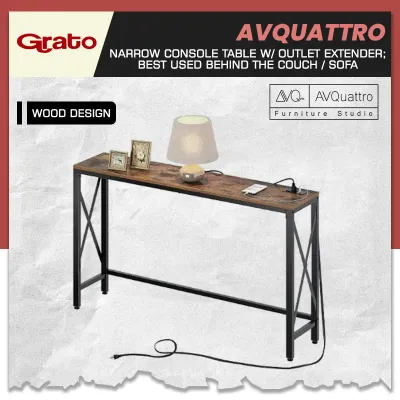
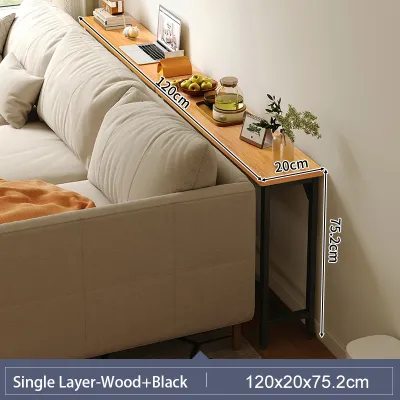
Prices are valid at publication and may change. Please refer to the product page for the latest price.
In contrast, a drop-down middle seat looks like a standard backrest cushion until you pull it forward. When lowered, the back of the cushion transforms into a flat table surface, often complete with cup holders and power ports. This design preserves maximum seating capacity when closed, making it ideal for movie nights when everyone needs a spot on the couch. Modular add-on units are independent console blocks that can be slotted between different sectional pieces, offering the highest level of flexibility for changing room layouts.
The “hidden” or convertible nature of these consoles relies on internal framing, heavy-duty hinges, and secure latches. High-quality models use reinforced steel or solid wood frames to support the weight of the console when deployed. Before purchasing, it is important to note the general space requirements. A drop-down console needs sufficient clearance in front of the sofa to fold down smoothly, and it must not obstruct walkways or access to nearby furniture when fully open.
Decoding Console Features: Storage, Tech, and Surface Specs
Translating the technical specifications of a hidden console into practical daily use helps ensure it meets the demands of a busy household. The storage compartment itself is the primary defense against clutter. When evaluating options, check the interior depth and width of the compartment. A deep bin can easily swallow multiple remote controls, game controllers, and reading glasses, but you must also consider the weight of the lid. For homes with young children, look for consoles equipped with soft-close or safety hinges that prevent the heavy lid from slamming shut on small fingers.

Tech integrations are another major draw for modern families. Many hidden consoles feature built-in USB-A and USB-C ports, alongside standard power outlets. To use these features, the sofa itself must be plugged into a wall outlet, which requires careful planning. You will need to check the location of your living room outlets and plan a safe cord routing path under the sofa to prevent tripping hazards or cord damage from reclining mechanisms.
Surface utilities add another layer of convenience. Drop-down cup holders keep drinks secure, reducing the risk of spills on fabric or leather upholstery. Some consoles also feature reversible tray tables that provide a stable surface for writing, working on a laptop, or enjoying a snack. Always verify the manufacturer’s specified weight limits for these surfaces; resting heavy items or leaning heavily on a deployed tray can strain the hinges and damage the internal frame over time.
Assessing Organization Benefits for High-Traffic Family Living
Determining whether a hidden console genuinely solves your living room clutter requires mapping your family’s daily habits to the console’s features. Think about the items that constantly end up lost between cushions or scattered across the coffee table. Remotes, charging cables, tablets, and small toys can all be assigned a permanent home inside the console. This centralized storage makes it easy for family members to clean up after themselves and find what they need without tearing the living room apart.
While a hidden console is highly convenient, it is important to compare its storage capacity against standalone furniture like sideboards, coffee tables with drawers, or toy chests. A sofa console is designed for immediate, active storage rather than bulk holding. It supplements existing furniture by keeping daily-use items within arm’s reach, but it will not replace the need for larger storage pieces if your family has a vast collection of board games, blankets, or toys.
Additionally, consider how a deployed console affects your seating dynamics. When you fold down a middle seat console, you lose that seat. In a standard three-seater sofa, deploying the console turns it into a two-seater. For large families, this trade-off is crucial. If you regularly host large gatherings or have a big family where everyone wants to sit together, a deployed console might create physical bottlenecks or leave someone without a comfortable spot to sit. Balancing storage utility with actual seating needs is essential.
Room Layout and Clearance Checks for Console Sofas
Before purchasing a sofa with a hidden console, precise physical measurements are necessary to ensure a proper fit. Start by measuring the sofa’s overall footprint when the console is closed, and then compare it to the expanded footprint when the console is fully open and in use. If the sofa also features reclining seats alongside the console, you must account for the extra space needed both in front of the footrests and behind the backrests.
Walkway clearance is a critical safety factor in high-traffic family living rooms. Ensure there is at least 60 to 90 centimeters of open walking space between the fully deployed console or extended footrests and other furniture, such as a coffee table or TV console. Cramping this space creates tripping hazards, especially in the dark or when children are playing. If space is tight, a low-profile coffee table or a nesting table set that can be easily moved aside may be a practical solution.
Finally, do not overlook the delivery path. Sofas with built-in consoles can be significantly heavier and bulkier than standard couches. Measure the width and height of your entry doors, narrow hallways, stairwells, and elevator cabins to ensure the delivery team can safely transport the sofa into your living room. Modular designs are often easier to navigate through tight spaces, as they can be brought in as separate pieces and assembled directly in the room.
Durability Checks and Routine Maintenance for Moving Parts
To keep a hidden console functional over years of daily family use, regular inspection and maintenance are required. Periodically inspect the hinge mechanisms and latches for alignment, loose screws, or signs of wear. In humid tropical climates, metal components can be prone to squeaking or stiffness. Check the manufacturer’s guidelines to see if a light application of a dry lubricant is recommended to keep the moving parts operating smoothly.
Keeping the console clean is equally important, as crumbs, dust, and pet hair easily accumulate in the crevices around the seams. Use a vacuum cleaner with a crevice tool attachment to thoroughly clean these hard-to-reach areas at least once a week. If your sofa is upholstered in fabric, a quick brush-down prevents dirt from grinding into the fibers. For leather sofas, wiping the seams with a dry microfiber cloth helps prevent moisture and dust buildup that can degrade the material.
Lastly, always adhere to the manufacturer’s guidelines regarding weight limits and electronics care. Avoid placing wet cups directly on wooden tray surfaces without coasters, and never allow children to sit or climb on the open console. When cleaning the console’s tech ports, ensure the sofa is unplugged from the wall, and use only a dry cloth to wipe away dust. Taking these simple precautions protects your investment and ensures the console remains a reliable organizational tool for your family.
Frequently Asked Questions (FAQ)
Can a hidden sofa console be added to an existing sofa?
Retrofitting a hidden console into a standard, existing sofa is generally not feasible. Built-in consoles require specific internal framing, reinforced support structures, and precise alignment that standard sofa frames do not possess. Attempting a DIY modification can compromise the structural integrity of your couch and void any remaining warranty. If you want to add console functionality to your current setup without buying a new sofa, consider standalone alternatives such as removable armrest organizer caddies, narrow slide-under side tables, or a modular ottoman with built-in storage and a tray top.
Are hidden consoles safe for households with toddlers?
Yes, hidden consoles can be safe for toddlers, provided you perform a few key checks before and after purchase. When shopping, look for models featuring soft-close or safety hinges that prevent the storage lid from slamming down on small hands. Ensure the latches require enough coordination or force that a toddler cannot easily pry them open. Additionally, manage integrated power cords carefully; keep the main power cable tucked securely under the sofa frame, use cord protectors if necessary, and consider unplugging the sofa from the wall outlet when the charging ports are not actively in use to prevent electrical hazards.
Community discussion
Share your experience or ask a question. Comments are reviewed before publication.