
Maximizing a compact condominium unit in the Philippines requires thinking vertically, and a high bed with storage is one of the most efficient ways to reclaim valuable floor space. By elevating the sleeping surface, you unlock substantial volume underneath that can serve as a wardrobe, a linen closet, or a hidden organizational hub. However, finding the right model involves more than just picking an appealing design from an online catalog. You must carefully evaluate your unit’s physical dimensions, the accessibility of the storage compartments, structural safety limits, and the logistical realities of high-rise delivery to ensure the bed functions seamlessly in your daily life.
Measuring Your Condo Space for a High Bed
Condo bedrooms in metropolitan areas often have limited square footage and lower ceilings than traditional houses. Before browsing options, measure the exact floor footprint where the bed will sit, ensuring there is enough clearance to open room doors, wardrobe doors, and walk around the perimeter without restriction.
Ceiling height is the most critical vertical constraint when planning for an elevated bed. To sit up comfortably in bed without bumping your head, you generally need at least 90 to 100 centimeters of clearance between the top of the mattress and the ceiling. Subtract this clearance and the thickness of your mattress from your total ceiling height to determine the maximum allowable height for the bed frame itself.
Products mentioned in this guide


Prices are valid at publication and may change. Please refer to the product page for the latest price.
Identify fixed obstacles that could interfere with an elevated bed. Air conditioning units, especially split-type systems, require clear airflow and regular filter maintenance, so the bed must not block access to them. Similarly, check the sweep of ceiling fans, the position of wall-mounted light fixtures, window openings, and the doors of built-in closets to prevent structural conflicts.
Do not forget the journey the bed must take to reach your room. Measure the height and width of all doorways, tight hallway corners, and the interior dimensions of your building’s passenger and freight elevators. Many high beds feature long, solid side rails or large pre-assembled headboards that cannot bend around sharp corridor turns, making detailed transit measurements essential before finalizing a purchase.
Comparing Storage Mechanisms and Accessibility
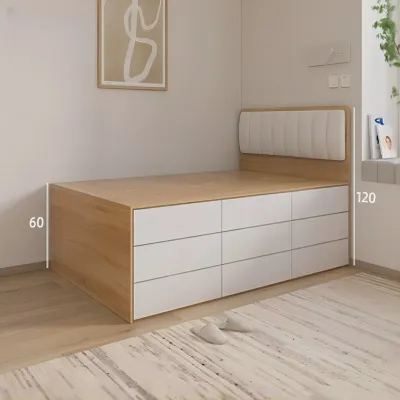
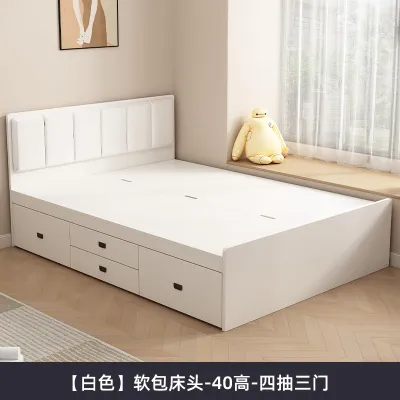
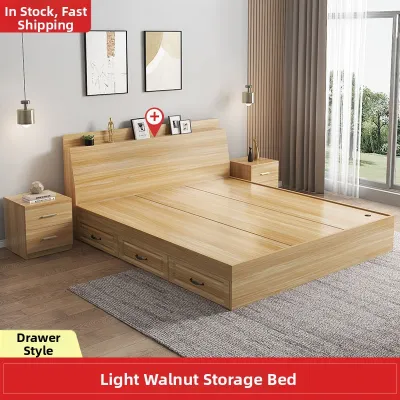
The way you access the storage space beneath a high bed dictates how practical it will be for daily use. Under-bed drawers are highly convenient for organizing frequently used items like daily wear, socks, and activewear, but they require significant clearance. You must ensure there is enough open floor space next to the bed for the drawers to slide out fully, which can be a major challenge in narrow condo bedrooms.

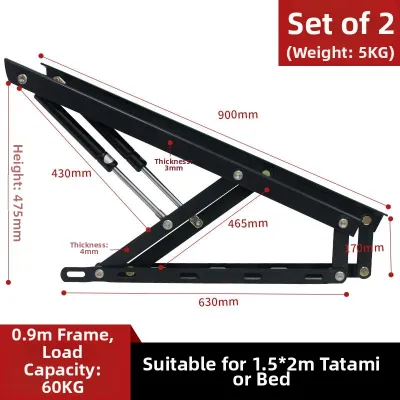
Hydraulic lift mechanisms, also known as gas-lift storage beds, solve the clearance issue by lifting the entire mattress platform upward. This design is ideal for tight spaces because it requires zero external floor clearance to access the storage compartment underneath. It is best suited for storing bulky, less frequently accessed items such as extra bed sheets, seasonal blankets, luggage, and holiday decorations, though lifting the platform daily can become tedious.
Accessing the elevated sleeping surface itself presents another design choice: staircase storage versus ladder access. Staircases with built-in drawers in each step offer excellent stability and double as highly functional storage units, making them ideal for maximizing utility. However, they occupy a much larger floor footprint than a simple vertical ladder, which takes up virtually no extra floor space but requires more physical effort and mobility to climb.
When evaluating storage compartments, look closely at the internal configuration. Deep, undivided spaces are excellent for large storage boxes or suitcases, while drawers with built-in dividers help keep smaller items organized. Consider how weight is distributed across the storage base; high-quality frames feature reinforced floor panels or support slats to prevent the bottom of the storage compartments from sagging or scraping against your bedroom floor over time.
Verifying Structural Stability and Safety Limits
Elevating a bed increases the physical forces acting on its frame, making structural integrity a primary safety concern. Always verify the manufacturer’s specified weight capacity, which must account for the combined weight of the mattress, the bedding, the occupant, and any items stored in the elevated compartments. A frame that feels sturdy in a showroom may sway or creak under a full load if it lacks adequate structural reinforcement.
Anti-tip features and wall-anchoring systems are essential for high-loft beds to prevent accidental tipping, especially if the bed is top-heavy or positioned away from multiple walls. Check if the manufacturer provides heavy-duty L-brackets or anchoring straps designed to secure the frame directly to wall studs or concrete walls. Guardrails are equally critical for elevated sleeping platforms; ensure they extend at least 15 centimeters above the top of the mattress to prevent falls during sleep.
Rather than relying on generic material descriptions like “solid wood” or “engineered wood,” inspect the specific joinery and hardware used in the construction. Look for heavy-duty steel bolts, barrel nuts, and reinforced corner brackets rather than simple wood screws or dowels, which can loosen over time with regular movement. If the bed features a hydraulic lift, check the quality of the gas struts to ensure they can safely support the weight of your specific mattress without dropping unexpectedly.
Building Your Shortlist: Matching Bed Types to Room Constraints
To narrow down your options, create a conditional decision matrix based on your specific room dimensions and lifestyle needs. If your ceiling height is standard or slightly low (around 2.4 to 2.6 meters), a low-loft bed or a hydraulic storage bed is generally the safest and most comfortable choice. High-loft beds, which leave enough space underneath for a desk or seating area, are best reserved for units with high ceilings of 2.8 meters or more to avoid a cramped, claustrophobic sleeping environment.
For narrow bedrooms where the bed must be placed flush against a wall or wardrobe, prioritize hydraulic lift beds or loft beds with open under-bed space where you can place freestanding storage bins. Avoid drawer-based storage beds in these layouts unless you have verified that the drawers can fully extend without hitting walls, bedside tables, or other furniture.
If safety and ease of access are your top priorities, prioritize staircase models over ladders, provided your floor plan can accommodate the extra length. Staircases provide a wider, more secure footing, which is particularly beneficial if you need to make the bed, change sheets, or climb down in the middle of the night.
When searching online marketplaces or visiting local furniture showrooms, use a strict checklist of non-negotiable specifications to filter out unsuitable models. This checklist should include the maximum outer dimensions of the frame, the required clearance for drawers or lifts, the minimum ceiling clearance, and the weight capacity. Having these exact figures on hand prevents impulsive purchases of beds that are physically impossible to assemble or use comfortably in your condo.
Navigating Condo Delivery and Assembly Logistics
Purchasing a high bed with storage is only half the battle; getting it into your high-rise condo and assembled is the other. Most condominium corporations in the Philippines enforce strict guidelines regarding furniture deliveries. You must coordinate with your building administration office to secure a work permit, reserve the service or freight elevator, and ensure the delivery vehicle fits within the building’s loading dock clearance.
Confirm with the seller how the bed frame is packaged for transit. High beds with integrated storage are incredibly heavy and bulky, often shipping in multiple large boxes. Ensure that the individual packages are modular enough to fit inside standard passenger elevators if your building lacks a dedicated freight elevator, and verify that they can clear tight stairwells and hallway corners.
Given the structural complexity of high beds with storage—especially those with hydraulic lifts or integrated staircases—professional assembly is highly recommended. Professional installers have the specialized tools and experience to ensure the frame is perfectly level, the joints are securely fastened, and the safety anchors are properly installed. If you choose to assemble the bed yourself, carefully review the manufacturer’s instructions, verify that you have all the required tools, and check if DIY assembly affects the product warranty.
Frequently Asked Questions (FAQ)
Can I install a high bed with storage in a rented condo?
Before purchasing a high bed that requires wall-anchoring, review your lease agreement and consult your building administration. Many landlords prohibit drilling into concrete walls, which can make traditional high-loft beds that require wall anchors difficult to install safely. In these situations, look for freestanding high beds designed with a wider, heavier base or integrated shelving units that provide natural stability without the need for wall penetration. Always obtain written permission from your landlord if you must install wall anchors to secure an elevated bed frame.
How do I prevent mold in under-bed storage compartments?
The tropical climate and high humidity levels in the Philippines can create a breeding ground for mold and mildew in enclosed spaces like under-bed storage compartments. To prevent this, ensure that all clothing, linens, and mattresses are completely dry before placing them in storage. Use moisture-absorbing sachets or silica gel packs inside the drawers or under-bed compartments, and leave the storage areas open periodically to allow fresh air to circulate. Additionally, choose bed frames with built-in ventilation slats or breathable materials to promote continuous airflow around your stored items.
Community discussion
Share your experience or ask a question. Comments are reviewed before publication.