
Finding the right furniture for compact living spaces in the Philippines requires a careful balance of functionality, style, and spatial efficiency. As urban condominiums and studio apartments become the standard for modern city living, traditional bulky dining sets are increasingly being replaced by smarter, more versatile alternatives. A high round table offers an elegant solution to these spatial constraints, serving as a dining area, a work-from-home station, and a social hub without overwhelming your floor plan.
By elevating the tabletop and utilizing a rounded silhouette, these tables create an open, airy feel that makes small rooms appear larger. Whether you are furnishing a cozy studio in Metro Manila or setting up a compact breakfast nook in a coastal townhouse, understanding how to select and position a high round table can transform your living experience.
Maximizing Flow and Function in Compact Layouts
One of the greatest challenges in small-space design is maintaining a natural flow of foot traffic. Rectangular and square tables, with their rigid edges and sharp corners, often dictate strict pathways and can make tight dining-living areas feel cramped. A round tabletop naturally softens the room’s lines, allowing you to navigate your home more fluidly without constantly dodging sharp corners.
Products mentioned in this guide
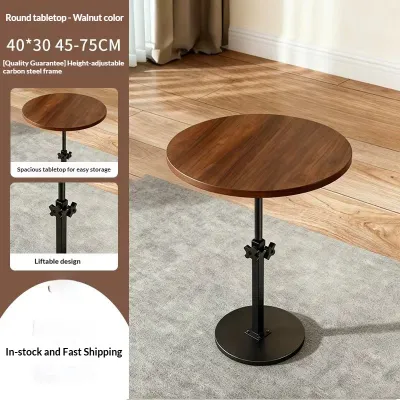
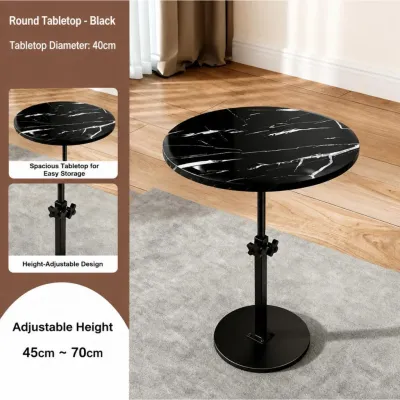
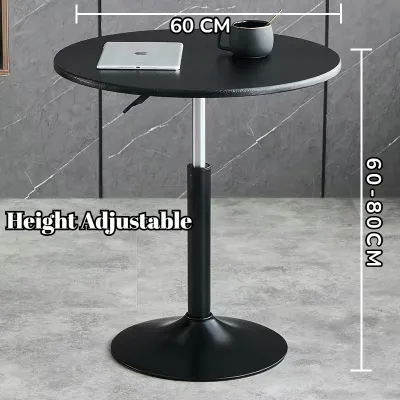
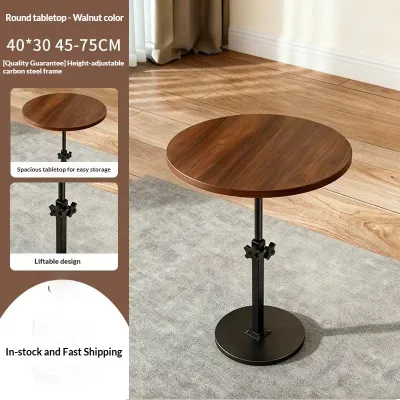
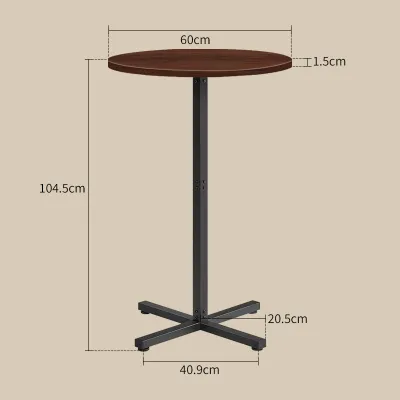
Prices are valid at publication and may change. Please refer to the product page for the latest price.
This visual lightness is particularly beneficial in open-plan layouts where the kitchen, dining, and living areas merge into a single zone. Because a round table lacks corners, it occupies a smaller visual footprint, allowing light to pass through the space more freely. This simple design characteristic can make a compact room feel significantly more spacious and less cluttered.
Beyond aesthetics, high round tables excel in multi-functional utility. In a limited square footage setup, a single piece of furniture must often perform multiple duties throughout the day. A high round table can transition seamlessly from a morning coffee spot to a comfortable daytime standing or sitting desk, and finally to an intimate dining table for evening meals or casual entertaining.
Seating flexibility is another major advantage of this design. Unlike square tables that limit seating to specific sides, a round table allows you to pull up extra stools at almost any angle. When the table is not in use, backless stools can be tucked completely underneath the tabletop, instantly freeing up valuable floor space for daily activities or home workouts.
Measuring Your Space: Dimensions and Base Types
Before browsing online marketplaces or local furniture showrooms, taking precise measurements of your designated area is essential. High round tables generally fall into two height categories: counter height, which typically stands around 90 centimeters tall, and bar height, which usually reaches approximately 100 to 105 centimeters. Your choice between these two heights will dictate the overall vibe of the space and the type of seating you need to source.

When evaluating the tabletop diameter, consider both your daily needs and the physical limits of your room. A diameter of 60 centimeters is highly compact and ideal for one or two people enjoying light meals or working on a laptop. If you frequently host guests or require more surface area for dining, a diameter of 70 to 80 centimeters offers a practical compromise, providing extra tabletop space while remaining highly manageable in a small layout.
The design of the table base plays a critical role in both legroom comfort and space optimization. Single pedestal bases are highly recommended for small spaces because they eliminate the corner legs that can restrict chair placement and leg movement. A central pedestal allows you to tuck stools in completely from any direction, maximizing the usable floor area when the table is idle.
Multi-leg bases, such as tripod or four-legged frames, can also work well if they feature a tapered or splayed design. However, you must verify that the distance between the legs at the floor level is wide enough to accommodate your stools. If the legs taper inward too sharply near the top, they may prevent you from pushing the stools fully under the table, defeating one of the primary space-saving benefits.
For homes that require ultimate flexibility, look for specialized space-saving features. Some high round tables are designed with foldable drop-leaves, allowing you to fold down one or both sides to push the table flat against a wall when not in use. Others feature nesting designs or lightweight frames that make them easy to relocate to a corner or balcony when you need to clear the center of the room.
Evaluating Stability, Materials, and Weight Limits
Because high round tables feature an elevated surface, they naturally have a higher center of gravity than standard-height dining tables. This makes stability a primary safety consideration, especially in active households with pets or busy walkways. To prevent tipping risks, always check the manufacturer’s specifications regarding the base footprint and overall weight distribution.
A stable high table should have a base diameter that is proportional to the tabletop diameter. As a general rule, the base should cover at least half the width of the tabletop to ensure a secure foundation. Weighted metal bases, particularly those made of cast iron or heavy steel, provide excellent stability by keeping the center of gravity low, even if the tabletop is made of lighter materials.
When reviewing product listings, pay close attention to the verified weight capacities and material care instructions. In the tropical climate of the Philippines, high humidity levels can affect furniture durability. Solid wood tables are beautiful and classic, but they must be properly sealed with a moisture-resistant finish to prevent warping, cracking, or water rings from cold drinks.
Engineered wood options, such as medium-density fiberboard (MDF) with a high-pressure laminate (HPL) or melamine finish, offer excellent resistance to moisture and scratches, making them highly practical for daily multi-tasking. If you prefer a metal table, ensure it features a rust-resistant powder coating to protect the frame from humidity, especially if the table is positioned near open windows or sliding balcony doors.
Finally, inspect the joint construction and floor protection details. High-quality tables utilize metal-to-metal bolt connections rather than simple wood screws, ensuring the joints remain tight and wobble-free over years of use. Additionally, verify that the table base includes adjustable leveling feet or protective rubber glides to prevent scratches on tiled, vinyl, or laminate flooring while stabilizing the table on slightly uneven surfaces.
Building Your Shortlist: Matching Profiles to Your Space
To help you narrow down your options, it is helpful to match specific table styles and material profiles to your unique living scenario. Different spaces demand different functional priorities, and identifying your primary use case will guide you to the right purchase.
Profile 1: The Compact Balcony or Breakfast Nook
If your goal is to create a cozy outdoor coffee spot or a sunny breakfast nook near a window, prioritize weather-resistant materials. Look for high round tables constructed from powder-coated aluminum, synthetic polyethylene rattan, or treated teak wood. These materials can withstand intense tropical sunlight, high humidity, and sudden rain showers without rusting, fading, or rotting. A narrow pedestal base is ideal here, as balcony spaces are often exceptionally narrow and require a minimal floor footprint.
Profile 2: The Studio Apartment Multi-Tasker
For studio apartments where the high table must serve as a dining area, a work-from-home desk, and a food preparation surface, durability is the top priority. Look for tables featuring a heavy-duty steel frame paired with a scratch-resistant, heat-resistant tabletop, such as high-pressure laminate or tempered glass. A tabletop diameter of 70 to 80 centimeters provides enough surface area to accommodate a laptop, a secondary monitor, and your meals, while still fitting comfortably into a living room corner.
Profile 3: The Flexible Entertaining Space
If you love hosting friends but need to keep your floor plan open for daily activities, focus on lightweight materials or highly portable designs. A high round table with a lightweight steel frame or a folding mechanism allows you to easily move the table to the side or store it away when extra floor space is required. For this profile, look for tables that can be easily paired with stackable or folding bar stools, allowing you to set up a casual bar area in minutes and pack it away just as quickly.
When filtering options on local online furniture stores, use specific search terms like “counter-height round table,” “bar-height bistro table,” or “pedestal high table.” Always cross-reference the listed dimensions with your home measurements, and look for detailed customer photos in the review section to verify the actual color, finish quality, and stability of the table in real-world settings.
Sourcing and Pre-Delivery Verification
Once you have selected the ideal high round table, taking a few practical steps before and during delivery can prevent common installation headaches. Because many modern condominiums and apartments have tight entryways, measuring your access points is just as important as measuring the final room layout.
Before finalizing your purchase, measure the width and height of your front door, any tight hallway corners, and the interior dimensions of your building’s elevator cabin. If you live in a walk-up apartment, measure the clearance of the stairwell landings. Compare these measurements with the packaged dimensions provided by the retailer to ensure the delivery team can safely transport the box to your unit without damaging the walls or the furniture.
Additionally, verify the retailer’s return policies, assembly requirements, and warranty terms before checking out. Many online furniture purchases arrive flat-packed and require self-assembly. Check if the package includes all necessary tools and clear instructions, or if you need to prepare basic tools like a screwdriver or an Allen wrench. If you prefer not to assemble the table yourself, check if the retailer offers an optional professional assembly service for a small fee.
When the table is delivered, perform a thorough inspection before signing the receiving copy or letting the delivery team leave. Carefully open the packaging and check the tabletop for any scratches, dents, or chips in the finish. Inspect the metal frame or wooden legs for structural defects, and count the hardware pieces to ensure no bolts or washers are missing. Identifying these issues immediately makes the replacement or return process significantly faster and more straightforward.
Frequently Asked Questions (FAQ)
How do I match stool heights to a high round table?
To ensure comfortable and ergonomic seating, you must match the height of your stools to the specific height category of your table. Counter-height tables (around 90 centimeters tall) pair best with counter stools that have a seat height of 60 to 65 centimeters. Bar-height tables (around 100 to 105 centimeters tall) require bar stools with a seat height of 75 to 80 centimeters.
The key to comfort is maintaining a vertical clearance of approximately 25 to 30 centimeters between the top of the stool seat and the underside of the tabletop. This clearance provides ample room for your legs to move freely without feeling pressed against the table frame, allowing you to sit comfortably for extended periods of working or dining.
Will standard dining chairs work with a high table?
No, standard dining chairs will not work comfortably with a high round table. Standard dining chairs typically have a seat height of approximately 45 centimeters, which is designed for standard dining tables that stand around 75 centimeters tall. If you attempt to use standard chairs with a counter-height or bar-height table, the seat will be far too low, making it difficult to reach the tabletop comfortably.
If you are purchasing a high table, you must invest in compatible elevated seating. When choosing stools, also check the table’s apron or under-beam clearance. Some high tables feature structural crossbars or thick support beams directly beneath the tabletop; ensure your chosen stools can still slide underneath these supports without scraping your knees or preventing the stools from being tucked away.
Community discussion
Share your experience or ask a question. Comments are reviewed before publication.