
Finding the perfect balance of Japanese minimalism and Scandinavian warmth requires understanding that a sofa is both a visual anchor and a structural investment. In the Philippine market, budgeting for a Japandi-style sofa typically ranges from ₱15,000 for entry-level, mass-produced options to over ₱120,000 for premium, custom-built hardwood masterpieces. The final cost depends heavily on material authenticity, structural integrity, and how well the piece is constructed to withstand the local tropical climate.
Because the Japandi aesthetic relies on clean lines, low profiles, and organic textures, cheap shortcuts are easily visible. A well-planned budget ensures you invest in materials that look beautiful today and endure years of daily use in a high-humidity environment.
Defining Your Japandi Sofa Budget Framework
The Japandi aesthetic represents a harmonious fusion of Japanese wabi-sabi—which celebrates rustic simplicity and natural imperfections—and Scandinavian hygge, which prioritizes warmth, comfort, and functional design. This design philosophy relies on a strict palette of natural materials, including solid wood, linen, cotton, and woven rattan. The goal is to create a serene, uncluttered living space where every piece of furniture feels organic and grounded.
Products mentioned in this guide
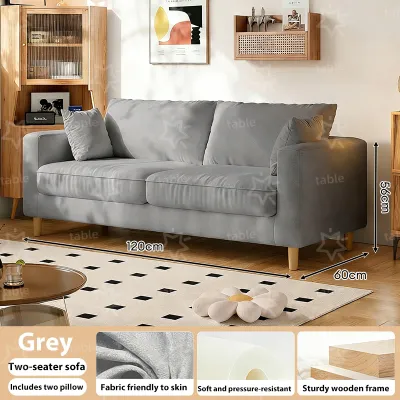
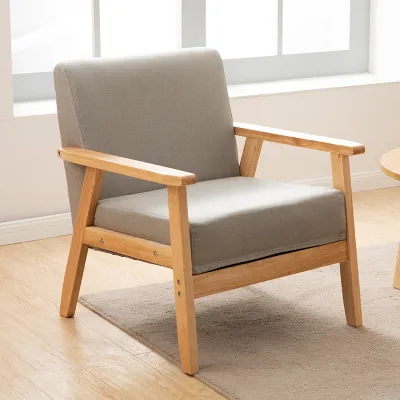
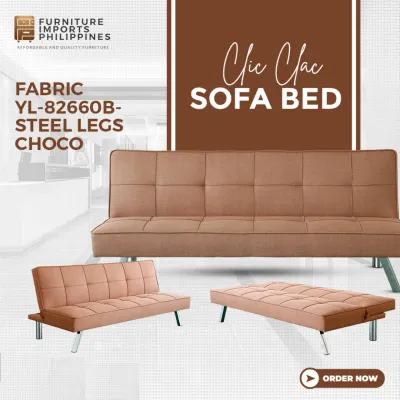
Prices are valid at publication and may change. Please refer to the product page for the latest price.
When budgeting for a Japandi sofa, you are primarily paying for material integrity, structural longevity, and craftsmanship rather than intricate ornamentation or a trendy brand logo. The clean, minimalist lines of Japandi furniture mean there are no elaborate carvings or busy patterns to hide poor construction. Every joint, seam, and wood grain is on display, making quality materials the true foundation of the design.
To determine your personal budget framework, consider your space constraints, daily usage frequency, and material expectations. If you are furnishing a high-traffic family home with pets and children, your budget should prioritize highly durable, stain-resistant performance fabrics and a robust solid wood frame. Conversely, if you are furnishing a low-traffic guest room or a temporary rental space, you may find better value in entry-tier options that capture the visual silhouette without the premium price tag of heirloom-grade materials.
Authentic natural materials inherently carry a higher baseline cost than synthetic, mass-produced fast-furniture alternatives. Processing solid hardwoods, weaving high-quality natural fibers, and ensuring proper wood curing require specialized labor and time. Recognizing this baseline cost helps you set realistic financial expectations and avoid purchasing low-quality pieces that will need replacement within a couple of years.
Key Cost Drivers for Japandi Sofas
Understanding where your money goes is essential for making an informed purchase. Several key components dictate the retail price of a Japandi sofa, starting with the structural frame and visible legs.

Wood Frame and Visible Legs The frame is the backbone of any sofa. Premium Japandi designs feature exposed wooden bases and tapered legs made from high-quality hardwoods such as white oak, walnut, or ash. These woods are highly durable, showcase beautiful natural grain patterns, and resist warping. Budget-friendly alternatives often utilize rubberwood—a sustainable, medium-density hardwood native to Southeast Asia—or engineered wood wrapped in natural wood veneers. While veneers provide a similar initial look, engineered wood lacks the long-term structural integrity and repairability of solid timber.
Upholstery Fabrics The tactile experience of a Japandi sofa is defined by its upholstery. Pure natural fibers like 100% linen or cotton-linen blends are highly breathable and hypoallergenic, making them incredibly comfortable in the humid Philippine climate. However, pure natural fibers are expensive and prone to wrinkling and staining. Synthetic blends, such as polyester woven to mimic the texture of linen, offer excellent durability, stain resistance, and a lower price point, though they may feel slightly less breathable during hot summer afternoons.
Cushion Fill and Support Maintaining a low-profile, clean-lined silhouette without sacrificing comfort requires high-quality cushioning. High-density polyurethane foam (typically rated 30 kg/m³ or higher) ensures the cushions retain their shape and support over years of use. Premium models often layer pocket springs within the foam or add a top layer of down-feather blends to achieve a soft, sink-in feel. Cheaper sofas often use low-density foam that quickly sags, ruining both the comfort and the minimalist lines of the sofa.
Joinery and Craftsmanship The method used to assemble the frame directly impacts the sofa’s lifespan. High-end furniture utilizes traditional joinery techniques, such as mortise-and-tenon joints, wooden dowels, and corner blocks, which allow the wood to expand and contract naturally with seasonal humidity changes. Mass-produced budget sofas often rely on metal screws, staples, and industrial glue. Over time, these cheap fasteners can loosen under weight and humidity, leading to squeaks, wobbles, and eventual structural failure.
Budget Allocation: Where to Invest and Compromise
When working with a set budget, strategic allocation allows you to maximize value without compromising the authentic Japandi feel. Knowing where to invest and where to compromise ensures a durable and beautiful result.
Non-Negotiables (Invest Here) The internal frame must be constructed from kiln-dried solid wood. In the Philippines, high relative humidity can cause uncured wood to warp, crack, or develop mold and mildew inside the upholstery. Kiln-drying removes excess moisture, stabilizing the timber. Additionally, invest in high-density seat cushion foam. Replacing sagging foam cushions is difficult and expensive, so securing quality support from the start is a smart long-term investment.
Flexible Areas (Compromise Here)
- Fabric Composition: Instead of purchasing 100% pure linen, opt for a high-quality linen-polyester or cotton-polyester blend. These hybrid fabrics mimic the matte, organic texture of pure linen while offering superior stain resistance, easier cleaning, and a more accessible price point.
- Accent Elements: If a solid wood paneled backrest or frame is too costly, look for models that incorporate natural rattan or cane webbing. Woven cane provides the airy, organic texture characteristic of Japandi design at a lower material cost and weight.
- Styling Over Structure: Choose a simpler, well-constructed base sofa with clean lines and neutral upholstery, then allocate a small portion of your budget to textured accent pillows. High-quality bouclé, chunky knit, or raw cotton cushion covers can elevate a basic sofa frame and introduce the necessary tactile variety.
Local Sourcing: Ready-Made vs. Custom Woodworkers
In the Philippines, buyers have two primary paths when shopping for a Japandi sofa: purchasing ready-made pieces from retail brands or commissioning custom furniture from local woodworkers.
Ready-Made Furniture Brands Ready-made furniture offers predictable pricing, immediate or scheduled delivery, standard manufacturer warranties, and the opportunity to physically test the comfort of the sofa in a local showroom. However, standard dimensions may not fit perfectly into compact urban condominiums. Furthermore, some mass-market brands use cheaper engineered wood in hidden structural areas to lower production costs, which can compromise durability in humid conditions.
Local Custom Upholsterers and Woodworkers Commissioning a custom sofa from local artisans allows you to tailor the dimensions perfectly to your living room layout, which is especially valuable for maximizing tight condo spaces. You have direct control over the selection of wood species, fabric types, and cushion firmness, while supporting local craftsmanship. The trade-offs include longer production lead times (typically four to eight weeks), variable quality control between different workshops, and a lack of standardized structural warranties.
Checklist for Custom Orders To ensure a successful custom build and avoid hidden costs, provide the workshop with a detailed specification checklist:
- Wood Moisture Content: Specify kiln-dried wood with a moisture content of 10% to 12% to prevent warping and cracking.
- Foam Density: Request high-density polyurethane foam (minimum 30 kg/m³) or High Resilience (HR) foam for the seat cushions.
- Fabric Durability: Choose a fabric with a Martindale rub count of at least 15,000 for standard residential use, or 25,000+ for high-traffic family spaces.
- Suspension System: Confirm the use of pocket springs or heavy-duty sinuous (S) springs rather than simple elastic webbing alone.
Hidden Costs and Pre-Purchase Quality Checks
A successful sofa purchase requires looking beyond the retail price tag. Several hidden costs and quality checks should be addressed before finalizing your decision.
Logistics and Clearance Japandi sofas often feature long, low-profile, single-cushion frames that do not disassemble easily. Before ordering, carefully measure your doorways, hallways, stairwells, and elevator cabs. If you live in a high-rise condominium, verify that the sofa can fit into the service elevator; otherwise, manual carrying up stairs may result in steep handling fees. Additionally, factor in delivery charges, especially if you reside outside Metro Manila, as specialized furniture shipping can add significantly to your total expenses.
Humidity and Pest Considerations The tropical climate of the Philippines makes furniture vulnerable to mold, mildew, and wood-boring insects like termites (anay) and powderpost beetles (bukbok). Ensure that all exposed wood on the sofa frame is treated with insect-repelling sealers and finished with a protective, moisture-resistant matte coating. Unsealed wood will absorb atmospheric moisture, leading to wood swelling, weakened joints, and mold growth inside the upholstery.
The “Sit Test” and Visual Check If you are testing sofas in a retail showroom, perform these simple quality checks:
- Low-Profile Comfort: Japandi sofas typically have a lower seat height (around 38 to 42 cm). Sit on the sofa to ensure it is comfortable for your knees and easy to stand up from, particularly if older family members will use it.
- Cushion Rebound: Press down firmly on the seat cushion and release. It should bounce back to its original shape instantly. Any delayed rebound indicates low-density foam that will sag quickly.
- Surface Finish: Run your hand along the exposed wooden frame. It should feel smooth and satin-matte. Avoid high-gloss synthetic varnishes, which look artificial and clash with the natural, organic ethos of Japandi design.
Frequently Asked Questions (FAQ)
How do I maintain natural linen and wood in a humid climate?
To preserve natural materials in a tropical environment, vacuum the upholstery weekly using a soft brush attachment to remove dust and debris. Avoid placing the sofa in direct sunlight, as UV rays can dry out wood and cause natural fibers to become brittle and fade. Maintain good indoor air circulation. During the humid rainy season, consider using a dehumidifier or running your air conditioner regularly to keep relative humidity below 60%, which prevents mold and mildew from developing on natural linen and solid wood frames.
Can I achieve the Japandi look with a slipcovered sofa?
A slipcovered sofa can successfully channel the Japandi aesthetic if it is properly executed. Choose a well-fitted, heavy-weight cotton or linen-blend slipcover in neutral, earthy tones such as sand, oatmeal, or soft gray. The key is tailoring: the slipcover should have clean, straight lines and a structured fit rather than a loose, slouchy drape, which can look too rustic or shabby chic. Ensure the underlying frame is sturdy, as a slipcover only updates the visual exterior and cannot compensate for a sagging or poorly constructed frame.
Community discussion
Share your experience or ask a question. Comments are reviewed before publication.