
Setting up a cozy leisure spot on a narrow balcony or terrace side requires careful spatial planning. When space is at a premium, every centimeter counts. In tropical climates like the Philippines, where sudden downpours and intense sun are common, creating a functional outdoor lounge involves more than just pulling up a chair. You need a layout that maximizes the narrow footprint, resists high humidity, and incorporates protective elements like a “pang tabing sa terrace” (terrace screen or blind) to shield your setup. By focusing on smart measurements, multi-functional furniture, and secure anchoring, you can transform a neglected narrow edge into a vibrant, weather-resilient bar corner.
Measure and Prepare Your Narrow Terrace Side
To build a successful bar corner, you must start with a precise floor plan. Grab a reliable steel measuring tape and record the exact length, width, and overhead clearance of the narrow terrace side. Because narrow spaces leave zero margin for error, even a five-centimeter miscalculation can prevent a door from opening or block a vital walkway. Mark the swing paths of any adjacent doors, whether they are sliding glass panels or traditional hinged doors, to ensure your future furniture sits completely clear of their operational arcs.
Next, establish a strict footprint limit by identifying mandatory clearance zones. For a comfortable and safe passage, keep a minimum walkway width of 70 to 90 centimeters. If your terrace serves as an emergency exit path, check local building guidelines to ensure your layout does not violate safety codes. Additionally, note the position of safety railings. Your bar setup must never compromise the structural integrity of these barriers, nor should it provide a climbing hazard for children or pets.
Products mentioned in this guide
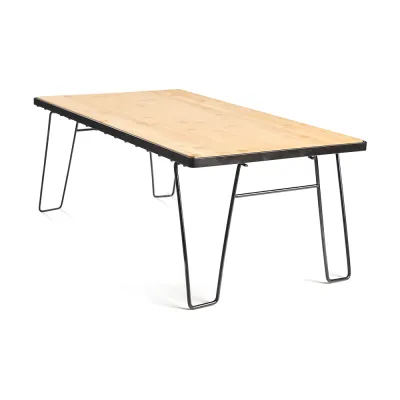
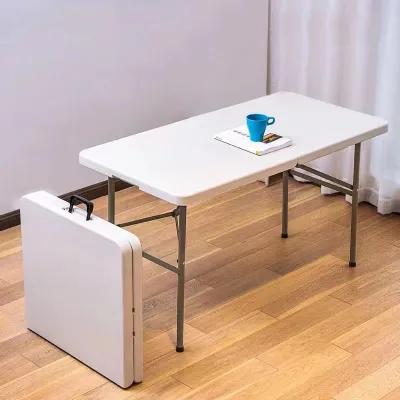
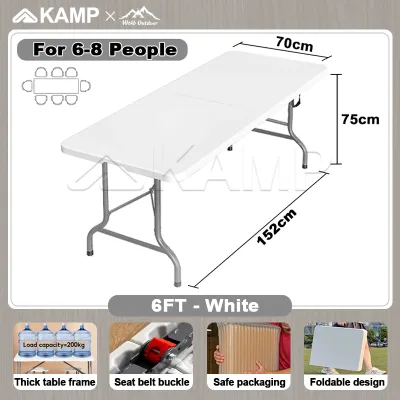
Prices are valid at publication and may change. Please refer to the product page for the latest price.
Physical terrace conditions in tropical environments require special attention to water management. Inspect the floor’s drainage slope. Most outdoor terraces are engineered with a subtle 1% to 2% slope designed to direct rainwater toward a drainage grate or scupper. Placing heavy furniture directly over these drainage paths can trap water, leading to pooling, slippery algae growth, or structural water damage over time. Ensure your bar base or stool legs do not obstruct the natural flow of runoff.
Finally, observe the environmental exposure of your selected spot over a full day. Note the hours of direct sunlight and the prevailing wind direction, especially during the monsoon seasons. If your terrace side faces west, it will bear the brunt of the intense afternoon heat, while south-facing areas might experience heavy wind-driven rain. Identifying these patterns early helps you decide where to place protective barriers and which areas require extra shade.
Select Space-Saving Furniture for Humid Conditions
When space is limited, standard outdoor dining sets are too bulky. Instead, look for compact, multi-functional furniture designed specifically for narrow profiles. A wall-mounted drop-leaf bar table is an exceptional choice for tight terrace sides. These tables can be folded flat against the wall or railing when not in use, instantly reclaiming valuable floor space. Alternatively, a narrow, freestanding console bar table with a depth of 35 to 40 centimeters can sit flush against a wall while still providing ample surface area for drinks and small plates.

Your choice of seating should follow the same space-saving philosophy. Opt for slim-profile bar stools that can be tucked completely underneath the bar counter when idle. Stools without backrests are highly efficient because they slide away fully, leaving the walkway completely unobstructed. If you anticipate needing extra seating only occasionally, consider high-quality stackable outdoor bar stools that can be stored neatly in a corner or an indoor closet until guests arrive.
Do not rely on generic material labels like “all-weather wood” or “rust-proof metal” without verifying the manufacturer’s actual specifications. In highly humid tropical climates, untreated materials degrade rapidly. Look for bar furniture featuring powder-coated aluminum frames, which naturally resist rust, or high-density polyethylene (HDPE) lumber, which does not warp or rot when exposed to moisture. If the furniture includes fabric elements, verify that the cushions use UV-treated, solution-dyed acrylic fabrics and quick-dry foam inserts that allow water to drain rapidly rather than trapping moisture.
Always review the manufacturer’s care labels and maintenance guidelines before purchasing. Some materials require annual sealing or specific cleaning agents to maintain their warranty and structural integrity. Additionally, evaluate the weight and stability of each piece. While lightweight furniture is easy to move, extremely light plastic or hollow aluminum stools can easily tip over during strong winds or sudden tropical gusts. Look for pieces with a weighted base or those that can be safely anchored to the ground or railing.
Step-by-Step Layout for a Compact Bar Corner
Creating a functional bar corner on a narrow terrace requires a systematic approach to placement. By following a structured layout sequence, you can optimize flow, comfort, and safety.
Step 1: Anchor the Main Surface
Begin by positioning your primary bar table or counter against the longest solid wall or the sturdiest section of the terrace railing. This placement anchors the entire setup and keeps the center of the terrace clear. If you are mounting a table directly to a railing, ensure the mounting brackets are rated for outdoor use and securely tightened. Align the table so that it does not block light from adjacent windows or restrict access to utility outlets.
Step 2: Arrange Seating Safely
Once the table is set, position your bar stools. Allow for at least 25 to 30 centimeters of space between the stool seat and the underside of the bar counter to ensure comfortable knee clearance. Space the stools roughly 60 centimeters apart from center to center so guests do not feel cramped. Ensure that when a stool is pulled out for use, there is still enough space behind it for someone to walk past safely without tripping or squeezing against the railing.
Step 3: Utilize Vertical Storage
To keep your limited counter space clear, look upward. Install wall-mounted shelves, floating ledges, or hanging stemware racks made of weather-resistant materials like marine-grade stainless steel or treated teak. Vertical storage allows you to store bottles, glasses, and bar tools safely out of the way, keeping the main bar surface dedicated solely to serving and socializing.
Step 4: Secure Top-Heavy Items
Safety is paramount in elevated or outdoor spaces. Any tall or top-heavy items, such as freestanding shelving units, narrow bar carts, or heavy decorative structures, must be physically secured. Use heavy-duty, rust-resistant straps or L-brackets to anchor these pieces directly to the wall or a solid railing post. This step prevents the furniture from tipping over during strong wind gusts, seismic activity, or accidental bumps from guests.
Step 5: Define the Zone
Conclude your layout by visually separating the bar corner from the rest of the terrace. Lay down a small, low-profile outdoor rug or a durable floor mat made of woven polypropylene. This visual boundary defines the lounge zone without adding physical clutter. Ensure the rug is thin enough that it does not present a tripping hazard and features a non-slip backing to prevent shifting on slick terrace tiles.
Install Lighting and Weather-Smart Accessories with a Pang Tabing sa Terrace
Ambiance and weather protection are key to making your narrow bar corner usable year-round. Because space is tight, traditional table lamps or bulky floor fixtures are impractical. Instead, install outdoor-rated, low-voltage LED strip lights underneath the bar counter or along the railing to create a warm, indirect glow. Solar-powered wall sconces are another excellent option, as they mount flat against the wall, require no electrical wiring, and automatically illuminate as the sun sets, eliminating tripping hazards from trailing power cords.
To protect your bar setup from the elements, consider installing a high-quality pang tabing sa terrace. This type of outdoor weather screen or heavy-duty roller blind acts as a shield against both driving rain and the intense tropical sun. By lowering a durable pang tabing sa terrace during midday heat or sudden afternoon downpours, you can keep your bar surface dry and comfortable, significantly extending the lifespan of your furniture and accessories.
When accessorizing the bar, select compact, weather-smart items that can withstand high humidity. Use non-porous materials such as resin coasters, silicone prep mats, and powder-coated metal trays. These items are easy to wipe clean and will not absorb moisture. If your terrace side lacks a permanent roof, consider adding a small cantilever umbrella or a tensioned shade sail. Before installing, carefully check the clearance of any opening mechanisms to ensure they do not strike walls, railings, or overhead structures when deployed.
Avoid using porous or easily waterlogged decorative items, such as untreated cotton throws, paper lanterns, or cheap fiber rugs. In humid climates, these materials trap moisture rapidly and become breeding grounds for mold, mildew, and unpleasant odors. Stick to performance outdoor fabrics and synthetic materials that dry quickly and are easy to sanitize.
Test the Layout and Plan Routine Maintenance
Before declaring your compact bar corner ready for use, conduct a thorough physical walkthrough to test its functionality. Walk slowly through the terrace, opening and closing doors completely to ensure there is no friction against the furniture. Walk past the bar while someone is seated on a stool to confirm that the remaining path is wide enough for comfortable movement. Check that access to emergency exits, fire extinguishers, or utility panels remains completely unobstructed.
Next, physically test the comfort of the setup. Sit on each stool, pull yourself up to the bar, and simulate reaching for a drink, a bottle from the vertical shelf, or a light switch. Ensure the stool remains perfectly stable on the sloped terrace floor and does not wobble. If you detect any instability, use adjustable leveling feet on the furniture legs to compensate for the floor’s drainage slope.
Establish a consistent maintenance routine to protect your investment from the harsh tropical climate. Wipe down all surfaces with a mild, non-abrasive soap and water solution at least once a week to remove accumulated dust, pollen, and salt residue. After heavy rainfall, wipe away standing water from table surfaces and clear any debris, such as fallen leaves, from the folds of foldable furniture to prevent rot. Periodically inspect all metal joints, screws, and brackets for early signs of rust, treating any spots immediately with a rust-inhibiting primer.
Finally, plan for severe weather conditions. During typhoons, extreme storms, or long periods of non-use, do not rely solely on your outdoor covers. Store all cushions, fabric accessories, glassware, and portable electronic items indoors. If possible, fold down your bar table and secure the stools in a protected indoor area to prevent wind damage and ensure your compact bar corner remains in pristine condition for years to come.
Frequently Asked Questions (FAQ)
Can I use indoor furniture on a covered terrace side?
Even if your terrace side is covered by a roof or awning, it remains exposed to the outdoor environment. High humidity levels, drastic temperature fluctuations, and wind-blown rain will inevitably reach your furniture. Indoor furniture is typically constructed with glues, finishes, and wood species that are not designed to withstand these conditions.
When exposed to moisture, indoor wooden furniture can quickly warp, crack, or rot, while indoor metal pieces will rust rapidly. Upholstery without outdoor-rated foam will trap water, leading to deep-seated mold and mildew growth. Using indoor pieces outdoors can also void their manufacturer’s warranty. To ensure safety, durability, and long-term value, always select furniture that is explicitly rated by the manufacturer for outdoor or semi-outdoor use.
Community discussion
Share your experience or ask a question. Comments are reviewed before publication.