
Arranging a 20 square meter living room to serve as both a comfortable daytime lounge and a functional nighttime bedroom requires careful spatial planning. When coordinating a foldable sofa bed and a coffee table in a compact condo, the key is balancing dual-purpose utility with effortless mobility. By selecting furniture with adaptable footprints and establishing clear clearance zones, you can maintain an open, airy atmosphere even in a highly limited layout.
In tropical climates where high humidity can influence indoor air circulation, keeping a small space uncluttered is essential for both comfort and furniture longevity. A well-thought-out arrangement ensures that transitioning your sofa bed does not turn into a daily chore of heavy lifting and awkward maneuvering. With the right layout strategy, your compact living area can seamlessly shift from a welcoming social hub to a restful sleeping sanctuary.
Measure Your Space and Folding Clearances
Before purchasing any furniture or shifting heavy pieces, you must obtain precise measurements of your entire room. Use a reliable measuring tape to map out the length and width of the living area, taking careful note of fixed architectural features. In compact modern condos, elements such as structural pillars, low-hanging window sills, protruding electrical outlets, and wall-mounted air conditioning units can significantly restrict where furniture can realistically sit. Additionally, measure the swing radius of entry doors, bathroom doors, and balcony access points to ensure no furniture blocks these essential pathways.
Products mentioned in this guide
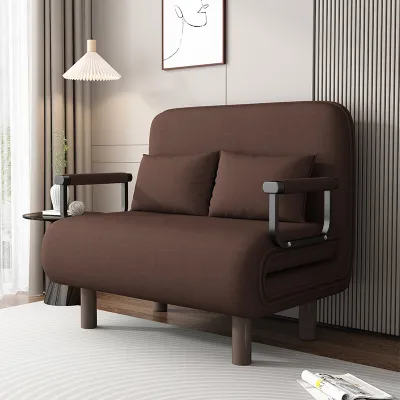
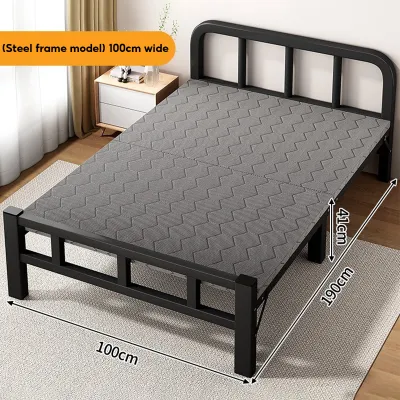
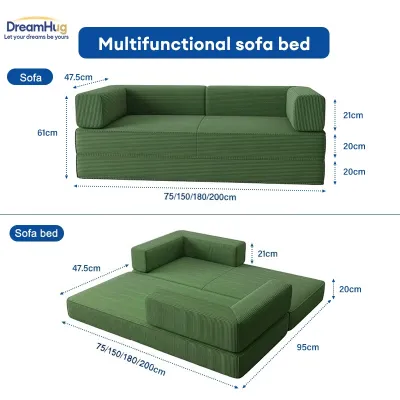
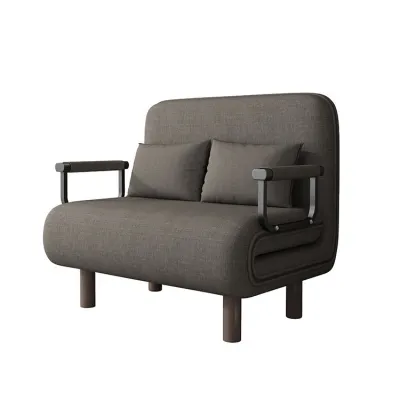

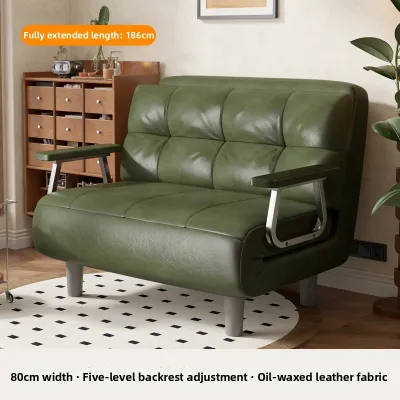
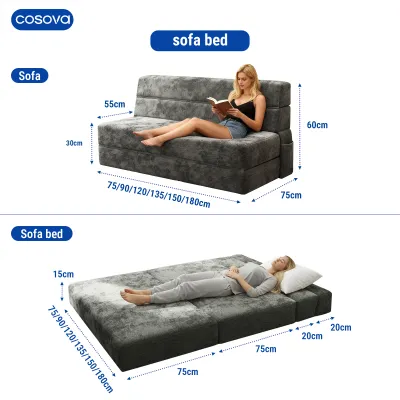
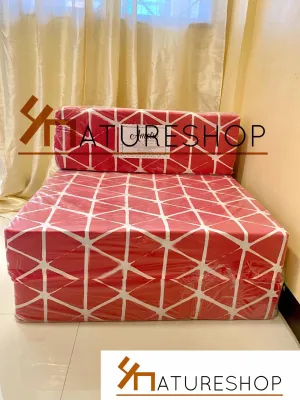
Prices are valid at publication and may change. Please refer to the product page for the latest price.
Next, determine the exact footprint of your sofa bed foldable when it is fully extended. Manufacturers typically provide two sets of dimensions: the closed sofa dimensions and the fully opened bed dimensions. Mark the extended length on your floor to visualize how much space remains for walking. A fully deployed bed should ideally leave at least 50 to 60 centimeters of clearance on at least one side, allowing you to get in and out of bed comfortably without squeezing against walls or other furniture.
Finally, calculate the necessary buffer zone between the sofa bed and your coffee table. When the sofa is in seating mode, a standard distance of 30 to 45 centimeters between the edge of the seat and the table allows for comfortable legroom while keeping drinks within reach. However, when transitioning to sleeping mode, this space will be entirely consumed by the extended mattress. You must plan a dedicated zone where the coffee table can be temporarily relocated during the night without blocking emergency exits or bedroom pathways.
Choose the Best Layout Configuration
The shape of your 20 square meter room heavily dictates the most efficient furniture arrangement. For narrow or rectangular layouts, a wall-hugging configuration is generally the most practical approach. Placing the back of the foldable sofa bed directly against the longest solid wall opens up the maximum amount of central floor space. This setup keeps the center of the room clear during the day, making it easier to position a lightweight coffee table that can be easily pushed aside when it is time to unfold the bed.

If your living room is wider or features an open-concept studio design, a floating layout can serve as an excellent zoning tool. In this configuration, the sofa bed is positioned away from the walls, creating a distinct living zone while leaving a walkway behind it. This path allows family members to move through the room without interrupting anyone resting. When using a floating layout, ensure the space in front of the sofa is deep enough to accommodate the fully extended bed without pushing other furniture into walls.
For rooms with awkward alcoves or unused corners, an L-shaped or corner arrangement can help maximize dead space. While a standard L-shaped sectional might be too bulky for a 20 square meter room, placing a compact foldable sofa bed near a corner and pairing it with a small, modular side table or a nesting coffee table set can create a cozy, highly functional nook. This keeps the primary traffic lanes open and provides a flexible area where the coffee table can be easily rearranged depending on whether you are entertaining, working, or sleeping.
Select a Space-Saving Coffee Table
In a compact living room, every piece of furniture should ideally perform more than one function. When pairing a table with a foldable sofa bed, look for coffee tables that feature built-in hidden storage. Models with lower shelves, deep drawers, or lift-top compartments are incredibly useful for stashing extra pillows, blankets, bed sheets, and remote controls. Keeping these nighttime essentials stored directly inside or beneath the coffee table reduces visual clutter and ensures that bed-making is quick and convenient.
Another highly functional option is a lift-top or foldable coffee table. These innovative designs feature mechanisms that allow the tabletop to lift upward and forward, bringing the surface closer to you. This transforms your coffee table into a temporary dining table or a comfortable laptop desk, which is perfect for remote work or quick meals in a small condo. When the sofa bed is fully deployed, a lift-top table can also serve as an elevated bedside surface for holding a glass of water, a phone, or a reading lamp.
Regardless of the style you choose, pay close attention to the weight and mobility of the coffee table. Because you will need to move the table every time you unfold the sofa bed, heavy solid-wood tables can be difficult to handle and may scratch your floors. Prioritize lightweight materials, such as hollow metal frames or engineered wood. Tables equipped with smooth-rolling, lockable casters are particularly advantageous, as they allow you to glide the table out of the way with minimal physical effort.
Optimize Traffic Flow and Daily Usability
A successful small-space layout must remain highly usable throughout the day and night. Start by mapping out the primary walking paths from your main entrance to high-traffic areas like the kitchen, bathroom, and balcony. Ensure that even when the sofa bed is fully extended, these natural routes remain unobstructed. Forcing yourself or your guests to climb over the bed or squeeze through tight gaps to reach the bathroom at night can quickly become frustrating and unsafe.
To maintain daily usability, establish a clear “default position” for your coffee table during the day and a designated “temporary storage spot” for the night. During the daytime, the coffee table sits centrally in front of the sofa. At night, this table might slide next to the TV console, tuck into an unused corner, or sit beside the extended bed as a nightstand. Knowing exactly where the table goes before you begin unfolding the bed prevents chaotic clutter and keeps the room organized.
To further free up floor space, maximize your use of vertical space. Instead of relying on bulky floor cabinets to hold decor, books, and lighting, install wall-mounted shelves or floating ledges. Utilizing the walls keeps the floor area around your sofa bed and coffee table completely clear, making the entire 20 square meter room feel significantly larger. Additionally, consider wall-mounted swing-arm lamps instead of floor lamps to eliminate cord hazards and save precious floor real estate.
Test and Finalize Your Furniture Arrangement
Before committing to a final layout or purchasing new furniture, it is wise to physically test your planned arrangement. A highly effective and budget-friendly method is to use painter’s tape or flattened cardboard boxes to outline the exact dimensions of your sofa bed and coffee table on the floor. Be sure to tape out both the daytime configuration (with the sofa closed) and the nighttime configuration (with the bed fully extended). This simple visual aid helps you immediately identify if a piece of furniture is too large or if a walkway is too narrow.
Once you have taped out the layout, physically walk through the space to rehearse your daily routines. Simulate the process of unfolding and folding the sofa bed. Do you have enough room to stand and pull the mattress out comfortably? Rehearsing these movements allows you to spot potential spatial conflicts—such as a table corner blocking a drawer or door from opening—before you experience the physical strain of moving heavy furniture.
Based on the results of your physical test, make any necessary adjustments to your furniture positions or shopping list. If the tape reveals that a standard coffee table leaves too little walking space, you might decide to opt for a set of small nesting tables that can be stacked away when not in use. Taking the time to test and refine your layout ensures that your 20 square meter living room remains a comfortable, stress-free environment that perfectly accommodates your lifestyle.
Frequently Asked Questions (FAQ)
Can I use a large area rug with a foldable sofa bed and coffee table?
Yes, you can use an area rug, but you must select the size and material carefully to avoid interfering with your furniture’s functionality. Ensure the rug is either large enough that the entire sofa bed sits on top of it, or small enough that the bed unfolds completely past the rug’s edge. This prevents the folding hinges, legs, or pull-out mechanisms of the sofa bed foldable from catching on the fabric, which can damage both the rug and the sofa’s frame.
Additionally, pay close attention to the rug’s pile height and texture. High-pile, shaggy rugs can create significant friction, making it difficult to slide or roll your coffee table out of the way when deploying the bed. For a small, multi-functional space, a flat-weave or low-pile rug is highly recommended. These options provide a smooth surface for moving furniture while still adding warmth, color, and comfort to your living room.
What is the best flooring protection for moving a coffee table frequently?
Protecting your flooring is crucial when you frequently reposition furniture in a compact condo. Hardwood and laminate floors are highly susceptible to scratches and scuffs, while tile floors can suffer from chipped grout or cracked surfaces if heavy furniture is dragged across them. To prevent damage, always equip the legs of your coffee table with high-quality floor protectors.
For stationary tables that you slide manually, heavy-duty felt pads are an excellent choice as they allow the table to glide smoothly across hard surfaces. If your coffee table is equipped with wheels, choose soft rubber or polyurethane casters rather than hard plastic or metal wheels, which can easily scratch wood and laminate. Always check the manufacturer’s guidelines for both your flooring and your furniture to ensure your chosen protective pads or casters are compatible and will not cause discoloration or wear over time.

Community discussion
Share your experience or ask a question. Comments are reviewed before publication.