
Assembling a double deck frame requires a systematic approach to ensure structural integrity and prevent hazardous wobbling. Achieving maximum stability depends on precise alignment during the initial build, followed by targeted reinforcement techniques tailored to the frame’s material. By carefully preparing your workspace, following a balanced tightening sequence, and implementing approved reinforcement methods, you can create a secure sleeping environment that remains stable over years of daily use.
Pre-Assembly Preparation and Safety Checks
Before opening any packaging, clear a spacious, flat area in the room where the double deck frame will permanently stand. Moving a fully assembled bunk bed through narrow doorways or tight hallways is often impossible, so building it directly in its designated space is highly recommended. Ensure the room has adequate lighting so you can easily read the instruction manual and inspect small hardware components. Lay down a clean tarp, blanket, or the flattened cardboard packaging to protect both your flooring and the bed components from scratches during the assembly process.
Begin by unboxing all components and conducting a thorough inventory of every panel, rail, slat, and hardware piece against the manufacturer’s parts list. Group similar bolts, washers, nuts, and wooden dowels into separate containers or trays to prevent them from rolling away or getting mixed up. This initial organization saves significant time and prevents the common mistake of using the wrong screw length in a critical structural joint.
Products mentioned in this guide
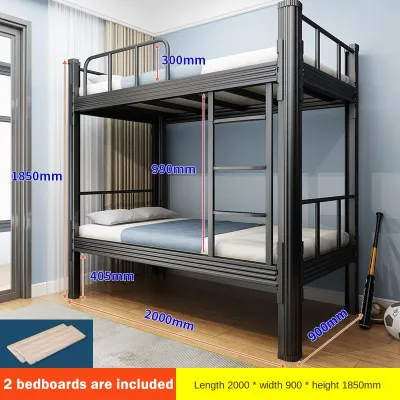
569 Lazada user ratings
my kasamang 2 boards n so sulit n rn. may konting yupi n maliliit, tapos madali matanggal pintura. easy assembly nmn kht wla manual. manipis…Read full reviewShow less
my kasamang 2 boards n so sulit n rn. may konting yupi n maliliit, tapos madali matanggal pintura. easy assembly nmn kht wla manual. manipis ung bakal so not heavy duty pero so far kinakaya nmin kami, 100kg and 80kg. mauga nga lng so dpt naka lapat s pader or my mga support, bahala k n.
Space-saving bunk bed design, Easy to assemble and disassemble, Great value for the price. mukha namang matibay, sinibukan kong higaan. nasa…Read full reviewShow less
Space-saving bunk bed design, Easy to assemble and disassemble, Great value for the price. mukha namang matibay, sinibukan kong higaan. nasa 80kg. ako goods naman! mas better sya sa mga bata at payat
Secure upper bed with railings, Space-saving bunk bed design, yun nga lang daming gasgas.. sana seller balutin nyo frame ng bubble wrap para…Read full reviewShow less
Secure upper bed with railings, Space-saving bunk bed design, yun nga lang daming gasgas.. sana seller balutin nyo frame ng bubble wrap para di magasgas.. pero okay naman sya sulit..
okay naman yung item walang damage akala ko pang isang tao lang pwede humiga kasya pala dalwang tao sa isang higaan . salamat lazada mura ko…Read full reviewShow less
okay naman yung item walang damage akala ko pang isang tao lang pwede humiga kasya pala dalwang tao sa isang higaan . salamat lazada mura ko lang nakuha 3188 pesos
Good quality bunk bed. easy to assembled. Thanks to seller.

2 Lazada user ratings
the quality is good,we assemble and use it right away
Prices are valid at publication and may change. Please refer to the product page for the latest price.
While sorting the parts, inspect each piece carefully for manufacturing defects or shipping damage. For wooden frames, check for deep cracks, splits along the grain, or warped rails that could compromise load-bearing capacity. For metal frames, look for bent brackets, dented tubing, or poorly welded joints. Examine all pre-drilled holes and threaded inserts to ensure they are clean, clear of debris, and not stripped.
If you discover missing hardware, structural damage, or stripped threads, stop the assembly immediately. Attempting to substitute critical safety hardware with random screws from a household toolbox can severely compromise the bed’s stability. Contact the manufacturer or the retail seller directly to request official replacement parts before proceeding with the build.
Step-by-Step Assembly Sequence
A successful double deck frame assembly relies on a gradual, balanced approach rather than tightening each bolt fully as you go. Tightening fasteners completely during the early stages of assembly often distorts the frame, making it extremely difficult to align subsequent pieces and pre-drilled holes. This misalignment introduces internal stress into the frame, which eventually manifests as persistent squeaks, structural warping, and joint instability.

To maintain structural alignment, adopt the “loose-fit” method during the initial framing stages. Thread all bolts and screws by hand or with manual tools until they are finger-tight, leaving a small amount of play in the joints. This flexibility allows you to adjust the angles and ensure the entire structure remains square. Once all primary components are connected and properly aligned, you can follow the manufacturer’s specified tightening sequence to secure the frame evenly.
Aligning and Securing the Main Frame
The foundation of a stable double deck frame lies in the precise connection of the headboards, footboards, and side rails. Begin by positioning the lower headboard and footboard upright, then align the side rails that connect them. Because these components are heavy and awkward to balance alone, enlist a second person to hold the vertical posts steady while you align and insert the primary structural bolts. This prevents the joints from twisting or bending under their own weight during assembly, which can permanently damage the wood or metal.
Use a carpenter’s square or a leveling tool to verify that the side rails meet the headboard and footboard at perfect ninety-degree angles. If the frame is assembled even slightly out of square, the weight distribution will be uneven, leading to premature wear on the joints and an annoying wobble. Keep the bolts loose enough to allow for minor adjustments until you have verified that all four corners of the lower frame are level and square.
Once the lower level is aligned, repeat the process for the upper bunk rails, ensuring the vertical support posts remain perfectly perpendicular to the floor. After verifying the alignment of both levels, begin tightening the primary structural bolts. Work in a diagonal or cross-pattern sequence—similar to tightening lug nuts on a car wheel—to distribute the tension evenly across the entire frame. Avoid using high-torque power drills, as they can easily strip threads in metal frames or split the wood in timber models.
Installing Slats, Cross-Braces, and Guardrails
With the main outer frame securely aligned, the next step is to install the mattress support system, which typically consists of wooden slats, metal mesh, or a bunkie board. If your frame uses individual wooden slats, space them evenly across the support cleats according to the manufacturer’s instructions. Secure each slat using the provided wood screws; skipping these screws allows the slats to shift over time, which can cause the mattress to sag or fall through the frame.
Many double deck frames include center support legs or diagonal cross-braces designed to minimize lateral movement and handle vertical load capacity. If your model features these components, install them precisely as directed, ensuring they make firm, flat contact with the floor or the frame rails. These braces are critical for preventing the middle of the bed from bowing under weight, which is a common source of frame instability.
Finally, install the safety guardrails on the upper bunk, ensuring there are no gaps that exceed the safety specifications outlined in your product manual. Guardrails must be fastened securely to the frame posts with no loose play, as they prevent accidental falls and add structural rigidity to the upper half of the bed. Double-check that the ladder is mounted tightly to the frame, with its feet resting flat on the floor or its brackets hooked securely over the side rails without any wobbling.
Reinforcement Techniques for Added Stability
Even a correctly assembled double deck frame can develop minor wobbles over time due to regular use, floor unevenness, or the natural settling of materials. Identifying the specific points of movement is the first step toward achieving a rock-solid bed. Gently shake the frame from different angles to locate loose joints, flexing side rails, or gaps where components meet.
Before applying any aftermarket reinforcement or making structural modifications, consult the manufacturer’s warranty and instruction manual. Some modifications, such as drilling new holes or applying permanent adhesives, can void your warranty or compromise the engineered safety features of the bed. Always prioritize non-destructive reinforcement methods first, and ensure any changes do not interfere with the mattress fit or create new safety hazards.
Reinforcing Wooden Double Deck Frames
Wooden frames are susceptible to seasonal humidity changes, which can cause the wood to expand, contract, and loosen joints over time. During assembly or maintenance, check the fit of all wooden dowels and tenon joints. If the manual permits, applying a small amount of high-quality wood glue to the dowel holes before inserting the dowels can significantly reduce joint play and eliminate squeaks. Be aware that using wood glue makes future disassembly extremely difficult, so only apply it to joints that will not need to be taken apart if you plan to move the bed later.
If you notice flexing or gaps at the corners of a wooden frame, consider installing heavy-duty metal corner brackets or mending plates. Position these brackets on the interior corners of the frame where they are hidden from view and will not contact the mattress. Before screwing them in, verify that the screw length is shorter than the thickness of the wood to prevent the screws from piercing through to the visible exterior of the bed.
For older wooden frames or those experiencing significant wobble, adding a solid wood center support rail or reinforcing the slat cleats can distribute weight more effectively. If you need to drill new pilot holes or add structural wooden blocks to reinforce the frame corners, consult a qualified carpenter or the manufacturer first. This ensures you do not inadvertently weaken the load-bearing sections of the timber or split the wood.
Reinforcing Metal Double Deck Frames
Metal double deck frames are highly durable but can suffer from joint slippage and high-frequency vibrations that lead to loud squeaking and swaying. Start by inspecting all bolt connections to ensure they are fully tightened and flush against the metal tubing. If certain bolts frequently work themselves loose due to the natural movement of the bed, consider applying a drop of medium-strength thread-locking fluid to the bolt threads before re-tightening them. This fluid prevents the fasteners from backing out under vibration while still allowing you to disassemble the bed with hand tools if necessary.
Examine the interlocking metal connectors and sleeves where the upper and lower bunks join. If there is a loose fit or a visible gap between the interlocking tubes, it can cause the top bunk to sway independently of the base. You can address minor play by inserting thin, non-compressible shims or heavy-duty rubber washers designed for structural joints, ensuring they do not prevent the locking pins from engaging fully.
For severe structural instability in metal frames, avoid attempting to weld or add custom metal braces yourself unless you are a certified professional. Improper welding can weaken the tempered metal tubing, burn through thin-walled steel, or create sharp edges that pose a safety hazard. If the frame continues to sway excessively after tightening all factory hardware, contact the manufacturer to check for recalled parts or structural defects.
Post-Assembly Verification and Ongoing Maintenance
Once assembly and reinforcement are complete, perform a comprehensive physical safety check before allowing anyone to use the bed. Conduct a firm shake test by grasping the corner posts of both the lower and upper bunks and attempting to rock the frame in all directions. The bed should feel rigid, with minimal lateral sway and no shifting at the joints. If you detect any movement, isolate the loose connection and tighten the hardware immediately.
Test the ladder by applying downward pressure on each rung and checking the attachment points for any flexing or sliding. Ensure the ladder does not pull away from the frame when weight is applied. Additionally, verify that the mattress fits snugly within the frame parameters, leaving no large gaps along the sides or ends where a limb could become trapped.
Establish a regular maintenance schedule to keep the double deck frame stable over the long term. Wood and metal naturally expand, contract, and settle under load, which gradually loosens fasteners. Set a reminder to inspect and re-tighten all bolts, screws, and brackets every six months, or immediately if you notice new squeaks or movement.
During these periodic checks, look closely for signs of wear such as hairline cracks in wooden rails, bent metal brackets, or stripped bolts. If you observe any structural failures that cannot be resolved by tightening the hardware, restrict access to the bed and seek professional inspection or replacement parts. Consistent maintenance is the most effective way to preserve the safety and stability of your double deck frame for years to come.
Community discussion
Share your experience or ask a question. Comments are reviewed before publication.