
Reupholstering your sala set is an excellent way to breathe new life into your living room, especially if you are aiming for a clean, minimalist Japandi aesthetic. The core of any successful sofa restoration lies in the quality of the foam you select. To budget accurately for this project, you must balance the physical dimensions of your furniture, the density of the material, and local environmental factors like tropical humidity. A realistic budget is not just a single number; it is a calculation based on the volume of foam required, the quality tier you choose, and the auxiliary materials needed to complete the job. By understanding how these variables interact, you can avoid overspending while ensuring your restored sala set remains comfortable and structurally sound for years to come.
Core Budgeting Logic for Sala Set Reupholstery
To build a reliable budget for your sala set reupholstery, you need a structured approach rather than a guessing game. The foundational formula for estimating your foam cost is straightforward:
Total Cost = (Total Volume of Foam Needed × Price per Unit Volume) + Auxiliary Costs
Products mentioned in this guide

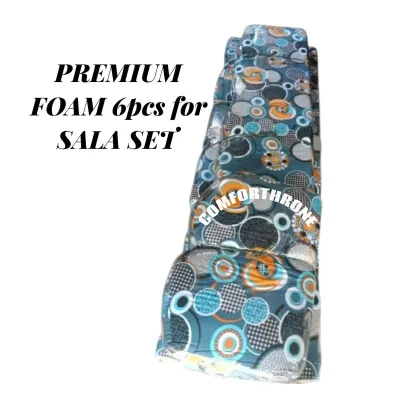
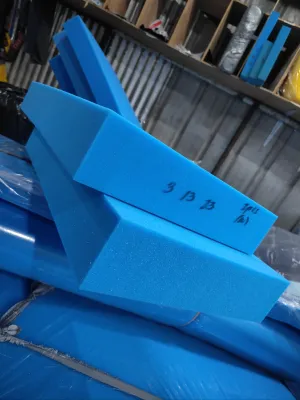
Prices are valid at publication and may change. Please refer to the product page for the latest price.
While raw material prices fluctuate, your total investment in ₱ will depend heavily on the density tier and the physical size of your sofa. The price per unit volume is directly tied to the density of the foam, which is the single most important factor determining both the upfront cost and the lifespan of your cushions.
When allocating your budget, prioritize your spending based on wear and tear. Your sala set consists of different components that experience varying levels of physical stress. Allocate the largest portion of your budget to the seat cushions. These components bear the full weight of users daily and require high-density foam to prevent bottoming out. In contrast, backrests and armrests experience significantly less pressure. You can safely allocate a lower budget to these areas by opting for medium-density or slightly softer, less expensive foam grades without compromising the overall integrity of the sofa.
It is crucial to view foam selection through the lens of long-term value rather than initial savings. Opting for cheap, low-density foam might keep your immediate expenses low, but these materials tend to sag, lose their rebound, and flatten within a year or two—especially under heavy daily use. Investing in high-density foam carries a higher initial price tag but significantly extends the replacement cycle. In the context of the humid Philippine climate, high-quality foam with resilient cell structures resists the softening effects of heat and moisture, saving you the cost and hassle of another reupholstery project in the near future.
Calculating the Required Foam Volume
Before purchasing any materials, you must determine the exact volume of foam your sala set requires. Accurate measurements prevent the costly mistakes of ordering too little material—which halts your project—or over-ordering, which leaves you with expensive, unusable scrap.

To measure your cushions accurately, use a firm metal measuring tape rather than a flexible fabric one. Measure the three primary dimensions of each cushion: width, length, and thickness. For a standard rectangular seat cushion, measure from seam to seam along the cushion cover. If you are replacing foam that has completely collapsed, do not measure the old, saggy foam itself. Instead, measure the inside dimensions of the fabric cover, pulling the seams taut but not stretched. Add an extra 1.2 to 2.5 centimeters to both the width and length measurements. This stuffing allowance ensures the finished cushion looks plump and fits snugly inside the cover without leaving loose, wrinkled fabric.
Next, evaluate the existing sofa frame structure. Check if the seat support relies on wooden slats, webbing, or metal springs. If the original support system has sagged, new foam alone will not fix the seat; you must budget for repairing the underlying suspension. Additionally, note if the original design featured a crowned profile, where the center of the cushion is slightly thicker than the edges. Achieving this look requires layering thinner sheets of foam or wrapping the core with batting, which must be factored into your volume calculations.
Once you have the dimensions for all your cushions, map out the cuts on standard foam sheet sizes. Suppliers typically sell foam in large rectangular sheets, such as 120 by 200 centimeters or 150 by 200 centimeters. Draw a cutting grid on paper to see how your cushion dimensions fit onto these standard sheets. Planning your cuts strategically minimizes waste and helps you determine exactly how many full or half-sheets you need to purchase from your supplier.
Foam Specifications That Drive the Cost
Understanding technical foam specifications allows you to make informed decisions when comparing supplier quotes. The price of foam is primarily driven by its physical properties, which also dictate how well the material fits your desired living room style.
- Density vs. Firmness: Density refers to the weight of the foam per unit volume (typically measured in kilograms per cubic meter). It is the ultimate indicator of quality, durability, and cost; higher density means more polyurethane polymer is used in the manufacturing process, resulting in a heavier, longer-lasting product. Firmness refers to how hard or soft the foam feels when you sit on it. A high-density foam can be formulated to feel very soft, while a low-density foam can feel incredibly stiff initially but degrade rapidly. Always check the manufacturer's specification sheets for the density rating rather than relying solely on a simple touch test.
- Japandi Style Requirements: The Japandi aesthetic merges Japanese minimalism with Scandinavian warmth, characterized by low-slung furniture, clean lines, and uncluttered spaces. To maintain this look, your sala set cushions must retain their crisp, structured shape. Soft, overly plush cushions that sag or bulge run counter to this design philosophy. Opting for a medium-to-firm, highly supportive foam profile ensures your sofa maintains its clean, architectural lines even after hours of use.
- Material Types: You will primarily choose between standard polyurethane (poly) foam and high-resilience (HR) foam. Standard poly foam is budget-friendly and suitable for light-use areas or guest seating. However, for your primary sala set, high-resilience foam is the gold standard. HR foam features an uneven cell structure that provides excellent elasticity, support, and a faster rebound rate. While HR foam requires a higher initial budget, its superior comfort and resistance to sagging make it the most cost-effective choice for a high-traffic family room.
Hidden Costs and Purchasing Checklist
When drafting your final budget, the cost of the raw foam sheets is only part of the equation. Several auxiliary materials and service fees can quickly inflate your total expenses if they are not planned for in advance.
First, budget for essential auxiliary materials that transform raw foam into finished furniture. You will need Dacron batting, a polyester fiber wrap that is glued around the foam core. Dacron softens the sharp edges of the foam, fills out the corners of the cushion cover, and prevents the fabric from friction-wearing against the foam. To secure the batting, you must purchase a high-quality spray adhesive designed specifically for foam. Additionally, if your outer upholstery fabric is delicate or prone to stretching, budgeting for thin muslin liners to wrap the foam before putting on the main cover is highly recommended.
Second, account for professional service fees and logistical constraints. If you do not have the tools or confidence to cut large foam sheets yourself, many suppliers offer custom cutting services. While some include basic straight cuts in the purchase price, complex shapes, bevels, or custom laminating (gluing different foam densities together) usually incur extra charges. Furthermore, because foam sheets are incredibly bulky, delivery or freight costs can be substantial. Before ordering, verify your doorway, hallway, and lift access to ensure the bulky foam shipments can actually reach your workspace.
Finally, establish a strict verification process for when your materials arrive. Inspect the foam immediately upon delivery. Check that the cell structure is uniform without large air pockets or tears, and verify the dimensions against your order sheet. New foam often undergoes a process called off-gassing, which releases a distinct chemical odor. Ensure you have a well-ventilated space, such as a covered patio or a room with open windows, to let the foam air out for 24 to 48 hours before wrapping it in fabric. Always clarify the supplier’s return and exchange policies for custom-cut items before finalizing your payment.
Frequently Asked Questions (FAQ)
Can I reuse the old foam if it is not completely torn?
You should only reuse old foam if it passes a thorough physical inspection. Check the foam for signs of crumbling, powdery residue, or permanent yellowing, which indicate chemical breakdown from age and humidity. Press down firmly on the center of the cushion; if it takes more than a second to snap back to its original shape, or if you can feel the wooden frame underneath, the foam has lost its structural integrity. If the foam is still firm and resilient but has lost a bit of its loft, you can save money by keeping the core and simply wrapping it in a fresh layer of thick polyester batting to restore its plumpness.
Is it cheaper to buy pre-cut cushions or raw foam sheets?
Buying raw foam sheets is generally more economical if you have simple, rectangular cushions and possess the basic tools to cut them at home, such as a sharp electric carving knife or a heavy-duty utility blade. Purchasing raw sheets minimizes the markup associated with custom labor. However, if your sala set features complex curves, T-shaped cushions, or wedge profiles, paying a premium for professional pre-cut foam is often the wiser investment. It eliminates the risk of making costly cutting mistakes that ruin an entire sheet of expensive material and ensures a perfect, professional fit.
How do I know if the foam density is suitable for daily use?
To verify if foam is suitable for daily use, look at the density rating on the product label or ask the supplier for the technical specifications. For high-traffic seat cushions, look for a density of at least 28 to 35 kilograms per cubic meter. You can also perform a simple physical test in-store: press your fist deep into the foam and release it quickly. High-quality, high-density foam will rebound instantly and resist deep compression, whereas low-density foam will feel hollow, compress easily to the bottom, and recover slowly.
Community discussion
Share your experience or ask a question. Comments are reviewed before publication.